Mississippi Gun Season Dates by Unit
Navigating Mississippi's deer hunting regulations can sometimes feel like trying to untangle a mess of fishing line after a long day on the water. With different gun season dates depending on which part of the state you're in, it's easy to get confused and potentially miss out on prime hunting opportunities, or worse, accidentally hunt out of season. This comprehensive guide is here to untangle all that, providing a clear breakdown of Mississippi's gun season dates by each deer management unit, so you can plan your hunts with confidence.
Understanding Mississippi's Deer Management Units
Before we dive into the specific dates, it's crucial to grasp why Mississippi even has these different units. It's not just to make things complicated for us hunters, I promise! The Mississippi Department of Wildlife, Fisheries, and Parks (MDWFP) implements these management units to address the diverse habitats, deer populations, and hunting pressures across our beautiful state. From the fertile Delta bottomlands to the rolling hills and pine forests, deer herds behave differently and require tailored management strategies to ensure healthy populations and quality hunting experiences for everyone.
Why the Units Matter
Each unit is a distinct ecological zone, presenting unique challenges and opportunities for deer management. For example, the rich agricultural lands of the Delta Unit can support a higher deer density and produce larger-antlered bucks, necessitating different harvest regulations compared to the more expansive, timbered landscapes of the Hills Unit. These variations dictate everything from bag limits and antler restrictions to, you guessed it, the specific hunting season dates. Ignoring these unit distinctions isn't just a minor oversight; it can lead to hefty fines and a ruined hunt. It’s all about balancing harvest with herd health in each distinct environment. For a broader perspective on the various hunting periods, check out our guide on Mississippi Deer Season Structure Explained.
Finding Your Unit
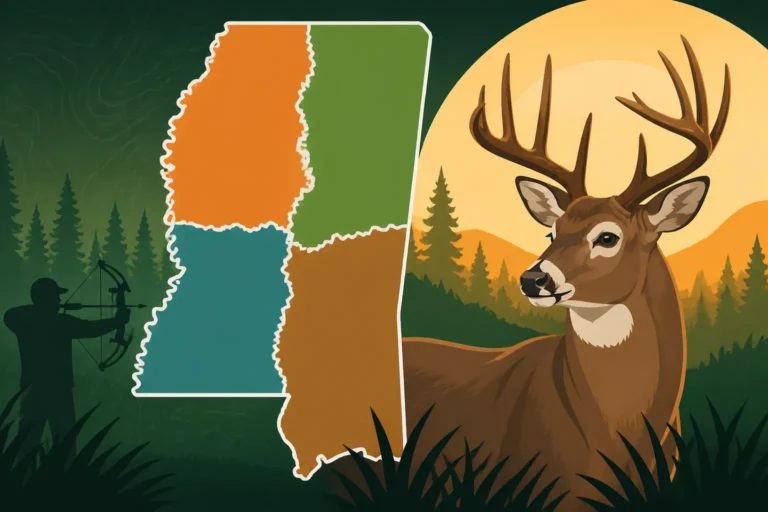
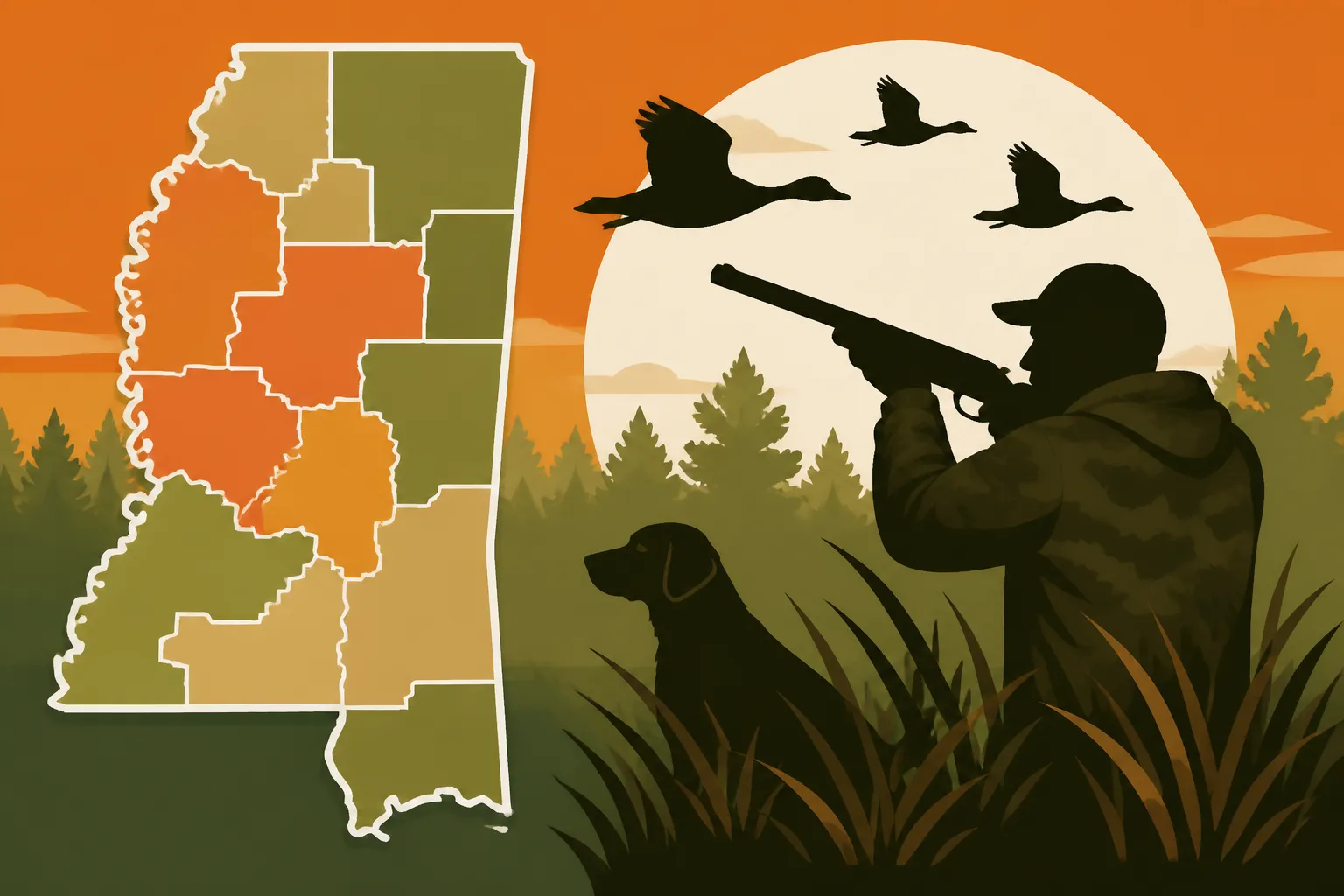
So, how do you know which unit you're in? This is where many hunters, especially those new to a particular area or from out of state, can stumble. Mississippi is divided into four primary deer management units: Delta, Hills, North Central, and Southeast. Typically, the boundaries follow county lines, major highways, or significant natural features like rivers. The best way to definitively identify your unit is by consulting the official MDWFP hunting guide or using their online interactive maps. Many hunters also find that apps like GoHunt offer detailed mapping overlays that show unit boundaries, helping you understand precisely where you stand, literally. Before you even think about setting up your stand, ensure you've nailed down your exact location's unit designation. If you're still scratching your head, we have a helpful resource titled Finding Which Deer Unit Your County Sits In that breaks down how to locate your specific unit.
Key Differences Beyond Dates
While our focus today is on gun season dates, it's important to remember that these units also have different antler restrictions and often varying bag limits. For instance, the Delta Unit is well-known for its 12-inch main beam spread rule for bucks, a measure designed to allow younger bucks to mature. The Hills and Southeast units, conversely, often have a 10-inch main beam spread or a specific number of points, or even no antler restriction for a portion of the season. These subtle yet critical differences are all part of the MDWFP's strategy to manage each region's deer population effectively. Always check the current year's regulations for the unit you plan to hunt, as these details can change.
Delta Unit Gun Season Specifics
Ah, the Delta – a legendary place for deer hunters in Mississippi, known for its rich soil, vast agricultural fields, and the potential for truly massive bucks. The hunting pressure here can be intense, and the gun season dates are designed to balance harvest opportunities with the unit's unique deer herd dynamics and management goals. Getting these dates right is absolutely paramount when planning your Delta hunt.
Core Gun Season Dates
For the Delta Unit, the gun season typically kicks off in late November, usually around the Saturday before Thanksgiving, and runs through late January. This extended season provides ample opportunities for hunters to pursue deer during various phases of the rut, as well as into the late season when food sources become critical. For example, in recent years, the Delta Unit gun season has generally begun on November 18th and extended through January 31st. This gives hunters a solid two months and a few days of gun hunting. It's a long window, but every day counts when you're after one of those elusive Delta giants. Many hunters strategically plan their trips around the local rut peaks, often in early to mid-December in this region, a period covered in our resource Hunting the Rut in the Delta Unit.
Antler Restrictions in the Delta
The Delta Unit is probably the most talked-about unit when it comes to antler restrictions. To be a legal buck during the gun season here, a deer must typically have a main beam spread of at least 12 inches or an unbranched antler (a spike). This regulation is a cornerstone of the Delta's quality deer management program, aiming to increase the average age of harvested bucks. This rule applies to all bucks harvested in the Delta Unit, whether on private or public land, including WMAs within the Delta. Understanding this specific regulation is key, and we have a detailed guide on Delta Unit Antler Restriction Rules that every Delta hunter should review. Always carry a small measuring tape or use a visual reference like your rifle stock or bow width to quickly gauge antler spread in the field.
Late-Season Opportunities
While the early part of the gun season, especially the rut, gets a lot of attention, don't overlook the late-season opportunities in the Delta. By January, deer have been pressured for months, but they are also driven by the need for reliable food sources. Standing crops, green fields, and specific mast crops that persist into winter can become hotspots. As the temperatures drop, deer movement often increases during daylight hours. This can be a fantastic time for hunters who prefer colder weather or who couldn't connect earlier in the season. Utilizing tools like the GoHunt app can help identify key agricultural areas or public lands that might offer these late-season food advantages.
Hills Unit Gun Season Dates
The Hills Unit encompasses a large portion of central and northern Mississippi, characterized by its rolling topography, mixed pine and hardwood forests, and often more fragmented land ownership compared to the Delta. Deer hunting here offers a different experience, relying more on understanding terrain and timber management. The gun season dates here reflect a management approach tailored to this diverse landscape.
Primary Gun Season Window
The Hills Unit typically sees its gun season open a bit earlier than the Delta, often starting in mid-November and extending through the end of January. For instance, recent regulations have set the Hills Unit gun season from November 18th through January 31st. This aligns with or slightly overlaps the opening of the Delta's season. The rut in the Hills Unit can vary slightly by geographical location, but generally peaks from late December into mid-January, meaning a significant portion of the gun season here coincides with this crucial breeding period. This timing provides ample opportunity to catch mature bucks on the move. Many hunters rely on understanding Hunting the Rut in the Hills Unit to maximize their chances.
Hills Unit Antler Requirements
Unlike the stringent 12-inch spread rule in the Delta, the Hills Unit often has a more flexible antler restriction, generally a 10-inch main beam spread or at least four points on one side. This regulation still encourages the harvest of older, more mature bucks while providing a bit more leeway for hunters compared to the Delta. There might also be periods with no antler restrictions for specific harvest goals. As always, consult the current MDWFP regulations for the exact details, as these can be updated. Understanding these nuances is critical for legal harvest in this unit, and our article on Hills and Southeast Unit Antler Restriction Rules offers more specific guidance.
Typical Rut Timing Overlap
The Hills Unit is interesting because its gun season reliably covers a significant portion of the rut. While the exact peak can fluctuate year to year and even within different areas of the unit, hunters often report increased deer activity from mid-December through the first week or two of January. This is when bucks are actively seeking does, making rattling, grunting, and still-hunting effective tactics. Planning vacation time to coincide with this window can dramatically increase your chances of encountering a mature buck. The longer gun season ensures that hunters have a solid crack at deer during this exciting, high-activity period.
North Central Unit Gun Season Overview
The North Central Unit, nestled primarily in the northern part of the state, shares some characteristics with the Hills Unit but often features a mix of larger timber tracts, smaller agricultural plots, and higher hunting pressure around more populated areas. It's a fantastic area for deer, but requires keen awareness of the regulations.
Standard Gun Season Period
The gun season in the North Central Unit mirrors the Hills Unit closely, generally opening around mid-November and running through the end of January. This extended season provides hunters with plenty of time to pursue deer. Much like the Hills, the North Central Unit's rut often peaks in late December to mid-January, giving hunters the chance to be in the woods during prime breeding activity. The key here is consistency; the dates don't typically see drastic year-to-year shifts, but a quick check of the MDWFP regulations is always a smart move. Our resource North Central Unit Season Rules dives deeper into the specific nuances of hunting this particular region.
Unique Aspects of North Central
While physically similar to parts of the Hills, the North Central Unit often experiences a higher density of hunters due to its proximity to population centers like Tupelo and Oxford. This can mean more pressure on public lands and more competitive hunting. However, many landowners in this unit practice excellent habitat management, leading to quality deer herds on private land. Hunters here need to be adaptable, perhaps focusing more on transition areas, thick cover, and less-pressured pockets, especially on public land. Patience and thorough scouting are key to success in this region.
Harvest Strategies for This Unit
Given the potential for higher hunting pressure, successful strategies in the North Central Unit often involve tactics that capitalize on deer movement patterns influenced by human activity. Focusing on travel corridors between bedding and feeding areas, especially those offering thick cover, can be highly effective. Still-hunting through timbered draws or setting up on ridge-top saddles can yield results. Furthermore, understanding the impact of surrounding private land practices on public land deer can give you an edge. Think about how deer might move to and from adjacent properties.
Southeast Unit Gun Season Details
The Southeast Unit, covering the lower half of the state, offers perhaps the most diverse deer hunting experience, ranging from the vast pine forests of the DeSoto National Forest to the bottomland swamps of the Pascagoula River. This region is famous for its extended archery season, which segues directly into the main gun season.
Extended Archery Leading to Gun Season
One of the defining characteristics of the Southeast Unit is its significantly longer archery season, which can start as early as October 1st and run through mid-November before the gun season even begins. This provides a fantastic opportunity for bowhunters. This extended archery window means that when the gun season finally opens, deer have already been pressured for weeks by archers, which can affect their initial movement patterns. However, it also means hunters are already in the woods, scouting and learning deer behavior before firearms become legal. This early pressure often makes deer more nocturnal, so hunters during the initial gun season might need to adapt.
Main Gun Season Dates
The core gun season in the Southeast Unit generally kicks off in mid-November, similar to the Hills and North Central units, and typically extends through the end of January. For example, recent years have seen the season running from November 18th to January 31st. Despite the early archery pressure, the gun season here still covers crucial periods, including a local rut peak that often occurs in late December or early January. Hunters here need to be especially mindful of the unit-specific antler restrictions and bag limits.
Management Goals in the Southeast
The Southeast Unit has distinct management goals, often focusing on balancing a healthy deer herd with timber production, which is a significant industry in this part of Mississippi. The prevalence of pine plantations means deer often utilize clear-cuts, thick replanted pines, and hardwood drains for cover and food. Management often aims to reduce overall deer numbers in some areas to mitigate timber damage, meaning a generally more liberal harvest structure, though still with specific antler requirements. As with the Hills Unit, the Southeast often adheres to a 10-inch main beam spread or four points on one side for legal bucks, as detailed in Hills and Southeast Unit Antler Restriction Rules.
Special Considerations for Mississippi Gun Season
Beyond the unit-specific dates, there are overarching rules and special seasons that every Mississippi deer hunter needs to be aware of. These regulations apply statewide or to specific groups of hunters, and understanding them ensures a safe, legal, and enjoyable experience for everyone.
Youth Gun Weekend Dates
Mississippi is fantastic about encouraging new hunters, and the annual Youth Gun Weekend is a prime example. This special weekend, usually held in early November, allows properly licensed youth hunters (typically under 16, but always check current regulations) to harvest deer with a firearm before the general gun season opens. It's a fantastic opportunity for young hunters to get out with a mentor and experience the thrill of the hunt without the crowds and pressure of the regular season opener. Youth hunters must be accompanied by a licensed adult mentor. Our article on Mississippi Youth Gun Season Rules covers all the specifics for this important event.
Muzzleloader Season Overlaps
Muzzleloader season in Mississippi typically falls between the archery season and the general gun season, offering another opportunity for firearms hunters. However, there are often periods during the general gun season when muzzleloaders are also legal to use. It’s not uncommon to find that during the statewide gun season, you can legally use a muzzleloader if you prefer. This flexibility allows hunters to choose their preferred method of take within the broader gun season framework. Always double-check the current year's dates for exact overlaps, which you can often find detailed in Mississippi Muzzleloader Season Rules.
Blaze Orange Requirements
Safety is paramount, especially during the gun season when more hunters are in the woods. Mississippi has strict blaze orange requirements for hunters using firearms. Generally, during any open gun season for deer (including youth gun hunts), all hunters, whether carrying a firearm or not, must wear at least 500 square inches of solid unbroken hunter orange or hunter pink on their outermost garment above the waist, visible from all sides. This often means wearing an orange vest or a solid orange hat. This regulation is for your safety and the safety of those around you. Never skimp on safety gear; it's non-negotiable. For a deeper dive into the specifics, take a look at our guide on Mississippi Blaze Orange Requirements.
Summary of Mississippi Deer Gun Season Dates by Unit
To help you keep track of the general season dates and antler restrictions, here's a quick overview. Please note: These dates are typical and subject to change annually. Always consult the official MDWFP regulations for the current hunting year before planning your hunt.
| Deer Management Unit | Typical Gun Season Dates (Start) | Typical Gun Season Dates (End) | Antler Restriction (General) | Notes |
|---|---|---|---|---|
| Delta Unit | Mid-November | January 31 | 12-inch main beam spread or unbranched antler | Focus on trophy potential, longer season. |
| Hills Unit | Mid-November | January 31 | 10-inch main beam spread or 4 points on one side | Diverse terrain, covers rut. |
| North Central Unit | Mid-November | January 31 | 10-inch main beam spread or 4 points on one side | Similar to Hills, higher pressure. |
| Southeast Unit | Mid-November | January 31 | 10-inch main beam spread or 4 points on one side | Extended archery precedes gun, pine forests. |
Remember, these are general guidelines. Exact start and end dates can shift by a day or two each year, so make it a habit to look up the official MDWFP guide or use a reliable hunting app like GoHunt to confirm the precise dates for your target unit. Also, remember to check the specific Mississippi Deer Bag Limit Rules for your unit.
Final Thoughts and Planning Your Hunt
Hunting in Mississippi is a cherished tradition, and the varying gun season dates by unit are a testament to the state's dedication to managing its diverse deer populations effectively. While it might seem like a lot to keep straight, taking the time to understand these regulations is crucial for a successful and legal hunt. Whether you're chasing a Delta giant, navigating the Hills, or exploring the pine forests of the Southeast, knowing your unit's specific dates and rules empowers you to make the most of your time afield. Good luck out there, and hunt safe!
Disclaimer
The information provided in this guide is for general informational purposes only and does not constitute legal advice. Hunting regulations are subject to change. It is the responsibility of every hunter to consult the most current official Mississippi Department of Wildlife, Fisheries, and Parks (MDWFP) hunting regulations and laws before participating in any hunting activity.