Mississippi Coyote Range and Density
Mississippi coyote range and density details how adaptable canids colonized the state throughout the 1970s and subsequent decades.
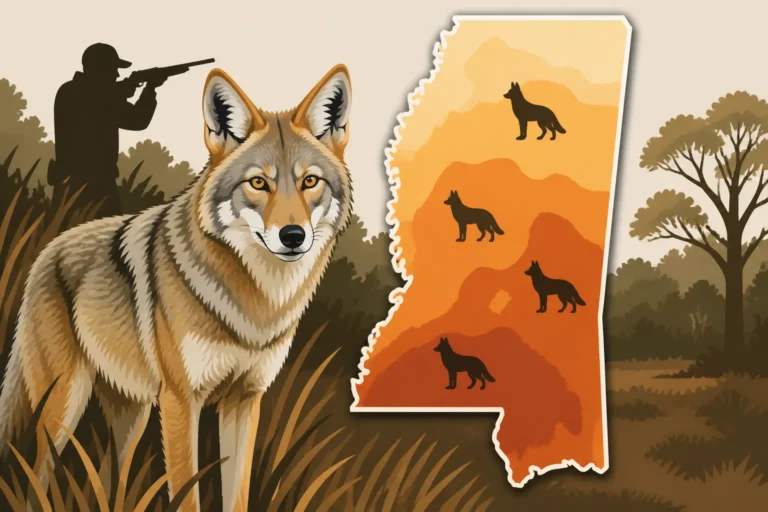
Mississippi coyote range and density details how adaptable canids colonized the state throughout the 1970s and subsequent decades.
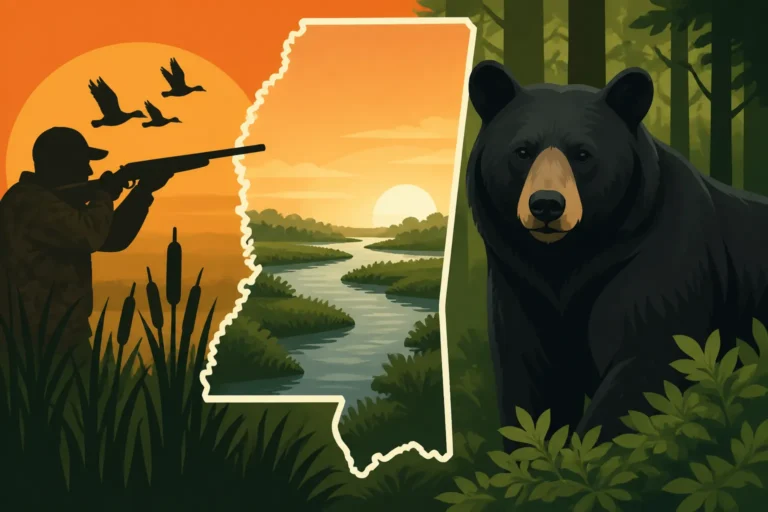
Mississippi black bears returning to the Delta and Southern river systems through natural recolonization from neighboring states.
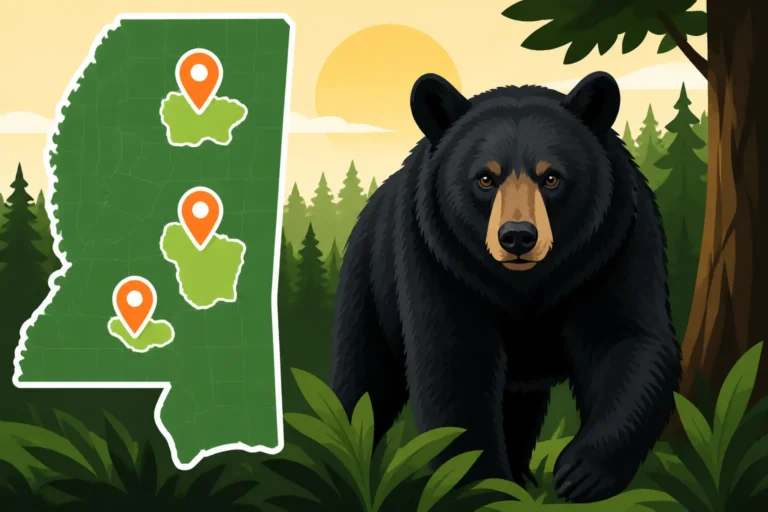
Mississippi black bear population growth and recovery explained, detailing historical decline, conservation efforts, and current habitat distribution.
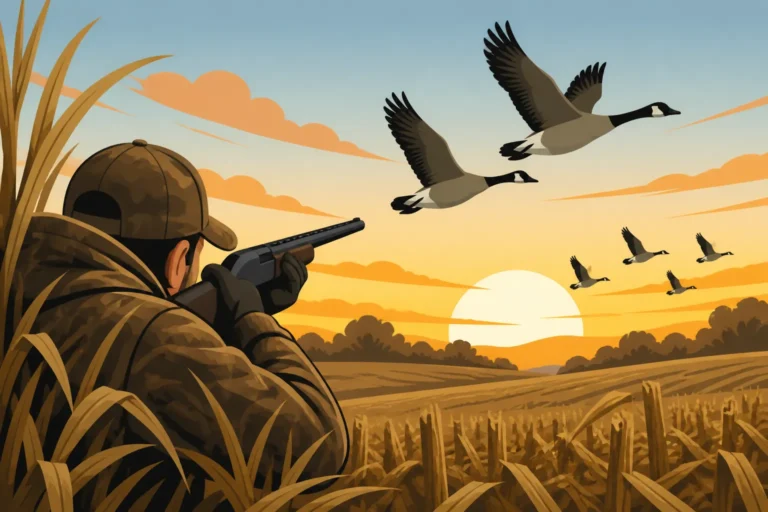
Mississippi farmland Canada geese populations include wary migratory flocks and predictable year round resident birds feeding on waste grain.
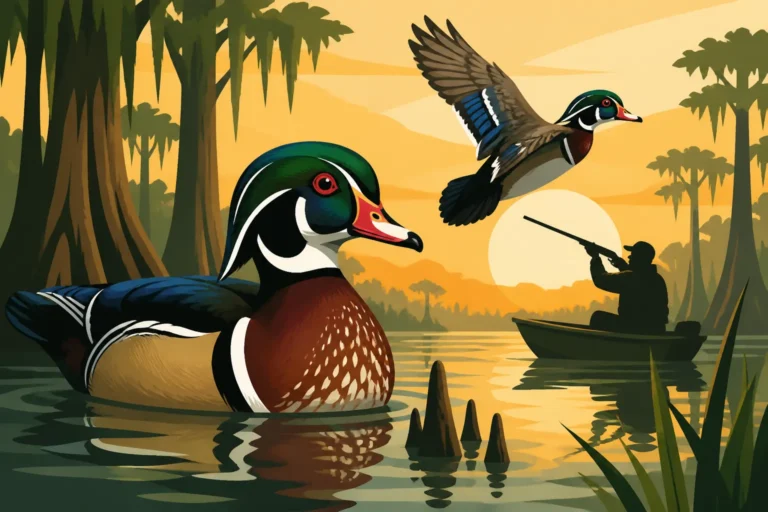
Practical strategies explain how to successfully target wood ducks in Mississippi River swamps and flooded bottomland hardwoods.
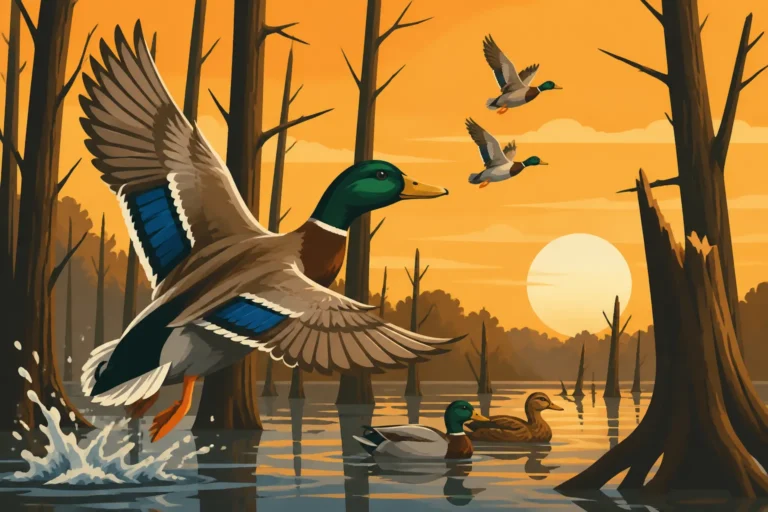
Mississippi Delta flooded timber hunting strategies, water level fluctuations, and bottomland hardwood forest dynamics for waterfowl.
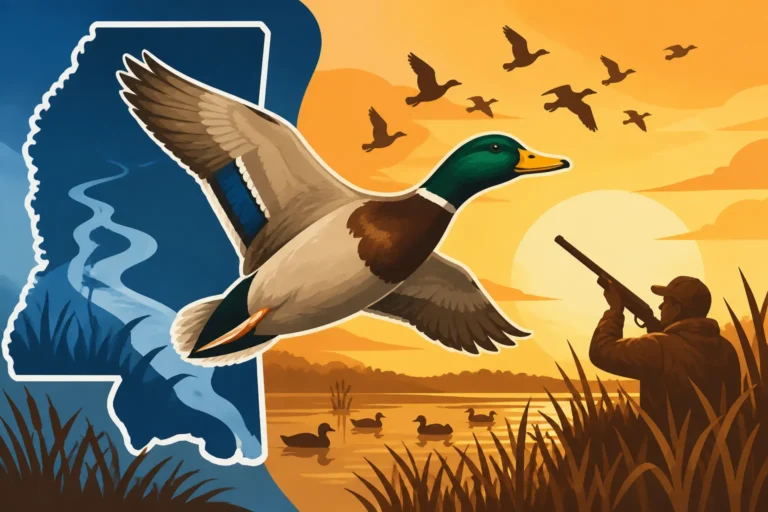
Mississippi waterfowl migration timing details duck and goose movements through the Mississippi Flyway to help hunters predict arrival phases.
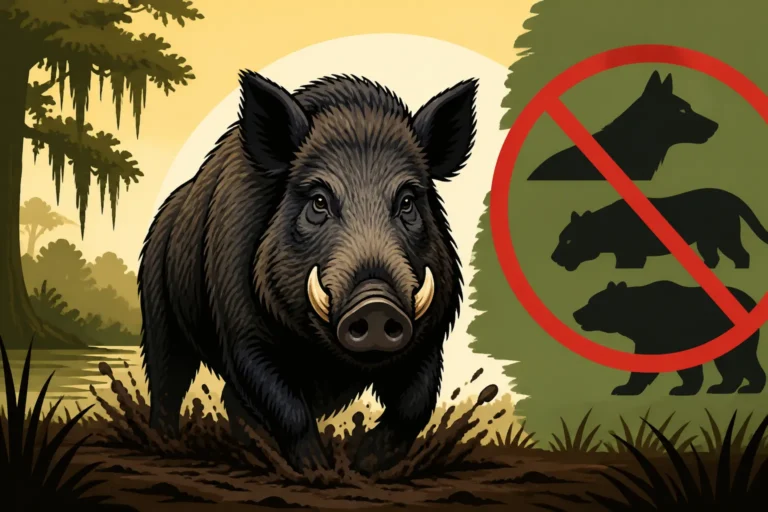
Mississippi feral hogs lack natural predator checks because sows breed at six months, producing litters of up to twelve piglets.
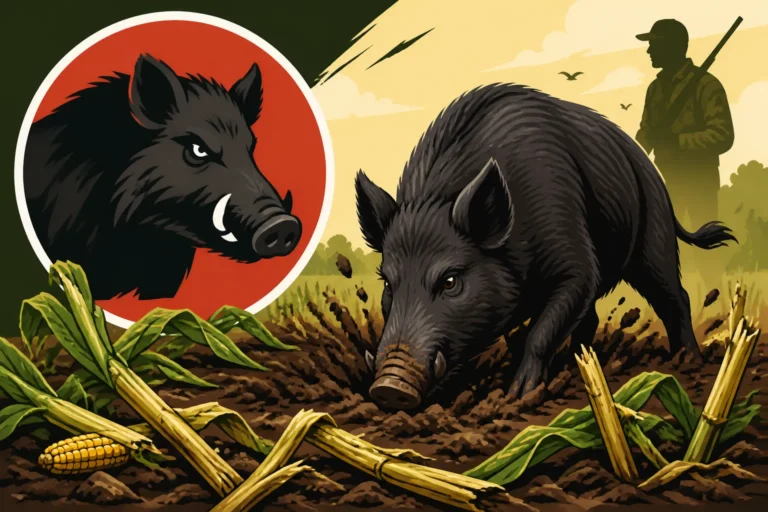
Feral hog proliferation in the Mississippi Delta causes severe crop destruction, economic losses, and rapid population growth.
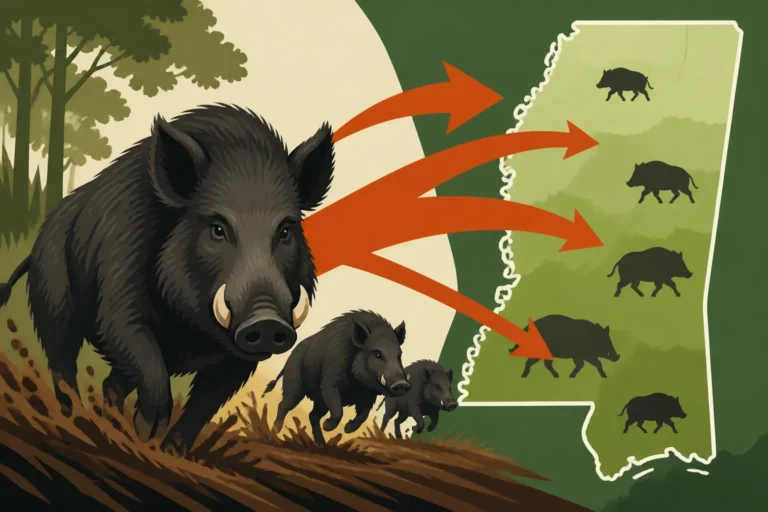
Wild hog populations across Mississippi grew rapidly due to historical escapes, mild climates, and high reproductive rates.