Where Mississippi Black Bears Are Recovering
It's truly something to witness the return of wildlife to areas they once called home, but for many hunters in Mississippi, the growing presence of black bears can feel a bit… unexpected. While it’s exciting for conservation, encountering these powerful animals in the deer woods raises questions about their numbers, where they're settling in, and what it all means for our outdoor pursuits. This guide aims to clear up the mystery, diving deep into the incredible comeback of Mississippi's black bears and exactly where you might find them.
The Return of the Mississippi Black Bear: A Conservation Success Story
For a long time, the idea of seeing a black bear in Mississippi was almost unthinkable. Generations of hunters grew up hearing tales of bears from their grandfathers, but it was largely relegated to history books, a distant memory of a wilder time. However, thanks to dedicated conservation efforts and natural expansion from neighboring states, these majestic creatures are steadily making a comeback, transforming what was once a rare sighting into an increasingly common occurrence in certain parts of our state. It's a testament to the resilience of nature and the impact of focused conservation.
Historical Decline and Near Extirpation
Back in the day, before extensive logging and agricultural expansion transformed the landscape, black bears were prevalent throughout much of Mississippi. They roamed the vast bottomland hardwood forests, the dense piney woods, and the sprawling swamps that defined our state. However, as human populations grew, so did the demand for land and resources. Unregulated hunting, coupled with widespread habitat destruction – think massive timber clear-cutting and the draining of wetlands for farming – pushed the black bear to the brink of extirpation in Mississippi by the early 20th century. By the 1930s, the species was considered almost entirely gone, with only scattered, isolated pockets remaining, primarily in the most remote corners of the Delta and the deepest southern swamps. It was a stark reminder of how quickly even a large, adaptable animal can disappear without protective measures.
Early Conservation Efforts and Reintroductions
Recognizing the dire situation, conservationists and the Mississippi Department of Wildlife, Fisheries, and Parks (MDWFP) began exploring ways to bring bears back. While Mississippi did not undertake large-scale reintroduction programs like some other states, early efforts focused on protecting the few remaining native bears and supporting natural dispersal from robust populations in neighboring Louisiana and Arkansas. This involved educating the public, enforcing anti-poaching laws more strictly, and, crucially, preserving and restoring critical habitat where possible. Places like the Tensas River National Wildlife Refuge in Louisiana, just across the Mississippi River, became a crucial source, with bears slowly but surely swimming the river or crossing during low water periods, venturing back into the fertile bottomlands of our state. The slow, painstaking work of habitat improvement and protection laid the groundwork for the gradual, natural resurgence we're seeing today, proving that sometimes, the best intervention is simply to give nature a chance to heal itself.
Current Population Status and Growth
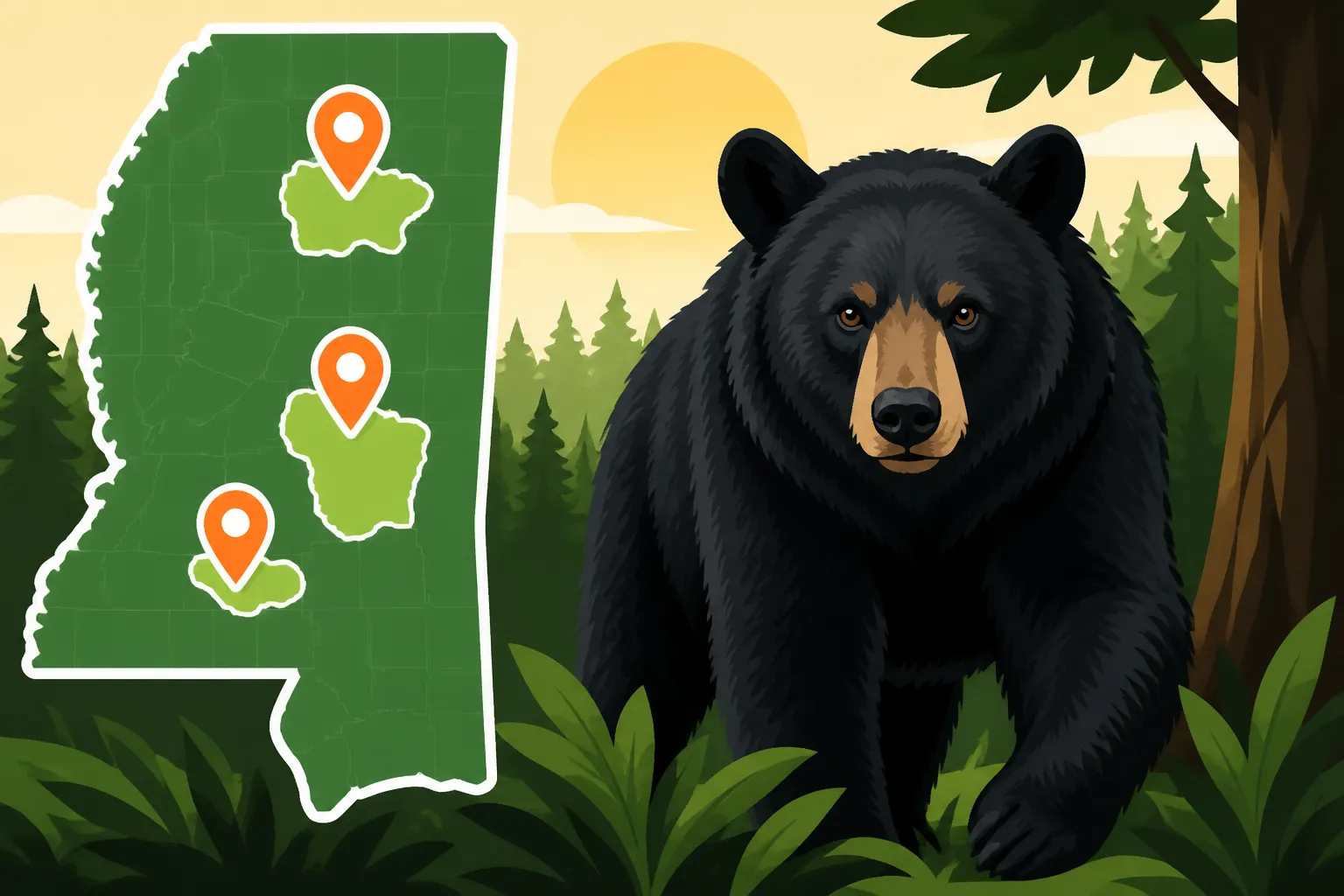
Today, the picture is far more optimistic. While we're still a long way from bears being ubiquitous across Mississippi, the population is undoubtedly growing and expanding its range. The MDWFP actively monitors these populations, often through research programs like the Mississippi Black Bear DNA Tracking Study to get a clearer picture of their health and distribution. Bears are naturally recolonizing suitable habitats, primarily from two distinct sources, creating two main population hubs within the state. These populations are not isolated; there’s evidence of genetic exchange, indicating healthy movement between them. This ongoing growth is an exciting development for biodiversity in Mississippi, though it also brings new considerations for landowners and hunters who now share the landscape with these magnificent animals.
Understanding Mississippi's Black Bear Populations: Two Distinct Groups
When we talk about black bears in Mississippi, it's not a single, uniform population scattered evenly across the state. Instead, biologists and wildlife enthusiasts generally recognize two primary, and somewhat distinct, population groups. These groups are separated geographically but are both critical to the overall recovery narrative of the species in Mississippi. Understanding these distinctions helps shed light on their differing habits, preferred habitats, and the unique challenges and opportunities each population presents.
The Delta Region Bear Population
Perhaps the most well-known and robust of Mississippi's bear populations resides within the vast, fertile bottomland hardwood forests of the Mississippi Delta. These bears are primarily immigrants from Louisiana and Arkansas, crossing the Mississippi River and finding refuge in places like the Delta National Forest, Panther Swamp National Wildlife Refuge, and Yazoo National Wildlife Refuge. The Delta is truly a unique ecosystem, offering everything a bear could need: dense, secluded cover in the form of mature hardwoods, abundant mast crops like acorns and pecans, and a rich variety of berries and other vegetation.
Within this region, you'll find bears primarily sticking to the larger tracts of public land and the deep, often flooded, river bottoms. They thrive in areas that are less disturbed by human activity, moving through sloughs, along bayous, and into agricultural fields at night for easy foraging. Hunters pursuing deer or ducks in areas like Delta National Forest Hunting or the Mahannah Wildlife Management Area are increasingly likely to encounter bear sign, or even a bear itself. These bears tend to be larger, often mirroring the size and health of their neighboring Louisiana cousins, a testament to the rich food sources available in the Delta's fertile soils.
The South Mississippi Swamp Bear Population
Further south, in the humid, tangled swamps and pine forests of coastal and south-central Mississippi, lives the second distinct bear population. These bears are believed to have descended from a small, isolated native population that managed to hold on in the most remote areas, augmented by some natural dispersal from Alabama. Their habitat is quite different from the Delta's bottomlands, characterized by dense palmetto thickets, cypress-tupelo swamps, and longleaf pine forests with thick undergrowth.
Areas like the Pascagoula River Basin and surrounding swampy tracts, including the Pascagoula River Wildlife Management Area and parts of the DeSoto National Forest, are strongholds for these southern bears. They are incredibly elusive, navigating the challenging terrain with ease, often feeding on gallberries, saw palmetto berries, and various invertebrates. While historically smaller and more isolated, this population is also showing signs of growth and expansion. For anyone heading into these southern swamps, especially for small game or turkey, being aware of their presence is becoming increasingly important.
Bears Moving Into Central Mississippi
What's really fascinating in recent years is the increasing evidence of Bears Moving Into Central Mississippi. These aren't necessarily new, third populations, but rather dispersing individuals from both the Delta and Southern populations seeking new territories. Young males, in particular, will strike out to find new homes, often traveling surprising distances. They follow river corridors, move through fragmented woodlands, and sometimes even traverse agricultural fields, leading to sightings in counties where bears haven't been seen in generations.
These pioneering bears face unique challenges, as the habitat is often more fragmented and closer to human development. Encounters on rural roads are becoming more common, and occasionally, a curious bear might wander into a suburban area. This expansion into central Mississippi highlights the overall health and growth of the state's bear populations, signaling a significant shift in the state's wildlife landscape. While exciting for conservation, it also underscores the growing need for public education on living and coexisting with bears, especially as they venture into less traditional bear country.
Mississippi Black Bear Population Hubs Overview
| Population Hub | Primary Range | Key Habitats | Primary Food Sources | Origin of Population |
|---|---|---|---|---|
| Delta Region | Western MS, adjacent to Mississippi River | Bottomland Hardwood Forests, River Swamps | Acorns, Pecans, Berries, Agricultural Crops | Dispersal from LA & AR |
| South Mississippi | Southern MS, Coastal Plain | Cypress-Tupelo Swamps, Pine Forests, Thickets | Gallberries, Saw Palmetto, Invertebrates, Nuts | Remnant native population & AL dispersal |
| Central Mississippi | Dispersing individuals statewide | Fragmented Woodlands, River Corridors | Opportunistic (fruits, nuts, small animals) | Dispersal from Delta & Southern Hubs |
Prime Habitats and Why Bears Love Them
Black bears aren't just popping up anywhere; their recovery is intrinsically tied to the availability of specific types of habitat that provide everything they need to survive and thrive. Understanding these preferred environments is key to knowing where you might potentially encounter a bear, whether you're deer hunting, turkey hunting, or just enjoying the outdoors. It's about recognizing the landscape features that offer both sustenance and security for these magnificent animals.
Bottomland Hardwoods and Riverine Systems
The sprawling bottomland hardwood forests, particularly those along major river systems like the Mississippi River and its tributaries, are absolute magnets for black bears. These areas, rich in biodiversity, provide an incredible buffet of food sources throughout the year. Think about the abundant acorn crops from various oak species, the pecans from towering trees, and the seasonal bounty of berries like blackberries, muscadines, and various other soft mast. These habitats are often characterized by a dense understory, providing crucial cover, and are interwoven with sloughs, bayous, and oxbow lakes, offering constant access to water.
For a bear, these areas are a five-star resort. The moisture-rich soils support lush vegetation, and the mature trees offer denning sites, whether in hollow logs or tree cavities. Hunters scouting for deer or hogs in these areas, perhaps using a detailed mapping app like GoHunt to identify key terrain features and dense cover, should also keep an eye out for bear sign. The deep, wet woods, often inaccessible to vehicles, offer the seclusion that bears crave, allowing them to move and feed undisturbed.
Dense Swamps and Remote Forested Tracts
Beyond the river bottoms, bears also thrive in the impenetrable dense swamps and remote, expansive forested tracts that still exist in parts of Mississippi. These aren't necessarily the picture-perfect, manicured pine plantations, but rather areas of thick, tangled undergrowth, cypress stands, and areas that are perpetually wet. These swampy regions offer a level of security that few other habitats can provide, making them ideal for raising cubs and retreating from human disturbance.
Consider the deep, mucky areas within the Homochitto National Forest Hunting or the vast wetlands near the Gulf Coast. These places, while challenging for humans to navigate, are perfect for bears seeking solitude. The thick vegetation offers year-round cover, and the abundant water sources mean a consistent supply of food like aquatic plants, fish, and small invertebrates. These remote havens act as core breeding grounds, allowing populations to expand slowly outward into more fragmented landscapes.
Foraging Opportunities: Acorns, Berries, and Agriculture
A bear's life revolves around food, and their movements are largely dictated by seasonal foraging opportunities. A diverse diet is crucial for building fat reserves needed for hibernation and reproduction. Acorns, particularly from red oaks which drop later in the fall, are a powerhouse food source, providing crucial calories right before winter. When acorns are plentiful, bears will concentrate their activity in mast-heavy areas. Conversely, a poor acorn year can force them to travel further and rely more heavily on other food sources, including agricultural crops.
Throughout the spring and summer, berries become a primary focus. Blackberries ripen in early summer, followed by blueberries, muscadines, and other soft mast through late summer and early fall. Bears will spend hours stripping bushes and climbing trees for these sugary treats. It's not uncommon for them to venture out of the deep woods and into agricultural fields, especially cornfields or soybean fields, under the cover of darkness. This proximity to human activity can sometimes lead to unexpected encounters. Hunters should be mindful of these feeding patterns; if you're Hunting After a Poor Acorn Year, for example, deer and bears alike might be more concentrated around alternative food sources or moving more widely in search of them.
Encountering Bears in the Field: What Hunters Need to Know
While the presence of black bears is a fantastic conservation story, it also means that hunters need to be prepared for the possibility of an encounter. It can be startling to come across a large animal like a bear, especially when you're focused on another game species. Understanding bear behavior, knowing how to react, and respecting their space are paramount to ensuring a safe and positive experience for both you and the bears.
Identifying Bear Sign and Behavior
Even if you don't see a bear directly, you might find evidence of their presence. Learning to identify bear sign is an invaluable skill, especially if you're hunting in known bear country like the Delta or the southern swamps. Tracks are a classic indicator: bears have five toes on each foot, and their heel pad on the hind foot is often larger and more human-like than a dog's. Claw marks might or might not show depending on the substrate. Scat (droppings) can also tell a story, often containing berries, seeds, or insect parts, reflecting their varied diet. It can range in consistency from firm to quite loose.
Other signs include tree rubs, where bears scratch or rub against trees, often to mark territory or remove parasites. You might see claw marks on trees where they've climbed, or even overturned rocks and logs where they've rooted for insects. Observing these signs gives you an idea of bear activity in an area. When they're feeding, bears are usually focused and can be surprisingly quiet despite their size. They generally prefer to avoid humans, so if you're making noise as you move, you're less likely to surprise one. However, if you come across fresh sign, especially with cubs nearby, it's a good reminder to be extra vigilant and aware of your surroundings.
Safety Protocols and Coexistence
The most important thing to remember is that black bears are generally not aggressive. Most encounters result in the bear retreating quickly. However, like any wild animal, they can be unpredictable, especially if they feel threatened, if cubs are present, or if they have become habituated to human food sources. The golden rule is: never approach a bear, and never, ever feed a bear, either intentionally or unintentionally. A fed bear is a dead bear, as habituation often leads to conflicts that necessitate removal or euthanasia.
If you encounter a bear:
- Stay calm: Avoid sudden movements.
- Make yourself look big: Stand tall, wave your arms, make noise.
- Back away slowly: Do not run, as this can trigger a chase response.
- If a bear approaches: Stand your ground, continue to make noise, and be prepared to use bear spray if you have it.
- If a bear charges: It's often a bluff charge. Stand firm. If it makes contact, fight back vigorously.
Always store food and scented items securely, especially when camping or hunting in areas with known bear activity. Understanding What to Do If You See a Mississippi Black Bear is crucial, not just for your safety, but for the long-term well-being of the bears themselves. Coexistence is about respect and responsible behavior on our part.
Legal Status and Protection
It's absolutely critical for every hunter in Mississippi to understand that black bears are a fully protected species in our state. There is no open hunting season for bears in Mississippi, and taking one is strictly illegal, carrying severe penalties. This protection has been a cornerstone of their recovery. While there have been discussions and even legislative attempts, such as The 2026 Bill That Almost Reopened Bear Hunting, bears remain off-limits to hunters.
The MDWFP and other conservation agencies are dedicated to allowing the population to continue to grow and expand. For hunters, this means that even if you encounter a bear during deer season or turkey season, your focus must remain on your legal game. It's an exciting time to be in the Mississippi woods, sharing them with recovering populations of black bears, but it's a privilege that comes with the responsibility of adhering to all wildlife regulations and respecting their protected status. Always consult the latest MDWFP regulations before heading afield to ensure you're up-to-date on all protected species.
The Future of Black Bears in Mississippi: Challenges and Outlook
The story of the black bear in Mississippi is a hopeful one, a testament to what conservation can achieve. However, like any wildlife recovery, it's not without its ongoing challenges. As bear populations grow and expand into more areas, the interactions between bears and humans become more frequent, bringing both new opportunities for wildlife viewing and potential conflicts that need careful management. The future of these magnificent animals in our state depends on how we, as a community of outdoor enthusiasts and citizens, choose to manage this success.
Habitat Fragmentation and Human-Wildlife Conflict
One of the most significant long-term challenges for Mississippi's black bears is habitat fragmentation. While there are still large tracts of wild land, particularly in the Delta and the southern swamps, development, road construction, and agricultural expansion continue to break up and reduce available bear habitat. This forces bears into smaller, more isolated patches of woods, increasing their chances of encountering humans, whether in rural backyards, crossing busy highways, or foraging near agricultural operations.
These increased interactions can lead to human-wildlife conflicts, ranging from bears raiding trash cans and bird feeders to more serious incidents involving property damage or, in rare cases, aggressive encounters. These conflicts are often fueled by misinformation or fear, making public education campaigns from MDWFP vital. Managing these issues requires a multi-faceted approach, including promoting bear-wise practices among residents, maintaining and improving habitat corridors, and continued monitoring of bear movements. Effective planning is crucial to prevent these challenges from becoming insurmountable obstacles to further recovery.
Managing an Expanding Population Without Hunting
Currently, Mississippi manages its expanding black bear population primarily through conservation, research, and public education, given their fully protected status. The MDWFP's approach focuses on monitoring population dynamics, understanding movement patterns through studies like the Mississippi Black Bear DNA Tracking Study, and responding to human-bear conflicts with non-lethal methods whenever possible. This passive management strategy relies heavily on the bears' natural instincts to avoid humans and the ability of the landscape to support them.
As the population continues to grow and expand, the question of active population management, potentially including regulated hunting, becomes a recurring topic of discussion. States with robust bear populations often use hunting as a management tool to stabilize populations, reduce conflicts, and provide funding for conservation. However, given Mississippi's history and the current status of its recovering population, any shift in management strategy would require extensive scientific data, careful public discourse, and strong legislative support. For now, the focus remains on protection and allowing natural expansion.
The Ongoing Debate: Should Mississippi Have a Bear Season?
The recovery of the black bear naturally leads to a complex and often passionate debate about the possibility of a future hunting season. On one side, proponents argue that a regulated bear hunt could provide a crucial revenue stream for MDWFP through license sales, fund further bear research and habitat management, and help manage populations in areas experiencing increased human-bear conflicts. They might point to neighboring states like Arkansas and Louisiana, which have successful, scientifically managed bear hunts.
On the other side, many conservation groups and members of the public feel that Mississippi's bear population is still too fragile to sustain a hunting season. They emphasize that the numbers are still relatively low compared to historical figures and that the focus should remain solely on continued recovery and expansion. The memory of Why Mississippi Bears Stayed Protected So Long is still fresh, rooted in decades of near extirpation. This is a conversation that will likely evolve as the bear population continues its incredible comeback. Ultimately, any decision about a hunting season would need to be grounded in sound scientific data regarding population health, growth rates, and carrying capacity of available habitat, ensuring the long-term viability of black bears in Mississippi.
Disclaimer
The information provided in this article is for general guidance and informational purposes only. Hunting regulations and wildlife statutes can change. Always consult the official Mississippi Department of Wildlife, Fisheries, and Parks (MDWFP) website or current hunting digest for the most up-to-date and accurate regulations, season dates, license requirements, and any specific rules regarding protected species like black bears. Compliance with all state and federal hunting laws is the responsibility of the individual hunter.