Mississippi Feral Swine Genetics and Origin
Mississippi feral swine genetics and historical origins explain how European exploration and escaped domestic pigs created resilient populations.
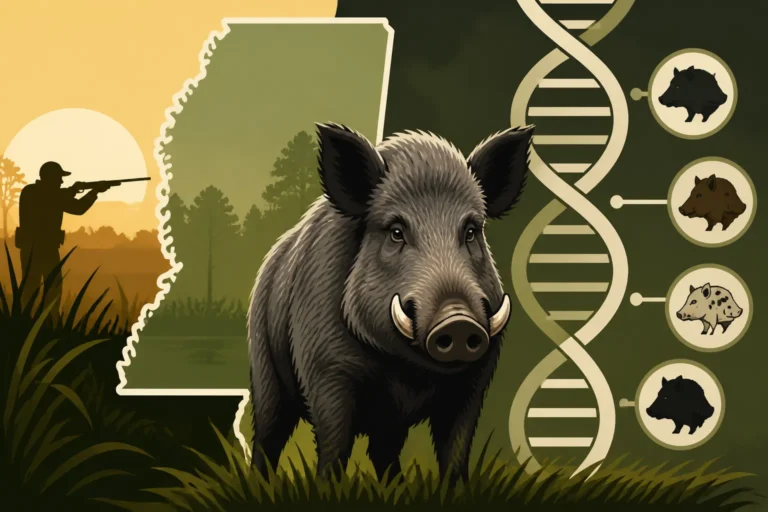
Mississippi feral swine genetics and historical origins explain how European exploration and escaped domestic pigs created resilient populations.
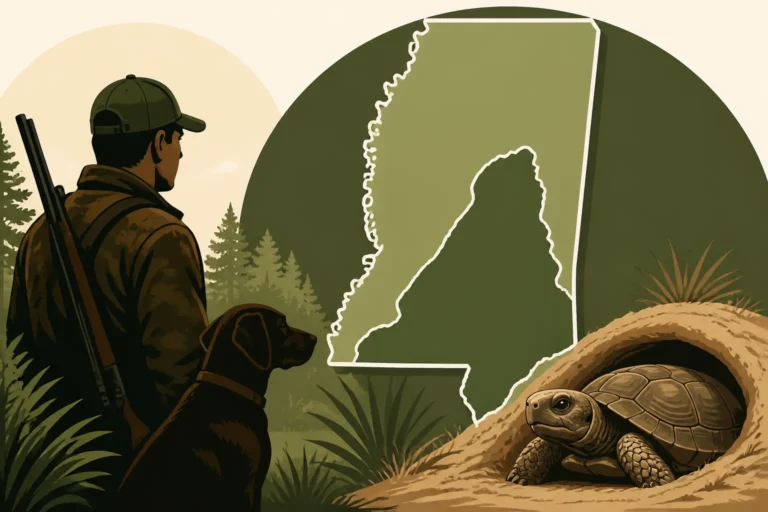
Mississippi gopher tortoise range details explain where these reptiles live and why their deep underground burrows support pine forest ecosystems.
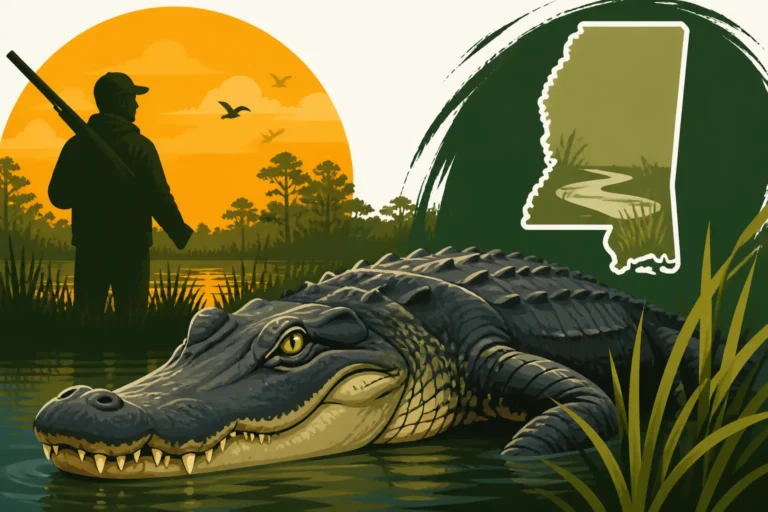
Mississippi alligator populations recovered from near extinction through decades of successful conservation and strict protection laws.
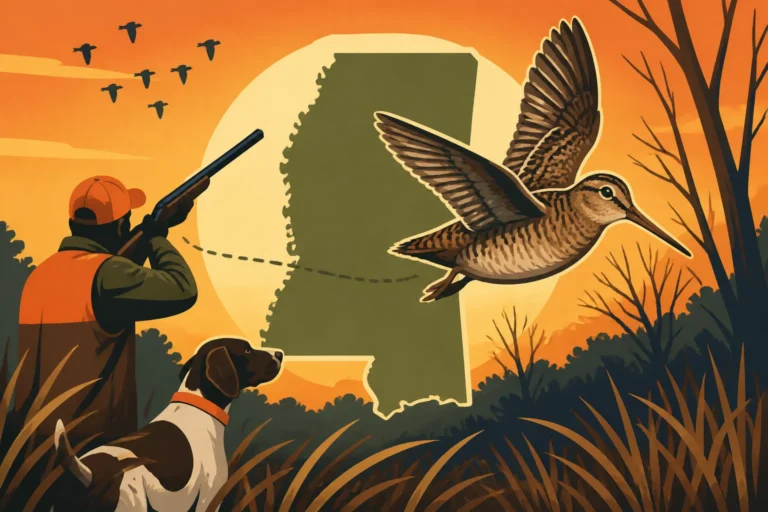
Mississippi serves as a critical wintering ground for migrating American Woodcock, offering mild weather and fertile bottomland hardwood forests.
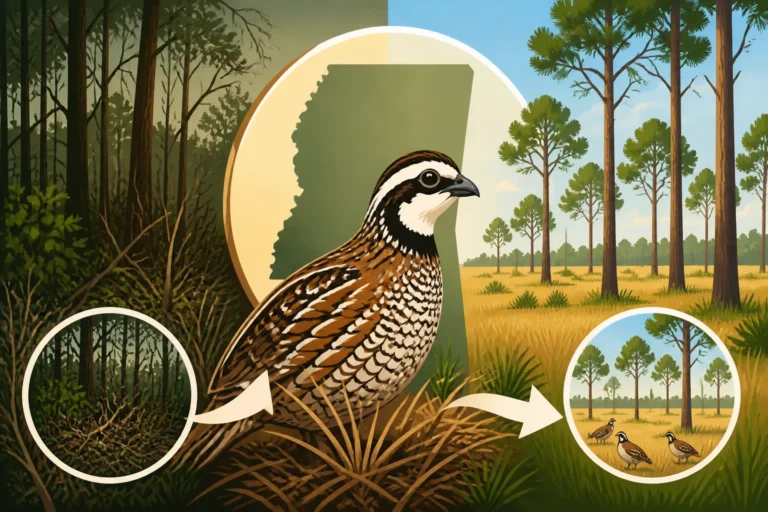
Managed pine forestry techniques in Mississippi can restore bobwhite quail habitats and reverse their historic population decline.
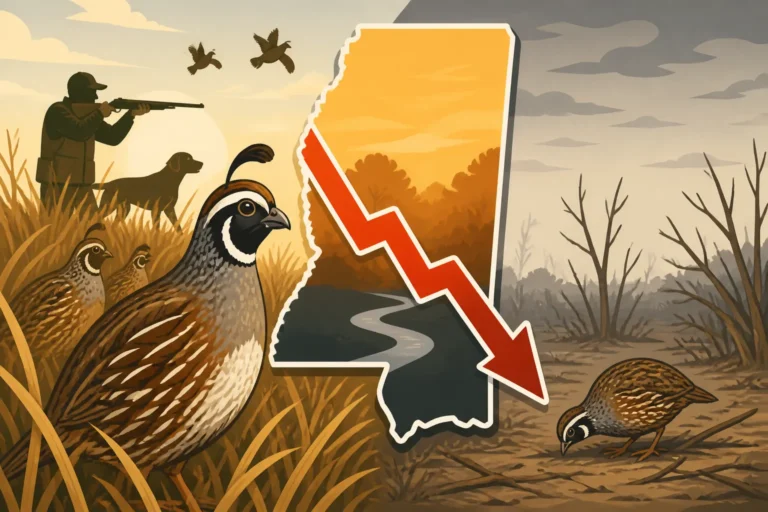
Mississippi bobwhite quail populations declined sharply due to changing land use, agricultural intensification, and dense pine timber plantations.
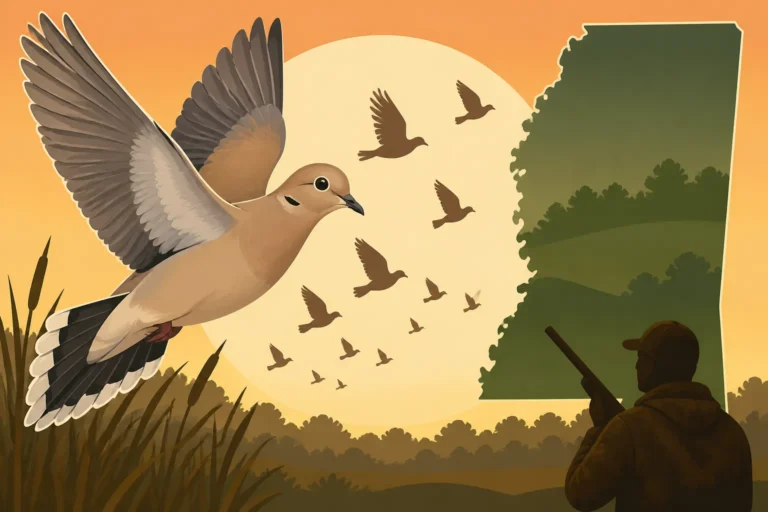
Mississippi mourning dove migration timing explains resident birds and northern flights moving south through autumn across the flyway.
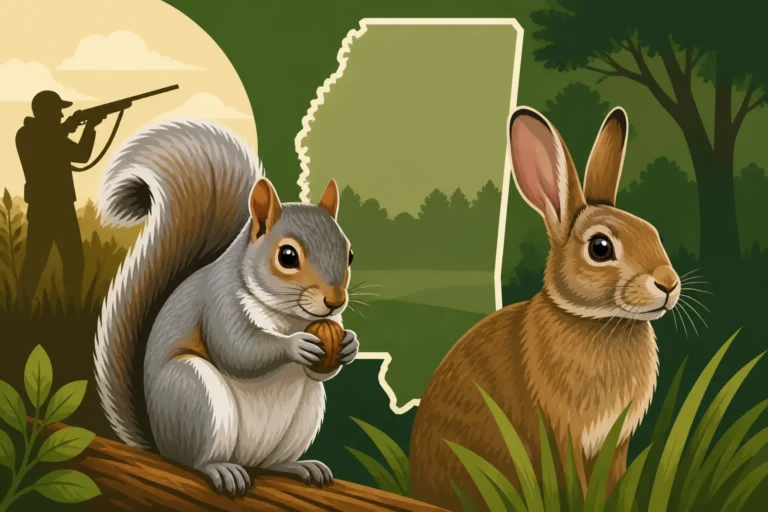
Mississippi squirrel and rabbit populations remain stable statewide, supported by high reproductive rates and monitored by wildlife officials.
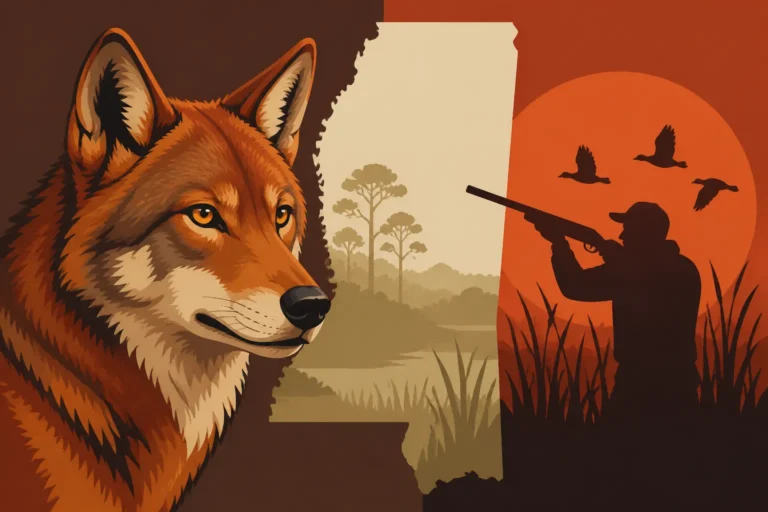
Red wolf history in Mississippi details the historic range, physical traits, and ecological impact of the state predator.
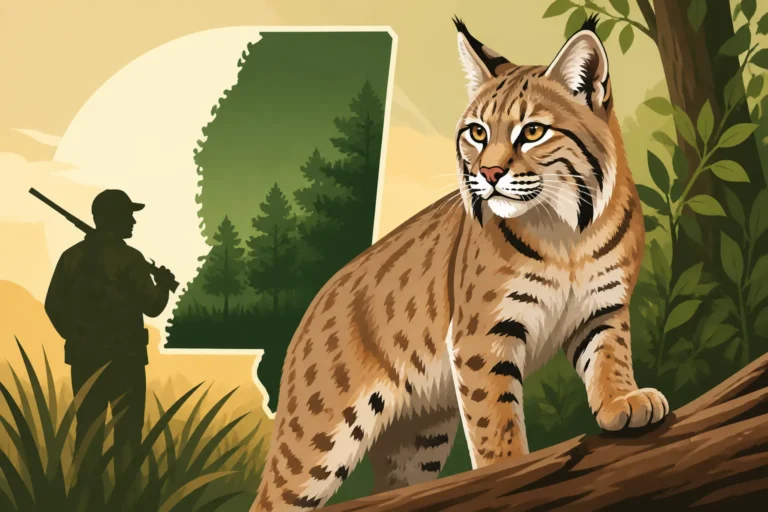
Mississippi bobcats are rebounding across forests and swamps, driven by adaptability, changing land management, and growing resilience.