Mississippi Deer Camps and Hunting Clubs
There’s nothing quite like the camaraderie and shared passion found within Mississippi’s deer camps and hunting clubs. For many, the idea of chasing whitetails in the Magnolia State conjures images of rustic cabins, late-night storytelling, and the collective pursuit of big bucks. However, navigating the world of deer camps and hunting clubs can feel a bit daunting, especially if you’re new to the scene or looking to switch up your hunting grounds. This guide is here to break down everything you need to know about these integral parts of Mississippi's hunting culture, from what defines a camp to how to find the perfect club for your hunting style.
The Enduring Appeal of Mississippi Deer Camps
Ah, the deer camp. It’s more than just a place to hang your hat after a long day in the woods; it’s the heartbeat of Mississippi hunting for countless folks. For many of us, the memories made at deer camp are as cherished as any trophy on the wall. It’s where stories are born, where friendships are forged over a crackling fire, and where the next generation learns the ropes.
What Defines a "Deer Camp" in Mississippi
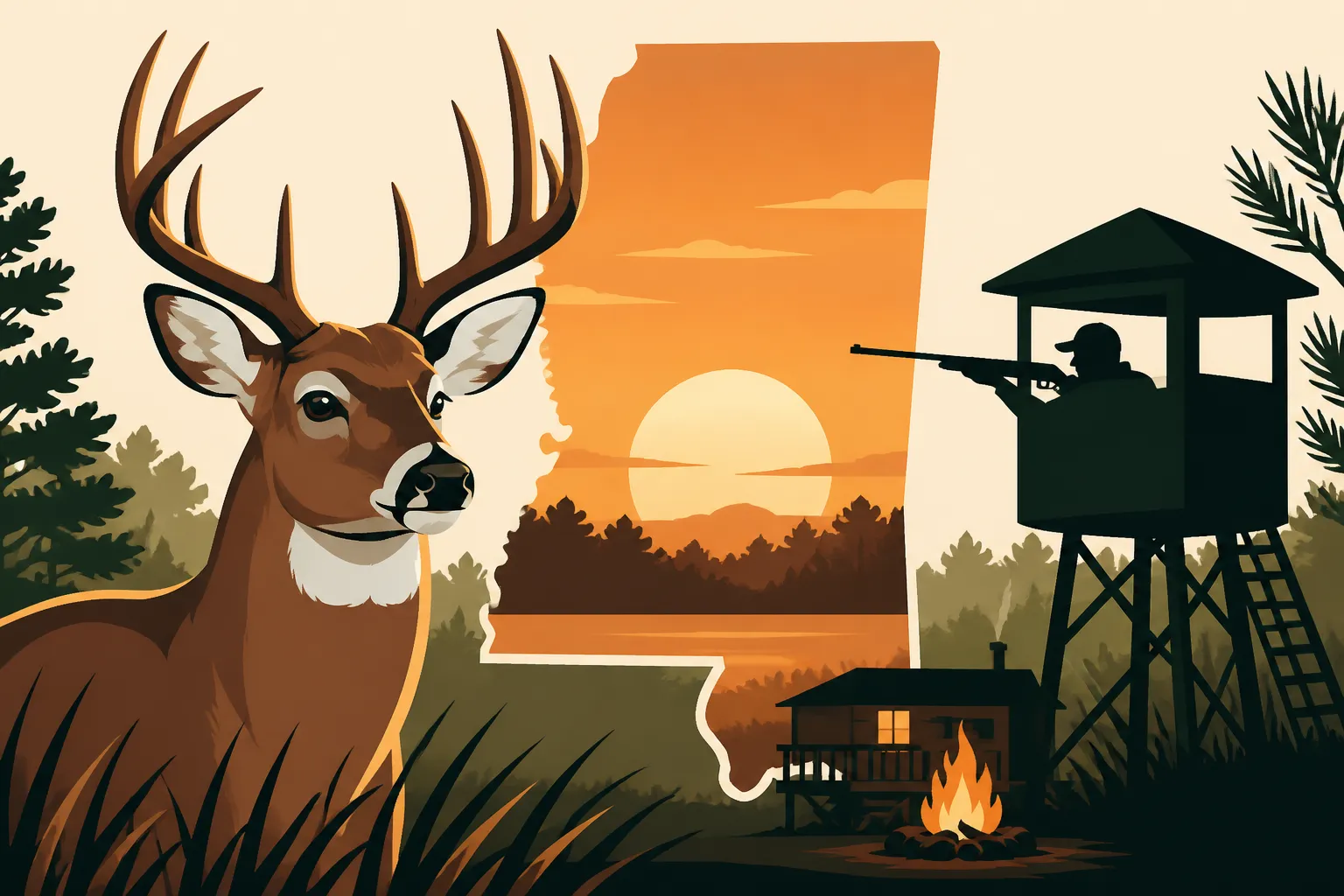
When we talk about a "deer camp" in Mississippi, we’re often referring to a central gathering spot, typically a cabin or a trailer, on or very near a piece of hunting property. It's the hub from which all hunting activity radiates. These camps range from elaborate lodges with all the amenities you could imagine to a simple, cozy trailer nestled deep in the woods, providing just enough shelter and a place to cook up some venison chili. The essence isn't luxury; it's functionality and fellowship.
Picture this: you've spent all morning in a biting north wind, the kind that whips through the hardwoods and makes you question your life choices. You trudge back to camp, cold and probably empty-handed, but the smell of coffee and bacon is already wafting from the kitchen. Inside, buddies are reliving their morning sits, speculating about deer movement, and busting each other’s chops. That shared experience, the debriefing of the hunt, the planning for the evening sit—that’s the real currency of a Mississippi deer camp. It’s a place where you can recharge, strategize, and simply enjoy the company of like-minded individuals who understand the deep draw of the wild. It’s where you truly feel like you’re part of something bigger than just your individual hunt. We even have a unique tradition around it, celebrated in Mississippi Deer Camp Traditions.
The Social and Generational Aspects
The social fabric of Mississippi deer camps is incredibly rich. For many families, hunting camp is a multi-generational affair. Grandfathers pass down tracking tips to their grandsons, mothers teach daughters how to properly field dress a deer, and lifelong friendships are cemented over shared successes and failures. It’s not uncommon to find camps where families have been hunting the same property for decades, sometimes even a century, each generation adding their own stories to the camp's lore.
This generational transfer of knowledge and tradition is vital. Kids who grow up coming to camp learn respect for the land, for the animals, and for the shared heritage of hunting. They see firsthand the responsibility that comes with putting food on the table, and they learn patience and perseverance. Beyond family, these camps foster incredible friendships. You might meet someone from a completely different walk of life, but once you’re sharing a cold drink around the fire, discussing optimal stand placement or the best time to run a grunt tube, those differences fade away. The bonds formed in a deer camp often last a lifetime, forged through early mornings, tough hunts, and the sheer joy of being outdoors together.
Understanding Mississippi Hunting Club Structures
While "deer camp" evokes a certain feeling, "hunting club" often refers to the more formal organization that manages the land and the hunting itself. These clubs are the backbone of much of Mississippi's private land hunting, providing access and structure for hunters who might not own large tracts of land themselves. Understanding their different structures is key to finding the right fit.
Leased Land Clubs vs. Owned Land Clubs
The vast majority of hunting clubs in Mississippi operate on leased land. This means a group of individuals pools their resources to lease a tract of timber company land, private farmland, or other suitable property from a landowner for a set period, usually a year. The club then manages access, rules, and maintenance on that leased property. This model makes hunting accessible to many who couldn't afford to buy thousands of acres of prime hunting ground. The advantage here is often the flexibility to move to a different lease if the current one isn’t producing, or if the landowner decides to sell. Mississippi Hunting Lease Costs can vary wildly based on location, habitat, and size.
On the other hand, some clubs hunt on land that the club members, or the club itself, actually own. These "owned land clubs" are less common due to the significant upfront investment, but they offer unparalleled stability and control. Members have a direct stake in the property, leading to long-term habitat improvement projects, established infrastructure like roads and food plots, and a deeply ingrained sense of stewardship. The membership tends to be more exclusive and the initial buy-in much higher, but for those seeking a permanent hunting home, it’s an attractive option. The club's "territory size" is a significant factor in either type of club, dictating how many hunters can comfortably operate and how much game can be sustained, which is often discussed when looking at Mississippi Hunting Club Territory Sizes.
Membership Tiers and Governance
Hunting clubs often have different types of memberships to accommodate various needs and budgets. You might find full memberships, which grant complete hunting rights and a vote in club decisions, often including a dedicated stand area or access to all common areas. Then there are sometimes associate or youth memberships, which might come with restricted access, lower dues, or require supervision. Some clubs even offer "guest day" rules, allowing a member to bring a non-member for a day hunt, although this usually comes with a fee and specific limitations, as detailed in Guest Day Rules at a Mississippi Hunting Club.
Most clubs are run by a board of directors or a small committee of elected members. They set the rules, manage the budget, coordinate work days, and handle any disputes. This democratic structure means members have a say in how the club operates, fostering a sense of ownership and responsibility. It’s crucial that the governance is fair and transparent, as internal conflicts can quickly sour the hunting experience for everyone involved. A well-run club often has clear bylaws and a strong leadership team committed to maintaining a quality hunting experience and preserving the club's long-term health.
Common Club Rules and Expectations
Joining a hunting club means agreeing to a set of rules, and these can vary greatly from one club to another. However, some common themes emerge:
- Game Harvest Limits: Most clubs implement stricter limits than state regulations to manage their deer herd. This might include specific antler restrictions (e.g., minimum beam length, number of points), limits on antlerless deer, or a total buck quota for the club. These rules are usually designed to improve the age structure and quality of the deer on their property.
- Stand Placement and Access: To prevent overcrowding and ensure fair hunting opportunities, clubs often have rules about where stands can be placed, how far apart they must be, or even assign specific hunting zones to individual members.
- Work Days: Expect mandatory work days. These are crucial for maintaining food plots, clearing shooting lanes, fixing roads, and generally improving the property. Participating isn’t just about putting in your time; it’s about contributing to the collective good and building fellowship with other members.
- Guests and Family: Policies on bringing guests or family members can be strict. Some clubs allow immediate family (spouse, children) to hunt under a member's permit, while others require separate memberships or guest fees. Always clarify these rules upfront to avoid awkward situations.
- Safety and Ethics: Naturally, firearm safety is paramount. Beyond that, ethical hunting practices, such as proper shot placement, blood trailing protocols, and respectful treatment of harvested game, are usually enshrined in club rules. Adherence to Mississippi Deer Season Structure Explained is also expected.
It’s not just about what you can’t do; it’s about what you should do. Being a good club member means respecting the rules, your fellow hunters, and the land. It means being a good neighbor, sharing your knowledge, and contributing positively to the overall club atmosphere.
The Costs and Commitments of Joining a Club
Let’s be real, hunting can be an expensive hobby, and joining a hunting club is a significant financial and time commitment. It's not just about the upfront cost; there are ongoing responsibilities that every prospective member needs to understand clearly before shaking hands on a deal.
Membership Dues and Hidden Fees
The most obvious cost of joining a hunting club is the annual membership fee, or "dues." These can range dramatically based on the quality of the land, the amenities offered, the number of members, and the club's financial health. You might find clubs with dues in the low hundreds, especially for smaller, more rustic operations on basic leased land. Then there are high-end clubs, often on prime private acreage with substantial infrastructure (lodges, multiple food plots, equipment), where annual dues can stretch into the thousands of dollars. It’s a good idea to research Mississippi Hunting Club Dues and Costs to get a clearer picture of regional averages.
However, it's crucial to look beyond just the annual dues. What about hidden or less obvious fees?
- Initiation Fees: Some established clubs require a one-time initiation fee when you first join. This can be substantial, designed to cover upfront capital improvements or simply as a barrier to entry.
- Work Day Fines: If a club has mandatory work days, there might be a fine for not showing up or providing a suitable replacement.
- Assessment Fees: In some years, if the club needs a major repair (like a new well for the camp, or a significant fence repair), members might be assessed an additional fee beyond their regular dues.
- Food Plot Costs: While some clubs cover basic food plot expenses, others might require members to contribute to seed, fertilizer, or equipment costs.
- Fuel and Maintenance: Shared equipment like tractors or ATVs require fuel and maintenance, which can be covered by a separate fund or prorated among members.
Always ask for a complete breakdown of all potential costs before committing. Get it in writing if possible. You don't want to be surprised by an unexpected bill after you've already invested your time and enthusiasm.
Time Commitment and Work Days
Beyond the financial aspect, joining a hunting club requires a substantial time commitment. This often revolves around mandatory work days. These aren't just a suggestion; they're vital for the club's operation and are usually enforced. Work days typically involve tasks like:
- Food Plot Preparation and Planting: Disking, liming, fertilizing, and planting food plots for deer and other wildlife. This is often done in late summer and early fall.
- Road and Trail Maintenance: Clearing brush, filling potholes, and ensuring access to all parts of the property.
- Camp Maintenance: Repairs to the lodge, skinning shed, or outbuildings. Cleaning and general upkeep.
- Stand Maintenance: Clearing shooting lanes around existing stands, trimming encroaching vegetation.
Missing a work day often results in a fine or a requirement to complete extra hours at another time. It’s also about more than just the labor. Work days are prime opportunities to bond with your fellow club members, learn the property, and understand the club's culture. You might spend a few weekends a year on these tasks, potentially more if you’re particularly invested or if the club needs extra help. Consider your personal schedule and how much time you genuinely have to dedicate.
The Pros and Cons of Club Membership
Joining a hunting club isn't for everyone, but for many, the benefits far outweigh the drawbacks.
Pros:
- Access to Quality Land: The primary draw. Clubs provide access to managed land that would be impossible for most individuals to afford or maintain on their own. This often means better deer populations and higher chances of harvesting mature animals.
- Community and Camaraderie: You become part of a hunting family. Shared experiences, mentorship, and lifelong friendships are a huge part of the club experience.
- Shared Resources: Equipment, skinning sheds, and sometimes even camp lodging are shared, reducing the individual burden of ownership.
- Managed Deer Herd: Many clubs implement strict rules to improve deer genetics and age structure, leading to better quality hunting over time.
- Safety in Numbers: Hunting with a group means extra eyes and hands for tracking, retrieving game, and general safety.
Cons:
- Cost: As discussed, dues and potential hidden fees can add up.
- Rules and Restrictions: You give up some personal freedom. You can't just hunt wherever and whenever you want. You're beholden to the club's bylaws, which can sometimes lead to frustration or conflict if you disagree with management decisions.
- Personality Conflicts: Like any group, clubs can have their share of strong personalities. Disagreements can arise over rules, hunting pressure, or management strategies.
- Time Commitment: Work days and meetings can eat into your weekends.
- Limited Flexibility: You're tied to one piece of land for the season, which might not always offer the best hunting conditions if weather or other factors shift deer patterns. This contrasts with the freedom some gain by Hunting Small Private Tracts in Mississippi or relying on various public lands.
Before you commit, carefully weigh these factors against your personal hunting style, budget, and desired social experience.
Finding the Right Mississippi Hunting Club for You
So, you've decided a hunting club might be the right path. Now comes the trickier part: actually finding an open spot in a club that aligns with your values and hunting goals. It's not always as simple as picking one off a list.
Identifying Your Hunting Priorities
Before you even start looking, sit down and make a list of what's truly important to you in a hunting experience.
- Trophy vs. Meat Hunting: Are you primarily interested in chasing giant bucks, or is putting venison in the freezer your main goal? Some clubs focus heavily on QDM (Quality Deer Management) with strict antler restrictions, while others prioritize overall harvest.
- Location: How far are you willing to travel? Do you prefer a club in the Mississippi Delta known for big-bodied deer and rich bottomlands, or perhaps the rolling hills of north Mississippi? Consider proximity to your home and how much travel time you're willing to commit each weekend.
- Amenities: Do you need a fully equipped lodge, or is a simple camp trailer sufficient? Does the club have a skinning shed, walk-in cooler, or equipment like tractors and ATVs?
- Culture: Are you looking for a family-friendly club where kids are always welcome, or a more serious, adult-oriented atmosphere? Do you prefer a quiet, low-pressure environment, or a more social, bustling camp?
- Game Species: While most Mississippi clubs focus on deer, some might also offer excellent turkey, hog, or even small game hunting opportunities. If you're a multi-species hunter, this could be a big factor.
Having a clear picture of your ideal club will help you narrow down your search and prevent wasted time looking at clubs that aren't a good fit.
Where to Look for Openings
Finding an open seat in a good Mississippi hunting club often comes down to networking and persistence. It’s not always advertised like a retail product.
- Word of Mouth: This is by far the most effective method. Talk to everyone you know who hunts: friends, family, coworkers, guys at the local hardware store or tackle shop. Let them know you’re looking. Many club openings are filled internally through referrals from existing members.
- Online Forums and Social Media Groups: There are numerous Mississippi hunting groups and forums online where clubs sometimes post openings, or where you can post your interest. Be specific about what you're looking for.
- Local Sporting Goods Stores: Often, local stores that cater to hunters will have bulletin boards where clubs post notices, or the owners might know of clubs looking for members.
- Timber Companies and Landowners: If you know a timber company representative or a large landowner in an area you’re interested in, they might know of clubs leasing their land that could have openings.
- Hunting Lease Websites: While these primarily focus on full leases for groups, sometimes individual spots become available. Websites like onX Hunt often have landowner information which can help identify private lands, and while not a direct club finder, it helps understand the landscape. GoHunt might offer resources related to finding opportunities in specific regions, although its primary focus is often Western states, it can provide mapping and property boundary insights useful for any hunter.
When you hear about an opening, act quickly. Good clubs fill up fast, and Finding an Open Seat in a Mississippi Club can be a competitive process.
Due Diligence Before You Join
Once you've identified a potential club, don't rush into it. Do your homework.
- Visit the Property and Camp: This is non-negotiable. See the land, inspect the facilities, and get a feel for the setup. Walk some of the property. Are the roads maintained? Do the food plots look healthy? Is the camp clean and functional?
- Meet Existing Members: Spend time with some of the current members. Ask about the club's culture, management philosophy, and any challenges they face. Do you feel comfortable and welcomed? A good club is about more than just the hunting; it's about the people.
- Review the Bylaws and Rules: Get a copy of the club's rules and read them thoroughly. Make sure you understand all the harvest restrictions, work day requirements, guest policies, and financial obligations. Ask questions about anything that's unclear.
- Ask About the Deer Management Plan: How does the club manage its deer? Do they have a biologist involved? What are their goals for the herd? Understanding their approach will tell you a lot about the quality of hunting you can expect.
- Inquire About the Lease Agreement: If it’s a leased property, ask about the terms of the lease. How long is it for? Is there a risk of it not being renewed? This goes hand-in-hand with Finding a Mississippi Hunting Lease. You don't want to invest time and money only for the lease to disappear next season.
- Check References (if possible): If you know anyone who used to be in the club, or even hunters in the general area, discreetly ask about its reputation.
Taking these steps can prevent a lot of headaches down the road and ensure you find a club that will be a rewarding experience for years to come.
Alternative Paths: Small Syndicates and Private Land Partnerships
While traditional hunting clubs offer a structured approach, they aren’t the only way to gain access to quality hunting ground in Mississippi. Many hunters find success and satisfaction in smaller, less formal arrangements, or by forging direct relationships with landowners.
The Appeal of a Smaller Group
Sometimes, the idea of a large club with dozens of members, extensive bylaws, and frequent meetings can feel a bit overwhelming. This is where small hunting syndicates or informal partnerships come into play. Instead of a formal club, a small group of 2-5 trusted friends or family members might jointly lease a smaller tract of land. The appeal here is significant:
- Fewer Conflicts: With fewer personalities, there's less potential for disagreements over rules, stand locations, or deer management strategies. Decisions can be made quickly and informally.
- More Control: The smaller group has direct control over how the land is hunted and managed, allowing for a more tailored approach to their specific hunting goals.
- Shared Costs: While not a "club" in the formal sense, the costs of a lease, food plot materials, and general upkeep are still shared, making it more affordable than a single individual leasing the land.
- Intimate Experience: The hunting experience often feels more personal and less pressured. You're truly sharing the land with a select few, deepening the camaraderie.
This model is particularly attractive for those who value intimacy, control, and a close-knit group. It still requires all the elements of a good lease – solid communication, shared responsibility, and clear agreements on rules and costs – but without the bureaucratic layers of a larger club. When considering this, always be mindful of Mississippi Hunting Lease Prices Per Acre and how that divides among your group.
Navigating Private Land Permission Beyond Clubs
For many Mississippi hunters, the dream is to gain direct access to private land without the formal structure of a club or even a syndicate. This means knocking on doors, building relationships, and earning the trust of landowners. This approach can be incredibly rewarding, but it requires effort, respect, and a good dose of humility.
- Be Respectful and Polite: When approaching a landowner, first impressions are everything. Be well-groomed, polite, and always respect their time. Start by simply introducing yourself and explaining why you're interested in hunting their property.
- Offer Value: Don't just ask for access; offer to help. Farmers often have issues with feral hogs, coyotes, or even nuisance deer. Offering to help with these problems can be a huge asset. You might also offer to help with chores like mending fences, clearing brush, or fixing equipment. Be clear about Mississippi Feral Hog Trapping Rules if you plan on helping with hog control.
- Leave it Better Than You Found It: If you're granted permission, treat the property with the utmost respect. Leave no trash, close all gates, and report any issues you notice. Always follow Mississippi Trespass and Permission Law, even if you have verbal permission. Consider leaving a small gift at the end of the season as a thank you.
- Start Small: Don't ask for exclusive rights to thousands of acres right off the bat. Start by asking for permission to hunt a small woodlot, or to access a specific area for hogs. Proving yourself trustworthy on a small scale can open doors to larger opportunities later.
- Written Permission: While verbal permission is often given, always try to get written permission, especially if you plan to hunt repeatedly. This protects both you and the landowner. You don't need a fancy contract; a simple note stating who has permission to hunt, for what dates, and for what species, signed by the landowner, is often sufficient. This is good practice and clarifies Do You Need Written Permission in Mississippi?.
This "door-knocking" approach takes time and effort, and you'll likely face more rejections than successes. But when you do gain permission, the sense of accomplishment and the direct relationship with the landowner can lead to some of the most satisfying hunting experiences you'll ever have.
Making the Most of Your Mississippi Hunting Experience
Whether you join a formal club, a small syndicate, or forge your own private land access, the way you engage with the land and your fellow hunters will profoundly shape your experience. It's about more than just pulling the trigger; it's about being a responsible, contributing member of the hunting community.
Building Relationships and Contributing
In any shared hunting scenario, building strong, positive relationships is paramount. In a club, this means actively participating, not just showing up to hunt. Go to the work days, even if they're not mandatory for your specific membership tier. Offer to help with chores around camp, whether it's cooking a meal, cleaning the skinning shed, or helping track a deer for a fellow member. The more you put into the community, the more you'll get out of it.
For small syndicates, communication is key. Regularly discuss hunting strategies, deer sightings, and any issues that arise. Be fair with stand rotation and hunting pressure. If you're hunting private land with landowner permission, maintain open lines of communication. Drop by occasionally just to chat (without asking to hunt every time), offer help, and share stories. These acts of camaraderie and contribution not only make the hunting experience more enjoyable but also strengthen the bonds that are essential for long-term access and satisfaction. Remember that Mississippi Deer Camp Traditions often revolve around these shared efforts and stories.
Ethical Hunting and Conservation Within the Club
Being part of a hunting club or having private land access comes with a significant responsibility to uphold ethical hunting practices and contribute to conservation. Clubs often have their own specific antler restrictions and bag limits that are designed to manage the local deer population, often going above and beyond the statewide Mississippi Statewide Deer Bag Limit. Adhere to these rules strictly; they are put in place for the long-term health of the herd and the quality of hunting.
Beyond the rules, practice personal ethics. Take clean shots, track wounded animals diligently, and always recover your game, even if it’s tough going. Respect the land by leaving no trace, managing waste properly, and preventing unnecessary disturbance. Participate in or support any habitat improvement projects, such as food plots, timber stand improvements, or prescribed burns. These efforts not only benefit the game animals but also contribute to the overall ecological health of the property. Being a responsible steward of the land ensures that future generations will have the same incredible hunting opportunities we enjoy today.
Disclaimer
This article is for general informational purposes only and does not constitute professional advice. Laws, prices and regulations vary by location and change over time. Consult a qualified professional for guidance on your specific situation.