Waterfowl Hunting the Mississippi Delta
Hunting ducks and geese in the Mississippi Delta can feel like chasing a ghost if you don't understand the unique dynamics of this incredible region. The sheer vastness of the water, the ever-changing landscape of flooded fields and timber, and the sheer volume of birds can be overwhelming, making it tough to know where to start or how to consistently find success. This guide is dedicated to breaking down the intricacies of waterfowl hunting in the Mississippi Delta, offering practical advice, tactical insights, and a deep dive into what makes this region a true duck hunter's paradise.
Understanding the Mississippi Delta as a Waterfowl Magnet
The Mississippi Delta isn't just a place on a map; it's a living, breathing ecosystem that acts as a powerful beacon for migratory waterfowl. For generations, hunters have flocked here, drawn by the promise of sky-darkening flights and the unique challenge of hunting some of North America's most sought-after ducks and geese. But what exactly makes this region such an undeniable magnet?
Why the Delta is So Special for Ducks
At its core, the Mississippi Delta's appeal lies in its unparalleled abundance of food and water, perfectly situated along the Mississippi Flyway. Imagine millions of acres of fertile farmland, much of which lies fallow or is intentionally flooded after harvest. This creates an enormous buffet of waste grain—especially rice and corn—that provides critical energy for ducks and geese making their long journey south or spending the winter. Beyond the agricultural bounty, the Delta is crisscrossed by an intricate network of rivers, bayous, oxbow lakes, and low-lying timber, all capable of holding water. This diverse habitat offers everything from shallow feeding grounds to secluded roosting areas, ensuring that different species find exactly what they need to thrive.
The Delta's unique geology, a vast, flat floodplain sculpted by the meandering Mississippi River over millennia, also plays a crucial role. This topography allows for extensive sheet flooding, creating expansive, shallow water ideal for dabbling ducks like mallards, gadwalls, and pintails. When those crucial winter rains come, or when agricultural fields are intentionally flooded, the Delta transforms into an inland sea, drawing birds from hundreds of miles away. It's this combination of rich food sources, diverse aquatic habitats, and strategic location on a major migratory route that cements the Mississippi Delta's status as a premier waterfowl destination.
Key Migration Corridors and Flyway Influence
The Mississippi Flyway is one of the four major bird migration routes in North America, acting like a superhighway for waterfowl traveling between their northern breeding grounds and southern wintering areas. The Mississippi Delta sits squarely in the heart of this flyway, making it a critical stopover and wintering ground for millions of birds. As cold fronts push south from Canada and the upper Midwest, they literally funnel ducks and geese down this corridor. The birds follow the path of least resistance, seeking open water and abundant food, which the Delta consistently provides.
Different species have slightly different preferences within this flyway. Some, like pintails and wigeon, might push further south into the coastal marshes, while mallards and wood ducks often find everything they need within the Delta's flooded timber and fields. Understanding these general movements is key to predicting when certain species will arrive and how they might distribute themselves across the landscape. The migration isn't a single event; it's a continuous flow that starts in early fall with teal and builds to a crescendo with the main mallard flight in late November and December. Watching the weather patterns and reading migration reports, often published by state agencies or organizations like Ducks Unlimited, can give you a significant advantage in timing your hunts.
Common Waterfowl Species You'll Encounter
While the Delta is famous for its mallard hunting, a wide variety of waterfowl call this region home or a temporary stop. Knowing what to expect and being able to identify birds in flight is not just good practice but often a legal requirement due to specific bag limits for different species.
| Species | Primary Habitat | Common Forage | Identification Notes |
|---|---|---|---|
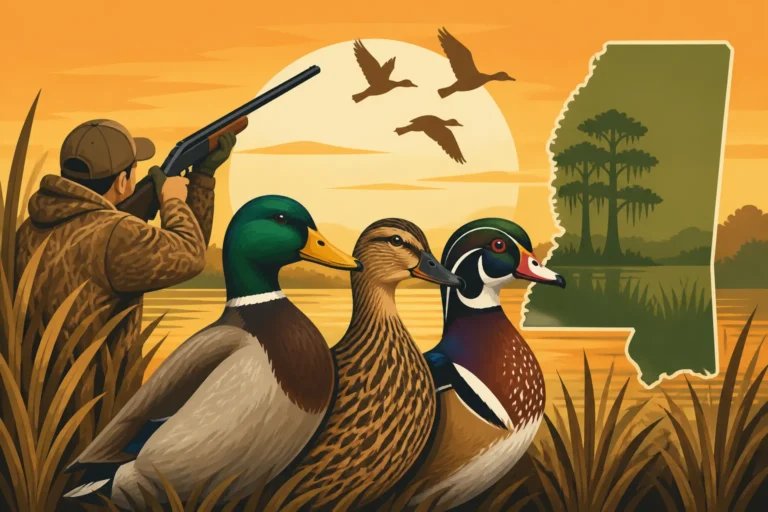
| Mallard | Flooded timber, fields | Waste grain, acorns | Green head (drake), gray body, white neck ring. Hen is mottled brown. Iridescent blue speculum. Distinctive "quack." |
| Wood Duck | Flooded timber, swamps | Acorns, aquatic insects | Drake has highly ornate, iridescent plumage, crest. Hen is grayish-brown with distinctive white eye-patch. Distinct "squeal" or "whistle." |
| Gadwall | Open water, flooded fields | Aquatic vegetation, seeds | Male gray body, black rear, white speculum (key identification). Female mottled brown. Often seen with mallards. |
| Green-winged Teal | Shallow marshes, ditches | Small seeds, invertebrates | Smallest dabbler. Male has chestnut head with green crescent, vertical white stripe. Both sexes have iridescent green speculum. Very fast, erratic flight. |
| Northern Pintail | Open fields, shallow water | Seeds, aquatic insects | Long, slender neck and pointed tail (drake). White stripe up neck. Very graceful in flight. |
| Northern Shoveler | Shallow, muddy water | Plankton, small invertebrates | Large, spatulate bill. Male has green head, white chest, chestnut flanks. Often found sifting water. |
| Canada Goose | Agricultural fields | Waste grain, grasses | Large, black neck and head with white chinstrap. Dark body. Distinctive "honk." |
| Snow Goose | Agricultural fields | Roots, waste grain | White body with black wingtips (adult). Juvenile "blue phase" can be gray. Loud, high-pitched calls. Often in massive flocks. |
Mallards are the undisputed kings of the Delta, and many hunters specifically target them, especially in the flooded timber. However, you'll also encounter substantial numbers of wood ducks, particularly in the early season and in wooded areas. Gadwalls and teal are also very common, often seen feeding alongside mallards in flooded fields and shallow areas. For those who enjoy goose hunting, the Delta offers opportunities for both Canada geese and increasingly large numbers of snow geese. Staying current on the Mississippi Duck and Goose Bag Limits is critical for a legal and ethical hunt.
Prime Habitat Types and Where to Find Them
Hunting waterfowl in the Mississippi Delta isn't a one-size-fits-all endeavor. The birds utilize a diverse range of habitats, and successful hunters know how to identify these areas and adapt their strategies accordingly. From the ancient, towering hardwoods to the sprawling agricultural landscapes, each offers a unique challenge and a distinct experience.
Flooded Timber: The Classic Delta Experience
Mention "Delta duck hunting" to a seasoned veteran, and more often than not, their mind immediately conjures images of flooded timber. This iconic habitat, characterized by towering oak, cypress, and tupelo gum trees standing in several feet of water, is the quintessential mallard haven. Why? Because it offers ducks a trifecta of benefits: abundant natural food sources (especially acorns), protection from predators, and shelter from the elements. When the water rises and covers the forest floor, it unlocks a massive food source that would otherwise be inaccessible. Mallards, in particular, are experts at navigating this submerged landscape, feasting on acorns and other seeds.
Hunting flooded timber is an immersive experience. You're deep within the woods, often pushing through cypress knees and tangled undergrowth to reach your spot. The calls echo differently, the light filters uniquely through the canopy, and when the ducks commit, they often drop straight down through the trees, wings cupped, creating a truly exhilarating sight. Common setups involve wading in, hiding among thick brush or behind tree trunks, and setting a modest spread of decoys, often with a jerk string to add lifelike movement. Many hunters prefer a smaller, more realistic spread that mimics ducks loafing and feeding in natural cover. Learning to read the timber, identify feeding areas, and understand how ducks use the canopy to approach is a skill honed over many seasons. This is where you'll find the most classic moments, like watching a flock of greenheads pitching through the canopy. If you're looking for that iconic Delta experience, focus on areas known for their significant oak stands.
Agricultural Fields: A Winter Buffet
While flooded timber captures the romantic ideal, agricultural fields are arguably the backbone of the Delta's ability to hold massive numbers of waterfowl. After the fall harvest, many fields—especially those planted in rice, corn, and soybeans—are left with considerable amounts of waste grain. When these fields are then flooded, either by natural rainfall or intentional irrigation, they become vast, easily accessible feeding grounds for ducks and geese. This habitat is particularly appealing to dabbling ducks like mallards, pintails, and gadwalls, but also serves as the primary feeding ground for Canada and snow geese.
Hunting these fields requires a different approach than timber. Concealment is paramount, as the open nature of the fields offers little natural cover. Layout blinds are a popular choice, allowing hunters to lie prone and blend seamlessly into the stubble. Large decoy spreads, often numbering in the hundreds for geese, are common to attract birds from a distance. Motion decoys, flags, and spinning-wing decoys are crucial for grabbing attention in such an open environment. Successful field hunting hinges on excellent scouting: identifying which specific fields birds are feeding in, understanding their entry and exit points, and knowing their daily routines. Often, birds will roost on large bodies of water and fly out to feed in fields at dawn and dusk. Setting Up on a Delta Field Edge or in the middle of a cut field requires careful planning, especially regarding wind direction and sun position. Many outfitters specialize in these types of hunts, often leasing prime ground and managing it specifically for waterfowl.
River Backwaters and Oxbow Lakes
Beyond the primary habitats of flooded timber and agricultural fields, the Delta's intricate hydrological network offers additional, often overlooked, opportunities in river backwaters and oxbow lakes. These areas, relics of the Mississippi River's ever-shifting course, provide stable, deeper water sources that are less dependent on fluctuating rainfall or agricultural practices. Oxbow lakes, in particular, are U-shaped bodies of water formed when a meander of the river is cut off, creating calm, often nutrient-rich environments.
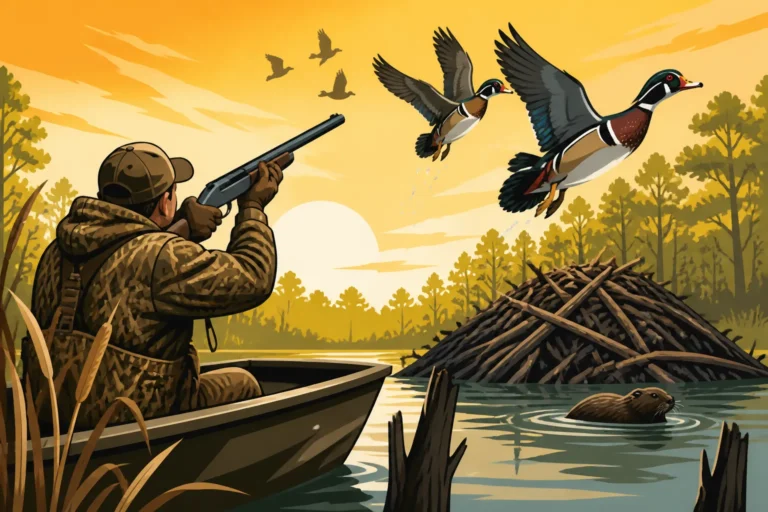
These habitats attract a different mix of birds and can be excellent for diversified hunts. Diving ducks, while not as prevalent as dabblers in the Delta, can sometimes be found here, along with a consistent population of wood ducks and other dabblers seeking refuge. The deeper water offers security, and the edges of these lakes often feature emergent vegetation and fallen timber, providing both food and cover. Hunting these areas might involve boat blinds, permanent blinds built into the shoreline, or simply tucking into natural cover along the banks. It’s also a great option for Jump-Shooting Mississippi Beaver Ponds for Wood Ducks, especially when other areas are pressured. These spots can be particularly good on days when heavy hunting pressure pushes birds off more popular locations, or when timber and fields aren't holding enough water. Scouting these less-pressured areas, often accessible via smaller watercraft, can reveal hidden gems and offer rewarding hunts away from the crowds.
Essential Gear and Setup for Delta Waterfowling
Successfully hunting waterfowl in the Mississippi Delta isn't just about finding birds; it's about having the right tools for the job and knowing how to deploy them effectively. The Delta's diverse habitats and often challenging conditions demand thoughtful gear choices, from your decoy spread to your blind setup and even your calling technique.
Decoy Spreads for Different Scenarios
Decoys are your visual attractants, mimicking real birds to draw incoming flocks within shooting range. The type, size, and arrangement of your spread will vary significantly depending on whether you're hunting flooded timber, open fields, or smaller water bodies.
In flooded timber, realism and natural movement are key. You're typically dealing with closer shots, so a smaller, more realistic spread of a dozen to two dozen decoys is often sufficient. Focus on high-quality mallard decoys, often with a few gadwalls or pintails mixed in for realism. Crucially, add a jerk string or two. A jerk string, operated by hand from your hiding spot, pulls several decoys, creating ripples and movement that perfectly mimics feeding ducks. This subtle motion is often the final convincer for wary birds pitching into the trees. Remember, in timber, ducks are looking for a calm, safe place to land, so avoid anything that looks unnatural or overly aggressive. Many seasoned hunters swear by the effectiveness of a simple jerk string system when Hunting Flooded Timber for Wood Ducks.
For open field hunting, whether for ducks or geese, quantity often trumps hyper-realism, at least initially. You need a large spread to be seen from a distance. For ducks, a spread of 50-100 mallard and pintail decoys, often in a loose U or J-shape with a landing zone upwind, is common. Incorporate spinning-wing decoys like a Mojo Outdoors Mallard or an Avian-X PowerFlight to add highly visible motion. For geese, especially snow geese, spreads can number in the hundreds or even thousands of full-body, shell, or silhouette decoys to simulate a massive feeding flock. Motion flags or rotary machines are essential for drawing attention from afar. When running these larger spreads, consider the wind: birds prefer to land into the wind, so ensure your landing zone allows for this. The more realistic the motion and the larger the spread in open fields, the better your chances of drawing birds in from long distances.
Blinds and Concealment: Staying Hidden
No matter how good your calling or how perfect your decoy spread, if the birds see you, the hunt is over. Effective concealment is non-negotiable in Delta waterfowl hunting. The best blind for you depends on your chosen habitat.
In flooded timber, natural concealment is often your best friend. Many hunters simply tuck into dense brush, behind large cypress trees, or against fallen logs, using camouflage clothing that blends with the dark, wet surroundings. Portable blind material, like netting or natural cane, can be used to quickly brush up a temporary hide. The goal is to break up your human outline and remain absolutely still as birds approach. Some hunters use small, minimalist boat blinds if they are hunting from a boat, but wading into the timber for a natural hide is often preferred.
For field hunting, layout blinds are king. These low-profile blinds allow you to lie flat on the ground, completely concealed, and blend into the stubble of a cut field. Brands like Avery Outdoors and Rogers Sporting Goods offer excellent options that are rugged and easy to brush in. The key to making a layout blind effective is brushing it in thoroughly. Use natural vegetation from the field—corn stalks, rice stubble, or even local grasses—to cover every inch of the blind, breaking up its outline. Leave just enough space to peek out and sit up quickly. Another option for field edges or larger ditches is a panel blind or A-frame blind, which can be brushed in with natural materials to create a solid wall of concealment. When hunting from a fixed position, like a pit blind on private land, ensure the blind is well-maintained and blends perfectly with its surroundings. Remember, ducks and geese have incredible eyesight, so even a slight glint of sunlight off a face can ruin a setup. Face paint or headnets are crucial.
Calling Strategies and Confidence Decoys
Calling is the art of communication in waterfowl hunting, and mastering it for the Mississippi Delta takes practice and patience. Mallard calling is foundational, with variations from loud "hail calls" to attract distant birds, to softer "come-back calls" for birds passing by, and subtle "feed calls" for ducks within the spread. However, don't overcall; let the birds work, and only call when they seem to be losing interest or need a little encouragement. High-quality calls from brands like Zink Calls or RNT Calls are invaluable, but practice is what makes them effective.
Beyond mallards, learn basic calls for other common species. A wood duck "squeal" can be effective in timber. Short, sharp goose honks can pull in Canadas in fields. For snow geese, the sheer volume of electronic calls (where legal) is often necessary.
"Confidence decoys" are those that add realism and signal safety to incoming birds. Full-body Canada goose decoys placed near your duck spread can suggest a safe feeding area. Adding a few coot or even heron decoys can create the impression of a diverse, natural wetland. These less-common decoys can sometimes make wary ducks feel more at ease. Pay attention to how the birds are reacting to your calls and decoys, and be willing to adjust. Sometimes less is more, especially when dealing with pressured birds.
Tactics for Different Waterfowl Hunting Scenarios
The Delta's diverse landscape means that no single tactic will guarantee success. Being versatile and understanding how to approach different hunting scenarios is crucial. From the serene depths of flooded timber to the wide-open expanse of agricultural fields, each environment demands a specific set of strategies.
Hunting Flooded Timber for Mallards and Wood Ducks
Hunting flooded timber is an experience deeply rooted in Mississippi hunting tradition. It’s often about patience, quiet observation, and precise execution. The first step is scouting. Look for areas with a good mix of mature oak trees, as acorns are a primary food source for mallards and wood ducks. Look for "sheet water"—shallow, widespread flooding rather than deep channels—as this is where dabblers prefer to feed. Fresh duck droppings, plucked feathers, and disturbed water are all excellent indicators of recent activity. Knowing how to read a Delta Slough for a Morning Flight can significantly increase your odds.
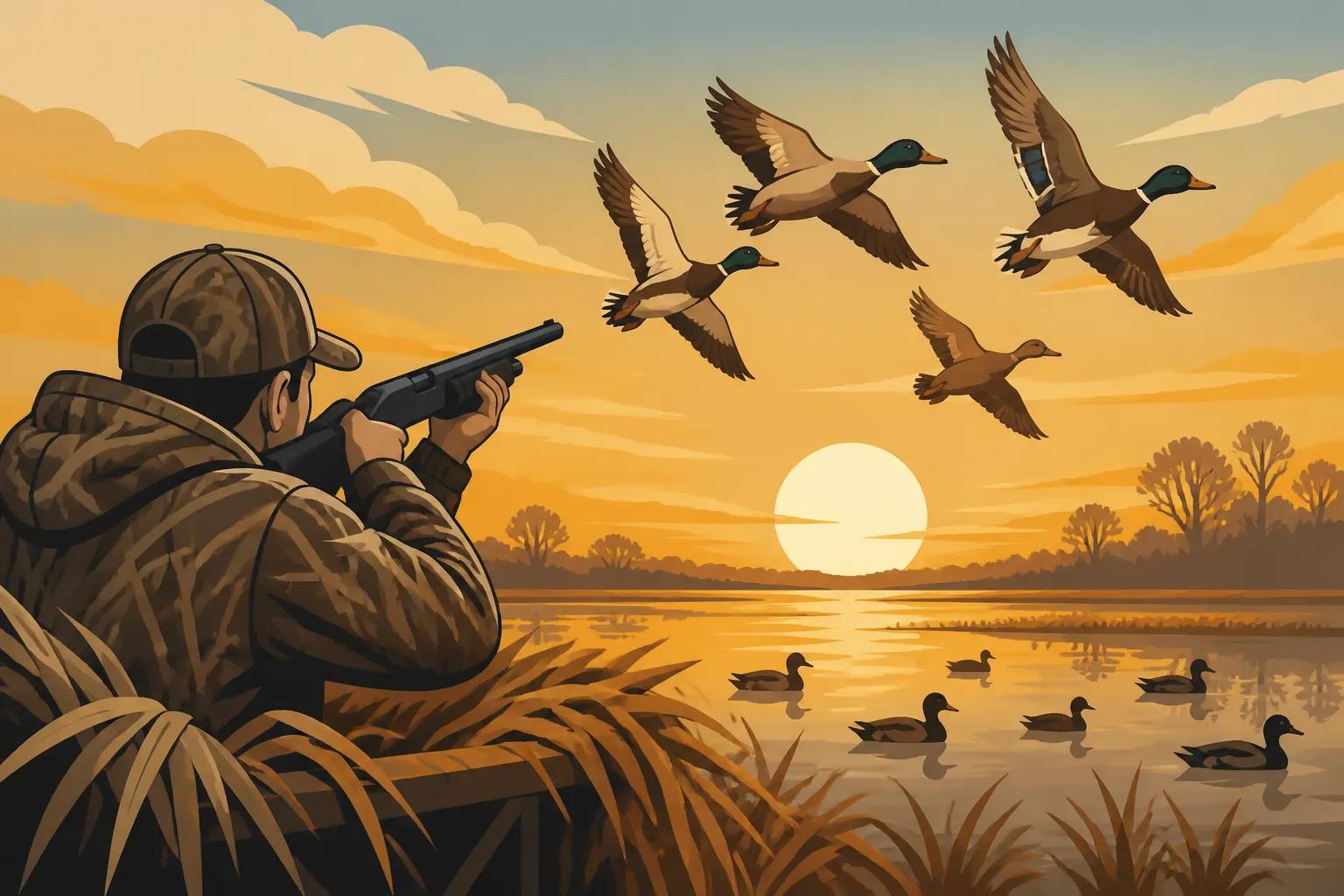
Once you’ve found a promising spot, set up quietly and early. Ducks have excellent eyesight, and the lack of dense undergrowth in many flooded timber areas means they can spot movement easily. Hide against a large tree trunk, in a dense thicket, or even behind a cypress knee, remaining absolutely still. Your decoy spread should be small and natural, mimicking ducks feeding and loafing. A few high-quality mallard decoys, perhaps a couple of wood ducks, and a jerk string are often all you need. Place your decoys in an open pocket within the trees, leaving a clear landing zone directly upwind. Call sparingly; soft clucks and feed calls are usually more effective than loud hails. Focus on getting the birds to commit and pitch through the canopy. When they drop, let them get close, identify your target, and make a clean shot. The rush of seeing a flock of mallards "treeing" and dropping through the branches is what makes this pursuit so addictive.
Field Hunting for Ducks and Geese
Field hunting is a different beast entirely, requiring a more aggressive approach to attract birds from afar. As mentioned, scouting is paramount. Drive the backroads, glassing agricultural fields at dawn and dusk to identify which ones the birds are actively using. Look for concentrations of ducks or geese, note their flight paths, and understand where they prefer to feed and loaf. Access to private land is often key here, as many prime fields are leased. However, some WMAs also offer field hunting opportunities.
Once a hot field is identified, set up before first light. Concealment, as discussed, is critical. Layout blinds brushed into the stubble are the standard. For ducks, a spread of 50-100 decoys with plenty of motion (spinners, flags) is effective. Create a landing zone into the wind. For geese, especially snow geese, larger spreads of hundreds or even thousands of decoys are common. For a mixed spread of ducks and geese, place your duck decoys closer to your blinds, with goose decoys spread out further as a visible draw. Call aggressively to grab distant birds' attention with loud hail calls and feeding gabble. Once they commit and start to turn, lighten up on the calling, and let the motion in your spread do the work. Remember, geese especially are wary; they've been shot at before. Patience and impeccable concealment will pay dividends.
Jump Shooting and Scouting Techniques
Jump shooting offers a more active, spontaneous approach to waterfowl hunting, particularly effective on smaller bodies of water, winding creeks, and drainage ditches that might not be suitable for a full decoy spread. It's a fantastic way to hunt pressured birds or explore new territory. The essence of jump shooting is stealth and surprise. You're actively stalking ducks, often flushing them from cover and taking them on the wing.
To be successful, you need to move slowly and quietly, often walking upstream against the current in creeks or along the edges of small ponds, using natural cover like brush, tall grass, or timber to conceal your approach. Always keep the wind in your face if possible, as it masks your sound and carries your scent away. Look for bends in the creek, beaver ponds, or thick patches of emergent vegetation where ducks might be resting or feeding. When you spot birds, plan your approach to get as close as possible before flushing them. Some hunters work in pairs, with one person pushing birds towards another hidden shooter. Jump shooting is especially productive for wood ducks on smaller water bodies and can also yield shots at mallards, especially in the afternoon when they're loafing. It requires quick reflexes and accurate shooting.
Effective scouting is the bedrock of all successful Delta waterfowl hunting, whether you're jump shooting, timber hunting, or field hunting. Spend time before the season and throughout it driving backroads, watching birds fly, and glassing fields. Use mapping apps like GoHunt or OnX Hunt to identify potential public land access points, property lines, and different habitat types. Look for fresh sign: tracks, droppings, and feeding areas. Pay attention to water levels and changes in weather. Cold fronts often bring new birds, while persistent warm weather can make them lethargic. Don't be afraid to walk and explore. The more time you spend scouting, the better your chances of being in the right place at the right time.
Navigating Regulations and Public Land Opportunities
Hunting the Mississippi Delta successfully involves more than just understanding ducks; it also means navigating the rules and knowing where you're legally allowed to hunt. Mississippi's waterfowl regulations are designed to manage the resource sustainably, and public land offers incredible opportunities for hunters willing to put in the effort.
Key Mississippi Waterfowl Seasons and Bag Limits
Mississippi's waterfowl seasons are set annually by the Mississippi Department of Wildlife, Fisheries, and Parks (MDWFP) in coordination with federal guidelines. These seasons are typically divided into two or three "splits" to account for different migration patterns and provide varied hunting opportunities. For example, there's usually an early split in November, followed by a longer, main season from December into January. Understanding the nuances of the Mississippi Duck Zone Split Rules is critical, as the state is divided into North and South zones, each with slightly different dates. Always check the current year's MDWFP regulations before planning your hunt, as dates can shift slightly.
Bag limits specify the maximum number of each species you can harvest per day. These limits are set to ensure sustainable populations and often vary by species. For example, while the total duck bag limit might be six per day, there are typically sub-limits for specific species like mallards (often no more than 4, with only 2 being hens), pintails, black ducks, and wood ducks. Goose bag limits are generally much higher, especially for snow geese, which are often numerous. Exceeding these limits, or incorrectly identifying birds, can lead to serious penalties. Remember, every hunter 16 years or older needs a valid Mississippi hunting license, a Mississippi Migratory Bird Stamp, and a Federal Duck Stamp, along with HIP certification. These are all part of the process of responsible waterfowl hunting. For specific details on what you can take, always refer to the latest Mississippi Duck and Goose Bag Limits.
Public Hunting Areas in the Delta Region
The Mississippi Delta boasts a fantastic array of public hunting lands, primarily in the form of Wildlife Management Areas (WMAs) and National Wildlife Refuges (NWRs), along with parts of the Delta National Forest. These areas provide invaluable access for hunters who may not have private land leases.
- Wildlife Management Areas (WMAs): The MDWFP manages several WMAs within the Delta that are highly popular for waterfowl. Areas like Mahannah Wildlife Management Area, Malmaison Wildlife Management Area, and Sunflower WMA (which is within the Delta National Forest) are well-known for their excellent duck hunting. Many WMAs feature managed impoundments, greentree reservoirs (bottomland hardwoods that are intentionally flooded), and agricultural fields specifically managed for waterfowl. Access to these areas often requires a WMA Permit in addition to your regular hunting license. Always check the specific rules for each WMA you plan to hunt, as they can have unique regulations regarding access, hunting hours, specific hunting zones, and even legal methods.
- National Wildlife Refuges (NWRs): Refuges like Panther Swamp National Wildlife Refuge Hunting and Yazoo National Wildlife Refuge Hunting Rules also offer public hunting opportunities. These refuges are managed by the U.S. Fish and Wildlife Service, and their regulations can be even more stringent than WMAs. Many NWRs operate on a quota hunt system, requiring applications and draws for limited spots, particularly for popular waterfowl areas. Others may have specific days open to hunting or designated access points. Always consult the refuge's specific hunting brochure or website.
- Delta National Forest: This is the only bottomland hardwood National Forest in the nation and offers vast expanses of flooded timber hunting. While not as intensively managed for waterfowl as some WMAs, its sheer size and natural hydrology make it a prime location, especially for mallards and wood ducks. General National Forest rules apply, but specific areas might have unique restrictions. It’s a great place to experience Hunting Greentree Reservoirs for Mallards without needing a quota draw, though pressure can be high on opening weekends.
Before heading out, it's crucial to consult the MDWFP website or use mapping apps like GoHunt, which often have layers for public and private land boundaries, to thoroughly scout your chosen area. Pay attention to parking, walking distances, and specific access rules, as some areas may be boat-access only.
Understanding WMA Rules and Quota Hunts
Hunting on a Mississippi WMA or NWR isn't quite as straightforward as hunting private land. These areas are managed for multiple uses, and specific regulations are put in place to ensure fair chase, manage hunter pressure, and protect wildlife populations.
- Permits: Most WMAs require a WMA Permit, which is an additional purchase on top of your state hunting license. National Wildlife Refuges often have their own specific permits, which may be free or require a small fee.
- Check-in/Check-out: Many WMAs, especially during busy waterfowl seasons, require hunters to physically check in and out, or use an online system or app. This allows MDWFP to monitor hunter effort and harvest, which is vital for management. Failure to check in or out can result in penalties.
- Quota Hunts: Some of the most desirable waterfowl hunting areas, particularly within NWRs or specific WMA units, operate on a quota hunt system. This means only a limited number of hunters are allowed in at one time. Hunters must apply for these hunts well in advance, often months before the season, and successful applicants are chosen through a lottery draw. While competitive, a successful draw can grant you access to some of the most pristine and unpressured waterfowl hunting in the state. Always be aware of the Mississippi WMA Quota Hunt Sign-In Process before you arrive.
- Restrictions: Be aware of specific restrictions on WMAs, which can include things like "no motors allowed," "foot traffic only," restrictions on decoy types (e.g., no spinning wings), or limits on the number of shells you can carry. Blaze orange requirements may also apply when other seasons (like deer) overlap, even for waterfowl hunting. Ignorance of the rules is not an excuse, so read the specific regulations for your chosen area carefully. Using a mapping tool that overlays WMA boundaries and regulations can be incredibly helpful for planning and staying legal in the field.
Weather, Water Levels, and Adapting Your Hunt
Waterfowl hunting in the Mississippi Delta is a dynamic pursuit, heavily influenced by two ever-changing factors: weather and water levels. The most successful hunters aren't just good callers or shooters; they're also keen observers of nature, capable of adapting their strategies when conditions shift.
The Impact of Cold Fronts and Warm Spells
Weather dictates migration, bird behavior, and ultimately, your hunting success. A strong, sustained cold front pushing down from the north is every Delta duck hunter's dream. These fronts bring new waves of migratory birds, often pushing them quickly down the Mississippi Flyway into the warmth and food bounty of the Delta. When a new front hits, ducks and geese are often eager to feed, flying actively and responding well to calls. This is when you can experience those legendary "duck tornadoes" or massive flights of geese. Hunters should monitor long-range forecasts, not just for the Delta, but for states to the north, to anticipate these pushes.
Conversely, extended warm spells can make for challenging hunting. When temperatures rise, birds often become lethargic, flying less and feeding sporadically. They might loaf on large, open bodies of water, making them harder to access. During warm spells, consider hunting later in the morning or in the evening, when temperatures are cooler and birds might be more active. Focus on shaded areas in timber or fields with fresh water. Sometimes, a warm spell can scatter birds, requiring more extensive scouting to locate them. Understanding the Mississippi Waterfowl Migration Timing helps put these weather events in context.
Rising and Falling Water Levels: A Game Changer
In the Delta, water is life, and its levels are constantly in flux, dramatically impacting where ducks and geese feed, roost, and hide. Rainfall, river stages, and intentional flooding by landowners all contribute to this ever-changing landscape.
- Rising Water: Heavy rains or rising river levels (like the Mississippi River or its tributaries) can quickly flood new areas—timber, fields, and low-lying depressions. This can be a boon for hunters, as it unlocks new food sources previously unavailable. Ducks will often spread out into these newly flooded areas, seeking fresh groceries. When water levels rise, be prepared to move your setup, explore new timber pockets, or access areas that were dry just days before. Freshly flooded ground, especially with waste grain or acorns, is a prime target.
- Falling Water: A prolonged dry spell or dropping river levels can quickly reverse the situation. As water recedes, many prime hunting spots can become too shallow for ducks or even dry out completely. Birds will then concentrate on the remaining accessible water sources, often larger, deeper sloughs, oxbows, or intentionally managed impoundments. During periods of falling water, adjust your focus to these deeper, more stable water bodies. Pressure on these remaining spots can be intense, so early arrival and impeccable concealment are key. Understanding the local hydrology—where the water goes when it rises and where it holds when it falls—is a lifetime study for a Delta hunter. Mapping tools like GoHunt can show historical water levels or topography that helps predict water flow.
Scouting and Adjusting to Conditions
Because weather and water levels are so unpredictable, continuous scouting and a willingness to adapt are non-negotiable for consistent success. Don't rely on last week's intel or assume birds will be in the same place as last year.
- Daily Scouting: If possible, spend time each day before or after your hunt driving roads, glassing fields, and watching flight patterns. Look for fresh sign. Birds can move miles overnight based on pressure or changes in food availability.
- Reading the Birds: Pay attention to how ducks are reacting to your calls and spread. Are they flaring consistently at a certain point? Are they avoiding a specific part of your spread? This feedback is crucial. If a setup isn't working, don't be afraid to pack up and move, even mid-morning.
- Flexibility in Location: Have multiple spots scouted for different conditions. A timber hole that's perfect after a big rain might be dry a week later, requiring you to shift to a deeper slough or a managed field. Being able to pivot from Hunting Flooded Timber for Wood Ducks to Layout Blind Hunting Delta Farm Fields on short notice is a hallmark of an experienced Delta hunter.
- Local Knowledge: Talk to other hunters, local landowners, or even bait shop owners. They often have invaluable insights into current bird movements and conditions. However, always verify information with your own scouting if possible. The Delta is a big place, and conditions can vary significantly even within a few miles.
Hunting Ethics, Safety, and Conservation
Waterfowl hunting in the Mississippi Delta is a privilege, not a right. Upholding strong ethical standards, prioritizing safety, and contributing to conservation efforts are fundamental responsibilities for every hunter who steps foot in this incredible region.
Responsible Hunting Practices and Respect
Ethical hunting goes beyond simply following the law; it's about respecting the game, the land, and your fellow hunters. One of the most important aspects is shot selection and knowing your limits. Pass up marginal shots that are too far or where you can't clearly identify the bird. Wounded birds that aren't recovered are a waste of a precious resource. Practice shooting to ensure you're proficient, and always use appropriate ammunition (steel shot is mandatory for waterfowl).
Respect for property is also paramount, especially when hunting near private land. Always know where property lines are, and never trespass to retrieve game without permission. The GoHunt app's mapping capabilities can be invaluable here. Be considerate of other hunters, especially on public land. Don't set up too close to another party, and avoid sky-busting or shooting at birds well out of range, as this often flares birds for everyone. Retrieve all spent shells, discarded decoys, and trash. Leave the area cleaner than you found it. Responsible hunting practices ensure that future generations can enjoy the same incredible opportunities we have today.
Waterfowl Hunter Safety Considerations
Safety should always be the top priority on any hunting trip, and waterfowl hunting presents its own unique set of challenges, particularly in the Delta's often wet and rugged environment.
- Firearms Safety: The fundamental rules of firearms safety—treat every gun as if it's loaded, never point the muzzle at anything you don't intend to shoot, keep your finger off the trigger until ready to fire, and be sure of your target and what's beyond it—are absolutely non-negotiable. In group hunting scenarios, establish clear zones of fire and communicate constantly. Ensure your firearm is in good working order and regularly cleaned.
- Water Safety: Many Delta waterfowl hunts involve water, whether wading, using a boat, or hunting near deep sloughs. Always wear a life jacket when in a boat, regardless of how short the trip. Be aware of changing water depths, especially in flooded timber where hidden stumps or holes can be dangerous. Carry a whistle and a fully charged cell phone (in a waterproof bag). If hunting alone, tell someone exactly where you're going and when you expect to return. Hypothermia is a real risk in cold, wet conditions, so dress in layers of appropriate, waterproof clothing.
- Hunting Partners: Whenever possible, hunt with a buddy. They can assist in retrieves, provide help in an emergency, and make the experience more enjoyable. Ensure everyone in your party is on the same page regarding safety protocols and hunting plans.
The Role of Conservation in the Delta
The incredible waterfowl hunting opportunities in the Mississippi Delta don't happen by accident; they are the direct result of decades of dedicated conservation efforts. Organizations like Ducks Unlimited, Delta Waterfowl, and the National Wild Turkey Federation (yes, they do waterfowl projects too!) work tirelessly to preserve, restore, and enhance wetland habitats across the flyways, including right here in Mississippi. These efforts involve wetland restoration, water management, private land habitat programs, and advocacy for sound wildlife policies.
Every hunter plays a vital role in this ongoing conservation legacy. A significant portion of your license fees, duck stamp purchases, and excise taxes on hunting equipment (through the Pittman-Robertson Act) directly fund wildlife conservation. But you can do more. Consider joining and supporting a conservation organization, volunteering for habitat projects, or even educating others about the importance of wetlands. By participating in hunter education, following regulations, and practicing ethical hunting, you're contributing to the health of the resource. The future of waterfowl hunting in the Mississippi Delta depends on our collective commitment to protecting these precious birds and the habitats they rely on.
Disclaimer
The information provided in this article is for general guidance and informational purposes only. Hunting regulations, seasons, and bag limits are subject to change by the Mississippi Department of Wildlife, Fisheries, and Parks (MDWFP) and federal agencies. It is the responsibility of every hunter to consult and comply with the most current official regulations published by the MDWFP before engaging in any hunting activities. This article does not constitute legal advice or an exhaustive list of all rules and regulations.