Waiting Lists for Established Mississippi Clubs
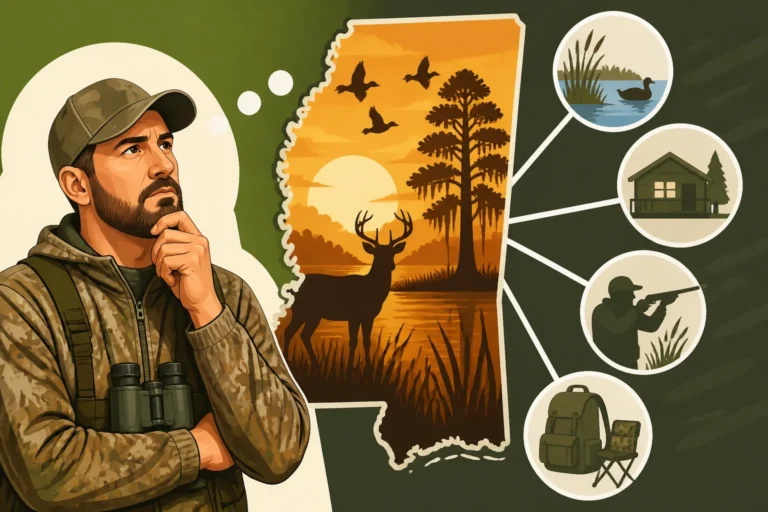
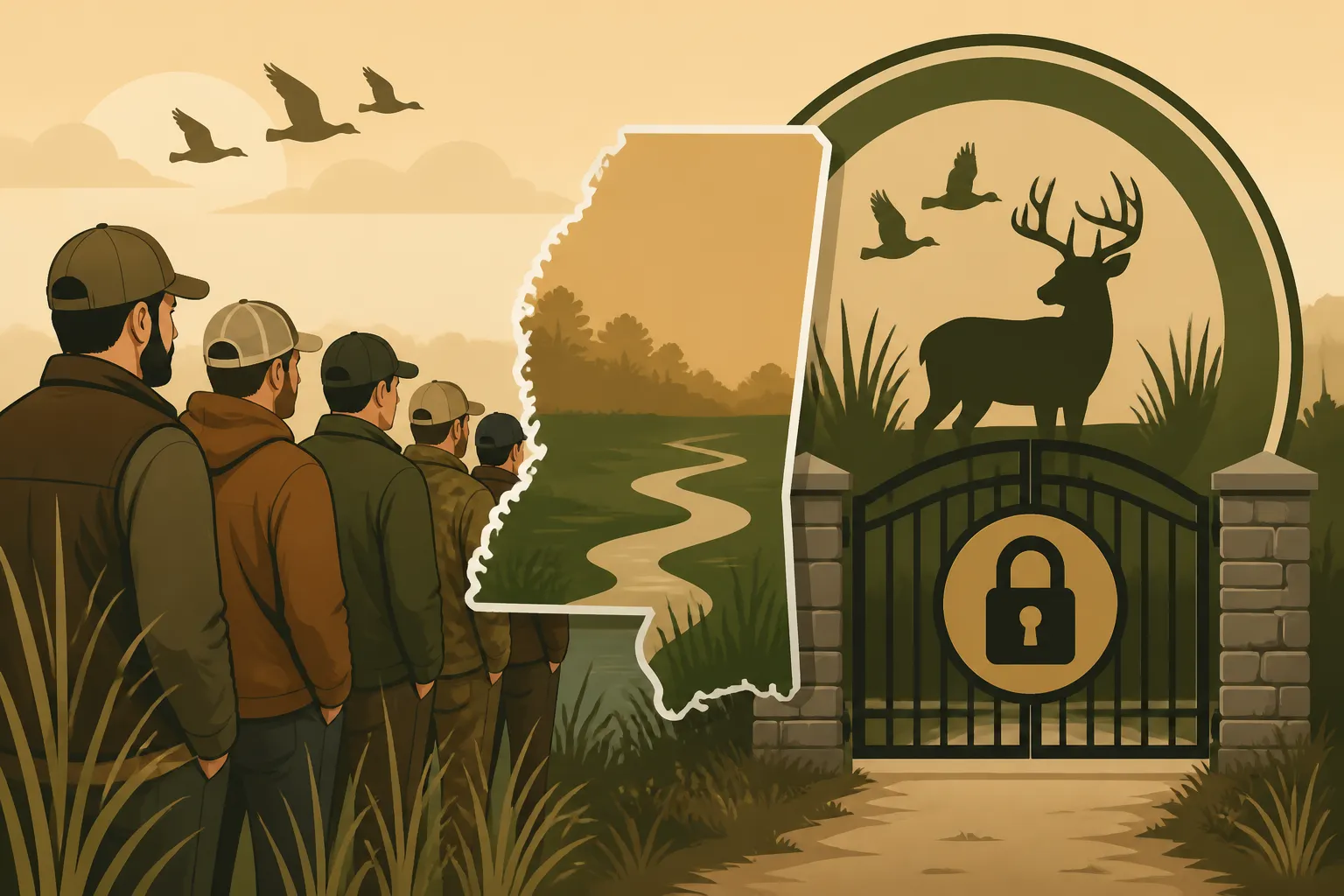
It's a familiar scenario for many Mississippi hunters: you've heard whispers, or perhaps seen firsthand, the incredible deer, turkey, or duck hunting coming off a particular established club. Maybe it's the legendary Delta Unit Antler Restriction Rules that yield those mature bucks, or the consistent success on mallards in flooded timber that draws envy. Whatever the reason, these clubs are often like Fort Knox, with coveted memberships passed down through generations. Trying to get into one can feel like an impossible task, a journey through a labyrinth of old networks and unspoken rules, often ending with the frustrating news that there's a "waiting list." This guide is all about demystifying those waiting lists and giving you a realistic roadmap, whether you're trying to get on one, or looking for viable alternatives while you wait.
The Reality of Established Clubs and Their Appeal
Mississippi hunting clubs, especially those with a long history and prime acreage, are often the holy grail for serious hunters. They represent consistency, quality, and a shared passion that's hard to replicate elsewhere. But this very appeal is what creates the barrier of entry for newcomers: those seemingly endless waiting lists.
What Makes a Mississippi Hunting Club Desirable?
When we talk about an "established" Mississippi hunting club, we're usually picturing a place that has been around for decades, often owned or leased by a tight-knit group of individuals who have poured their hearts and resources into making it special. These aren't just patches of land; they're often meticulously managed ecosystems. Think about clubs situated near prime public lands like Delta National Forest Hunting or boasting hundreds, if not thousands, of acres of privately managed habitat.
The allure extends beyond just the sheer size or location. Many of these clubs invest heavily in habitat management – food plots, timber stand improvements, and active population control – which directly translates to healthier game and better hunting opportunities. They might have a track record of producing mature bucks that meet or exceed Mississippi's antler restrictions, or consistently draw in huge numbers of ducks to carefully managed flooded fields. This dedication to quality hunting is a massive draw.
Furthermore, these clubs often come with fantastic infrastructure. We're talking about comfortable lodges, well-maintained roads, dedicated processing facilities, and secure storage for equipment. It's not just about the hunt; it's the entire experience – the camaraderie, the shared meals, and the traditions that have been built over years. For many, joining such a club is about becoming part of a community that shares their deep love for the outdoors and a specific way of hunting, whether it's Bowhunting Mississippi's Long Archery Season or Waterfowl Hunting the Mississippi Delta.
Why Waiting Lists Are the Norm, Not the Exception
Given the desirability, it's easy to see why established clubs usually operate with a full roster and a backlog of hopefuls. Turnover in these clubs is incredibly low. When members have invested years, sometimes even their entire adult lives, into a club, they're not quick to give up their spot. It's often a family affair, with memberships frequently passed down from father to son or other relatives, perpetuating the club's legacy. This "legacy membership" aspect can significantly limit the availability of new spots.
Beyond generational transfer, the economic investment also plays a huge role. Members pay substantial annual dues and often contribute sweat equity during workdays. This level of commitment means they've bought into the long-term vision of the club. Unless a member moves out of state, faces significant life changes, or unfortunately passes away, those spots rarely open up. This combination of legacy, commitment, and high satisfaction means that the natural attrition rate is incredibly slow, making waiting lists not just common, but practically unavoidable for desirable clubs.
Navigating the Waiting List: Strategies and Patience
So, you've decided an established club is for you, and you're ready to tackle the waiting list. It’s not a sprint; it’s a marathon that requires patience, persistence, and a bit of strategic networking.
Getting Your Name on the List: The First Steps
The first, and often most challenging, step is simply finding out who to talk to and how to express your interest. Many established clubs don't advertise open spots or even their existence publicly. Your best bet is always through networking. Talk to everyone you know in the Mississippi hunting community – friends, acquaintances, local sporting goods store owners, taxidermists, and even guides. You might be surprised who knows someone who knows someone else. Direct contact, if you can get it, is key.
Once you identify a contact, be respectful and clear about your intentions. Simply asking "Are you taking new members?" might not get you far. Instead, express your admiration for their club's reputation, your passion for conservation and ethical hunting, and your willingness to contribute. Some clubs have formal application processes, while others rely entirely on personal recommendations. If you get an opportunity to meet current members, present yourself as a responsible, dedicated hunter who would be a positive addition to their community, not just someone looking for a place to shoot a big buck. Showing initiative by offering to help with habitat projects, even if you’re not a member yet, can leave a lasting impression.
Managing Expectations and Understanding the Timeline
Let's be realistic: getting on a waiting list for an established Mississippi hunting club could mean a wait of several years, or even a decade or more. There's no standard timeline, and it varies wildly from club to club. Some clubs might have a handful of names, while others have dozens. Factors like the age of current members, the overall size of the club, and how strictly they adhere to legacy transfers all play into how quickly (or slowly) the list moves.
It's crucial to manage your expectations and understand that movement often comes down to unforeseen circumstances. A member moving for a new job, a health issue, or a change in financial circumstances are common reasons for a spot to open. Don't call every month asking "how long now?" That's a surefire way to get yourself removed. Instead, a polite, annual check-in to reiterate your continued interest is usually sufficient. In the meantime, use this period productively. Consider improving your skills, learning more about Mississippi Deer Season Structure Explained, or exploring other hunting opportunities to stay sharp and connected to the sport.
Alternatives to the Long Wait: Other Paths to Mississippi Hunting Access
While waiting for that dream club spot, don't let your hunting gear gather dust. Mississippi offers a wealth of other ways to get out into the field, some of which might even lead to new club connections down the line.
Exploring Smaller Syndicates and Newer Clubs
Not every great hunting opportunity comes with a multi-year waiting list. Many smaller syndicates or newer clubs are formed by groups of hunters looking to pool resources and lease land together. These groups might not have the decades of history or the extensive lodge facilities of the established giants, but they often offer excellent hunting. The entry barrier is typically lower, and you might find openings much more readily.
These groups often lease tracts of land that, while perhaps not as expansive as the established clubs, still offer fantastic habitat. You might find a group focused on Hunting Delta Unit Bottomland Deer, or a smaller lease tucked into the Piney Woods Region that holds good turkey populations. Joining one of these can be a great way to gain access, meet new hunting buddies, and even contribute to building a club culture from the ground up. It’s a chance to actively participate in habitat work, set up stands, and manage the game on your own terms without the pressure of a long-standing institution. Plus, the investment is often more manageable than a high-dollar, established club.
Leveraging Outfitters and Day Leases
For those who want immediate access to quality hunting without the long-term commitment or the wait, booking a guided hunt or exploring day lease options can be an excellent solution. Mississippi has a vibrant outfitting community, offering everything from trophy deer hunts in the Delta to action-packed duck hunts in flooded timber, and even guided hog hunts that can happen year-round. These services provide expert guides, prime hunting locations, and often comfortable lodging, taking much of the planning and scouting burden off your shoulders.
You can find a variety of reputable outfitters and hunting experiences through platforms like BookYourHunt and GoHunt. These services allow you to search for available hunts by species, location, and desired package, making it much easier to find something that fits your schedule and budget. For instance, if you're keen on chasing gobblers, you might look into Finding a Turkey Guide in Mississippi, or if ducks are your passion, Booking a Delta Duck Lodge could be the ticket. While a guided hunt isn't cheap, it offers guaranteed access to quality land and professional assistance, letting you experience top-tier Mississippi hunting without needing a club membership.
Here's a quick comparison of various access methods:
| Access Method | Pros | Cons | Entry Difficulty | Typical Cost |
|---|---|---|---|---|
| Established Clubs | Premium land, strong community, often great facilities, habitat managed | Long waiting lists, high dues, strict rules, generational transfer can limit access | Very High | High Annual Dues |
| Smaller Syndicates | Quicker entry, shared costs, more input on management, good hunting | May lack amenities, more personal responsibility for work, less history | Moderate | Moderate Annual Dues |
| Guided Hunts/Outfitters | Immediate access, expert guidance, prime locations, no long-term commitment | High per-hunt cost, less personal involvement, limited dates | Low | High Per-Hunt Cost |
| Public Land | Always available, low cost, sense of accomplishment for DIY | High pressure, extensive scouting required, limited amenities, diverse regulations | Low | License/WMA Permits |
Public Land Opportunities
Never underestimate the potential of Mississippi's public lands. While they might require more effort and different tactics, areas like the National Forests (Homochitto, Bienville, and Tombigbee) and numerous Wildlife Management Areas (WMAs) offer vast acreage for hunting. You'll definitely be Hunting Pressure on Mississippi Public Land, but with careful scouting, early mornings, and a willingness to walk further than others, you can find success.
Public lands are an excellent way to continue honing your skills while waiting for a club spot. You'll learn to read aerial maps, understand game movement in diverse habitats, and adapt to changing conditions. The Mississippi Department of Wildlife, Fisheries, and Parks (MDWFP) provides maps and regulations for all WMAs, and tools like Scouting With the MDWFP App can be invaluable. Even if your goal is private land, being a proficient public land hunter will make you a more well-rounded and appealing candidate for any club down the line. Plus, many WMAs have their own unique draw, whether it's Malmaison Wildlife Management Area for deer and turkey or specific areas for Waterfowl Hunting the Mississippi Delta.
Essential Questions to Ask When a Spot Opens Up
Let's imagine the impossible happens: you get the call! A spot has opened up on that coveted waiting list, and it's your turn. Before you jump for joy and sign on the dotted line, it's absolutely critical to ask a comprehensive set of questions to ensure it's truly the right fit for you.
Understanding Dues, Rules, and Responsibilities
First and foremost, get a crystal-clear understanding of the financial commitment. What are the annual Mississippi Hunting Club Dues and Costs? Are there any initiation fees? Beyond the basic dues, are there regular assessments for specific projects, like new blinds, road maintenance, or food plots? Don't be shy about asking for a full breakdown of expected annual expenses, as this can vary widely. Knowing the Mississippi Hunting Lease Prices Per Acre for comparable land can give you context, though established clubs often have costs beyond just the lease.
Equally important are the rules and regulations. Every club has them, and they dictate everything from antler restrictions and harvest limits (which might be stricter than state limits) to guest policies, camp conduct, and even specific times you can hunt certain areas. For example, some clubs might allow Night Hunting Hogs With Lights on Private Land, while others strictly forbid it. Inquire about required workdays – many clubs expect members to contribute physical labor to maintain the property. How many are there? Are they mandatory? What happens if you can't make them? Understanding these responsibilities upfront prevents future misunderstandings and ensures you're ready to fully participate in the club's operation.
Ensuring a Good Fit for Your Hunting Style
Beyond the logistics, consider if the club's culture and hunting philosophy align with your own. What species are they primarily focused on? While many clubs offer multi-species opportunities, some might be heavily geared towards White-Tailed Deer Across Mississippi, while others prioritize Waterfowl Hunting the Mississippi Delta. If you're a passionate turkey hunter, but the club only tolerates it as a side activity, it might not be the best long-term fit.
Ask about hunting pressure and methods. Do they do deer drives on certain weekends? Is still-hunting preferred? Are stands pre-set, or do you have the freedom to hang your own? If you prefer quiet, solitary hunts, a club known for large group activities or frequent guest hunters might not bring you the peace you're seeking. Spend time at the lodge if possible, and observe the interactions between members. Do their personalities and hunting ethics resonate with yours? Remember, a hunting club isn't just about the land; it's about the people you share it with. What Mississippi Club Dues Actually Cover extends beyond just land access to the entire communal hunting experience.
Finding a spot on an established Mississippi hunting club's waiting list is undeniably a challenge, a testament to the quality and community these places offer. It requires patience, strategic networking, and a good understanding of what you're truly looking for in a hunting home. But with persistence, and by exploring the many other fantastic avenues Mississippi provides for hunters, you can absolutely find your perfect hunting ground and community.
Disclaimer
This article is for general informational purposes only and does not constitute professional advice. Laws, prices and regulations vary by location and change over time. Consult a qualified professional for guidance on your specific situation.