Hunting the Extended Southeast Unit Archery Window
If you're a bowhunter in Mississippi, you know the frustration: archery season often feels like it flies by, sometimes before the deer truly get moving, especially in those hotter early weeks. Many hunters lament the limited window, wishing they had more time to hone their skills, scout new spots, and simply enjoy the peace of the woods. This comprehensive guide is designed to unlock the secrets of the Southeast Unit's extended archery season, offering an invaluable advantage for those seeking more opportunities and less rushed hunts.
Understanding the Southeast Unit's Archery Advantage
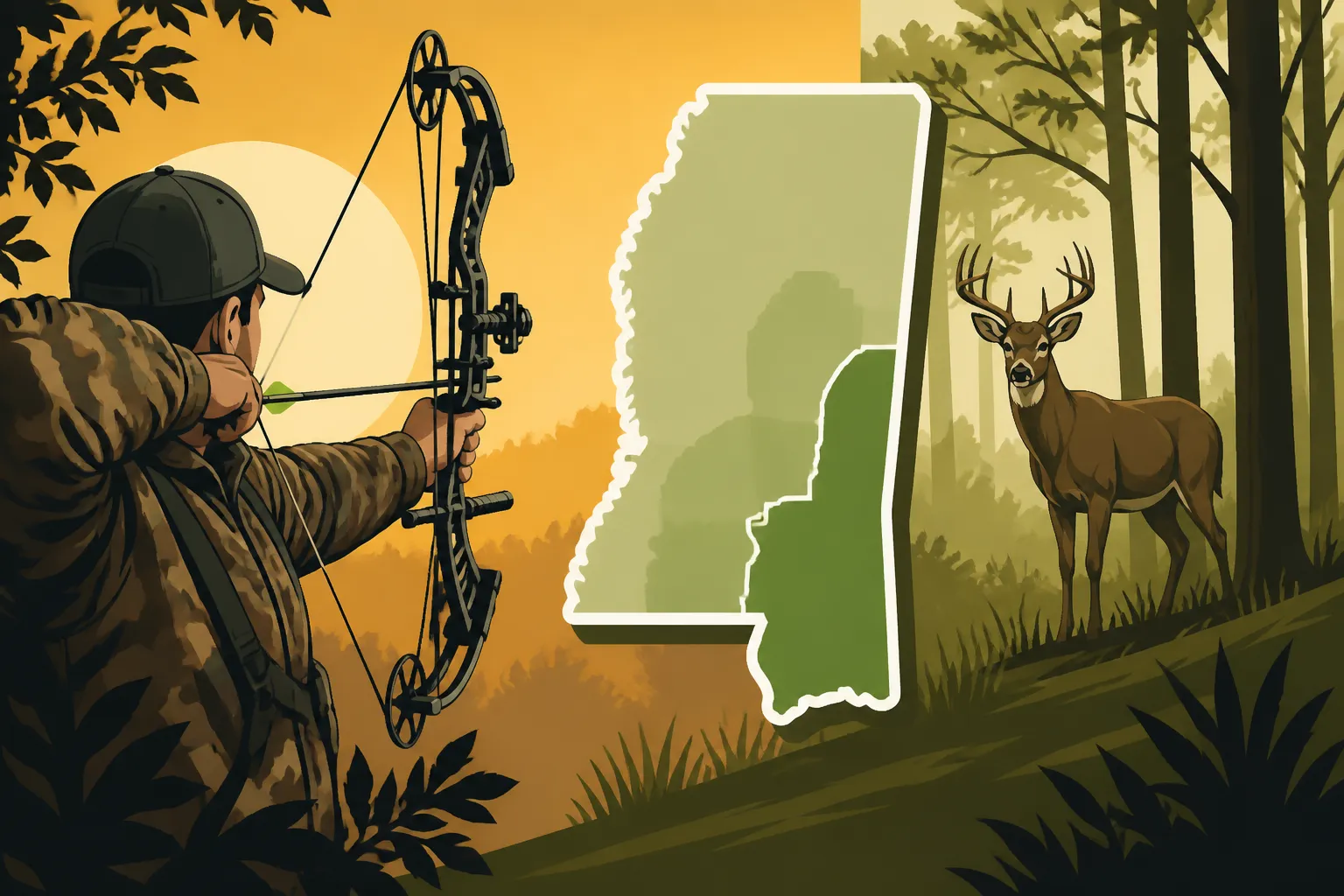
The Mississippi Department of Wildlife, Fisheries, and Parks (MDWFP) has carved out a unique opportunity for bowhunters in the Southeast Unit. While other units adhere to more standard, often shorter, archery seasons, the Southeast offers an extended window that can feel like a game-changer. This isn't just a random extension; it’s a strategic decision rooted in the unit's specific ecological characteristics and deer population dynamics.
Why the Southeast Unit is Different
The Southeast Unit of Mississippi is a fascinating mix of landscapes, primarily characterized by extensive pine timberlands, interspersed with hardwood drains, agricultural fields, and swamps. Unlike the rich, alluvial soils of the Delta Unit, or the steep, diverse topography of the Hills Unit, the Southeast often presents a slightly different deer habitat. Deer populations here can thrive, but their movements and rutting patterns can sometimes unfold on a slightly later or more drawn-out schedule compared to other regions. This subtle difference allows for management strategies that provide hunters with a longer archery period, granting more time to pursue whitetails before the gun seasons begin. It's a fantastic example of tailored wildlife management working to provide diverse hunting experiences across the state. The extended season acknowledges the particular conditions of the area, allowing hunters to adapt to varying weather patterns and deer behaviors throughout a longer fall and early winter.
Key Dates and Season Structure
The defining feature of the Southeast Unit is its significantly extended archery season. While the statewide archery season typically kicks off in early October and runs through mid-November, the Southeast Unit often sees its archery season beginning in mid-October and extending all the way into February. This substantial difference provides bowhunters with an additional month or more of hunting opportunities. Imagine the possibilities: you can experience everything from warm, early-fall hunting to the crisp cold of mid-winter, all with your bow in hand. This prolonged window is a luxury that demands a different approach than the compressed seasons elsewhere. It means you can afford to be more patient, wait for the right weather, or focus on specific phases of deer behavior, rather than feeling pressured to make every sit count in a short timeframe. It’s always critical to check the official MDWFP regulations each year, but generally, the Southeast Unit's archery window is a gift that keeps on giving, extending well past the traditional conclusion for other zones. For a full breakdown of dates across the state, you can look into Mississippi Archery Season Dates by Unit.
Early Season Tactics for the Extended Window
The early part of the Southeast Unit's archery season, typically from mid-October through November, often aligns with what other units consider mid-season. However, the Southeast's specific climate and deer behavior mean you'll need particular tactics to make the most of these weeks.
Targeting Pre-Rut Movement
Even with an extended season, deer still follow predictable patterns as the rut approaches. In the early weeks of the Southeast Unit's archery window, bucks are primarily focused on building fat reserves and establishing dominance hierarchies. This period, often called the pre-rut, is characterized by increased scraping and rubbing activity, as bucks begin to mark their territory and test each other. Your best bet is to key in on food sources. Look for areas with abundant acorns – white oaks especially – as they are a prime draw. Creek bottoms and hardwood ridges that offer these mast crops can be hotspots.
Scouting becomes paramount here; don't just rely on historical knowledge. Get out there, put in the legwork, and use mapping tools like GoHunt to pinpoint likely feeding and bedding areas. What you're looking for are fresh rubs, active scrape lines, and well-used trails leading between food and cover. Bucks will travel these routes, particularly in the mornings and evenings. Setting up a stand or ground blind along these funnels, downwind of a primary food source, can put you in a prime position to intercept a cruising buck. Remember, these bucks aren't yet chasing does full-throttle, so their movements are more methodical and food-driven. For more on how to approach these movements, read up on Late-Season Food Sources for Mississippi Whitetails.
Dealing with Warm Weather Challenges
Let's be honest, hunting in Mississippi in October and even early November can be hot. This isn't the crisp, cool air that most hunters dream of. Warm weather presents significant challenges: deer activity often becomes largely nocturnal, insects are rampant, and human scent is much harder to control. Don't let the heat deter you, but adapt your strategy.
During warm spells, deer will often bed in thick, shaded areas near water, moving primarily during the coolest parts of the day – dawn and dusk. Focus your efforts on these short windows. Consider hunting near water sources or in dense cover adjacent to feeding areas, especially those with good air circulation. Scent control is critical; shower with unscented soap, wear freshly laundered hunting clothes, and use a high-quality scent eliminator. Avoid over-dressing and minimize walking to your stand to prevent sweating. You might also want to bring a Thermacell to combat mosquitoes and other biting insects, which can make a miserable sit even worse. Hydration is also key for yourself. This isn't just about comfort; overheating can impair your judgment and focus. Embrace the early morning and late evening sits, and be prepared to take a break during the midday heat when deer activity typically grinds to a halt. Adapt your Warm-Weather Sitting Strategy in Mississippi for success.
Mid-Season Strategies as Conditions Change
As the calendar flips deeper into November and December, the Southeast Unit begins to see more consistent cooling trends, and the dynamics of deer movement shift dramatically. This is when the extended archery window truly shines, offering unique opportunities.
Adapting to November's Cooling Trends
Finally, a break from the heat! As temperatures consistently drop in November and December, deer become much more active during daylight hours. This is a critical period where pre-rut activity intensifies, leading into the early stages of the breeding season. Bucks will increase their daylight travel, scent checking for does, and becoming more visible. You'll notice more fresh rubs and scrapes, indicating increased buck presence. This is an excellent time to implement calling strategies, albeit subtle ones at first. Light rattling or soft grunts can pique a curious buck's interest without alerting him to your presence.
Instead of just food sources, start looking at funnels—those natural choke points deer use to travel between bedding areas, food, and water. Think about creek crossings, saddles between ridges, or narrow strips of timber connecting larger blocks of cover. These are the highways bucks will use as they expand their search for does. Also, keep an eye on weather fronts. A sharp cold front often invigorates deer, leading to a surge in daytime movement. Plan your hunts around these fronts, as they can dramatically increase your chances of seeing a mature buck on its feet.
Food Source Transitions and Stand Placement
The availability of natural food sources constantly changes throughout the extended season, and your stand placement needs to evolve with it. Early season might have been all about white oaks, but as they play out, other foods become important. Red oaks, though less preferred, will drop their acorns later in the season. Keep an eye on persimmon trees, especially if you have them on your hunting property, as they can be a major draw.
Beyond natural mast, don't overlook planted food plots. Many landowners in the Southeast Unit will have plots of winter wheat, clover, or brassicas. These become critical draws as natural forage diminishes and temperatures drop. Scouting these plots is essential, noting fresh tracks and signs of heavy browsing. Your stand placement near these plots should consider prevailing winds, sun angles (to avoid being silhouetted), and entry/exit routes that minimize disturbance. Setting up on a field edge, or within a finger of timber overlooking a plot, can be highly effective. Remember, deer will often stage in nearby cover before entering a food plot at dusk. Understanding these patterns is key to success. Don't forget to consult resources like Hunting After a Poor Acorn Year if you're struggling to find mast.
Late Archery Opportunities and Rutting Activity
This is where the Southeast Unit truly offers something special for archery hunters – the chance to pursue deer during and even after the peak rut, all with a bow.
Catching the Peak Rut in the Southeast
While the rut timing can vary slightly year to year and location to location, the Southeast Unit often sees its primary rut activity kick off in mid-December and continue well into January. This is a thrilling time to be in the woods. Bucks are no longer just looking for food; they're actively seeking receptive does, throwing caution to the wind. This means more daylight movement, often erratic and unpredictable. You might see bucks chasing does through thick cover, or simply cruising through open timber, nose to the ground.
During the peak rut, focus on areas with high doe concentrations. Bucks will follow does, so finding where the does are feeding and bedding is paramount. Funnels, pinch points, and cover edges that serve as travel corridors between doe bedding and feeding areas are absolute gold. This is the time to be aggressive with your calling. Grunt tubes, doe bleats, and even rattling can be highly effective at drawing in a love-struck buck. Be prepared for action at any time of day, not just dawn and dusk. All-day sits become a real possibility during the peak of the rut in the Southeast. Knowing Hunting the Mississippi Rut by Unit can provide unit-specific insights.
Post-Rut and Late Season Buck Movement
Once the peak of the rut passes, usually late January into February, things calm down but opportunities remain. Bucks are often worn out, having expended massive amounts of energy during the breeding season. Their focus shifts back to recovery: finding high-calorie food sources to regain weight and energy. This post-rut period can be excellent for targeting larger, older bucks that are less wary after the breeding frenzy.
During this late-season phase, food becomes the primary draw once again. Look for any remaining acorns, winter food plots, or even agricultural fields where deer might be gleaning leftover crops. Thermal cover, such as thick pine plantations or dense brush, also becomes increasingly important as winter truly sets in. Bucks will seek these areas for warmth and security. Hunting during a cold snap or immediately after one can be particularly productive, as deer will need to feed heavily to maintain their body temperature. Don't be afraid to put on some miles and scout out fresh sign, focusing on those critical late-season food sources and dense cover. Even though the rut is over, a tired buck still needs to eat, and a patient archer can capitalize on this necessity.
Essential Gear and Scouting for the Southeast Unit
Hunting an extended season means you'll face a wider range of conditions, demanding careful consideration of your gear and a smart, proactive scouting strategy.
Bowhunting Equipment for Extended Stays
Given the long season in the Southeast Unit, your gear needs to be versatile and reliable. You'll encounter warm, humid days, crisp cool fronts, and potentially even freezing temperatures. Layering is your best friend. Invest in quality base layers that wick moisture, mid-layers for insulation, and an outer shell that's both waterproof and breathable. Good quality boots are non-negotiable, offering comfort for long walks and insulation for cold stands.
Beyond clothing, think about your bow setup. Ensure your bow is tuned and sighted in perfectly. Broadheads should be sharp and tested. A reliable rangefinder is crucial for ethical shots. Given the varied terrain and potential for dense cover, consider a compact ground blind for certain situations, as it offers concealment and protection from the elements. A good headlamp with multiple settings, including a red light option, is essential for early morning walks and late evening recoveries. Don't forget insect repellent for the warmer periods and hand warmers for the colder ones. Having the right tools for the job means you can stay out longer and remain comfortable and focused. Check out options for Using a Ground Blind on Mississippi Public Land if you plan to hunt from the ground.
Scouting Smart with Technology and Boots on the Ground
Successful hunting in the Southeast Unit, especially with its extended season, hinges on intelligent and consistent scouting. This isn't a one-and-done affair; it's an ongoing process. Start with digital tools. Satellite imagery, available through platforms like GoHunt, is invaluable for identifying potential hotspots from your couch. Look for changes in timber types, potential food sources, pinch points, and likely bedding areas. Use the topographical maps to understand elevation changes and how deer might travel.
Once you have some areas identified, it's time for boots-on-the-ground scouting. Walk the properties, looking for fresh rubs, scrapes, tracks, and droppings. Identify primary travel corridors between food, water, and bedding. Pay close attention to subtle terrain features that can funnel deer. Trail cameras are your eyes in the woods when you're not there. Place them on active scrape lines, heavily used trails, or near food sources to monitor deer movement, identify specific bucks, and gain insight into their patterns. The more you know about what the deer are doing, and when they are doing it, the better equipped you'll be to intercept them. Remember, scouting is year-round, not just pre-season. Utilizing tools like Reading Aerial Photos for Hills Unit Deer (the principles apply statewide) can save you hours of walking.
Overcoming Common Challenges
Even with an extended season, hunting in the Southeast Unit presents its own set of challenges. Knowing what to expect and how to mitigate these issues can make all the difference.
Pressure from Other Hunters
An extended season, while a fantastic opportunity, also means there's a longer window for other hunters to be in the woods. Especially on public lands, this can lead to increased hunting pressure, which can push deer into more nocturnal patterns or into thicker, harder-to-reach cover. Don't let this discourage you, but rather use it to your advantage.
To counter pressure, focus on finding areas that other hunters overlook or are unwilling to access. This often means walking further, getting into those overlooked pockets of cover, or hunting during weekdays when crowds are lighter. Look for areas with dense, undesirable habitat, such as young pine clear-cuts or swamps, that still offer good cover for deer. These "sanctuary" areas are where pressured deer will often retreat. Timing your hunts to avoid peak pressure times, like opening weekend of gun season (though archery remains open), can also be effective. Utilize mapping software to identify potential hideouts and plan your approach carefully. Stealth and minimizing your impact are crucial when deer are feeling the pressure. For general insights on public land hunting, check out Hunting Pressure on Mississippi Public Land.
Navigating Diverse Terrain and Habitat
The Southeast Unit is a mosaic of different habitats, from dense pine plantations and clear-cuts to mature hardwood bottoms and agricultural fields. Each of these presents unique challenges and opportunities for the bowhunter. Pine plantations, for example, can be incredibly thick and difficult to navigate, but they also provide excellent bedding cover for deer. Look for natural travel corridors or transition lines within these areas. Hardwood bottoms, especially those along creeks or rivers, are prime locations for mast crops and can be excellent funnels. Agricultural fields, like corn, soybeans, or peanuts, provide crucial food sources, particularly in the late season.
The key is to understand how deer utilize each of these habitats throughout the year and how their preferences change with the season. Early in the season, deer might prefer the cooler hardwoods; later, they might seek the thermal cover of thick pines. Scouting specific areas during different times of the year will give you an invaluable understanding of deer movement patterns. Don't be afraid to adjust your strategy based on the specific type of terrain you're hunting. A treestand might be perfect for a hardwood ridge, while a ground blind is more suitable for a dense clear-cut or a field edge. Be adaptable, and you'll find success in the diverse landscapes of the Southeast Unit.
| Season Phase (Southeast Unit) | Typical Dates (Approx.) | Deer Behavior Focus | Primary Food Sources | Key Hunting Tactics |
|---|---|---|---|---|
| Early Archery | Mid-Oct to Mid-Nov | Pre-rut, building fat | White/Red Oak Acorns | Food plots, travel corridors to food, subtle calling |
| Mid-Archery | Mid-Nov to Mid-Dec | Increased activity, early rut signs | Dropped acorns, green food plots | Funnels, pinch points, light rattling/grunting |
| Peak Rut | Mid-Dec to Mid-Jan | Chasing does, erratic movement | Doe concentrations, any available food | All-day sits, aggressive calling, bedding area edges |
| Late Archery | Mid-Jan to Feb | Post-rut recovery, seeking energy | Winter food plots, browse, remaining mast | High-calorie food sources, thermal cover, patient sits |
Disclaimer
Hunting involves inherent risks, including but not limited to injuries from falls, equipment malfunction, and interactions with wildlife. Always prioritize safety, understand and adhere to all local, state, and federal hunting regulations, and be aware of your surroundings. This guide provides general information and should not replace official regulations or professional instruction. The information on seasons, dates, and regulations is subject to change; always verify current rules with the Mississippi Department of Wildlife, Fisheries, and Parks (MDWFP) before heading afield.