Mississippi Outfitters in the Delta
The Mississippi Delta, with its rich soil and sprawling landscapes, calls to hunters like a siren song. But let's be real: for those not intimately familiar with its dense bottomland hardwoods, vast agricultural fields, and intricate slough systems, getting on quality hunting ground and consistently finding game can feel like an impossible puzzle. This guide is here to untangle that complexity, focusing specifically on how hunting outfitters in the Delta can be your key to unlocking truly memorable Mississippi hunting experiences.
Why the Mississippi Delta Draws Hunters and Outfitters
The Mississippi Delta isn't just a geographical region; it's a legendary hunting destination, whispered about in deer camps and duck blinds across the country. Its unique ecosystem and long history of agriculture create an environment that's simply bursting with game, making it a prime location for professional outfitters to set up shop.
The Allure of Delta Deer and Ducks
When you talk about the Delta, two species immediately come to mind for most hunters: white-tailed deer and waterfowl. For deer, the Delta's fertile soils produce incredible forage, allowing bucks to reach impressive body weights and develop robust antlers. Stories of mature, heavy-racked bucks roaming the Delta’s river bottoms are not just legends; they’re a reality that draws hunters hoping for a true trophy. Finding these elusive animals often means navigating thick cover and understanding their movements between bedding areas in the woods and feeding areas in vast fields of corn, soybeans, or winter wheat. This intricate dance requires an intimate knowledge of the land, which outfitters often possess.
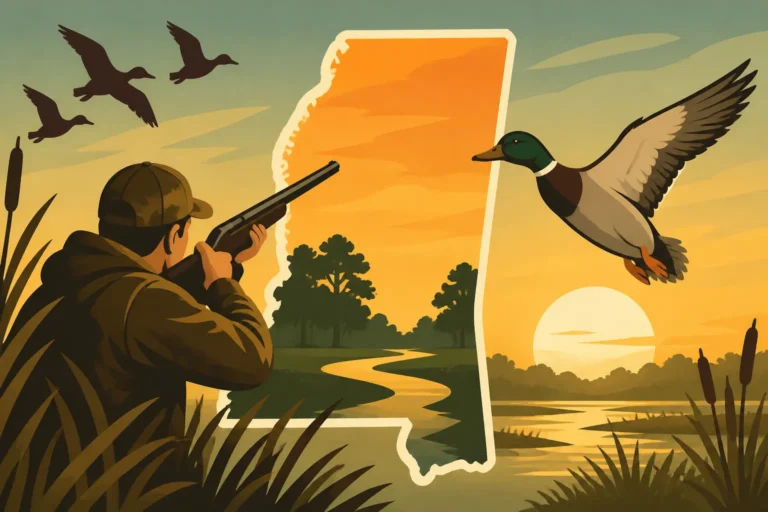
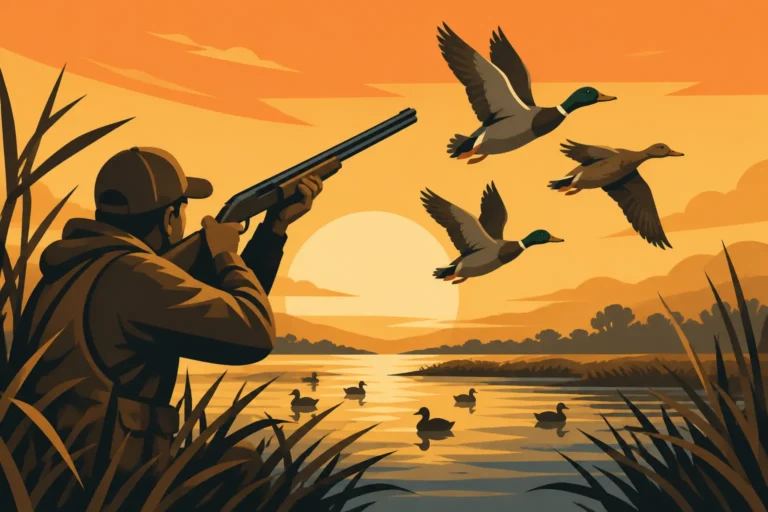
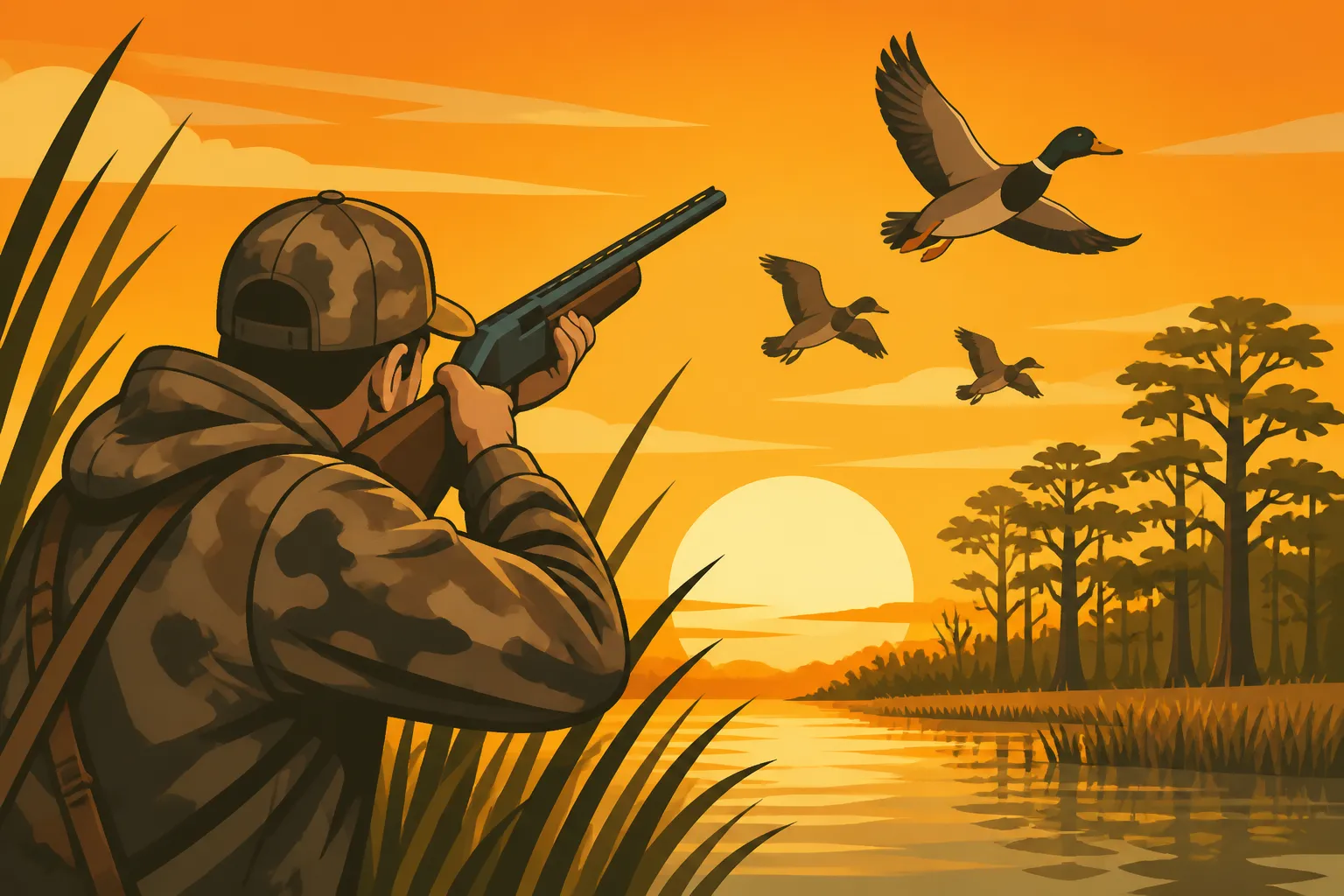
Then there's the waterfowl. Oh, the waterfowl! The Mississippi Flyway funnels millions of ducks and geese directly through the Delta each winter. Waterfowl Hunting the Mississippi Delta is an experience unto itself, with flooded timber, shallow sheet water fields, and managed impoundments providing critical resting and feeding grounds. Mallards, gadwall, teal, and pintails flock to these areas, creating incredible opportunities for hunters. The sheer volume of birds can be overwhelming, but knowing where they want to be on any given day, understanding changing water levels, and having the right spread of decoys, specialized blinds, and even retriever handling services is where outfitters truly shine. They invest heavily in prime leases and equipment to put you in the best spots.
Understanding the Delta Landscape and Challenges
The Delta is a land of extremes and unique challenges. Picture miles of flat, fertile ground, broken by meandering bayous, old river channels (known as sloughs), and remnants of ancient hardwood forests. Much of the land is privately owned and actively farmed, meaning access can be tightly controlled. For a do-it-yourself hunter, securing permission on quality ground is a monumental task, often requiring years of networking or significant financial investment in leases. Public land exists, but it can be intensely pressured, especially during peak seasons.
The terrain itself presents obstacles. After heavy rains, fields can become soupy quagmires, and flooded timber requires specialized boats or even ATVs with tracks to navigate. Scouting this vast, often uniform landscape to find the subtle funnels or hidden pockets where deer and ducks concentrate demands countless hours and local expertise. An outfitter mitigates these challenges by providing access to thousands of acres of managed private land, equipped with the necessary vehicles, established blinds, and deep local knowledge. They've already done the hard work of finding the game and setting up the infrastructure, allowing you to focus purely on the hunt.
Types of Outfitters and Their Services in the Delta
The Mississippi Delta offers a diverse range of hunting experiences, and outfitters specialize in catering to specific game species and hunting styles. Whether you're chasing that elusive Delta buck or dreaming of a greenhead flurry, there's likely an outfitter tailored to your pursuit.
Deer Hunting Outfitters
When it comes to deer hunting in the Delta, outfitters typically focus on providing access to prime agricultural lands interspersed with hardwood blocks. These operations often manage thousands of acres, employing careful habitat work and supplemental feeding (where legal) to grow and hold quality deer. Expect comfortable box blinds overlooking vast food plots or field edges, strategically placed ladder stands in pinch points between cover and crops, or even ground blinds nestled into thickets. Guides are usually intimately familiar with the properties, knowing specific deer movement patterns, preferred bedding areas, and which stands are best for various wind directions.
Many Delta deer outfitters aim for Hunting Delta Unit Bottomland Deer, targeting those mature bucks that thrive on the Delta's rich forage. Some even specialize as Trophy Buck Guides in the Delta, offering premium packages with a focus on older, larger-antlered deer. These hunts often come with strict harvest criteria, ensuring the long-term health and quality of their deer herd. You might find yourself rattling or grunting from a secluded stand in the heart of the rut, hoping to pull in a cruising buck, or patiently waiting for a giant to step out onto a winter rye field at last light. The key is that the outfitter has done the scouting, established the stand, and put you in a high-probability location.
Waterfowl Hunting Outfitters
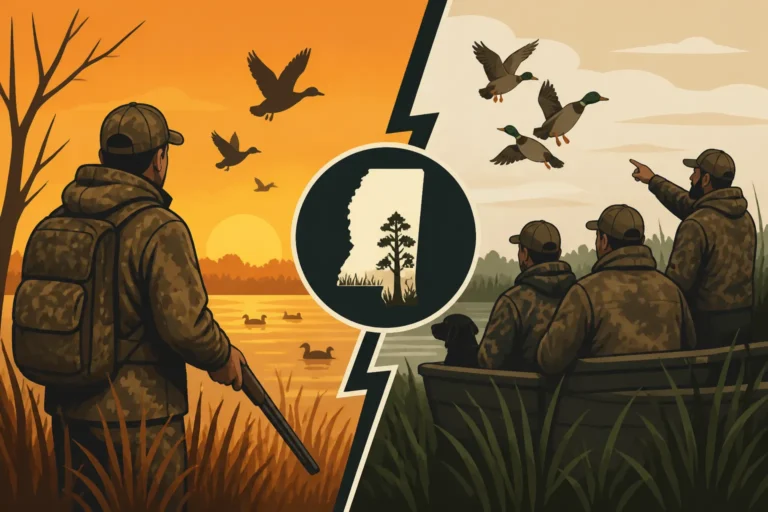
Waterfowl hunting is arguably where Delta outfitters truly shine. The logistics of consistently putting hunters on ducks and geese in changing conditions are immense. Delta duck lodges are legendary, offering multi-day, all-inclusive experiences. You'll often find yourself hunting from custom-built pit blinds in cut agricultural fields, layout blinds strategically placed in sheet water, or from boats pushed deep into Flooded Timber Guide Services. The guides typically provide all the necessary gear: decoys, blinds, dog handling, and transportation to and from the hunting location, which can involve early morning boat rides or long treks across muddy fields.
The focus is usually on mallards, but many outfitters will target other species like pintails, gadwall, and even specklebelly geese, depending on migration patterns and the specific property. All-Inclusive Delta Duck Packages often include not just the guided hunts, but also lodging in comfortable cabins or lodges, home-cooked meals, and a vibrant social atmosphere where hunters can share stories. These operations have dedicated staff who monitor bird movement daily, adjust decoy spreads, and ensure everything is meticulously set up for success, often long before you even wake up. They live and breathe the migration, constantly adapting to weather and bird behavior.
Specialty Hunts: Hogs and Turkeys
While deer and ducks take center stage, the Delta also offers opportunities for other game, particularly feral hogs. These destructive animals are abundant and can be hunted year-round, often offering an exciting off-season or add-on experience. Outfitters often run Thermal-Assisted Hog Guide Packages for night hunting, providing specialized equipment like thermal scopes and night vision that allow for ethical and thrilling hunts under the stars. These hunts are a blast, often involving stalking through fields or blinds overlooking bait sites under the cloak of darkness.
Turkey hunting is less prevalent with dedicated Delta outfitters compared to the hillier regions of Mississippi, but some may offer spring gobbler hunts, especially if their properties include significant tracts of mature timber. For this, they'd likely employ traditional calling and run-and-gun tactics, similar to what you might find for Spring Turkey Hunting in Mississippi. While not as widespread as the deer and duck offerings, these specialty hunts can provide unique thrills and round out a diverse hunting trip to the Delta.
What to Look For in a Mississippi Delta Outfitter
Choosing the right outfitter can make or break your hunting trip. In a region as renowned as the Mississippi Delta, there are many options, but not all are created equal. Taking the time to do your homework and ask the right questions will pay dividends.
Reputation and Experience
The first thing to investigate is an outfitter's reputation. Don't just rely on glossy brochures or website testimonials. Dig deeper. Look for consistent reviews across multiple platforms. Sites like BookYourHunt or GoHunt can be valuable resources, often featuring client reviews and ratings. But go beyond that: ask for references from past clients, and actually call them. Ask specific questions: Was the guide knowledgeable? Was the lodging as described? Were the hunting opportunities realistic? Did they feel safe and well-prepared? A good outfitter will be happy to provide references and stand by their service.
Beyond general reputation, consider their experience in the Delta specifically. How long have they been operating in the region? Do they own or lease a significant amount of land? A deep understanding of local game patterns, weather influences, and the unique challenges of Delta hunting only comes with years on the ground. A newer outfitter isn't necessarily bad, but they should be transparent about their experience level and have strong local ties. Someone who has been guiding in the Delta for decades will have an unparalleled understanding of the nuances of the region's hunting.
Land Access and Management
In Mississippi, particularly in the Delta, private land is king. Quality hunting often boils down to access. You need to ask about the specific properties an outfitter hunts. Do they own the land, or do they have long-term leases? How many acres do they have access to? A larger acreage base allows them to rest areas, rotate stands, and spread out hunting pressure, which is crucial for maintaining quality game populations. Why Some Delta Outfitters Lease Thousands of Acres isn't just about showing off; it's about providing consistent, low-pressure hunting experiences.
Inquire about their game management practices. Do they have a biologist on staff or consult with one? What are their antler restrictions for deer? Do they plant specific food plots or manage water levels for ducks? A responsible outfitter actively manages their land and game populations for long-term health and quality, rather than just harvesting indiscriminately. Their commitment to habitat and herd health directly impacts your chances of a successful and ethical hunt. This kind of transparency instills confidence that you're hunting with someone dedicated to the sport.
Inclusions, Logistics, and Transparency
Understanding what's included in your hunt package is paramount to avoiding surprises. An "all-inclusive" package should clearly state if it covers lodging, meals, guide services, transportation during the hunt, and initial game care (field dressing, basic caping). What about licenses and permits? These are almost universally not included and are your responsibility to purchase beforehand. Ask about guest policies, whether non-hunting companions are allowed, and what those costs might be.
Logistically, clarify meeting points, transportation to the hunting areas, and what gear you need to bring. What happens in adverse weather? Do they have contingency plans for heavy rain, extreme cold, or unexpected flooding? Finally, be sure to get a clear understanding of their deposit and cancellation policies. Life happens, and you want to know what your options are if you need to reschedule or cancel. A reputable outfitter will have these policies clearly outlined, often in a written agreement, and will communicate them upfront. Don't hesitate to ask for a written quote detailing every aspect of the hunt.
Here's a simple checklist to help you compare:
| Feature | What to Ask | Why It Matters |
|---|---|---|
| Experience/Reputation | How long in Delta? References? Reviews? | Local knowledge is key; past client satisfaction is a strong indicator. |
| Land Access | How many acres? Owned or leased? Private only? | More acreage means less pressure, better game quality, more options. |
| Game Management | Antler rules (deer)? Habitat work? Water management (ducks)? | Shows commitment to long-term quality, not just short-term harvest. |
| Inclusions | Lodging, meals, guide, transport, game care, dog handlers? | Avoids hidden costs; ensures clear expectations. |
| Logistics | Meeting spot? Hunt transport? Gear list? Weather contingency? | Smooth operation, safety, and preparedness. |
| Payment/Cancellation | Deposit amount? Final payment due? Cancellation policy? | Protects your investment; clarifies options if plans change. |
| Harvest Rules | Bag limits (outfitter specific vs. state)? Trophy fees? | Ensures you understand what you can harvest and any associated costs. |
| Licensing | Are licenses included (almost never)? Where/when to buy? | Crucial for legal hunting; your responsibility. |
Planning Your Guided Delta Hunt
Once you've narrowed down your outfitter choices and are ready to book, there are still a few critical steps to ensure your trip to the Mississippi Delta is successful and stress-free.
Timing Your Trip
The timing of your hunt in the Delta is incredibly important, as it directly impacts what you can expect to see and harvest. For deer, the general consensus is that the weeks surrounding the peak of the rut offer the most exciting hunting. When the Mississippi Rut Peaks by Unit can vary slightly across the state, but in the Delta, it typically falls in mid-December through early January. During this period, bucks are actively seeking does, making them more vulnerable and increasing daytime movement. Booking during this window often means higher demand and potentially higher prices, so plan well in advance. Late season can also be productive as deer focus heavily on late food sources.
For waterfowl, the peak of the migration usually occurs from mid-December through January, when the coldest weather to the north pushes the largest numbers of ducks and geese down the flyway. Duck Migration Timing Through Mississippi is heavily influenced by weather patterns, and an outfitter with their finger on the pulse of the migration can put you in the right place at the right time. Booking during these prime weeks means you're more likely to experience those legendary Delta duck hunts. However, booking early is essential, as these dates fill up quickly. Always communicate your target species and desired hunting experience with the outfitter to help them suggest the best dates.
Licensing and Regulations
Before you even think about stepping foot in a blind, you absolutely must secure the proper hunting licenses and permits. For non-residents, Mississippi has specific requirements that differ from residents. You'll likely need a non-resident hunting license, and depending on your chosen game, a deer permit, turkey permit, and potentially a federal duck stamp and HIP certification for migratory birds. Be sure to check the Mississippi Department of Wildlife, Fisheries, and Parks (MDWFP) website well in advance. Mississippi Nonresident License Options provides a good overview of what's available. Your outfitter can usually point you to the correct licenses, but ultimately, it's your responsibility to purchase them.
It's also vital to be aware of Mississippi's Chronic Wasting Disease Zones, as parts of the Delta region may fall within these management areas. If you harvest a deer in a CWD zone, there are often mandatory testing requirements and carcass movement restrictions you need to follow. Your outfitter should be knowledgeable about these rules, but always educate yourself. Understanding Mississippi's specific game laws, bag limits, and antler restrictions (especially for Delta Unit bucks) is not just a suggestion – it's a legal obligation. Good outfitters enforce these rules rigorously, and you should too.
Preparing for the Hunt
Once the hunt is booked and licenses are in hand, it's time to prepare yourself and your gear. Delta hunting can be physically demanding. Duck hunting often involves slogging through mud or cold water, loading decoys, and navigating boats. Deer hunting can mean long sits in a blind, sometimes in variable weather. Make sure you're physically up to the task. Practice shooting your chosen firearm or bow until you are confident and proficient. Know your ethical shot distances and stick to them.
Pack appropriate clothing for Mississippi's unpredictable weather. Early season might be warm and humid, while peak winter can be surprisingly cold and damp. Layering is key. Waterproof boots, rain gear, and warm layers are essential for waterfowl. For deer, scent control and camouflage suitable for the region (often muted browns and greens) are important. Don't forget your binoculars, rangefinder, headlamp, and a good hunting knife. Your outfitter will provide a detailed packing list, but generally, assume you'll need to be prepared for anything Mother Nature throws your way in the Delta. The more prepared you are, the more you can enjoy the experience without worrying about discomfort or forgotten gear.
Disclaimer
This article is for general informational purposes only and does not constitute professional advice. Laws, prices and regulations vary by location and change over time. Consult a qualified professional for guidance on your specific situation.