Hunting Greentree Reservoirs for Mallards
Hunting greentree reservoirs (GTRs) for mallards in Mississippi can feel like trying to solve a complex puzzle in the dark. These unique, man-made flooded timber areas can be incredibly productive, but they can also be frustratingly silent if you don't understand their nuances. This guide aims to demystify the art and science of hunting GTRs, helping you unlock their potential for consistent mallard action.
Understanding Mississippi's Greentree Reservoirs
Greentree reservoirs are a cornerstone of waterfowl hunting in Mississippi, especially for those seeking the thrill of mallards wheeling through the timber. They represent a blend of natural habitat and strategic management, creating a haven for ducks during the migration.
What Makes GTRs Unique for Mallards
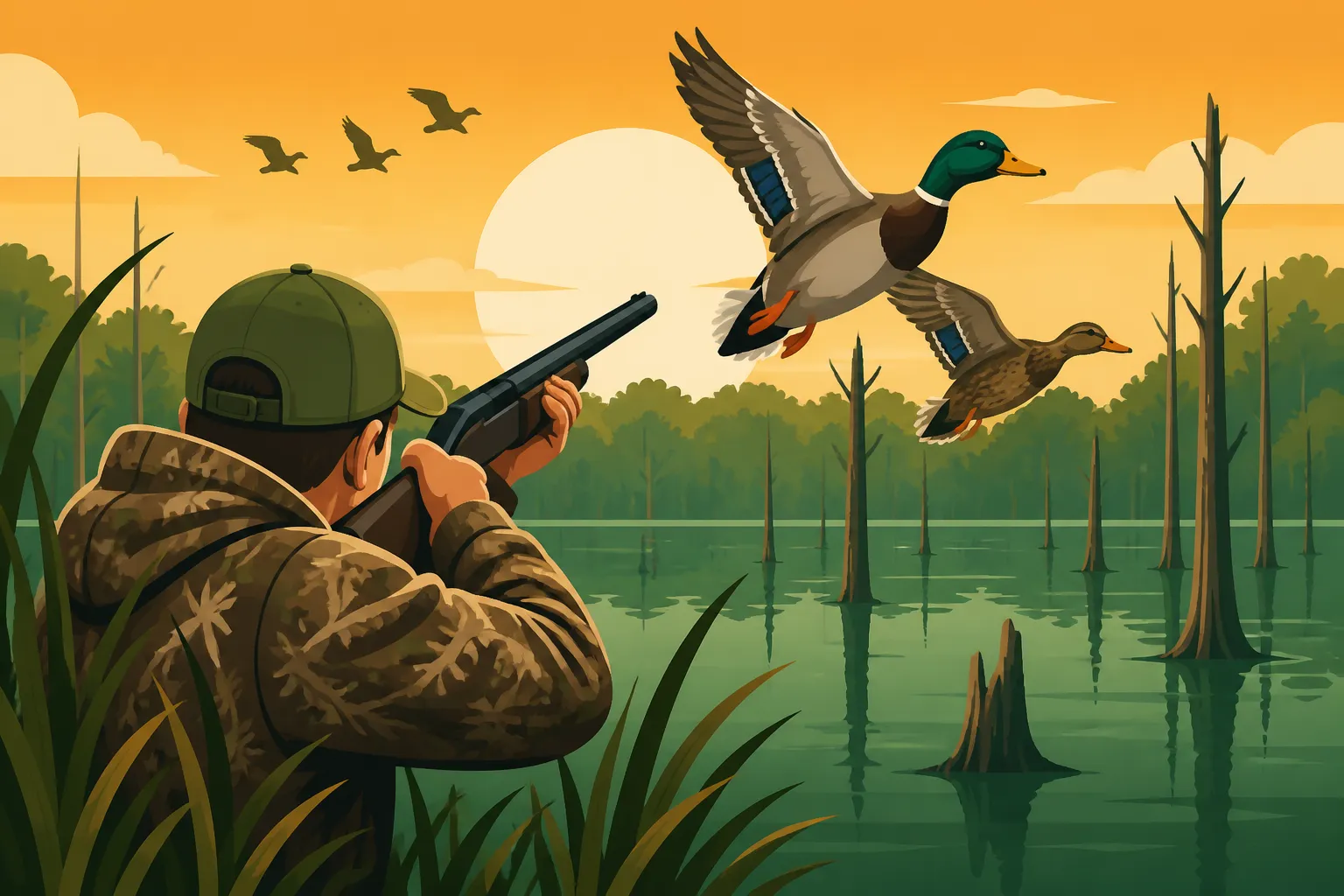
Unlike naturally flooded timber, which depends on unpredictable rainfall or river overflows, GTRs are actively managed to flood specific blocks of hardwood timber, often composed primarily of red oaks, pin oaks, and willow oaks. This controlled flooding provides a reliable, high-energy food source – acorns – that is irresistible to mallards. These areas are typically flooded just as the acorns begin to fall or shortly thereafter, making this protein-rich food source available when ducks need it most. The shallow water, often just enough to cover the forest floor, allows mallards to dabble and feed efficiently, unlike deeper sloughs or larger open water bodies where different species might prefer to loaf. The timber itself offers crucial protection from predators and the elements, giving mallards a sense of security that makes them comfortable to feed and rest.
Comparing a GTR to a vast agricultural field hunt, the experience is profoundly different. In a field, ducks might feed and then leave; in a GTR, they often come to stay, loafing and feeding throughout the day. This makes the timber a much more intimate hunting experience, demanding stealth and patience. The tight confines of the trees also mean incoming birds are often right on top of you before you know it, adding to the excitement.
The Importance of Water Management
The success of a GTR hinges entirely on its water management. The Mississippi Department of Wildlife, Fisheries, and Parks (MDWFP), along with many private landowners, meticulously plans drawdown and reflooding cycles. Typically, GTRs are drained in the spring and summer to allow the trees to breathe, grow, and drop their acorns. Come late fall and early winter, once the acorns are on the ground, the reservoirs are reflooded. This timing is critical; flood too early, and the acorns might rot or become unpalatable; flood too late, and the ducks might bypass the area for other food sources.
The gradual flooding process often coincides with the arrival of early migratory ducks, effectively "pulling" them into these managed areas. As cold fronts push more mallards south along the Mississippi Waterfowl Migration Timing, well-managed GTRs become major congregation points. Hunters often pay close attention to reports on water levels, as a GTR that has just been flooded can be a magnet for birds looking for newly accessible food. Conversely, if water levels drop too low during the season, the ducks will quickly move out, seeking deeper water or alternative feeding grounds. This dynamic relationship between water levels, food availability, and duck presence makes GTR management a finely tuned art.
Key GTR Locations in Mississippi
Mississippi boasts several prime GTRs, each with its own character. One of the most well-known is the extensive network within the Sunflower WMA Inside Delta National Forest. This area offers a truly immersive flooded timber experience, dominated by mature hardwoods like Nuttall oaks. Hunters here can expect challenging but rewarding hunts, navigating dense timber and deep mud. Further south, areas like Mahannah Wildlife Management Area also feature managed flooded timber units, though they might have slightly different tree compositions or water control methods. These public land offerings are a fantastic resource for waterfowlers.
On private lands, especially throughout the Waterfowl Hunting the Mississippi Delta, many clubs and landowners invest heavily in creating their own private GTRs. These often involve sophisticated pump systems and levees, allowing for precise control over water depths and flooding schedules. While public land GTRs offer accessibility, private operations often benefit from lower hunting pressure and more consistent management, sometimes leading to larger concentrations of birds. Regardless of whether you're on public or private ground, the core principles of GTR hunting remain the same: understand the habitat, scout diligently, and adapt your tactics.
Scouting Strategies for GTR Success
Scouting a GTR is fundamentally different from scouting an open field or a large lake. You're trying to read a forest floor, often obscured by water, for ephemeral signs of duck activity. It's a skill developed through experience and keen observation.
Pre-Season Reconnaissance
The absolute best time to scout a GTR is before it gets flooded. This dry-ground reconnaissance is invaluable. Grab your boots and a good GPS app like GoHunt or onX, and walk every inch of the area you intend to hunt. Look for the densest concentrations of acorn-producing oaks – these are your hotspots. Identify natural depressions in the terrain, areas where water will pool first and last, and potential travel corridors ducks might use to fly into these feeding zones. Take note of any distinct timber breaks, fallen logs that create natural blinds, or openings in the canopy that could serve as landing zones.
Pay close attention to subtle clues from previous seasons: old wader tracks, spent shotgun shells, and especially, old feather piles. These feather piles, particularly those with iridescent green mallard feathers, indicate previous loafing or feeding areas. By marking these points on your GPS, you'll have a roadmap of potential hot spots once the water comes up. Understanding the topography on dry land will save you immense frustration and wasted time trying to navigate flooded, featureless woods in the dark later on. It also helps you visualize where to set up your spread and how birds might approach.
In-Season Scouting and Observation
Once the GTRs are flooded and the season is open, direct scouting becomes much more challenging. You can't just walk in and look for fresh sign without disturbing birds or other hunters. This is where observation from a distance becomes critical. If possible, drive or walk perimeter roads and levees, listening intently for the tell-tale sounds of ducks – distant quacking, feeding chuckles, or the unmistakable rush of wings. Early morning or late evening, right before or after shooting hours, are prime times to observe flyways. You want to see where the birds are going into the timber and where they're coming out.
Use good binoculars or a spotting scope from a discreet, elevated position to watch where groups of mallards are pitching down. Are they heading to a particular section of trees? Are they landing in tighter pockets or wider openings? Note these locations. If allowed and safe, a very quiet paddle through parts of the GTR during the middle of the day, far from your intended hunting spot, can reveal loafing ducks or feeding activity, but be extremely cautious not to pressure birds out of their sanctuary. Remember, ducks will use different water depths for different activities, so observe where they are actively feeding versus just resting.
Reading Duck Sign in Flooded Timber
When you do manage to get into a GTR before the birds arrive, or after a hunt, you need to be adept at reading subtle duck sign. Fresh mallard droppings, which often appear as dark, cylindrical pellets with white caps, are a sure indicator of recent activity. The fresher they are, the more likely birds are still using that spot. Look for these on logs, stumps, or even directly in the shallow water. Freshly molted feathers, especially the vibrant green head feathers of a mallard drake, are another strong clue.
"Mud lines" on trees and stumps can also tell a story. A distinct line of mud higher up on the bark indicates where the water level once was. If you see fresh mud below this line, it means ducks have been actively dabbling and feeding, stirring up the sediment. If you're wading, the feel of the bottom can also be a clue. Areas that feel particularly soft and "churned up" might indicate a feeding hotspot. Pay attention to not just where you see sign, but the concentration of it. A few droppings might mean an occasional visitor, but an area peppered with fresh sign is a high-priority target. This keen attention to detail, much like a deer hunter reading scrape lines, is what separates successful GTR hunters from those who just hope for the best.
Essential Gear and Setup for GTRs
Hunting greentree reservoirs requires specialized gear and a strategic setup that caters to the unique environment. It's not just about having the right gun; it's about blending seamlessly into the flooded woods.
Decoy Spreads and Placement
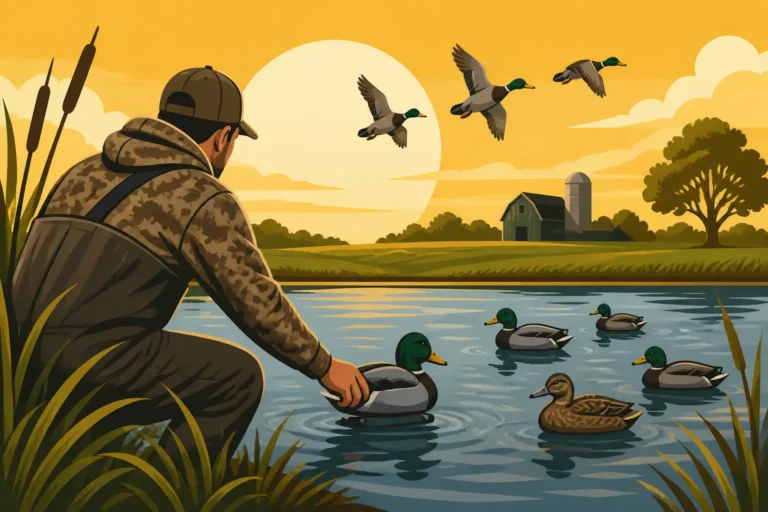
When hunting GTRs, less is often more with decoys, but realism is paramount. Mallards in flooded timber are often looking for small, secure pockets to land in, not vast open water. A typical spread might consist of 1 to 2 dozen mallard decoys, often paired with a few pintails or wood ducks for added realism. The key is to create a natural-looking landing zone. Place small groups of decoys, perhaps 3-4, around the edge of an open pocket or between trees, facing into the prevailing wind. Leave a clear, open landing strip directly in front of your shooting position.
Motion decoys are incredibly effective in GTRs. A spinning wing decoy (like a Mojos) placed just above the water line, or a jerk string setup that creates ripples, can be a game-changer, especially on calm days. The movement mimics feeding ducks and helps draw attention to your spread in the often-dense timber. Position your decoys so that incoming birds will naturally turn into the wind to land, presenting a broadside or decoying shot. Remember, the timber is naturally cluttered, so don't over-clutter your spread. Focus on creating an inviting space where a mallard feels comfortable committing. For instance, creating a small, natural-looking hole amidst the trees is far more effective than trying to spread decoys across a vast, open expanse that doesn't exist.
Camouflage and Concealment
Concealment in flooded timber is absolutely critical; you're hunting in a natural blind of trees, but the ducks are often looking down into the canopy. Wearing full camouflage, including face masks and gloves, is non-negotiable. Break up your outline against the dark trunks and sparse undergrowth. Many successful GTR hunters will carry a small piece of burlap or camouflage netting to drape over themselves or their gear, further enhancing their concealment. A small ground blind, even just a simple pop-up, can be helpful if you find an open spot without natural cover. The goal is to become an invisible part of the forest.
Your waders are another key piece of gear. You'll be standing or wading in cold water, often for hours. Neoprene waders are usually preferred for warmth and durability. A good waterproof and windproof hunting jacket is also essential, along with warm layers underneath. Remember, you'll often be walking in the dark, so a reliable headlamp is a must, but be prepared to turn it off long before first light to avoid spooking birds. Think about how to conceal your gun and any gear you bring, ensuring nothing reflective or out of place will catch a duck's eye.
Calls and Calling Tactics
Calling mallards in the timber is a nuanced art. Unlike open water or field calling, where volume and distance are often factors, GTR calling is generally softer, more realistic, and focused on finishing birds that are already interested. Start with soft, pleading hen calls or simple greeting calls. As birds respond, you might introduce a soft feeding chuckle. Avoid aggressive or loud hail calls unless birds are at a considerable distance and not responding to softer efforts. Over-calling is a common mistake that will often flare birds in the timber.
The key is to mimic a contented flock of feeding ducks. Listen to how actual ducks communicate in the wild; it's rarely a continuous barrage of loud quacks. Practice your feeding chuckles – that "dit-dit-dit" sound that signifies happy ducks on the water. When birds are circling, try a comeback call (a series of short, sharp quacks) only if they begin to drift away. Once they turn and head your way, go silent or offer just a soft cluck. The silence, combined with the visual appeal of your decoys, can often be the final convincing factor. Remember that the dense timber scatters sound, so a slightly louder call might be needed to carry, but always err on the side of caution.
In-Hunt Tactics for Mallards in the Timber
The morning of a GTR hunt is a symphony of preparation, stealth, and acute awareness. Every step, every sound, and every decision can impact your success.
Optimizing Your Approach and Entry
The most critical phase of a GTR hunt begins long before shooting light: your silent, stealthy approach. Mallards are incredibly wary, and any loud noise, splashed water, or bright light can spook them from miles away, especially if they've roosted in the timber overnight. Park your vehicle well away from your chosen entry point and walk in using a headlamp on its lowest red-light setting, or even better, no light at all once you're close to the water. Move slowly and deliberately, minimizing splashing as you wade. Avoid dragging gear or bumping against trees.
If you know other hunters are in the area, be respectful of their space and avoid cutting across their potential approach routes. Once you reach your setup location, work quickly but quietly to deploy your decoys and get into your concealed position. The goal is to be completely hidden, motionless, and silent before first light, allowing the GTR to settle around you. This early morning stealth is paramount; a botched entry can ruin a hunt before it even begins. Some hunters will even use a small, quiet boat or kayak for deeper GTRs, paddling in silently rather than wading through thick mud.
Working the Wind and Light
Mallards, like all waterfowl, are highly sensitive to wind and light conditions, and understanding these elements is vital in a GTR. Always try to set up with the wind at your back or quartering. This forces incoming ducks to fly into the wind to land, giving you optimal decoying shots and slowing them down. If the wind shifts during the hunt, be prepared to adjust your position slightly or rearrange your decoys to maintain this advantage. The wind also helps carry your calls and moves your motion decoys.
Positioning yourself with the sun at your back is also ideal. This prevents the sun from shining directly into your eyes and silhouetting you, while also illuminating the incoming birds, making them easier to identify and shoot. As the morning progresses and the sun climbs, you might find yourself needing to shift slightly to keep the sun out of your face. Pay attention to shadows cast by the trees; ducks will often skirt the edges of these, looking for clear flight paths. A dynamic hunter is a successful hunter in the ever-changing light and wind conditions of a GTR.
Shot Selection and Retrieval
Patience is a virtue in GTR hunting. Unlike high-volume field hunts, GTRs often present fewer but higher-quality opportunities. Let the mallards fully commit to your spread. Watch their body language: when their wings cup and their feet drop, they're in. This is not the time for long-range Hail Mary shots. Wait until the birds are in your designated kill hole, ideally within 25-30 yards. A tight choke and heavy waterfowl loads (like #2 or BB steel shot) are generally preferred for timber hunting to ensure clean kills on hardy mallards.
After the shot, swift retrieval is essential. Mallards can be tough birds, and a wounded duck can quickly disappear into the dense timber or thick cover, especially in deeper water. If you're lucky enough to have a good retrieving dog, that's your best asset. For those without a dog, a long retrieve pole can be invaluable for reaching birds in thick brush or open water. Mark where the bird falls precisely, noting any prominent trees or landmarks. If a bird sails off, watch it until it hits the water or land, noting the exact spot. Blood Trailing After Dark in Mississippi is possible for deer, but nearly impossible for ducks in GTRs, so quick retrieval is key. A GPS can also be useful for marking a fall location if you need to wade a long distance to retrieve.
Challenges and Adaptations in GTR Hunting
GTR hunting is not without its difficulties. From unpredictable weather to crowded conditions, hunters must be adaptable and prepared for anything Mississippi throws their way.
Dealing with Changing Conditions
Mississippi weather can be notoriously fickle, and changing conditions profoundly impact GTR hunting. A sudden drop in temperature, especially after a cold front, can spur new waves of migration and make ducks more active as they seek food. However, prolonged frigid temperatures can freeze over shallow GTRs, pushing birds to deeper, open water bodies. Heavy rains can raise water levels, dispersing birds across a wider area and making acorns less concentrated. Conversely, a lack of rain can lead to quickly receding water, leaving acorns high and dry.
"Bluebird skies," those clear, calm, sunny days following a cold front, often make mallards hesitant and shy. On these days, calling should be even softer and more sparse, and concealment becomes even more critical. Ducks will often circle higher and be warier. You might need to try different areas or shift your focus to later in the morning when birds might feel more secure after initial feeding. Being flexible and observing how ducks respond to current conditions is key. If your usual spot is slow, don't be afraid to pull up stakes and try another area, even if it's just a few hundred yards away in different timber.
Hunting Pressure and Competition
GTRs, especially on public lands like the Sunflower WMA Inside Delta National Forest, are popular destinations, and hunting pressure can be intense, particularly on opening weekend or after a fresh cold front. Dealing with crowds is a reality of public land hunting. Try to scout less accessible areas – pockets of timber that require a longer walk or a more challenging wade. These spots often see less pressure and can hold birds that have been pushed out of more accessible areas.
Practicing good hunter etiquette is crucial. Arrive early enough to get to your spot without disturbing others. Give other hunters ample space, respecting their setup and flight paths. If another group gets to a spot before you, simply move on; there's always another bend in the slough or another pocket of timber to explore. Communication with other hunters, if possible and appropriate, can help prevent conflicts and ensure everyone has a safe and enjoyable hunt. Avoiding sky-busting or taking shots at birds out of range is also critical, as it spooks birds for everyone.
Safety First in Flooded Timber
Hunting in flooded timber presents unique safety challenges. The most obvious is the water itself. Depths can vary dramatically, from ankle-deep to chest-high, often within a few steps. Submerged stumps, logs, and roots can cause trips and falls, leading to injury or dropping your gear. Always use a sturdy wading stick or walk slowly, shuffling your feet to feel the bottom. Carrying a small, dry bag for your phone, keys, and wallet is a smart move.
Hypothermia is a real risk in cold water, especially if you fall or your waders leak. Always hunt with a buddy and inform someone of your hunting plans and expected return time. Dress in layers, avoiding cotton, which loses its insulating properties when wet. A life vest, especially in deeper GTRs or if you're using a boat, is highly recommended. Ensure your firearm is unloaded and safe when navigating tricky terrain, and always be aware of your muzzle direction. Remember that GTRs are often remote, so a small first-aid kit, a whistle, and knowledge of your exit routes are also important for a safe and successful trip. Much like any other wild pursuit, safety must always be your top priority.
| Feature | Greentree Reservoir (GTR) | Natural Flooded Timber (e.g., River Bottom) |
|---|---|---|
| Water Source | Managed via pumps, levees, gates (controlled) | River overflow, rainfall (uncontrolled) |
| Water Level | Typically shallow, consistent (managed) | Highly variable, can be deep; fluctuates with river |
| Primary Food | Acorns (oaks specifically chosen/managed) | Varied, includes acorns, seeds, invertebrates |
| Accessibility | Often planned access points, but can be dense | Can be very remote, difficult to access during flood |
| Hunting Pressure | Can be high, especially on public land GTRs | Varies greatly, often lower in remote areas |
| Predictability | More predictable duck usage due to stable food/water | Less predictable, dependent on natural events |
| Timber Type | Often pure stands of desirable oaks | Mix of various hardwoods, sometimes cypress/tupelo |
| Key Advantage | Reliable food source, consistent duck magnet | Wild, remote feel; diverse habitat; less pressure |
Disclaimer
Always consult the latest Mississippi Department of Wildlife, Fisheries, and Parks (MDWFP) regulations before embarking on any hunting trip. Season dates, bag limits, licensing requirements, and specific WMA rules can change annually. This guide is for informational purposes only and should not replace official state regulations.