Checking a Mississippi Deer Harvest Online
We've all been there: you've just made a great shot, the deer is down, and the adrenaline is still coursing. You're trying to soak in the moment, maybe snap a quick photo, but in the back of your mind, a nagging thought starts to creep in: "Now what? How do I report this thing?" The rules can feel like a moving target, especially for those new to hunting in Mississippi or even seasoned folks returning after a few years. This guide is here to clear up all that confusion, walking you through the ins and outs of checking a Mississippi deer harvest online, ensuring you stay legal and contribute to vital wildlife management efforts.
Why Reporting Your Harvest Matters So Much
It might seem like a bureaucratic step, just another hoop to jump through after a successful hunt. But trust me, reporting your deer harvest in Mississippi is far more significant than simply checking a box. It’s a crucial part of wildlife conservation and your direct contribution to ensuring healthy deer populations for generations to come.
The Data Behind Deer Management
Think of every deer harvest report as a puzzle piece. When thousands of hunters across Mississippi report their deer, the Mississippi Department of Wildlife, Fisheries, and Parks (MDWFP) can assemble a detailed picture of the state's deer herd. This data isn't just nice to have; it's absolutely vital. Wildlife biologists use this information to understand population trends, herd health, age structures, and even the impact of various diseases or environmental factors. Without accurate data, they'd be flying blind, making it incredibly difficult to implement effective management strategies. They track everything from antler size in specific units to overall harvest numbers, giving them the pulse of the deer population. This comprehensive data allows them to adjust future seasons, bag limits, and antler restrictions to maintain a sustainable and thriving deer population. The more hunters who report, the clearer and more accurate that picture becomes, leading to better hunting opportunities for all of us. You can even review summaries of this data in reports like the Mississippi Deer Harvest Records.
Legal Obligations and Compliance
Beyond the conservation benefits, reporting your harvest is a non-negotiable legal requirement in Mississippi. It's not optional, and ignoring it can lead to fines or other penalties. The MDWFP mandates that all deer harvested, regardless of where or how they were taken (public or private land, archery, gun, or muzzleloader), must be reported. This rule applies to residents and nonresidents alike. The system is designed to be user-friendly, precisely so there's no excuse for non-compliance. You've gone through the effort of buying your Mississippi Hunting Licenses and What They Cost, understanding the Mississippi Deer Season Structure Explained, and spending time in the woods; don't let a simple reporting oversight tarnish your hunting experience or land you in hot water. Staying on the right side of the law is part of being a responsible hunter, and the reporting process is a fundamental aspect of that responsibility. Make it a part of your routine, just like field dressing or packing out your gear.
Supporting Mississippi's Wildlife
Every time you report a deer, you're not just fulfilling a legal obligation; you're actively participating in the future of hunting in Mississippi. The funds generated through hunting licenses and related activities, including a portion linked to harvest data collection, directly support MDWFP's conservation programs. These programs include habitat improvement, research, wildlife law enforcement, and hunter education initiatives like the Mississippi Hunter Education Requirements. Think about it: a healthy deer herd means better hunting, and better hunting means more people buying licenses, which in turn fuels more conservation. It's a positive feedback loop, and your reporting is a critical link in that chain. By providing accurate, timely data, you help ensure that MDWFP has the resources and information needed to manage all of Mississippi's wildlife, not just deer, benefiting countless species and their habitats across our beautiful state.
Navigating the MDWFP Online Reporting System
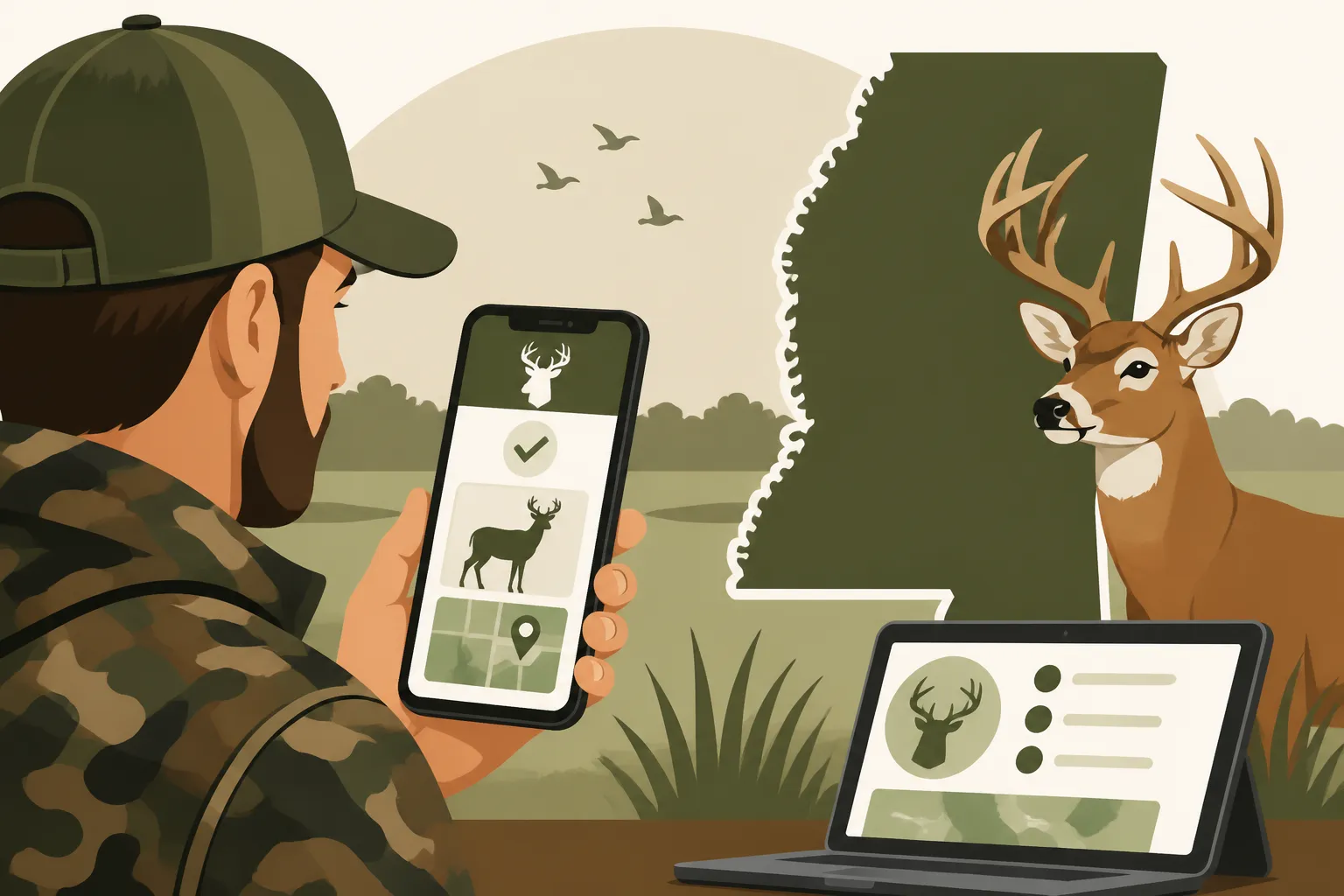
So, you've got a deer on the ground and it's time to report. The MDWFP has made it pretty straightforward to do this online, whether you're at deer camp with a laptop or out in the field using your smartphone.
Getting Started with Your Account
The first step is always to head over to the official MDWFP website or open their dedicated app. You'll need to log in to your account. If you've ever purchased a license online, you already have one. If not, don't sweat it – creating an account is quick and easy. You’ll typically need your customer ID number (found on your license), date of birth, and possibly the last four digits of your social security number to verify your identity. It's crucial that this account is linked to the same information you used to purchase your hunting license, as the system will cross-reference it to ensure you're a valid license holder. Once logged in, you'll look for a section specifically labeled "Report a Harvest" or similar. Before you even head out for the season, it’s a good idea to ensure you know your login details and that your license is up-to-date. Nothing is worse than standing over a fresh harvest, trying to remember a forgotten password with shaky hands.
The Step-by-Step Reporting Process
Once you've navigated to the reporting section, you'll be prompted to enter a series of details about your harvest. Accuracy here is key! Take your time and double-check each piece of information. The system is designed to be intuitive, guiding you through each field. Here's a breakdown of the typical information you'll need to provide:
| Information Field | Details Required | Importance |
|---|---|---|
| Species | Select "White-tailed Deer." | Ensures data is categorized correctly. |
| Harvest Date & Time | The exact date and approximate time the deer was harvested. | Tracks hunting pressure, success rates throughout the season. |
| County | The county where the deer was harvested. | Essential for localized management data. |
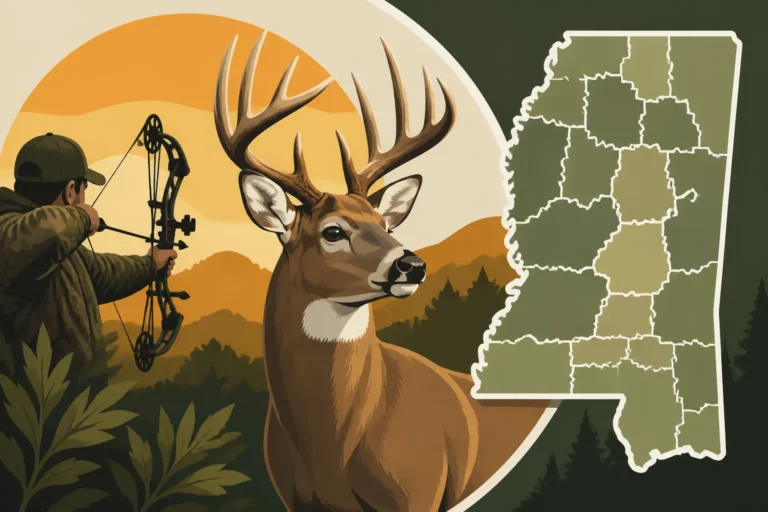
| Management Unit | Select the specific Mississippi's Four Deer Management Units (Delta, Hills, Southeast, North Central). | Critical for unit-specific regulations and population analysis. |
| Sex of Deer | Buck or Doe. | Vital for calculating buck-to-doe ratios and population growth potential. |
| Antler Points | For bucks, number of antler points (1 inch or longer). | Helps assess herd age structure and antler quality. |
| Weapon Used | Archery, Muzzleloader, or Gun. | Understands the effectiveness of different hunting methods. |
| Land Type | Public or Private. | Informs management strategies for different land types. |
Filling out this table is often very straightforward. For bucks, if you're hunting in areas with specific antler restrictions, like the Delta Unit Twelve-Inch Spread Rule Explained or the Hills Unit Ten-Inch Spread Rule Explained, make sure you accurately count points and estimate spread according to the regulations. If you're unsure, it's always better to over-report points than under-report, but the goal is accuracy. Remember, this data helps shape future hunting rules, so your truthful input directly benefits the resource.
Common Pitfalls and Troubleshooting
Even with the best intentions, sometimes things go sideways. One common issue is losing cell service, especially if you're deep in the woods or down in a bottomland swamp. If you can't get service, don't panic. You're expected to report your deer as soon as reasonably possible once you're back in an area with service. This might mean waiting until you get back to camp or even home. Another pitfall can be incorrect data entry. If you accidentally input the wrong county or gender, the system usually allows for editing a recent entry, but it’s best to avoid errors from the start.
Sometimes, the MDWFP system, like any online platform, can experience slow periods, especially during peak times such as the Why Mississippi's Gun Opener Draws the Biggest Crowds. If you find the site unresponsive or sluggish, try again in a bit, or switch to the mobile app if you haven't already. Patience is key. If you encounter persistent technical issues, the MDWFP website usually provides contact information for their support staff, and calling them is always a good option rather than simply giving up. Always document any issues you have, just in case you need to explain a delay in reporting.
Using Third-Party Apps and Alternatives
While the official MDWFP online portal and app are the primary methods for harvest reporting, the hunting community has also embraced other tools and technologies that can complement this process or offer alternatives when direct online access isn't feasible.
The Official MDWFP App
For many hunters, the MDWFP's official mobile application is an absolute game-changer. It puts the entire reporting system right in your pocket. Imagine harvesting a deer, and instead of waiting until you get home, you can fulfill your legal obligation right there in the stand or at the tailgate. This convenience significantly increases compliance and the timeliness of data submission. The app usually mirrors the online portal's functionality, making it easy to input all the necessary details on your phone. It's also fantastic for quick reference to regulations, season dates, and even locating public lands while you're afield. You can learn more about this method in detail by looking into Reporting a Deer Through Mississippi's App. Downloading it before the season starts, setting up your login, and even doing a test run (without actually reporting a deer, of course!) can save you a lot of hassle when the moment arrives. Many apps now even allow for offline data entry, syncing once you regain service, which is incredibly useful in remote areas.
Integrating with Hunting Management Platforms
Beyond the official channels, many hunters rely on comprehensive hunting management platforms for mapping, scouting, and record-keeping. While these platforms don't replace the official MDWFP reporting system, they can certainly make your life easier by organizing your hunting data. For example, a platform like GoHunt provides incredibly detailed mapping capabilities, helping you pinpoint your exact location for harvest reporting. You can mark kill sites, track your movements, and log hunt details, which then makes filling out the official MDWFP report quicker and more accurate. While GoHunt itself won't submit the report for you to the state, it can be an invaluable tool for recording all the pertinent information (like exact GPS coordinates, time, and specific land features) that you'll then transfer to the MDWFP system. Some platforms even offer integrations or features that streamline data transfer, acting as a handy intermediary. Think of it as your personal hunting journal that helps you prepare for the official paperwork.
Phone Reporting and In-Person Options
For those rare instances where online reporting simply isn't an option – maybe a widespread internet outage, or if you prefer a more traditional method – there are often phone-in options. The MDWFP typically provides a dedicated phone number for harvest reporting. While not as immediate or data-rich as online reporting, it ensures that everyone has a way to comply with the law. This method usually involves a brief conversation with an MDWFP representative, who will guide you through the required questions. It's slower, but it's a solid backup.
Additionally, in some areas, particularly in or near a CWD management zone, there might be check stations or designated drop-off points where you can report your harvest in person. This is often tied into mandatory CWD testing requirements, where you bring the deer's head for sampling. This is less common for general reporting outside of specific regulatory zones but is a critical point to be aware of, especially if you're hunting in one of Mississippi's Chronic Wasting Disease Zones. Always check the most current MDWFP regulations before you head afield to know what options are available and required for your specific hunting area and situation.
What Happens After You Report
You've successfully reported your deer, breathed a sigh of relief, and are now ready to enjoy your venison. But what actually happens with that information, and is there anything else you should know or do?
Confirmation and Record Keeping
After you've submitted your harvest report online or via the app, you should receive some form of confirmation. This is usually a confirmation number or a digital receipt. Do not discard this! This confirmation is your proof that you fulfilled your legal obligation. It's highly advisable to save a screenshot of this confirmation on your phone or print a copy for your records. In the unlikely event of an inquiry from a game warden or a discrepancy in the MDWFP database, having that confirmation number can save you a lot of headache. While the MDWFP's database should have a record, having your own proof is just good practice, especially if you're dealing with The Mississippi Deer Reporting Deadline and submitted it last minute. Keep it with your hunting license, in your hunting journal, or in a dedicated digital folder. It's a small step that provides significant peace of mind.
How MDWFP Uses Your Information
Your individual harvest report, combined with thousands of others, feeds directly into the MDWFP's robust data analysis. Biologists compile these numbers to create annual harvest summaries and long-term trend reports. This information helps them understand the overall health and size of the Mississippi Deer Herd Size, identify areas with overpopulation or declining numbers, and assess the impact of disease or habitat changes. They look at things like average antler size in different units to gauge buck age structure, and the number of does harvested to manage population growth. This data is critical for making informed decisions about future hunting regulations, such as adjusting bag limits, season lengths, or even introducing new hunting opportunities. Essentially, every time you click "submit," you're providing a valuable data point that helps secure the future of deer hunting in Mississippi. This collective data is regularly published, giving hunters insight into the resource they help manage.
Special Considerations: CWD Zones and Antler Restrictions
Hunting in areas affected by Chronic Wasting Disease (CWD) or those with specific antler point restrictions (APRs) adds a few extra layers of consideration to the harvest reporting process. If you harvest a deer within one of Mississippi's Chronic Wasting Disease Zones, there may be additional mandatory testing requirements. This often means you'll need to take the deer's head, or sometimes the whole carcass, to a designated CWD sampling station or a participating taxidermist within a specific timeframe. While reporting the harvest online is still the first step, these additional measures are critical for monitoring and containing the disease. You can find more information about these specific requirements, including locations for testing, by checking out Mississippi CWD Testing for Hunters.
Similarly, for bucks harvested in units with antler restrictions, like the Delta or Hills units, accurate reporting of antler points and spread is paramount. The system will likely prompt you for these details, and it’s your responsibility to ensure they are correct according to the specific unit's regulations. Misreporting an APR buck could lead to violations. Always verify the rules for your specific hunting location before you pull the trigger, and then double-check them before you submit your report. These regulations are in place to promote an older age structure within the buck population and ensure healthy breeding dynamics, which ultimately benefits the quality of hunting for everyone.
Disclaimer
Please note that hunting regulations, seasons, and reporting requirements can change. While this guide provides the most current and accurate information available at the time of writing, it is always the hunter's responsibility to consult the latest official Mississippi Department of Wildlife, Fisheries, and Parks (MDWFP) regulations before engaging in any hunting activities. Always refer to the official MDWFP website or their annual hunting guide for the most up-to-date information.