Hunting Mississippi River Batture Land
The Mississippi River batture land presents some of the most challenging yet rewarding hunting opportunities for those willing to embrace its wild, unpredictable nature. Unlike neatly managed public lands or private leases, the batture is a constantly shifting environment, influenced directly by the river's powerful currents and fluctuating water levels. This dynamic landscape can be daunting, but with the right knowledge and preparation, it offers access to robust populations of deer, hogs, and incredible waterfowl hunting that often see less pressure.
Understanding Mississippi River Batture Land
Before you even think about setting foot on batture land with a weapon, you need to understand precisely what it is and why it functions as such a unique ecosystem. It's not just "river bottomland"; it's a specific, dynamic type of terrain that plays by its own rules, literally and ecologically.
What is Batture Land?
At its simplest, batture land refers to the strip of land located between the main navigable channel of the Mississippi River and the man-made levees that protect adjacent agricultural fields and towns. Think of it as the river's overflow zone, its natural floodplain, though now confined by the levee system. This land is not behind the levee; it's in front of it, exposed to the full force of the river's ebb and flow.
This proximity to the river makes batture land incredibly dynamic. It’s constantly being shaped by floods, currents, and sediment deposition. What was a dry, sandy point bar one year might be a deep slough the next, or vice versa. You'll find a patchwork of habitats: dense, nearly impenetrable thickets of willow and cottonwood, patches of mature hardwoods on slightly higher ground, open sandbars, old oxbow lakes, and numerous sloughs and backwater channels. This ever-changing landscape is what makes it so fascinating and, at times, frustrating to hunt.
Why Batture is a Hunter's Paradise
Despite, or perhaps because of, its challenging nature, the batture is a genuine hunter's paradise. This ecological richness is a direct result of its unique geography. The fertile alluvial soils deposited by the river support an incredible amount of vegetation, providing abundant food and cover for a wide array of wildlife.
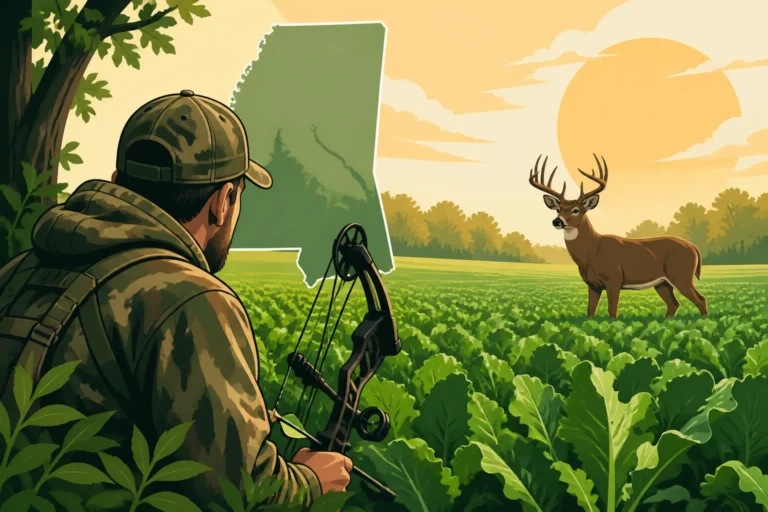
For deer hunters, the batture can hold some true giants. The Delta unit, which much of the Mississippi River batture falls within, is renowned for its ability to grow older, larger bucks. These deer find everything they need here: sanctuary in the dense cover, nutrition from the rich browse and mast crops, and plenty of water. Because access can be difficult, these deer often face less hunting pressure than those in more accessible areas. If you're looking for an opportunity to tag a trophy buck, areas like this can be a goldmine, though it takes serious effort.
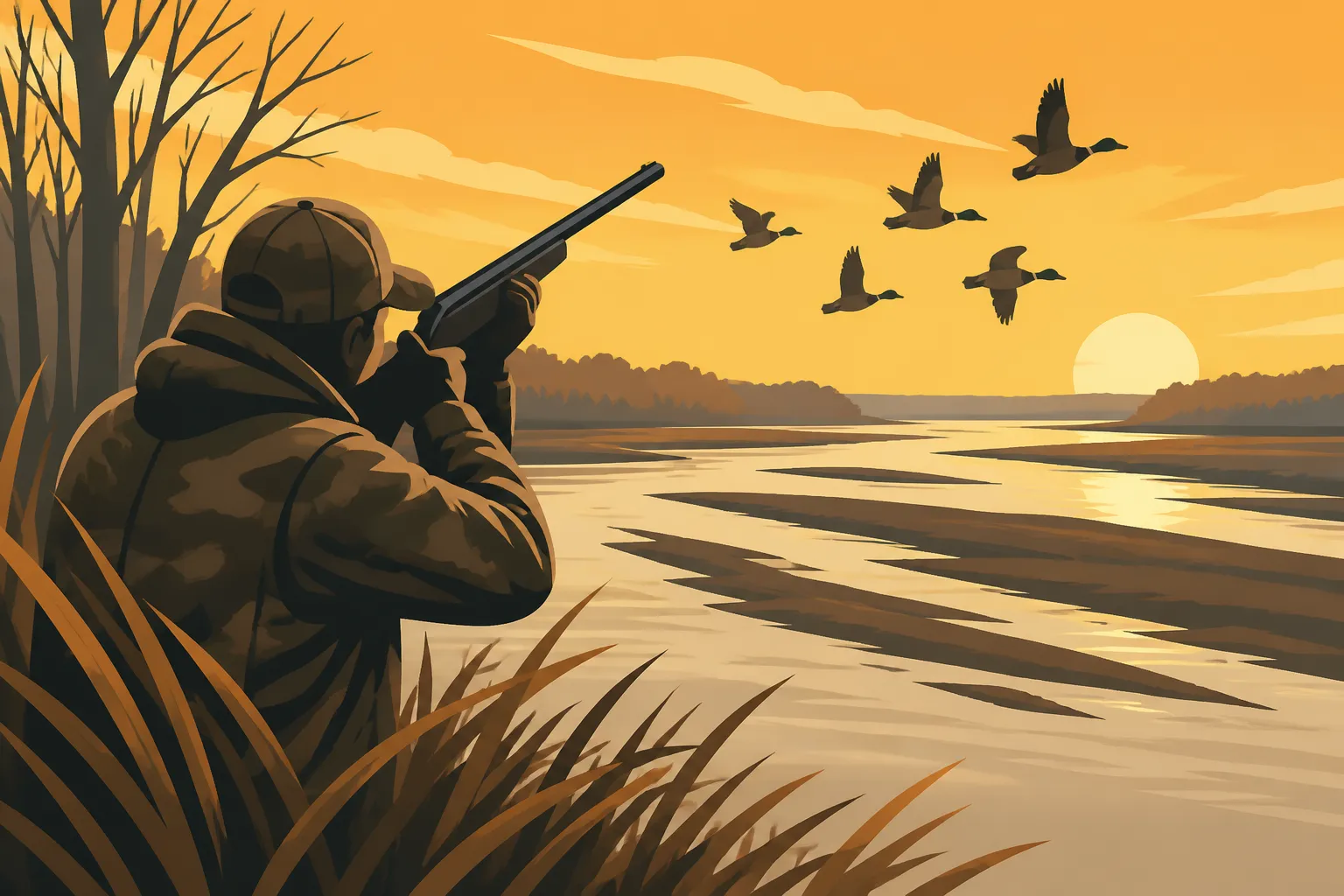
Beyond deer, the batture teems with other game. Feral hog populations are rampant, utilizing the dense cover and abundant food sources. For hunters interested in Hunting Mississippi's Year-Round Feral Hogs, the batture offers endless opportunities. Waterfowl, too, are drawn to the batture. The numerous sloughs, oxbows, and occasionally flooded timber pockets provide prime feeding and resting areas for migrating ducks and geese along the Mississippi Flyway. You might encounter large concentrations of mallards, wood ducks, and other species, especially during the colder months when the river's backwaters offer sanctuary.
Navigating Access and Regulations on Batture Land
Hunting batture land isn't as simple as driving up, parking, and walking in. The legal landscape here is as complex and shifting as the physical one. Understanding who owns what, and what rules apply, is absolutely critical to avoid legal trouble and ensure a successful hunt.
Public Versus Private Batture
One of the biggest hurdles is deciphering land ownership. Batture land can be owned by private landowners (often farmers whose property extends to the river, even if frequently submerged), the federal government (primarily the U.S. Army Corps of Engineers, which manages the river and levee system), or even the state. This creates a confusing patchwork where public access points can be few and far between, and private sections may be leased or posted.
It is absolutely paramount that you do your homework before you step foot on any batture land. Never assume it's public. Always verify. This means consulting official plat maps, Corps of Engineers district maps (which often delineate federal property), and the Mississippi Department of Wildlife, Fisheries, and Parks (MDWFP) resources. Geographic Information System (GIS) tools and hunting apps like GoHunt or onX Hunt are invaluable for overlaying property lines with satellite imagery. I personally swear by these tools for pinpointing public easements or identifying private tracts that might be available for permission. Getting written permission from a landowner is always the safest bet if you're venturing onto potentially private ground. Mississippi's trespass laws are clear, and you don't want to find yourself on the wrong side of them, especially in an isolated area.
Understanding MDWFP Rules and River Influence
While the batture is a unique environment, the standard statewide hunting regulations from the MDWFP generally apply. This means abiding by established deer seasons, bag limits, and legal firearms. For instance, the Mississippi Deer Season Structure Explained outlines the general framework, but always check for any specific regulations that might apply to a particular WMA or refuge area that borders or includes batture land.
However, the river's influence adds another layer of complexity. Water levels play a huge role in what's huntable and when. A prime hunting spot you scouted in late summer during low water might be completely submerged during the fall or winter when the river is high. Conversely, a receding river can open up new hunting grounds or expose key travel corridors. Keep an eye on river gauges and flood predictions from the National Weather Service. This isn't just about access; it's about understanding how the water pushes game around. High water often concentrates deer and hogs onto higher ground near the levee, or on isolated islands that become temporary refuges.
For waterfowl hunting, understanding the Mississippi Waterfowl Zones and Seasons is critical, as are any specific rules for hunting on federal Corps of Engineers land or near national wildlife refuges. Some areas might have restrictions on motor size, hunting hours, or require special permits. Always cross-reference your location with all applicable regulations. Don't forget, you'll also need to make sure your Mississippi Hunting Licenses and What They Cost are up to date before you head out.
Effective Hunting Strategies for Batture Success
Hunting batture land isn't about sitting in a comfortable box blind overlooking a food plot. It's often a rugged, physically demanding endeavor that rewards diligent scouting, adaptability, and a deep understanding of animal behavior in a dynamic environment.
Scouting and Seasonal Awareness
Scouting on batture land is a year-round commitment, not just a pre-season stroll. Because the landscape changes so rapidly with the river's moods, what you learned last year might be obsolete this year. Utilize satellite imagery, especially during low water periods, to identify potential travel corridors, pinch points, and isolated patches of timber or higher ground. GoHunt's detailed satellite layers can be incredibly helpful for this, showing historical water lines and vegetation changes.
Once the water is low enough, you need to put boots on the ground. Look for sign: fresh deer tracks in the soft river mud, rub lines along slough edges, or active hog rooting in areas where the water has recently receded. Pay close attention to how flood cycles impact animal movement. When the river rises, animals are pushed to the highest available ground – often the levee itself, or small ridges and high spots within the batture. As the water falls, they spread back out, often following predictable paths to newly exposed food sources. Understanding these movements is key to finding success.
Deer and Hog Tactics
For deer and hogs, the batture's dense cover and broken terrain create natural funnels. Focus your efforts on these pinch points: the narrow strips of land between a slough and the main river, the neck of an oxbow, or breaks in dense cane thickets. These are prime locations for ambushing animals as they move between bedding and feeding areas.
Given the potential for high water and dense undergrowth, elevated stands are often the most practical option for deer hunting. You'll gain a better vantage point, get above the thick vegetation, and potentially out of the reach of rising water. However, don't rule out still-hunting or using a ground blind, especially in areas with very thick cover or on small islands. Stalking can be incredibly effective in the right conditions, allowing you to move quietly through the broken terrain and surprise game. Just be mindful of the wind, which can swirl unpredictably near the water. For more specific insights on hunting similar terrain, consider checking out resources like Hunting Delta Unit Bottomland Deer, as many of the principles apply to batture land.
When targeting hogs, look for their distinctive rooting patterns and wallows. They'll frequent areas with soft, moist soil where they can dig for tubers and insects. Hogs also rely heavily on water sources, so focus on sloughs, ditches, and the main river's edge. Because hogs are year-round targets and often nocturnal, consider Night Hunting Hogs With Lights on Private Land if you secure access to a private batture tract where it's legal.
Waterfowl Hunting the River Batture
Waterfowl hunting on the Mississippi River batture is a world unto itself. It's often a commitment requiring a boat, decoys, and a solid understanding of duck behavior. Focus on identifying sloughs, oxbows, and shallow flooded areas where ducks will feed and rest. These can be miles off the main river channel, often requiring navigation through winding backwater cuts.
Setting up your decoy spread will depend heavily on the current and water depth. In areas with moving water, anchors are critical. Consider using jerk cords or motion decoys to add realism. The key is to find secluded pockets of water that offer ducks a sense of security and easy access to food. Jump-shooting beaver ponds and smaller sloughs is also a viable tactic, particularly for wood ducks. For those dedicated to the pursuit, learning to effectively hunt Flooded Timber for Wood Ducks or exploring methods for Hunting the Mississippi River Backwaters will pay dividends. Often, the best spots are those that require the most effort to reach, meaning less competition from other hunters.
Safety Considerations and Unique Challenges
The allure of batture land hunting comes with significant challenges, especially concerning safety. The Mississippi River is a powerful, unforgiving force, and anyone venturing into its domain needs to be prepared for anything.
Navigating the River and its Hazards
The most significant danger on the batture is the river itself. Strong currents, particularly during high water, can make navigating by boat extremely hazardous. Floating debris – entire trees, logs, and other large objects – can appear suddenly and pose a serious threat to your vessel and your person. Always wear a life vest, even on calm days, and ensure everyone in your boat does the same.
The river bottom is constantly shifting, meaning channels change, sandbars appear and disappear, and what was a clear path yesterday might be a submerged obstacle today. A reliable GPS with up-to-date mapping and a depth finder are not just luxuries; they're essential safety tools. You need to know where you are, where you're going, and what's under your boat at all times.
Isolation is another major concern. Cell service is often spotty or nonexistent in the batture. Always inform someone of your exact plans, including your route, expected return time, and contingency plans. Carry a satellite communication device like a Garmin inReach or a satellite phone for emergencies. Lastly, be aware of the abundant wildlife, including venomous snakes. Cottonmouths are common in these wet environments, especially after floodwaters recede. Always watch where you step and reach.
Dealing with Dynamic Conditions and Logistics
The weather on the Mississippi River can change dramatically and quickly. Fog can roll in, obscuring navigation, while thunderstorms can bring high winds and heavy rain, turning a calm slough into a churning mess. Always check the forecast, but be prepared for rapid changes.
Flood preparedness isn't just about knowing when to hunt; it's about having an escape plan. Water levels can rise surprisingly fast, cutting off access roads or submerging previously dry land. Know your egress routes and monitor river levels diligently throughout your hunt.
Your equipment choices need to reflect the harsh environment. A reliable, well-maintained boat with enough fuel is paramount. Dry bags for all your electronics and essentials are a must. Carry a comprehensive emergency kit, including a first-aid kit, extra clothes, food, water, a fire starter, and a signaling device. Hunting the batture is often physically demanding. You'll likely be slogging through mud, thick vegetation, and uneven terrain. Ensure you are in good physical condition and don't overextend yourself. Understanding Wind and Thermals in Delta Bottomland will also be crucial for both safety and hunting success, as conditions can change in an instant, impacting scent control and visibility. Dealing with a downed animal here, especially if it enters a slough, can be exceptionally challenging, requiring careful planning and execution, as outlined in guides like Recovering a Deer From a Delta Slough.
Batture Hunting vs. Typical WMA Hunting
| Feature | Mississippi River Batture Hunting | Typical Mississippi WMA Hunting |
|---|---|---|
| Terrain | Dynamic, constantly changing. Dense thickets, sloughs, sandbars, old river channels, prone to flooding. | More stable, managed habitat. Forests, clear-cuts, food plots, established roads. |
| Access | Often boat-dependent. Complex ownership (private, Corps, state). Requires extensive scouting. | Vehicle access common. Clearly delineated public boundaries. Established trails/roads. |
| Hunting Pressure | Can be low due to difficult access and challenging conditions. | Varies, often high, especially during opening weekends and peak rut. |
| Navigation | High difficulty. Shifting channels, strong currents, debris. GPS, depth finder, satellite comms crucial. | Moderate difficulty. Well-marked trails/roads, less dynamic. Maps and GPS usually sufficient. |
| Game Quality | Potential for trophy deer, abundant hogs, significant waterfowl concentrations. | Good quality, but often more pressure on older animals. Hogs can be present. |
| Safety Concerns | River hazards (currents, debris), isolation, rapid water level changes, venomous snakes. | Hunting accidents, getting lost, occasional wildlife encounters. |
| Gear Required | Boat, PFDs, GPS, depth finder, satellite communicator, dry bags, extensive emergency kit. | Standard hunting gear, maps, basic first-aid kit. |
| Physical Demands | High. Wading, slogging, navigating dense cover. | Moderate. Hiking, climbing, potentially long walks. |
Disclaimer
The information provided in this article is for general guidance only and does not constitute legal advice. Hunting regulations and land access rules in Mississippi, particularly concerning batture land, are subject to change and can be highly complex. Always consult the most current Mississippi Department of Wildlife, Fisheries, and Parks (MDWFP) regulations and verify land ownership and access before engaging in any hunting activities. Your safety and adherence to all applicable laws are your responsibility.