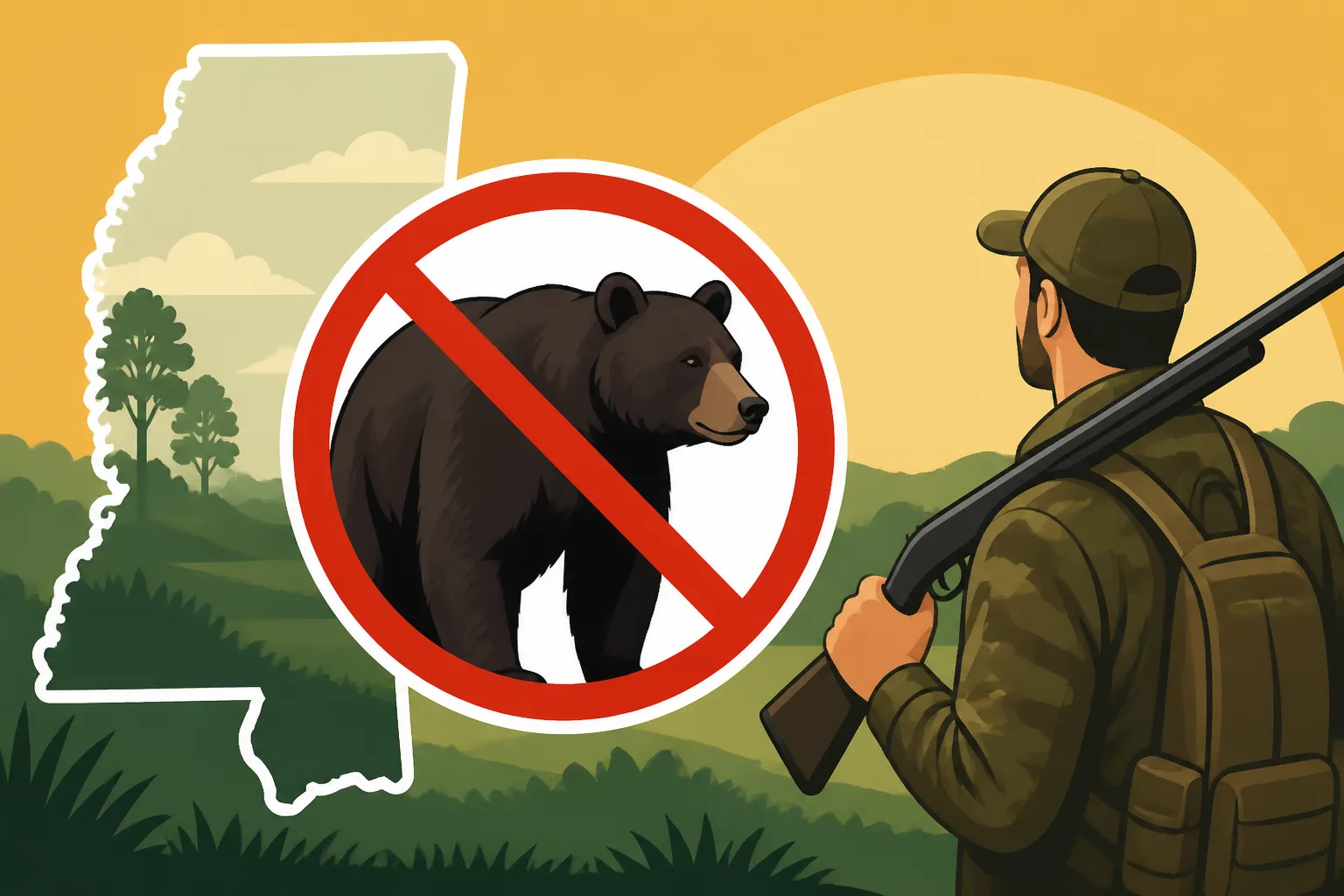
Why Mississippi Has No Bear Season
It’s a question that pops into the mind of many a curious outdoors person in Mississippi: why, with all the fantastic wildlife we have, isn’t there a bear hunting season? You might hear whispers of sightings in the Delta or in the deep woods of the Piney Woods, leaving you to wonder if these majestic creatures are plentiful enough for a regulated harvest. The truth is, it’s a complicated story steeped in history, conservation, and a good bit of biology.
Understanding Mississippi's Black Bear Population History
For many, the idea of black bears roaming Mississippi might seem like a new phenomenon, but these animals are actually native to our state. Their history here is a rollercoaster of near extinction and remarkable, albeit slow, recovery. To truly grasp why we don't have a hunting season, we need to first look back at how their numbers dwindled and how they've slowly made their way back.
The Near Extirpation of Mississippi Black Bears
Imagine a time when black bears were a common sight across much of Mississippi's landscape, particularly in the dense bottomland hardwoods and vast pine forests. That was indeed the case for centuries. However, as European settlers moved into the region, clearing land for agriculture, logging timber for development, and hunting bears for their meat, hides, and to protect livestock, their numbers plummeted dramatically. By the early to mid-20th century, the black bear population in Mississippi had been pushed to the brink of extirpation. Many folks alive today might remember a time when seeing a bear in the wild here was almost unheard of, relegated to old tales or mistaken identities. The loss of vast, unbroken wilderness areas was arguably the biggest blow, leaving isolated pockets of bears struggling to survive. It truly highlights how quickly human expansion can impact even the most resilient species.
Early Conservation Efforts and Reintroductions
Recognizing the dire situation, the state, alongside federal partners, began to take action. The black bear was listed as an endangered species in Mississippi in 1993, which brought increased protections and focused conservation efforts. One of the most significant steps was a reintroduction program that took place in the Delta region during the 1960s and 1970s. Bears from other states, primarily Louisiana, were released into suitable habitats like the Delta National Forest and surrounding areas. These were often juvenile bears or those captured from nuisance situations elsewhere, given a second chance to thrive in new territory. This was a monumental undertaking, requiring careful planning and dedicated resources, and it laid the groundwork for the small, but growing, populations we see today. Without these proactive measures, it's very likely that Mississippi would have no black bears at all, or at least only transient ones wandering in from neighboring states. This commitment to bringing back a piece of our natural heritage truly paved the way for future discussions.
Current Population Status and Distribution
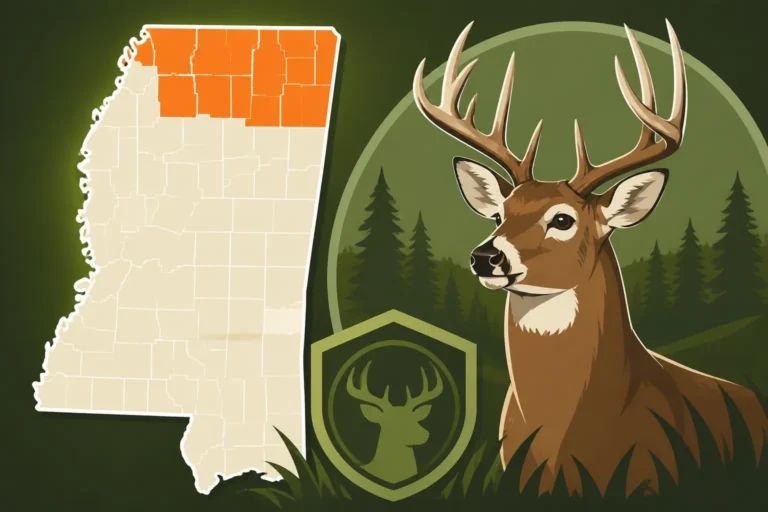
Fast forward to today, and the picture is much brighter, though still delicate. Mississippi is now home to an estimated 300 to 500 black bears, a far cry from the handful that remained just a few decades ago. These bears aren't evenly distributed, though. We primarily see two distinct population segments: the Delta population, largely centered around the Mississippi River floodplains and dense bottomland forests like those found in the Delta National Forest, and a smaller, more fragmented population in the southern part of the state, particularly within the vast river swamps and pine savannas along the Gulf Coast and bordering Louisiana. There are also increasing reports of transient bears, mostly young males, dispersing into central Mississippi as they seek new territories, a very encouraging sign of population expansion. For those interested in understanding the specifics of these populations and where they're concentrated, platforms like GoHunt can be invaluable for cross-referencing habitat types with reported sightings, helping you gauge where bear activity might be highest if you're out scouting. While these numbers are trending upward, they're still considered relatively low compared to states with established bear seasons, which is a crucial factor in the absence of hunting opportunities here. You can dive deeper into how these numbers are tracked by looking into "Mississippi Black Bear DNA Tracking Study" for more details.
The Legal Framework: Why a Season Isn't Permitted
The absence of a bear hunting season in Mississippi isn't just a matter of low population numbers; it's deeply rooted in legal protections and the legislative process. Even if we had thousands of bears, without the proper legal framework, a season simply couldn't exist. This involves a delicate balance of state regulations, federal oversight, and the ongoing dialogue between wildlife agencies, lawmakers, and the public.
State and Federal Protections for Bears
For decades, the black bear in Mississippi has been afforded significant legal protection. As mentioned, they were listed as an endangered species at the state level. This designation makes it illegal to harvest, harm, or harass a black bear, with very few exceptions, typically involving direct threat to human life or property after all non-lethal deterrents have failed and only with explicit authorization from the Mississippi Department of Wildlife, Fisheries, and Parks (MDWFP). Federally, while the Louisiana black bear subspecies was delisted from the Endangered Species Act in 2016, the general population of American black bears in Mississippi still benefits from various state-level protections and the general conservation ethic that surrounds a recovering species. These protections are the bedrock upon which current bear management rests; without a formal change to these laws, any talk of a hunting season remains hypothetical. These protective measures ensure that any growth in bear numbers isn't prematurely curtailed, allowing the population to stabilize and expand naturally.
The Role of the Mississippi Department of Wildlife, Fisheries, and Parks MDWFP
The MDWFP is the primary agency responsible for managing all wildlife in Mississippi, and that includes black bears. Their role is multifaceted: they conduct research, monitor populations, manage habitat, and enforce wildlife laws. When it comes to something as significant as opening a hunting season for a recovering species, the MDWFP's recommendations are paramount. They rely on scientific data – population estimates, reproductive success rates, habitat availability, and human-bear conflict data – to inform their decisions. For a bear season to even be considered, the MDWFP would need to determine that the population is robust, healthy, and capable of sustaining a harvest without jeopardizing its long-term viability. This isn't a decision made lightly or quickly; it's a careful, data-driven process. Any proposal for a season would originate from or be heavily vetted by their wildlife biologists, ensuring it aligns with sound conservation principles. For more information on wildlife protection, you might want to read "Why Mississippi Bears Stay Fully Protected".
Legislative Attempts and Public Opinion
While the MDWFP provides the scientific basis, the ultimate decision to establish a hunting season often rests with the state legislature. In recent years, there have been attempts to introduce legislation that would, for instance, allow for limited bear hunting, or at least open the discussion. For example, in 2026, there was a bill, SB2436, that aimed to explore avenues for bear hunting but ultimately died in the House. These legislative attempts often reflect a desire from certain segments of the hunting community to expand opportunities, but they also highlight the strong public interest and varying opinions surrounding bear management. Conservation groups, animal welfare advocates, and segments of the general public often voice strong opposition to bear hunting, emphasizing the species' recovering status and the ethical considerations involved. This creates a political landscape where moving towards a bear season is not just a scientific calculation, but a careful navigation of public sentiment and legislative will. The sustained protection for bears directly reflects these ongoing debates and the political reality that currently, the support for a season isn't strong enough to overcome the existing protections. For context on why past legislative efforts have failed, check out "Why the Mississippi House Killed the Bear Bill".
Biological Factors Affecting Bear Season Decisions
Beyond the legal and historical context, the biology of black bears themselves plays a huge role in why Mississippi remains a no-hunt zone for these animals. Bears aren't like deer, which reproduce quickly and in large numbers. Their life history traits make them particularly vulnerable to over-harvesting, and conservation managers are acutely aware of these biological nuances.
Slow Reproductive Rates and Small Litter Sizes
One of the primary biological hurdles for establishing a bear season is their reproductive strategy. Black bears are not prolific breeders. Females typically don't reach sexual maturity until they are 3-5 years old, and once they do, they usually only produce cubs every two to three years. Litter sizes are also relatively small, averaging 2-3 cubs. This means that if a significant number of breeding-age females were removed from the population through hunting, it would take many years for the population to recover those losses. In a state like Mississippi, where the bear population is still growing and establishing itself, even a small amount of harvest could have disproportionately negative impacts on overall population growth. Wildlife managers are very cautious about species with slow reproductive rates because mistakes in population modeling or harvest quotas can lead to rapid declines that are incredibly difficult to reverse. It's a key reason why patience and observation are critical to sustainable management.
Habitat Requirements and Fragmentation Challenges
Black bears are creatures of vast, continuous habitats. They need large tracts of undisturbed forest, preferably with a mix of hardwood bottoms, swamps, and dense cover for foraging, denning, and breeding. In Mississippi, while we have some incredible wild places, significant portions of the landscape are fragmented by agriculture, urbanization, and infrastructure. Even in areas with strong bear populations, the available habitat might not be as interconnected as ideal, leading to isolated groups of bears. This habitat fragmentation can limit their ability to disperse, find mates, and access diverse food sources, all of which are crucial for a healthy, growing population. The quality and quantity of habitat directly influence how many bears an area can support, and how well those bears can thrive. Platforms like GoHunt can provide detailed satellite imagery and land ownership maps that show just how fragmented some of our landscapes are, helping visualize the challenges bears face in finding uninterrupted territories. Ensuring enough high-quality habitat is available and connected is a fundamental goal for MDWFP and a prerequisite for any future considerations of a hunting season.
Genetic Diversity Concerns in Isolated Populations
Another biological factor that gives conservationists pause is genetic diversity, especially in historically isolated populations. When a population shrinks to very low numbers, and then recovers from a few reintroduced individuals, there's always a risk of reduced genetic diversity. This can make a population more susceptible to diseases, less adaptable to environmental changes, and generally less robust in the long term. While Mississippi's bear populations are showing signs of growth and some genetic mixing is likely occurring as bears disperse, it's still a point of ongoing study and concern. Ensuring a healthy gene pool is vital for the long-term resilience of the species in the state. Opening a hunting season before genetic health is thoroughly understood and confirmed could inadvertently lead to a loss of valuable genetic material, which would be a severe setback for conservation efforts. The focus remains on allowing these populations to naturally expand and interbreed, strengthening their genetic foundation before any harvest is considered.
Human-Bear Coexistence and Management Strategies
As black bear populations slowly rebound in Mississippi, the interactions between humans and bears are inevitably increasing. This presents a new set of challenges and opportunities, making human-bear coexistence a critical aspect of management, and another key reason why a hunting season isn't currently feasible. The focus remains on educating the public and managing conflicts to ensure both human safety and bear survival.
Managing Nuisance Bears and Public Safety
With more bears comes the potential for more human-bear encounters, and sometimes, these encounters can lead to what are termed "nuisance" situations. This might involve a bear getting into garbage cans, raiding bird feeders, or even approaching homes if food sources are readily available. While bears are generally shy and will avoid humans, habituation to human food sources can lead to bolder behavior, which can raise public safety concerns. The MDWFP spends considerable resources on responding to these calls, educating landowners on how to "bear-proof" their properties, and, in rare instances, trapping and relocating problem bears. Lethal removal is always a last resort, used only when a bear poses an immediate threat and other methods have failed. The goal is to minimize conflicts and teach bears to avoid human areas, rather than resorting to population reduction through hunting. This proactive management of nuisance situations is essential for fostering a tolerant human population, which is crucial for long-term bear recovery.
Educational Programs for Coexistence
A cornerstone of successful bear conservation in Mississippi is public education. Many people simply aren't used to living in areas where bears are present, and they might not know how to react to a sighting or how to prevent attracting bears. The MDWFP, along with various conservation organizations, runs educational campaigns to inform residents about bear biology, behavior, and how to safely coexist. This includes advice on securing garbage, removing pet food and bird feeders, and understanding what to do if you encounter a bear in the wild. These programs are vital for reducing human-bear conflicts, increasing public understanding, and building support for bear conservation. A well-informed public is much more likely to support the continued recovery of bears, even if it means adapting some daily habits. This focus on education helps shift public perception from fear to appreciation, which is necessary before any widespread discussion of hunting could truly take root.
Research and Monitoring Programs for Bear Health
The MDWFP and its partners continuously conduct research and monitoring efforts to understand Mississippi's bear populations better. This involves tracking bear movements using GPS collars, analyzing DNA from hair snares, assessing reproductive success, and studying cub survival rates. This scientific data is absolutely critical for making informed management decisions. It helps biologists understand population dynamics, identify key habitats, and assess the overall health and viability of the bear population. For instance, knowing how many bears are successfully raising cubs and how many young bears are surviving to breeding age is far more important right now than knowing how many could be harvested. This rigorous scientific approach is why you’ll often hear MDWFP officials emphasize that any decision about a hunting season would be driven by robust data, not by speculation or anecdotal evidence. These ongoing studies, which sometimes involve collaborating with other state agencies as referenced in "Mississippi Black Bear DNA Tracking Study", ensure that management decisions are grounded in the best available science.
Comparing Mississippi to Neighboring States with Bear Seasons
It's natural to look across state lines and wonder why some of our neighbors have bear seasons when Mississippi doesn't. Understanding these differences can shed light on Mississippi's unique situation and the factors that influence wildlife management decisions. Each state’s approach is a reflection of its specific bear population, habitat, and management philosophy.
Alabama's Limited Bear Hunts
Alabama, just to our east, does have a bear population and has even held very limited bear hunts in recent years. However, their situation is quite specific. The majority of Alabama's black bear population is concentrated in a relatively small area in the southwestern part of the state, particularly in Washington, Mobile, and Clarke counties, where they are considered part of the larger source population that also extends into the Florida panhandle. These hunts are highly restricted, often occurring only in specific zones and with very small quotas, sometimes just a handful of bears. This cautious approach is taken because, while their population is stable, it's not widespread across the entire state, and a robust, statewide population hasn't been achieved. It's a testament to how carefully states manage these opportunities, especially when populations are not yet considered abundant across their full historic range. Alabama's experience shows that even when a season is implemented, it's often a highly controlled, conservative measure.
Arkansas' Established Bear Seasons
Arkansas is perhaps the most striking contrast, as it boasts a thriving black bear population and a well-established, successful hunting season. Arkansas's bears were also largely extirpated by the early 20th century, but a highly successful reintroduction program in the Ozark and Ouachita Mountains during the 1950s and 60s led to a phenomenal rebound. Today, Arkansas has one of the largest black bear populations in the Southeast, estimated at over 5,000 bears, and they are now expanding into other parts of the state. Because of this robust population and excellent habitat, the Arkansas Game and Fish Commission has been able to manage a sustainable bear hunting season for decades, including archery, muzzleloader, and modern gun opportunities. The key difference here is the sheer scale of their bear population and the extensive, contiguous habitat available in their mountainous regions, allowing for a much larger carrying capacity and a sustainable harvest without impacting overall population health. This demonstrates that a hunting season is absolutely possible, but it requires a very strong, widespread population base.
Louisiana's Different Approach to Bear Management
Louisiana, to our west, has a situation that is in some ways similar to Mississippi's but with key distinctions. Louisiana is home to the threatened Louisiana black bear subspecies, which was recently delisted from the federal Endangered Species Act. While the species is recovering, it remains a protected animal under state law. Louisiana does not have a general black bear hunting season. Instead, their management focuses heavily on habitat restoration, reducing human-bear conflict, and ongoing population monitoring. The state prioritizes the continued recovery and expansion of this unique subspecies. It's worth noting that Mississippi's Delta bear population has genetic ties to the Louisiana black bear. So, while you might hear about bear sightings and management in Louisiana, it's not a direct comparison for hunting due to their strong focus on the unique subspecies and its continued recovery, much like Mississippi's focus on overall population growth. This highlights the varying degrees of recovery and conservation priorities across different states, even for the same species.
Future Prospects for a Mississippi Bear Season
The question on many hunters' minds is, "Will Mississippi ever have a bear season?" The answer isn't a simple yes or no. It's a complex equation involving science, public sentiment, and legislative action. While the population is growing, several benchmarks would need to be met before a season could even be seriously considered.
Population Thresholds and Scientific Benchmarks
For Mississippi to even contemplate a bear season, the MDWFP would need to determine that the population has reached a significant, sustainable threshold. This isn't just about a raw number; it's about population density, distribution across suitable habitats, and a robust age and sex structure. Biologists would look for consistent population growth over many years, high cub survival rates, and evidence of bears establishing themselves in new, suitable areas across the state. They would likely establish specific scientific benchmarks, such as a minimum viable population size or a certain number of breeding females, before even drafting a proposal. This data-driven approach is critical to ensure that any potential hunting season is truly sustainable and doesn't jeopardize the long-term health of the species. It’s a process that requires patience, continuous monitoring, and sound ecological understanding, ensuring that we don't repeat the mistakes of the past. To understand how MDWFP tracks these numbers, refer to "How Many Black Bears Mississippi Has" for more detail.
The Political and Social Landscape of Bear Hunting
Even if the scientific data supported a limited hunting season, the political and social landscape would still present significant hurdles. Bear hunting often sparks passionate debate. There are strong voices for conservation that argue against hunting any recovering species, citing ethical concerns and the desire to see the population reach its maximum potential before any harvest. On the other hand, many hunters see a well-regulated season as a valuable tool for wildlife management, helping to control populations, mitigate conflicts, and provide funding for conservation through license sales. The MDWFP would need to carefully navigate these diverse perspectives, engaging in extensive public outreach and seeking broad consensus. Without a strong understanding and buy-in from various stakeholders, any legislative effort to establish a season would likely face considerable opposition. This balance of public opinion, conservation ethics, and hunting tradition is a crucial element that shapes wildlife policy in Mississippi.
What Hunters and Conservationists Can Do Now
For those passionate about wildlife and potentially seeing a future bear season, there are concrete actions to take now. First and foremost, support the MDWFP's conservation efforts. This includes purchasing hunting and fishing licenses (even if you don't use them for bear), donating to conservation groups like the Mississippi Wildlife Federation, and actively participating in citizen science initiatives that help monitor bear sightings and health. Second, educate yourself and others on proper human-bear coexistence practices to minimize conflicts. Learn how to secure food sources and dispose of garbage properly in bear country. Finally, stay informed about legislative efforts and MDWFP proposals. Engage respectfully in public forums, express your views, and advocate for science-based wildlife management. Whether you use tools like GoHunt to track legislative changes or follow MDWFP announcements, being an informed and responsible advocate is the most impactful way to contribute to the future of bear management in Mississippi. Remember, the collective actions of informed citizens can truly make a difference in shaping the future of our state's wildlife.
Dispelling Myths and Misconceptions About Mississippi Bears
It's amazing how many myths and misunderstandings can circulate about wildlife, especially a species that has been absent for so long and is now making a comeback. Black bears in Mississippi are no exception. Separating fact from fiction is crucial for responsible wildlife management and for fostering a clear understanding among the public.
Are Bears a Threat to Deer and Other Game?
One common concern, especially among deer hunters, is whether a growing bear population will negatively impact deer numbers or other game species. The reality is that while black bears are opportunistic omnivores and will occasionally prey on fawns or consume deer carcasses, they are not significant predators of healthy adult deer populations. Their diet primarily consists of vegetation (berries, nuts, roots, grasses), insects, and carrion. In fact, a healthy ecosystem can easily support both deer and bears without one significantly detrimental to the other. Large carnivores like bears often play a role in maintaining the health of deer herds by preying on weak or sick animals, which can improve the overall genetic fitness of the deer population. Furthermore, in Mississippi, our deer numbers are robust, and their reproductive rates are far higher than bears. So, while it's a valid question, the science generally shows that bears do not pose a widespread threat to established game populations. This applies to "White-Tailed Deer Across Mississippi" and "Wild Turkeys in Mississippi", both of which coexist perfectly well with bear populations in other states.
The "Ghost Bear" Phenomenon and Sightings
For years, hearing about a bear sighting in Mississippi felt like hearing a ghost story. People would swear they saw one, while others would scoff, claiming it was just a large dog or a misidentified hog. This "ghost bear" phenomenon was a direct result of their extremely low numbers. However, with the population rebound, confirmed bear sightings are becoming much more common, especially in the Delta and parts of South Mississippi. The MDWFP encourages people to report credible sightings, and trail camera footage has become an invaluable tool for confirming their presence. What was once a rarity is now a growing reality. It's important to remember that most bears are incredibly shy and will do their best to avoid humans. A brief glimpse of a bear, whether in person or on a camera, is often all you'll get before they disappear back into the thick cover. Using tools like GoHunt for mapping your trail camera locations can even help you analyze patterns of bear movement if you're lucky enough to capture them.
Common Misconceptions About Bear Behavior
Many people's understanding of bears comes from movies or sensationalized news stories, leading to a host of misconceptions about their behavior. For instance, the idea that all black bears are aggressive is simply not true. While any wild animal can be dangerous if provoked or if cubs are present, black bears are generally quite docile and prefer to flee rather than confront. They aren't inherently seeking out humans to attack. Another common misconception is that a bear standing on its hind legs is about to charge. In reality, a bear stands to get a better view or to catch a scent, a natural curiosity behavior. Understanding basic bear behavior, such as avoiding eye contact, making noise if you're hiking in bear country, and backing away slowly if you encounter one, can significantly reduce the risk of any negative interaction. Educational efforts continually work to replace these myths with factual information, which is crucial for public safety and for the long-term acceptance of bears in our state. You can learn more about "What to Do If You See a Mississippi Black Bear" for practical safety advice.
Mississippi Black Bear Status and Neighboring State Comparison
Let's put some numbers and facts together to see how Mississippi stacks up against its neighbors regarding black bear populations and hunting seasons. This table offers a quick snapshot of the varying approaches and outcomes.
| State | Estimated Black Bear Population | State Protection Status | Hunting Season? | Primary Reasons for Status/Season |
|---|---|---|---|---|
| Mississippi | 300-500 | State Endangered (1993) | No | Recovering population, slow reproduction, limited widespread habitat |
| Alabama | 300-500 | Game Species | Limited/Quota | Concentrated population, careful management of small numbers |
| Arkansas | 5,000-6,000 | Game Species | Yes | Highly successful reintroduction, robust and widespread population |
| Louisiana | 800-1,000 (subspecies) | State Protected (Threatened) | No | Focus on recovery of threatened Louisiana Black Bear subspecies |
This table clearly illustrates that Mississippi's modest, recovering population, coupled with its "State Endangered" listing, is the primary driver behind the lack of a hunting season. Arkansas's long-term, successful reintroduction and thriving numbers allow for a season, while Alabama's very limited opportunities reflect a cautious approach to a more concentrated, but still not widespread, population. Louisiana's unique situation with the subspecies also dictates a non-hunting approach.
Disclaimer
The information provided in this guide is for informational purposes only and is based on current regulations and scientific understanding. Hunting seasons, regulations, and wildlife populations are subject to change. Always consult the official Mississippi Department of Wildlife, Fisheries, and Parks (MDWFP) website and current hunting regulations manual before planning any hunting activities.