How Many Black Bears Mississippi Has
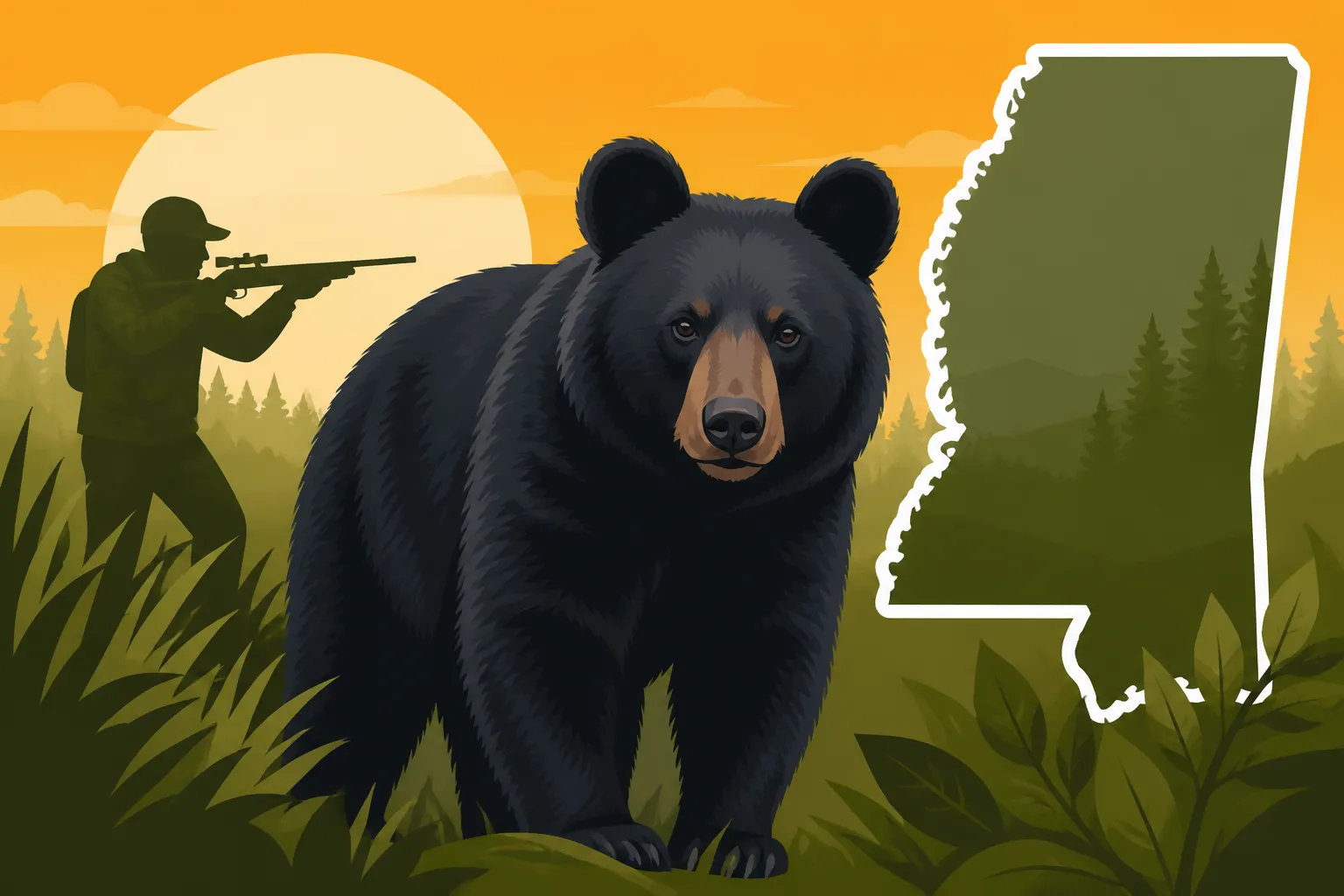
For anyone who’s spent time in Mississippi’s wilder corners, especially in the bottomland swamps or dense pine forests, you might have heard whispers, or even seen undeniable sign, of something bigger, something bear. It's a natural question to wonder just how many black bears are actually roaming our state. This guide is all about shedding light on the fascinating recovery of Mississippi's black bear population, diving into where they live, how wildlife biologists track them, and what those numbers mean for their future.
The Journey Back: Historical Context of Mississippi's Black Bears
It's easy to assume that black bears have always been a scarce sight in Mississippi, given how rare they were for so long. But the truth is, the state once boasted a robust bear population, integral to its wild ecosystems. Understanding where we stand today requires a little trip back in time to see how we got here.
From Abundance to Near Extirpation
Imagine Mississippi before extensive logging and agricultural development. Picture vast, unbroken stretches of bottomland hardwoods in the Delta, or expansive longleaf pine forests in the south. These were prime bear country, offering abundant food sources like acorns, berries, and small game, along with the dense cover they need to thrive. Early accounts speak of bears being common, a vital part of the natural landscape and a resource for early settlers.
However, as Mississippi was settled, the landscape dramatically changed. Forests were cleared for farming, especially the incredibly fertile Delta land, and wetlands were drained. This rapid habitat loss was the first devastating blow to the bear population. On top of that, unregulated hunting and the perception of bears as a threat to livestock led to widespread persecution. By the mid-20th century, the Mississippi black bear population had plummeted to critically low numbers, clinging to existence in only the most remote and inaccessible pockets of the state. It was a truly disheartening period for those who valued our state's wild heritage, fearing that the Mississippi black bear might be lost forever.
Early Conservation Efforts and Protected Status
The dire situation for black bears didn't go unnoticed, and thankfully, conservationists and wildlife managers began to raise the alarm. Recognizing the species' perilous state, the Mississippi Department of Wildlife, Fisheries, and Parks (MDWFP) took crucial steps to protect the remaining bears. This included establishing legal protection, effectively ending hunting for them, and initiating careful monitoring programs. This move was critical; without it, the species likely would have vanished from the state entirely.
The journey back, though, was incredibly slow and fraught with challenges. Bears reproduce slowly, and expanding from such small, fragmented populations is a monumental task. Initial efforts focused on protecting the few remaining breeding populations and ensuring they had undisturbed habitat. It was a long game, demanding patience and persistent dedication, but these foundational steps laid the groundwork for the recovery we see today. It's a testament to what focused conservation can achieve, even against overwhelming odds. For more on this, you might find Why Mississippi Has No Bear Season interesting, as it explains the protective measures still in place.
Current Population Estimates: Understanding the Numbers
When you’re out scouting a new hunting spot, maybe checking out some land with your GoHunt app or just walking a trail in a national forest, and you stumble upon a large track, your mind immediately goes to bears. But how many are really out there? Getting a precise count of any wild animal is tough, but with something as reclusive and wide-ranging as a black bear, it’s a whole different ballgame.
The Elusive Nature of Counting Bears
The truth is, nobody can give you an exact, definitive number for how many black bears roam Mississippi's swamps and forests. Bears are solitary creatures for much of the year, they cover vast territories, and they thrive in dense, often inaccessible habitat. This makes traditional census methods like aerial surveys incredibly difficult, if not impossible. Think about trying to count individual leaves in a forest – that's the kind of challenge biologists face!
Instead, MDWFP biologists use a combination of indirect but highly effective methods to estimate population trends and distribution. One of the most common and valuable techniques involves collecting hair samples. Researchers set up "hair snares" – typically a barbed wire fence around a baited area – which gently snag a few hairs as a bear passes through. These hairs are then analyzed for DNA, allowing scientists to identify individual bears, track their movements, and estimate population density without ever having to trap or tranquilize an animal. This is coupled with extensive camera trapping efforts, where motion-activated cameras capture images of bears, providing visual confirmation of their presence and activity. Additionally, reports from hunters, landowners, and the public are crucial for understanding where bears are being sighted, though these reports are used for distribution mapping rather than strict population counts. All these data points, combined, help paint a picture of a growing and expanding bear population across the state. It's a complex puzzle, but thanks to these dedicated efforts, we have a much clearer understanding than we did a few decades ago. You can learn more about the scientific side of things in Mississippi Black Bear DNA Tracking Study.
Key Bear Populations and Their Locations
While a statewide exact number remains elusive, wildlife experts have identified two primary, distinct breeding populations of black bears in Mississippi, with signs of expansion beyond these core areas.
1. The Delta Population: This is perhaps the most well-known and consistently tracked population. These bears reside primarily in the vast bottomland hardwood forests of the Mississippi Alluvial Valley, especially in areas like the Delta National Forest and surrounding private lands that contain suitable habitat. The Delta's dense canebrakes, numerous sloughs, and abundant mast crops (like acorns) provide ideal cover and food. This population is generally considered the largest and most established within the state. These bears often utilize timber company lands, wildlife management areas, and even larger private holdings that offer sanctuary. If you're hunting in the Delta and see a bear, it's likely part of this thriving group. The Delta Region Bear Population delves deeper into this specific area.
2. The Southern Mississippi Population: Down in the southeastern part of the state, particularly in the larger tracts of the Piney Woods and along river systems that drain into the Gulf, another significant population of bears exists. This area includes national forests like the DeSoto National Forest and vast private timberlands, characterized by a mix of longleaf pine uplands, cypress swamps, and dense creek bottoms. These bears are often harder to track due to the different terrain and vegetation, but their presence is well-documented. Their habitat differs from the Delta's, often involving more palmetto thickets and diverse pine-dominated forests. These southern bears are proving to be resilient and are slowly expanding their range as well. To get a better grasp of where these bears make their homes, check out The South Mississippi Swamp Bear Population.
Beyond these two core areas, individual bears, particularly young males, are known to disperse widely, seeking new territories. This is why you occasionally hear of sightings in unexpected places, even in central Mississippi. These dispersal events are critical for the long-term health and genetic diversity of the overall population, indicating a healthy, expanding demographic rather than isolated pockets. Bears Moving Into Central Mississippi covers this fascinating expansion.
Here's a quick look at the characteristics of Mississippi's two main bear populations:
| Characteristic | Delta Population | Southern Mississippi Population |
|---|---|---|
| Primary Habitat | Bottomland Hardwood Forests, Cypress Swamps, Canes, River Floodplains | Piney Woods, Mixed Pine-Hardwood Forests, Cypress Swamps, Riverine Drainages |
| Key Locations | Delta National Forest, Yazoo NWR, Panther Swamp NWR, large private timber tracts | DeSoto National Forest, Pascagoula River WMA, private timberlands along rivers |
| Population Status | Well-established, considered the state's largest and densest | Established, growing, but potentially more spread out and harder to track |
| Dispersal Tendency | Bears often follow river systems out of the Delta | Bears utilize pine plantations and adjacent bottomlands for movement and expansion |
| Diet | Heavy reliance on acorns, pecans, wild grapes, persimmons | Relies on acorns, palmetto berries, gallberries, insects |
Factors Influencing Black Bear Numbers in Mississippi
The fact that we even have black bears thriving in Mississippi today is a testament to significant changes in land use and dedicated conservation. Their journey from the brink of extirpation to a recovering population is a story of habitat, management, and community effort.
Habitat Availability and Connectivity
For any wildlife population to flourish, suitable habitat is paramount, and for black bears, this means large, undisturbed tracts of forest with plenty of food and cover. In Mississippi, the success of the Delta and Southern populations hinges directly on the availability of these specific ecosystems. The bottomland hardwoods of the Delta, with their seasonal flooding, dense undergrowth, and abundant mast crops (like acorns and pecans), provide ideal foraging grounds and secure denning sites. Similarly, the diverse forests of South Mississippi, including expansive pine plantations interspersed with cypress swamps and creek bottoms, offer a complex mosaic of resources.
But it’s not just about the size of individual patches of habitat; it's also about how those patches are connected. Bears are wide-ranging animals, and young bears especially need to disperse to find new territories and mates. Without continuous forested corridors, or at least a mosaic of cover that allows safe travel, populations can become isolated and vulnerable. Road networks, urban sprawl, and large agricultural fields can act as barriers, making it dangerous or impossible for bears to move between suitable areas. Conservation efforts therefore focus not only on protecting existing large tracts but also on encouraging land management practices that maintain or restore connectivity, ensuring that bears can safely travel and expand their range. This is where organizations and private landowners working together become invaluable, creating a more resilient future for Mississippi's black bears.
Management Strategies and Conservation Successes
The recovery of Mississippi's black bear population didn't happen by accident; it's a direct result of thoughtful, long-term management by the MDWFP and partner organizations. Since black bears received protected status decades ago, the focus has been on allowing their numbers to rebound naturally within their remaining strongholds.
Key strategies have included strict enforcement of their protected status, meaning no hunting season for bears is permitted in Mississippi. This gives them the peace and security needed to breed and expand. Beyond protection, active habitat management plays a crucial role. This can involve working with landowners to enhance forest health, maintain water quality in wetland areas, and promote the growth of native food-producing plants. Public education campaigns have also been vital, helping Mississippians understand bear behavior, how to coexist safely, and the importance of reporting sightings. These reports are a crucial data point for monitoring efforts, allowing biologists to track dispersal and identify new areas of bear activity.
The MDWFP continuously monitors the bear populations using techniques like DNA sampling, as mentioned earlier. This ongoing research helps them understand genetic diversity, population health, and the effectiveness of their management strategies. These concerted efforts have transformed the narrative of black bears in Mississippi from a species on the brink to a genuine conservation success story. For more detail on why this protection remains in place, see Why Mississippi Bears Stay Fully Protected.
Living Alongside Bears: What Hunters and Landowners Should Know
As Mississippi's black bear population continues its inspiring comeback, it means more opportunities for us to encounter these magnificent animals. Whether you're a deer hunter in the Delta using your GoHunt maps to scout new territory or a landowner tending your property in the Piney Woods, understanding how to coexist with bears is becoming increasingly important.
Bear Sightings and Coexistence
With growing bear numbers, increased sightings are a natural consequence. It’s no longer uncommon for hunters to see a bear while chasing deer or for landowners to spot one near their property, especially in the core bear habitats. For some, it's a thrilling moment, a true sign of a healthy ecosystem. For others, it can bring a mix of excitement and apprehension.
If you encounter a black bear in the wild, the most important thing is to remain calm and respectful of the animal. Black bears are generally shy and will try to avoid confrontation. Make your presence known by speaking in a calm voice, backing away slowly, and giving the bear ample space. Never run, as this can trigger a chase instinct. Keep dogs leashed and under control, as a dog chasing a bear can escalate a situation quickly. Carrying bear spray can be a wise precaution in dense bear country, especially if you're hiking or hunting solo. The goal is always to encourage the bear to move on, reinforcing their natural caution towards humans. Remember, these bears are simply trying to make a living in their natural habitat, and by understanding their behavior, we can ensure peaceful coexistence. If you're wondering about specific actions to take, What to Do If You See a Mississippi Black Bear offers excellent advice.
Managing Attractants and Avoiding Conflicts
The vast majority of conflicts between humans and black bears arise when bears associate humans with easy food sources. A fed bear is a dead bear, as the saying goes, because once bears learn to forage near human dwellings, they can become habituated, leading to nuisance behaviors and, unfortunately, often requiring removal or euthanasia. This is where hunters and landowners play a critical role in preventing problems.
Here are some actionable steps to manage attractants:
- Secure Trash: Store garbage in bear-resistant containers or in a secure shed or garage until collection day. Never leave trash outside overnight.
- Pet Food: Feed pets indoors or remove outdoor food bowls immediately after feeding.
- Bird Feeders: Take down bird feeders during seasons when bears are active (spring through fall). If you must feed birds, use a feeder that can be hoisted high out of a bear's reach.
- Grills and Smokers: Clean outdoor grills and smokers thoroughly after each use. Store them in a secure location if possible.
- Compost Piles: Avoid composting meat, dairy, or overly ripe fruits. Maintain your compost pile away from your home.
- Hunting Camps: At hunting camps, secure all food in airtight containers inside vehicles or hard-sided structures. Dispose of food waste responsibly, well away from camp or by packing it out. If using a game camera, be mindful that it might attract curious bears if left with bait.
- Hog Bait Sites: While Mississippi has year-round hog hunting, any bait site can attract bears. If you are baiting for hogs, be aware that you might also attract a hungry bear. Consider bear-resistant feeders or adjusting your baiting strategy if bears become a recurring issue.
By taking these proactive measures, we help bears remain wild and avoid creating situations that put both humans and bears at risk. It's a small investment of effort that yields significant benefits for our wild neighbors.
Future Outlook for Mississippi's Black Bears
The story of Mississippi's black bears is one of resilience and hope. From a fragmented, critically endangered population, they have slowly but steadily expanded their numbers and their range. The future looks promising, with continued population growth expected, especially in their core habitats in the Delta and South Mississippi. As these populations become denser, we'll likely see more dispersal of younger bears into adjacent counties, further expanding their footprint across the state. This means areas that haven't seen bears in generations might start to witness their return.
The long-term conservation goal remains to ensure a healthy, viable black bear population throughout suitable habitat in Mississippi. This will require ongoing habitat protection, continued monitoring efforts by the MDWFP, and, crucially, an educated public committed to living responsibly alongside these magnificent animals. It’s a collective effort that promises to keep these incredible creatures as a vibrant part of Mississippi's natural heritage for generations to come.
Disclaimer
This article is for general informational purposes only and does not constitute professional advice. Laws, prices and regulations vary by location and change over time. Consult a qualified professional for guidance on your specific situation.