Mississippi’s Warren-Claiborne CWD Zone
For Mississippi deer hunters, few topics cause as much anxiety and frustration as Chronic Wasting Disease (CWD). The discovery of CWD in new areas brings a heavy burden of new regulations, mandatory testing, and a constant worry about the health of the local deer herd. This guide will walk you through the specifics of the Warren and Claiborne counties CWD zone, detailing why it was established, what it means for your hunting plans, and how you can navigate the updated rules to keep hunting safely and responsibly.
Why Warren and Claiborne Counties Entered the CWD Zone
It's a tough pill to swallow when a new county, or in this case, two counties like Warren and Claiborne, are added to a CWD management zone. For many, it feels like the disease is constantly spreading, and the regulations just keep getting tighter. But the reality is, these decisions by the Mississippi Department of Wildlife, Fisheries, and Parks (MDWFP) are based on cold, hard data, and they're put in place to try and contain a serious threat to our deer populations.
The Discovery That Triggered the Designation
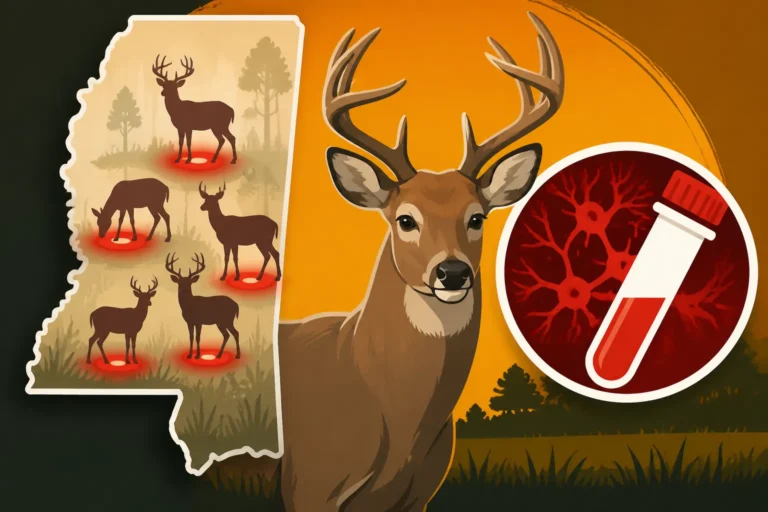
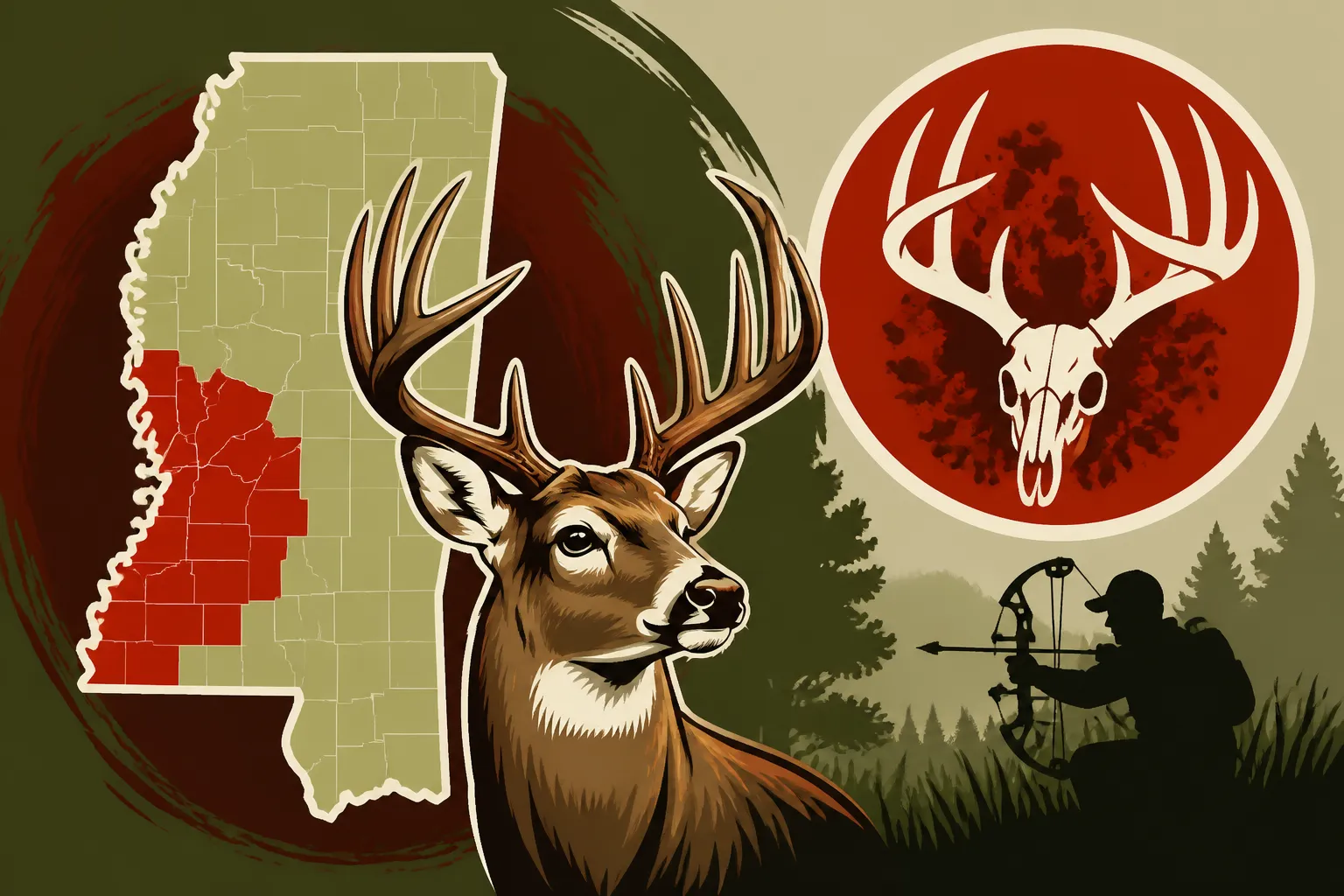
The designation of Warren and Claiborne counties as part of a CWD management zone wasn't made lightly. The critical factor in any CWD zone expansion is the detection of a CWD-positive deer within or very close to an area. In this instance, it was the confirmation of CWD in a deer harvested in Claiborne County that directly led to the establishment of the zone encompassing both Claiborne and neighboring Warren counties. This wasn't an isolated incident; there have been a number of cases confirmed across various parts of the state since the initial detection in 2018. When CWD shows up, especially in new geographic areas, wildlife agencies have to act quickly to try and prevent further spread, and unfortunately, that means implementing regulations that can feel restrictive to hunters. It's a testament to the MDWFP's active surveillance and testing programs that these cases are even being found.
Geographic Proximity to Existing CWD Concerns
Beyond the direct discovery, the decision to include Warren and Claiborne in the CWD zone also considers their proximity to other areas where CWD has been detected. CWD doesn't respect county lines, and deer movements mean that an infected animal in one county can easily transmit the disease to deer in an adjacent county. This creates a challenging scenario for wildlife managers, where they must consider the broader landscape of deer movement and potential disease corridors. The MDWFP meticulously tracks these movements and potential spread vectors to draw zone boundaries that make sense from a disease management perspective, even if they sometimes cross traditional county lines. It's about drawing a pragmatic line in the sand to try and contain the disease's footprint as much as possible, acknowledging that deer travel and can introduce the prions to new areas.
Understanding the Scope of Mississippi's CWD Challenge
Chronic Wasting Disease is a serious, fatal neurological disease affecting deer, elk, and moose. It's caused by abnormal proteins called prions, which can persist in the environment for years, making it incredibly challenging to manage once established. This isn't just a Mississippi problem; it's a nationwide concern, but for us hunters here, understanding its local impact is crucial. The state has been grappling with CWD since its first detection, and the effort to monitor and manage it is ongoing and extensive.
What CWD Means for Mississippi's Deer Herd
When CWD is detected in an area, it means the fundamental health of the deer herd is at risk. While the disease might take years to show overt symptoms in an individual deer, its long-term impact can be devastating. Infected deer slowly waste away, exhibiting symptoms like drastic weight loss, stumbling, listlessness, and neurological issues. The prions are shed through saliva, urine, and feces, contaminating the soil and vegetation, which can then infect other deer. Over time, CWD can lead to significant declines in deer populations and alter herd dynamics. For hunters, this means not just the potential for a declining resource but also concerns about managing the meat from harvested animals. The primary goal of establishing CWD zones and implementing regulations is to slow the spread, reduce prevalence in affected areas, and protect the state's deer population for future generations. You can learn more about how Mississippi's Chronic Wasting Disease Zones are structured across the state.
How CWD Spread Across North Mississippi
The initial CWD discovery in Mississippi was in the northern part of the state, specifically in Marshall County in 2018. Since then, the disease has slowly but steadily spread to surrounding counties, primarily through natural deer movement. The interconnectedness of natural habitats, especially along river systems and through large tracts of timber, facilitates this spread. Understanding this pattern of dissemination, which often follows waterways and heavily traveled deer corridors, is critical for MDWFP in predicting potential future hotspots and establishing preventative measures. The expansion into areas like Warren and Claiborne, while seemingly geographically distinct from the initial detections, is a stark reminder that CWD is a persistent and mobile threat that continues to challenge wildlife management efforts across the state. The agency constantly monitors How Many Deer Have Tested CWD-Positive Since 2018 to track the disease's progression.
Mandatory Testing and Reporting Requirements for Hunters
Hunting in a CWD zone means a few extra steps, and honestly, it can feel like a hassle when you're just trying to enjoy your time afield. But these requirements are absolutely critical to monitoring the disease and trying to get a handle on its prevalence. When you harvest a deer in Warren or Claiborne counties, your job isn't done until you've complied with the testing protocols.
Deer Harvest Reporting in CWD Zones
Even before you get to testing, remember that all deer harvested in Mississippi, regardless of whether they're in a CWD zone or not, must be reported to the MDWFP. This is a basic step that provides vital data for managing the state's deer herd, including harvest numbers, sex ratios, and locations. You can typically do this through the MDWFP's mobile app or their website. For those hunting in Warren and Claiborne counties, this reporting takes on an added layer of importance, as it helps the agency track harvest data in known CWD areas and informs where testing efforts need to be focused. This initial step is your first interaction with the state's data collection process, a foundation for all other CWD management efforts.
The Mandatory Testing Protocol in Warren and Claiborne
Here's where things get really specific for Warren and Claiborne: if you harvest a deer in either of these counties, mandatory CWD testing is required. This isn't a suggestion; it's a rule. You must submit a sample from your deer for CWD testing. This can feel like an inconvenience, especially if you're excited to get your deer processed, but it's a crucial part of the state's surveillance program. The MDWFP relies on hunters to provide these samples to gain a clear picture of CWD prevalence in the zone. Without hunter participation, their ability to track and manage the disease would be severely hampered. The process involves removing lymph nodes from the deer's head, which are then sent to a lab for analysis. Make sure you understand the guidelines for Mandatory Testing Inside a Mississippi CWD Zone before you head out.
The mandatory testing window typically aligns with the gun season, but sometimes extends into archery season as well. It's always best to check the latest MDWFP regulations before your hunt. During these mandatory testing periods, designated drop-off locations, often at specific times or on certain days, are established within or near the CWD zone. Planning your hunt around these testing requirements is key; you don't want to be caught off guard with a harvested deer and no immediate way to submit a sample. Utilizing a mapping tool like GoHunt can actually help you locate these testing sites in advance, marking them on your map so you know exactly where to go once you've harvested an animal.
Navigating Carcass Movement Restrictions
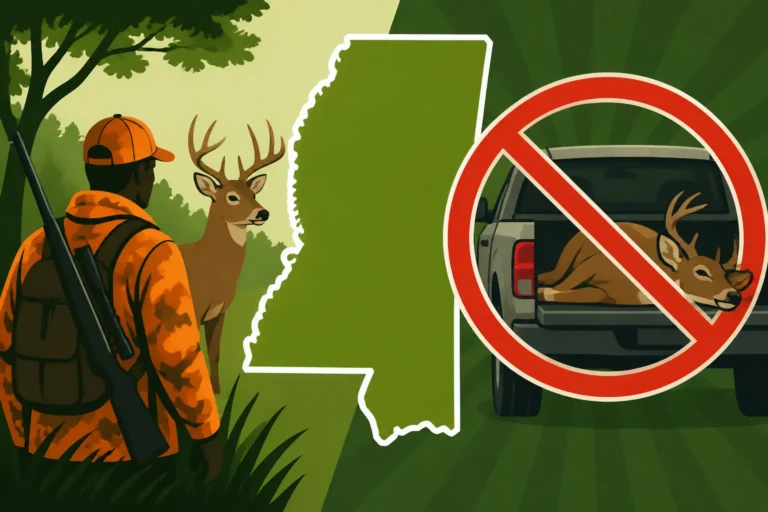
One of the most impactful CWD regulations for hunters, especially those who travel, is the restriction on carcass movement. You can't just throw an entire deer in the back of your truck and drive it anywhere you please once it's harvested in a CWD zone like Warren or Claiborne. These rules are in place for a very good reason: to prevent the physical spread of CWD prions to unaffected areas.
What Can and Cannot Leave the Zone
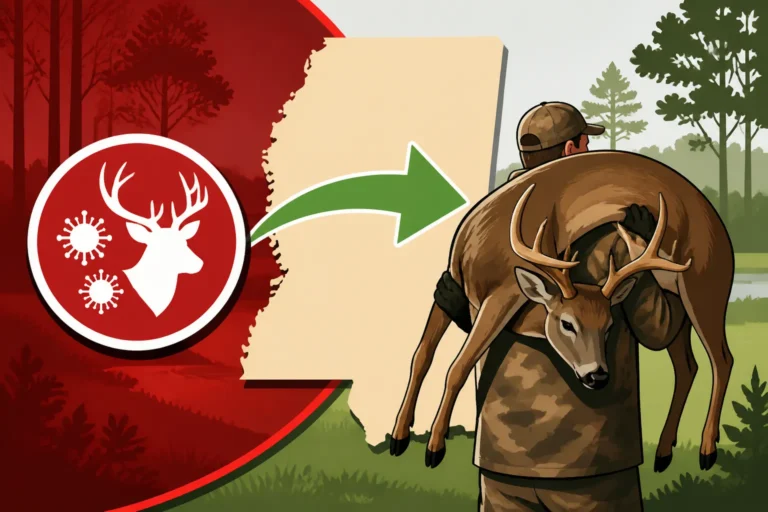
The general rule of thumb for CWD zones is that only certain parts of a harvested deer can be transported out of the zone. This is because the CWD prions are most concentrated in the brain, spinal cord, lymph nodes, and spleen. Essentially, the goal is to remove the "risky" parts before moving the rest of the carcass.
Here's a quick rundown of what parts you can typically transport out of the Warren-Claiborne CWD Zone:
| Carcass Part Allowed for Transport | Notes |
|---|---|
| Deboned meat | All meat must be deboned and separated from the bone. This includes steaks, roasts, and ground meat. |
| Cleaned skull plate/antlers | The skull plate and antlers are permitted, but any brain tissue, soft tissue, or velvet must be completely removed and disposed of properly within the CWD zone. |
| Cleaned hide | The hide is allowed, provided no head or spinal column material is attached. |
| Teeth | Teeth can be transported if they are removed from the skull. |
| Finished taxidermy products | Once a deer has been processed by a licensed taxidermist within the CWD zone, the finished product (e.g., a shoulder mount) can be transported. |
| Quarters of meat | Meat can be transported as quarters (bone-in) within the CWD zone. However, if moving out of the zone, the meat must be deboned. |
The parts that absolutely cannot leave the CWD zone include the intact head (unless going directly to a certified taxidermist or a CWD sampling station within the zone), the spinal column, and any other "high-risk" parts. This means gut piles and any remaining bones should be left at the kill site or disposed of in an approved manner within the zone. These are critical steps to prevent the spread of the disease. For comprehensive details, review the MDWFP's guidelines on Mississippi Carcass Movement Restrictions.
Why These Restrictions Are Crucial for Disease Management
These carcass movement restrictions might seem like an overreach to some, but they are a cornerstone of CWD management. The prions that cause CWD are incredibly resilient. They can survive in soil, water, and even on vegetation for extended periods, contaminating the environment. If an infected carcass is moved out of a CWD zone and processed elsewhere, those prions could be unknowingly deposited in a new, unaffected area. Imagine field dressing a deer with CWD in Warren County, then driving it home to a different county, gutting it again, and washing residual material down the drain or burying it. You've just created a new potential contamination site.
By limiting the transport of high-risk tissues, the MDWFP is actively working to minimize the chance of introducing CWD to new regions. It's an inconvenience, yes, but it's a necessary one if we hope to contain this disease. As responsible hunters, it's our duty to adhere to these rules, even if they require a bit more planning and effort.
Finding CWD Sampling Stations and Taxidermists
Okay, so you've harvested a deer in Warren or Claiborne, and you know you need to get it tested. Now what? Finding the right place and knowing the process can sometimes be the most confusing part. Thankfully, the MDWFP has worked to establish a network of sampling stations and cooperating taxidermists to make this as smooth as possible for hunters.
Locating Official Sampling Stations
The MDWFP provides official CWD sampling stations, particularly during mandatory testing periods, throughout and around CWD zones. These might be staffed stations where MDWFP personnel or trained volunteers can take your sample, or they could be self-service drop-off locations with clear instructions. It's incredibly important to know where these are before you head out hunting. Nothing is worse than having a deer on the ground and realizing you have no idea where to go for testing.
The MDWFP website and their official app are your best resources for up-to-date information on sampling station locations, operating hours, and any specific instructions. These locations can change from season to season or even week to week based on needs and resources, so always double-check. A tool like GoHunt can be invaluable here; you can mark potential sampling stations directly on your digital map, helping you plan your retrieval and transport route more efficiently. This forethought saves time and stress after a successful hunt. For a direct guide, check out Finding a Mississippi CWD Sampling Location.
Working with Participating Taxidermists and Processors
In addition to official sampling stations, many local taxidermists and meat processors within or near CWD zones are authorized by the MDWFP to collect CWD samples. This can be a huge convenience, as you might already be taking your deer to them for processing or mounting. These businesses have been trained on how to properly collect the necessary lymph node samples, ensuring they are handled correctly for laboratory submission.
It's a good idea to call your preferred taxidermist or processor ahead of time, especially if they are close to Warren or Claiborne counties, to confirm if they are participating in the CWD sampling program and what their specific procedures and turnaround times are. They can often provide valuable advice on how to properly handle your deer from the field to their shop, especially considering the carcass movement restrictions. Supporting these local businesses that are partnering with MDWFP is also a great way to contribute to the overall CWD management effort. You can find a list of Which Taxidermists Take CWD Samples on the MDWFP website.
Responsible Hunting Practices and the Future of Deer in the Zone
Hunting in a CWD zone comes with added responsibilities, but it doesn't mean your hunting experience has to be entirely diminished. In fact, by embracing these new practices, you become an even more vital part of wildlife conservation. It's about adapting and understanding that our actions directly impact the health of the deer herd we cherish.
Best Practices for Hunters in CWD Zones
When you're out in the Warren-Claiborne CWD zone, a few best practices can help reduce the risk of CWD transmission and ensure you're hunting responsibly:
- Be Diligent with Field Dressing: When field dressing a deer, leave the gut pile at the kill site. This limits the spread of high-risk tissues to other areas. If you're concerned about scavenger activity, consider burying the gut pile, but remember that prions can persist in soil.
- Clean Your Gear Thoroughly: CWD prions can adhere to hunting equipment. After a successful hunt in a CWD zone, thoroughly clean knives, saws, gloves, and even your boots. A diluted bleach solution can be effective for disinfecting non-porous surfaces.
- Know Your Rules: Always have the most current MDWFP regulations for the Warren-Claiborne CWD zone at your fingertips. Regulations can change, and ignorance is no excuse. A quick check on the MDWFP app or website before each hunt is prudent.
- Minimize Artificial Concentration: Avoid practices that unnaturally concentrate deer, such as excessive baiting or mineral sites, as this can increase deer-to-deer contact and environmental contamination with prions. While some baiting is allowed in Mississippi, consider how it might contribute to CWD spread in a known zone.
- Stay Informed: Follow MDWFP updates on CWD. The more you know, the better you can adapt your hunting strategy and contribute to management efforts.
By adopting these practices, you're not just complying with regulations; you're actively participating in protecting Mississippi's deer herd.
The Long-Term Outlook for Deer Management in Warren-Claiborne
The presence of CWD in Warren and Claiborne counties, much like other affected areas, means a long-term commitment to management. There's no quick fix for CWD, and unfortunately, it's something hunters and wildlife managers will need to contend with for the foreseeable future. The MDWFP's strategy involves continued surveillance, mandatory testing, and public education. The goal is to monitor the disease, understand its prevalence, and implement strategies to slow its spread and potentially reduce its impact on the local deer population.
This might mean future adjustments to bag limits, season structures, or other specific regulations within the zone to manage deer density, which can play a role in disease transmission. It could also lead to additional research into CWD resistance in deer or new ways to clean contaminated areas. The challenges are significant, but with continued hunter cooperation and sound scientific management, the hope is to maintain healthy, huntable deer populations in Warren and Claiborne counties for years to come. Your participation in mandatory testing, adherence to carcass movement restrictions, and commitment to responsible hunting are paramount in this ongoing effort. You can also explore insights into Mississippi's Chronic Wasting Disease Zones to understand broader management approaches.
Disclaimer
The information provided in this guide is for general informational purposes only and is subject to change. Hunting regulations, CWD zone boundaries, and testing protocols are dynamic and can be updated by the Mississippi Department of Wildlife, Fisheries, and Parks (MDWFP). Always consult the official MDWFP website or their latest hunting guide for the most current and accurate information before planning and executing your hunt. We are not responsible for any inaccuracies or outdated information.