Mandatory Testing Inside a Mississippi CWD Zone
Finding out you've harvested a deer, only to realize you're in a mandatory Chronic Wasting Disease (CWD) testing zone, can throw a real wrench in your post-hunt plans. It adds another layer of complexity to an already exciting—and sometimes exhausting—experience. This guide is here to walk you through exactly what mandatory CWD testing means for Mississippi hunters, why it's so important, and how you can navigate the process smoothly, ensuring you stay compliant and contribute to the health of our deer herd.
Understanding Mississippi's CWD Zones and Why They Matter
Chronic Wasting Disease is a serious, fatal neurological disease affecting deer, elk, and moose. It's caused by abnormal proteins called prions, which can persist in the environment for years. For Mississippi hunters, understanding CWD isn't just about compliance; it's about protecting the future of our hunting heritage and the health of our cherished white-tailed deer population. The Mississippi Department of Wildlife, Fisheries, and Parks (MDWFP) has established CWD Management Zones to contain the spread and monitor the disease's prevalence.
The Threat of Chronic Wasting Disease
Imagine the frustration of seeing the deer you've spent months scouting, tracking, and finally harvesting, potentially carrying a disease that could impact future generations of deer. That's the looming threat of CWD. It's not something to take lightly. Once an animal is infected, it can take months or even years for symptoms to appear, which include drastic weight loss, stumbling, listlessness, and other neurological signs. Unfortunately, there's no vaccine or cure, and it's always fatal. While there's no evidence CWD can spread to humans, wildlife agencies across the country err on the side of caution, recommending against consuming meat from infected animals. The disease spreads through direct animal-to-animal contact or indirectly through environmental contamination, like soil, plants, or feed sites.
The persistence of prions in the environment is a major concern. If an infected deer sheds prions through saliva, urine, or feces, those prions can contaminate the area, potentially infecting other deer that frequent the same spot. This is why strict carcass movement restrictions are in place—to prevent hunters from inadvertently spreading contaminated material to new, uninfected areas. It's a tough pill to swallow when you want to take your trophy home, but these measures are crucial for the long-term health of our deer.
Identifying Current CWD Management Zones
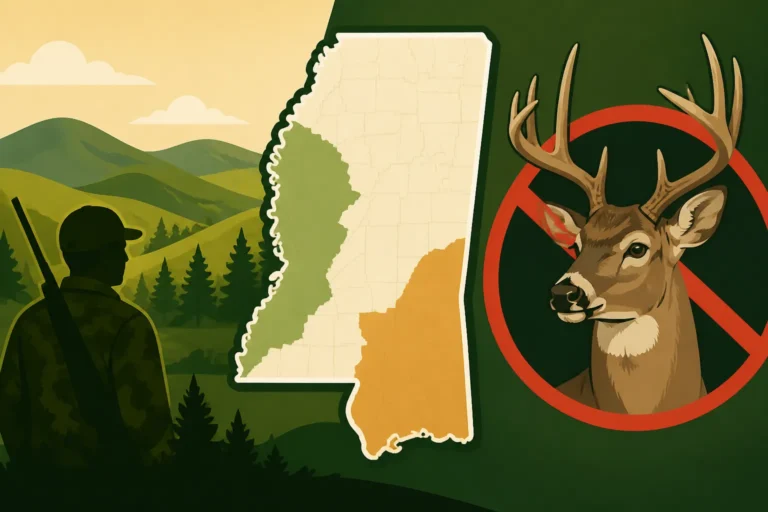
Navigating which counties fall into a CWD Management Zone can feel a bit like trying to solve a puzzle, especially as boundaries can shift based on new detections. Currently, Mississippi has several designated zones where CWD has been detected or is deemed a high risk. The most prominent is the North CWD Zone, which encompasses a significant portion of northern Mississippi, including counties like Benton, Marshall, Lafayette, and others. We also have the Warren-Claiborne CWD Zone and the Hancock County CWD Zone, established after detections in those areas. These zones aren't just arbitrary lines on a map; they represent areas where the MDWFP has confirmed CWD cases and implemented specific management strategies, including mandatory testing.
Staying informed about these zones is paramount for any hunter. The MDWFP website is your best friend here, providing up-to-date maps and regulations. Many hunters also use apps like GoHunt that integrate MDWFP regulations and land boundaries, making it easier to see if you're in a CWD zone even when you're deep in the woods. When you're planning your hunt, whether it's for deer or even just Squirrel and Small Game Hunting in Mississippi, always check the most current CWD zone information. Knowing your zone before you pull the trigger saves a lot of headaches later on. For more detailed information, check out our guide on Mississippi's Chronic Wasting Disease Zones.
The Specifics of Mandatory CWD Testing
So, you're in a CWD zone and you've harvested a deer. What now? This is where mandatory testing comes into play. It’s not just an optional recommendation; it’s a legal requirement designed to give wildlife biologists a clearer picture of CWD prevalence, allowing them to track its spread and adjust management strategies as needed. It's an inconvenience, yes, but it’s a vital step in protecting Mississippi's deer herd.
When and Where Testing is Required
Mandatory CWD testing is typically enforced during specific periods of the deer season and only within the designated CWD Management Zones. This usually means that any deer harvested within these counties on certain dates – often during the opening weekends of gun season or specific weekends during the archery season – must be submitted for testing. The MDWFP clearly outlines these dates and locations each year, often through their official publications and online resources. For example, if you're hunting in DeSoto County, which is part of the North CWD Zone, during a designated mandatory testing weekend, every deer you harvest, buck or doe, must be taken to a designated CWD drop-off location.
It’s crucial to remember that these rules apply regardless of whether you’re on private land or public hunting land in Mississippi. There’s no exemption based on where you harvest the animal, only where you harvest it. Before you head out, especially if you're planning on Opening Weekend Tactics for Gun Season, double-check the current MDWFP regulations for the specific county and dates you plan to hunt. You don't want to get caught off guard with a deer in the truck and no idea where to go. The MDWFP's Scouting Mississippi Public Land Before Season information often includes details on CWD zones.
How to Submit a Sample
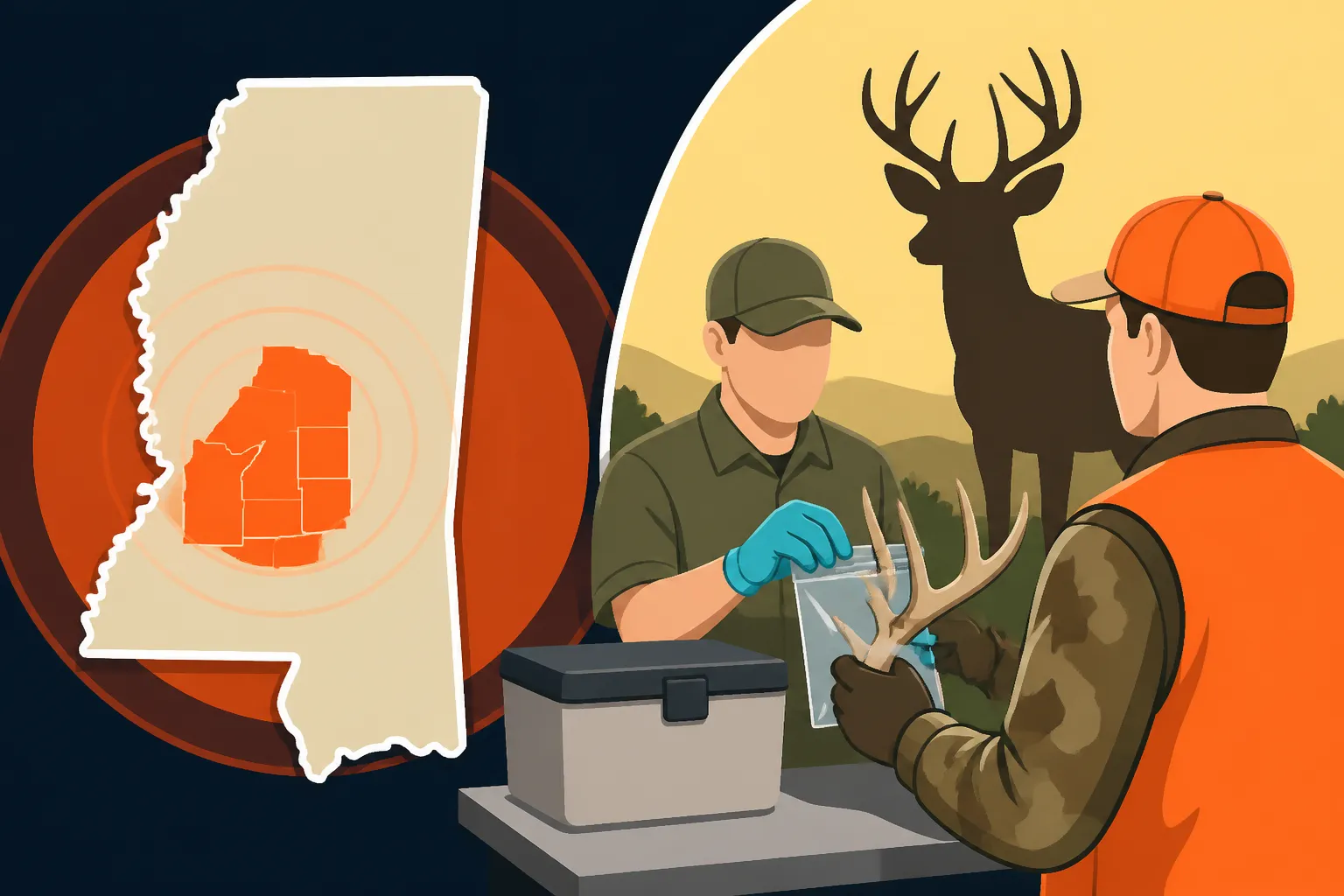
Submitting a sample for CWD testing is a fairly straightforward process, but it requires attention to detail. The MDWFP sets up numerous CWD sampling locations, including self-service drop-off freezers and staffed biological check stations, especially during mandatory testing periods. For a self-service station, you’ll typically be required to fill out a brief form with your name, contact information, the date and county of harvest, and an identifying tag number for the deer. Then, you'll place the deer’s head (with at least two inches of neck attached) into a provided bag and deposit it into the freezer. Make sure the head is placed with the tag securely attached so it can be correctly identified.
At staffed check stations, MDWFP personnel or trained volunteers will assist you, taking the sample themselves. They usually remove the lymph nodes from the neck area or a portion of the brainstem. These stations are a great resource if you have questions, as staff can guide you through the process and explain what they’re looking for. It's really important that you submit the correct part of the deer. Improperly collected samples can't be tested, which could mean wasted effort or even regulatory issues for you. Our article on Mississippi CWD Testing for Hunters provides a deeper dive into this. For a list of specific drop-off points, refer to the MDWFP's official CWD information or use hunting apps like GoHunt which often integrate these locations into their mapping features.
Here's a quick overview of the submission process:
| Step | Action | Important Notes |
|---|---|---|
| 1. Confirm Location | Verify you are in a mandatory CWD testing zone and within the mandatory testing dates. | Check MDWFP website or GoHunt app before your hunt. |
| 2. Locate Station | Find the nearest MDWFP CWD sampling station or participating taxidermist/processor. | Some are self-serve freezers, others are staffed check stations. |
| 3. Prepare Sample | For self-serve, cut off the deer's head with at least 2 inches of neck. Keep the harvest tag attached. | Ensure the tag is securely fastened and legible. |
| 4. Fill Out Form | Complete the required information: hunter name, contact, harvest date, county, and tag number. | Accuracy is key for proper identification and communication of results. |
| 5. Deposit Sample | Place the head/sample in the provided bag, seal it, and deposit into the designated freezer. | At staffed stations, biologists will take the sample for you. |
| 6. Retain Info | Keep a record of your submission, including any confirmation numbers. | This is your proof of compliance. |
What Happens After a Mandatory CWD Test
The waiting game after submitting a CWD sample can be nerve-wracking. Hunters naturally want to know if their deer is clear, both for peace of mind and for planning how to process their venison. The MDWFP strives to process samples as efficiently as possible, but the timeline for results can vary depending on the volume of samples received.
Understanding Your Test Results
Once a sample is submitted, it's sent to a certified laboratory for analysis. The testing process typically involves looking for the characteristic prions in the brainstem or lymph nodes. The MDWFP usually communicates results directly to hunters via email or mail, often providing a unique identification number that allows you to check the status online. While the turnaround time can sometimes be a few weeks, especially during peak hunting season, the MDWFP works hard to get results back promptly. Knowing the outcome is crucial, as it dictates how you can handle and consume the venison.
If your deer tests positive for CWD, it's understandably a disappointing moment. The MDWFP will provide clear instructions on what steps to take next. Generally, they will recommend that the carcass and any meat from a CWD-positive animal not be consumed, even though human health risks haven't been conclusively established. This is a precautionary measure to safeguard public health and prevent potential spread. It’s a harsh reality of hunting in a CWD-impacted area, but it's part of being a responsible steward of our wildlife. To see how Mississippi's efforts are tracking, you might be interested in How Many Deer Have Tested CWD-Positive Since 2018.
Carcass Movement Restrictions and Implications
One of the most significant implications of CWD zones, and mandatory testing within them, is the restriction on carcass movement. The rule is simple but critical: you cannot move an entire deer carcass out of a CWD Management Zone. This regulation is designed to prevent the accidental spread of CWD prions to uninfected areas. Imagine harvesting a deer in a CWD zone, taking the whole carcass to your camp three counties over, and then field dressing it there. Any prions shed during that process could contaminate the new location.
So, what can you take out of a CWD zone? Typically, you can transport:
- Deboned meat (meat with no part of the spinal column or skull attached).
- Clean skull plates with antlers attached (free of brain matter and tissue).
- Antlers themselves (free of brain matter and tissue).
- Hides (without the head attached).
- Finished taxidermy products.
This means if you harvest a deer in a CWD zone and plan to take it to a processor or taxidermist outside that zone, you'll need to do some processing right there, within the CWD zone. Many hunters will debone their deer in the field or at a local processing facility within the CWD zone to comply with these rules. Some local taxidermists within CWD zones are even set up to handle the initial skull cleaning to ensure compliance before you take your trophy home. Understanding Mississippi Carcass Movement Restrictions is essential for avoiding legal issues and doing your part to contain CWD. Our guide on Which Taxidermists Take CWD Samples can also help you find a compliant partner.
Tools and Resources for CWD Compliance
Staying on top of CWD regulations can feel like a full-time job, but thankfully, there are excellent tools and resources available to help Mississippi hunters navigate these complexities. From digital mapping solutions to partnerships with local businesses, staying informed and compliant is more accessible than ever.
Leveraging Technology for CWD Info
In today's hunting world, technology is a game-changer for staying informed about regulations, and CWD is no exception. The MDWFP offers a fantastic mobile app that provides real-time information on seasons, bag limits, and, critically, CWD zones. You can often overlay CWD boundaries onto maps of public lands, giving you a clear visual of whether your hunting spot falls into a mandatory testing area. This level of detail is invaluable when you're planning a trip to a place like Delta National Forest Hunting or another WMA.
Beyond official state resources, third-party apps and platforms also provide immense value. Services like GoHunt are excellent for detailed mapping and often integrate state-specific regulations, including CWD zones, right into their interface. This means you can be standing in your stand, pull up the app, and confirm whether you're in a mandatory testing county without needing to cross-reference multiple documents. These apps can also help you locate the nearest CWD sampling stations or registered processors, making the submission process much smoother. While the MDWFP's official app is a must-have, supplemental tools like GoHunt can really enhance your preparedness and confidence in the field.
Partnering with Local Taxidermists and Processors
Local taxidermists and wild game processors, especially those operating within or near CWD zones, are often well-versed in the specific regulations and can be invaluable partners for hunters. Many of them work closely with the MDWFP and are designated CWD sampling locations themselves. This means you can often take your harvested deer directly to them, and they can handle the necessary sample submission while also beginning the processing of your meat or preparing your trophy. This streamlines the entire post-harvest process, reducing the burden on you.
Before your hunt, especially if you're targeting a CWD-affected area, it’s a smart move to call ahead to local processors and taxidermists to confirm their CWD protocols. Ask if they are an official drop-off point, what their procedures are for handling deer from CWD zones, and what the turnaround time for test results might mean for meat processing. Building these relationships can save you a lot of stress and ensure you comply with all regulations. They can be particularly helpful with the unique requirements for Moving a Deer Carcass Out of a CWD Zone properly. Don't forget to check out our piece on Mississippi Deer Season Structure Explained for broader regulatory context.
CWD and Hunter Responsibility
Ultimately, managing Chronic Wasting Disease in Mississippi falls on all of us who cherish our wild resources. It's easy to feel frustrated by the extra rules and hoops to jump through, but these measures are in place to protect the deer herd we love to hunt. Every hunter plays a critical role in preventing the spread of CWD by adhering to carcass movement restrictions, properly submitting samples when required, and staying informed about the latest regulations.
The Impact of Hunter Compliance
When hunters consistently comply with CWD regulations, it provides wildlife managers with the data they need to make informed decisions. Each sample submitted helps track the disease's prevalence and spread, identifying new hot spots or areas where control measures are working. Without this data, the MDWFP would be flying blind, making it much harder to implement effective strategies. Think of it as a collective effort: your one sample might seem small, but combined with thousands of others, it paints a vital picture. Non-compliance, on the other hand, risks undermining these efforts, potentially leading to increased spread of the disease and more stringent regulations down the line. It's a shared responsibility that ensures healthy deer for White-Tailed Deer Across Mississippi for generations to come.
The MDWFP also relies on hunters to report any deer exhibiting CWD-like symptoms. If you encounter a deer that appears sick, emaciated, or displays unusual neurological behavior, it's crucial to report it to the MDWFP immediately. Do not approach or harvest a visibly sick deer. Early detection of new cases is vital for rapid response and containment. Your vigilance in the field is just as important as your compliance with mandatory testing, helping to safeguard our herd from this insidious disease.
Future Outlook and Continued Vigilance
The fight against CWD is ongoing, and the landscape of regulations and management strategies may evolve as scientists learn more about the disease and its impact. The MDWFP continuously monitors Mississippi's CWD Case Count by Zone and adapts its approach based on the latest scientific findings and real-world data from the field. This means hunters need to commit to ongoing education and vigilance. Don't just check the regulations once at the start of the season; stay informed throughout the year.
The future of Mississippi hunting, especially for deer, is inextricably linked to our ability to manage CWD effectively. It's a challenging task, but with the dedication of hunters, landowners, and wildlife agencies working together, we can mitigate its impact. By embracing mandatory testing, adhering to carcass restrictions, and staying informed, we ensure that the thrilling experiences of Hunting the Rut in the Delta Unit or harvesting a buck in the Hills Unit remain a vibrant part of Mississippi's outdoor tradition for years to come. Remember, the health of the herd is paramount, and your actions make a difference.
Disclaimer
The information provided in this guide is for general informational purposes only and does not constitute legal advice. Hunting regulations, CWD zones, and testing requirements can change. Always consult the most current regulations published by the Mississippi Department of Wildlife, Fisheries, and Parks (MDWFP) before engaging in any hunting activities.