Mississippi Special Youth Hunt Windows
Navigating the myriad of hunting seasons and regulations in Mississippi can feel like deciphering a complex code, especially when you're trying to figure out the best opportunities for the younger generation. It's a common frustration for parents and mentors who want to introduce kids to the outdoors safely and legally, without accidentally running afoul of the rules. This comprehensive guide is designed to cut through that confusion, clearly outlining Mississippi's special youth hunt windows and all the essential details to make those experiences truly unforgettable.
Understanding Mississippi's Special Youth Hunt Windows
Mississippi is incredibly supportive of youth participation in hunting, offering designated periods specifically for young hunters. These "special youth hunt windows" aren't just an arbitrary set of dates; they are a cornerstone of hunter recruitment and retention, designed to provide a less pressured, more focused learning environment for kids before the general seasons fully kick in.
The Purpose Behind Dedicated Youth Seasons
The philosophy behind these special seasons is deeply rooted in the long-term health of our hunting heritage. When you take a young hunter out during a youth-only weekend, they're often experiencing less competition from adult hunters, leading to a calmer, more educational experience. Imagine sitting in a deer stand during a youth gun weekend; the woods can feel a bit quieter, giving you and your young charge a better chance to observe wildlife, practice patience, and maybe even get a shot opportunity without feeling rushed by the presence of other hunters. This reduced pressure allows for a greater focus on skill-building, ethical considerations, and simply enjoying nature. It's about instilling a love for the outdoors, respectful hunting practices, and conservation from a young age, rather than just chasing a trophy. These windows also help manage wildlife populations by adding a targeted harvest opportunity for a specific demographic.
Who Qualifies as a Youth Hunter in Mississippi
In Mississippi, the definition of a "youth hunter" for these special seasons is generally quite clear: any individual 15 years of age or younger. However, it's not quite as simple as just being under 16. There are specific requirements that need to be met, not just by the youth themselves but also by the accompanying adult or mentor. For example, while a young hunter might not need a full hunting license, the accompanying mentor certainly does, and they must meet certain age and licensing criteria themselves. It's important to remember that these age cutoffs are firm, and they are in place to ensure both safety and compliance. Always double-check the latest regulations from the Mississippi Department of Wildlife, Fisheries, and Parks (MDWFP) to confirm the exact age requirements for each specific youth hunt, as they can sometimes vary slightly by species or even over time.
Key Dates and Species for Youth Hunting Opportunities
Mississippi offers dedicated youth hunting opportunities for a variety of popular game species, each with its own set of dates and specific regulations. These windows are strategically placed to give young hunters prime access during periods of high activity or before adult pressure sets in.
Deer Hunting: Gun, Archery, and Muzzleloader Youth Seasons
Deer hunting is often the gateway for many young hunters, and Mississippi provides excellent opportunities for them to get started. The most anticipated youth deer hunt is typically the Youth Gun Season, which usually opens for a special weekend in early November, often before the general statewide gun season. This gives young hunters first crack at deer that haven't been pressured by widespread hunting yet. There's often a second youth gun weekend later in January, after the regular gun seasons have wrapped up. During these youth gun weekends, kids 15 and under, under direct adult supervision, are allowed to harvest deer with firearms.
While there aren't specific "youth-only" archery or muzzleloader seasons that precede the general season in the same way the gun season does, youth hunters who qualify can certainly participate in the regular Bowhunting Mississippi's Long Archery Season or Muzzleloader Deer Hunting in Mississippi dates, adhering to all the standard equipment and safety rules. However, the youth gun weekends allow for firearm use, even if general archery or muzzleloader seasons are open concurrently for adults, providing that early firearm opportunity specifically for the youth. Always consult the Mississippi Deer Season Structure Explained to understand how these youth windows fit into the overall season framework.
Spring Turkey Hunting for Young Sportsmen
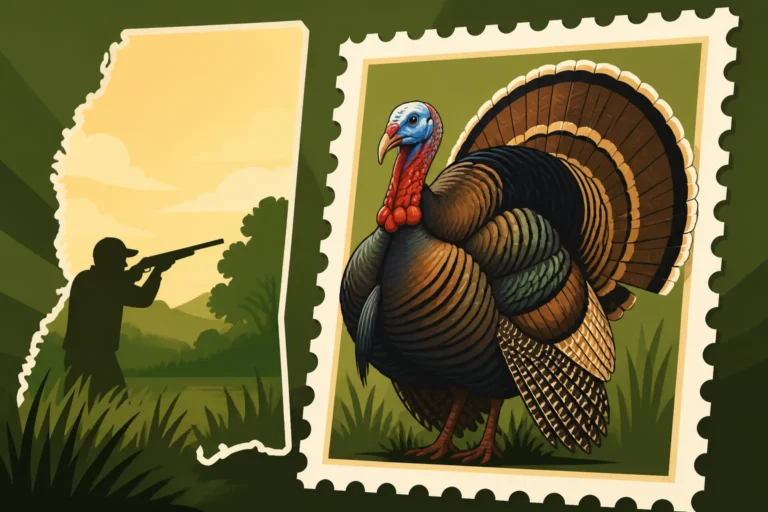
Just like with deer, spring turkey hunting offers a fantastic experience for young hunters, and Mississippi makes sure they get a head start. The state typically offers a Youth Turkey Season that opens a week or two before the statewide general turkey season. This allows young gobbler getters, usually 15 and under, to hit the woods when the birds are often most active and responsive, without the added competition from a full complement of adult hunters. Imagine the thrill of calling in a big tom with your child during this exclusive window – it's an experience that truly builds excitement for hunting.
The rules for youth turkey hunts are generally similar to the deer hunts, emphasizing adult supervision and specific bag limits. You can find detailed information on these specific rules in guides like Mississippi Spring Turkey Season Rules and Mississippi Youth Turkey Bag Limit Rules. These early opportunities are designed to maximize success rates and enjoyment for the youth, creating positive memories that encourage a lifelong passion for turkey hunting.
Waterfowl and Small Game Youth Days
It's not just big game that gets special attention for youth. Mississippi also dedicates specific days for young waterfowl hunters and often provides open access for small game during the youth deer weekends. The Youth Waterfowl Hunt Days are typically set for a couple of specific weekends, usually one earlier in the season and one later, often around the time ducks and geese are migrating through the state on the Mississippi Waterfowl on the Mississippi Flyway. These days are fantastic for introducing kids to duck and goose hunting, often in less crowded conditions. Learning to identify different species, set decoys, and understand calling techniques is much easier when the focus is solely on the youth hunter. Many avid waterfowl hunters rely on mapping tools like GoHunt to scout flooded timber or field edges in advance, ensuring prime spots for these special youth days.
For small game, while there aren't usually standalone "youth-only" days, young hunters can often pursue rabbits, squirrels, and other small game during the general small game seasons, especially during the youth deer gun weekends. This multi-species opportunity allows for a diverse hunting experience, which can be particularly engaging for kids. Always check the Mississippi Small Game Season Rules to ensure you're compliant with bag limits and seasons for species like squirrel and rabbit.
| Game Species | Typical Youth Season Timing | Age Requirement (Youth) | Mentor Requirement | Notes |
|---|---|---|---|---|
| White-tailed Deer (Gun) | Early Nov. & Late Jan. weekends | 15 and under | 21+, Licensed, Direct Supervision | Prior to general gun season for reduced pressure. |
| Wild Turkey | Week/Two before Statewide Opener | 15 and under | 21+, Licensed, Direct Supervision | Excellent early season calling opportunities. |
| Waterfowl | Specific dates, early & late season | 15 and under | 21+, Licensed, Direct Supervision | Less crowded conditions for duck/goose hunting. |
| Small Game | Generally open with statewide season | Varies by species, 15 and under | Varies, often requires licensed adult supervision | Can be hunted during youth deer gun weekends. |
Note: Always consult the official MDWFP regulations for the most current dates, specific age requirements, and rules, as these can change annually.
Essential Rules and Mentor Responsibilities
Participation in Mississippi's youth hunting programs comes with specific rules and, most importantly, significant responsibilities for the adult mentor. These guidelines are paramount to ensuring a safe, ethical, and positive experience for the young hunter.
Licensing, Hunter Education, and Apprentice Hunter Programs
For the youth hunter themselves, Mississippi offers a few pathways to participate. Youth under 16 years of age are generally exempt from needing a full hunting license to hunt small game and derive deer and turkey tags from their adult mentor's license, provided they are accompanied by a licensed adult. However, this doesn't mean they're entirely free of requirements. Hunter education is a crucial component of safe hunting. While youth under 16 can hunt under the direct supervision of a licensed adult without having completed a hunter education course, it's highly recommended they do so. Many states, including Mississippi, offer an Mississippi Hunter Education Requirements program. This provides a solid foundation in firearm safety, ethics, and conservation.
A fantastic option for those just starting out, or for youth who haven't yet taken hunter education, is the Mississippi Apprentice Hunter License Rules. This license allows individuals (both youth and adults) to hunt under the direct supervision of a licensed mentor for a set period, deferring the hunter education requirement. It's a perfect way to "try before you buy" into the full commitment of hunter education, ensuring the new hunter genuinely enjoys the sport. The mentor, in this scenario, is legally responsible for the apprentice hunter's actions and must ensure compliance with all laws.
Crucial Mentor Guidelines for Safe and Successful Hunts
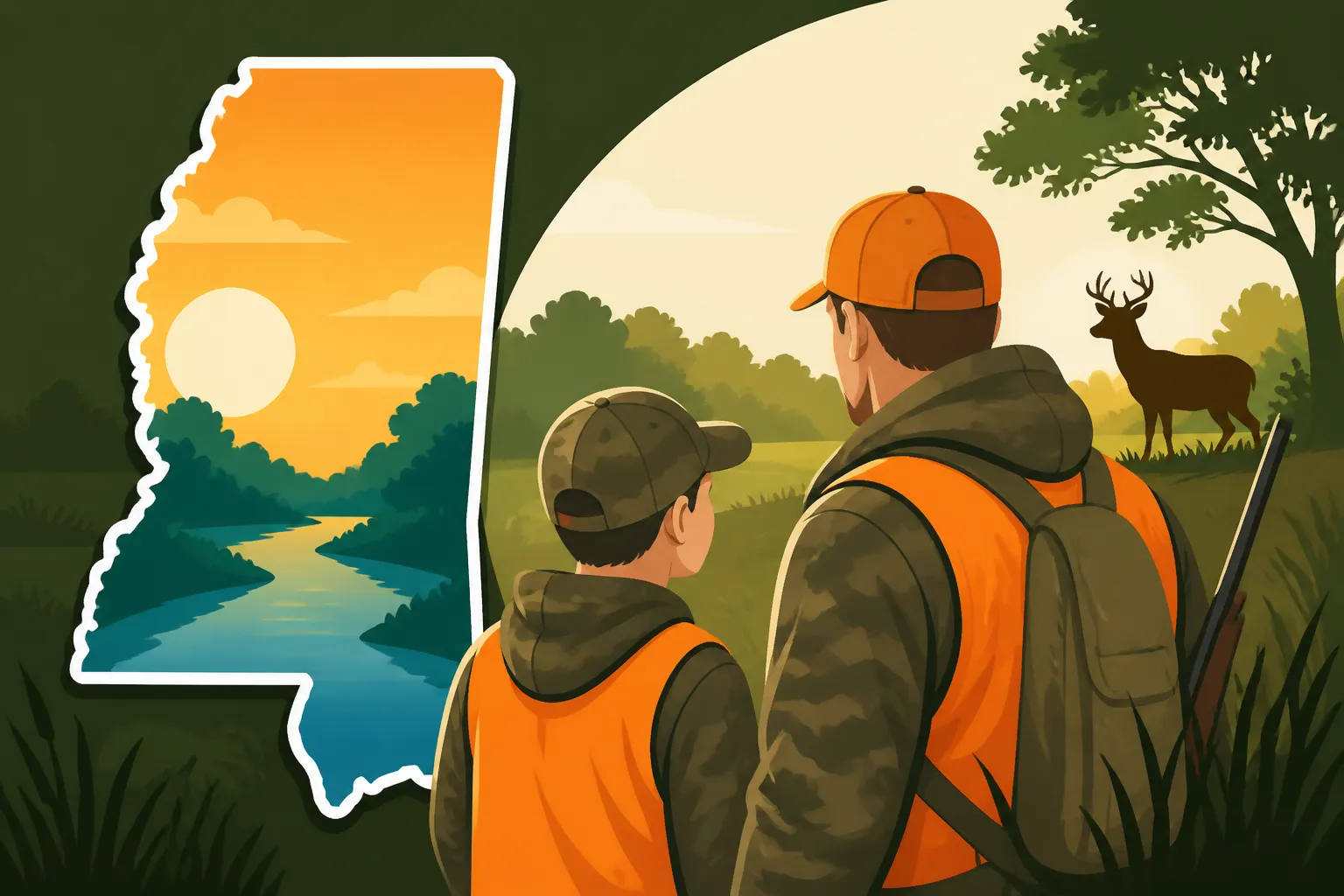
The role of the adult mentor during a youth hunt cannot be overstated. They are not just chaperones; they are teachers, guardians, and responsible guides. First and foremost, the mentor must be at least 21 years of age and hold a valid, current Mississippi hunting license (or a Lifetime Sportsman's License). During any youth-only firearm hunt (like the youth deer gun season), the mentor must remain in "direct supervision" of the youth, which often means being within normal voice communication and at arm's length for younger hunters. This close proximity ensures immediate intervention if a safety issue arises or if the youth needs guidance with shot placement. Knowing How Close a Mississippi Mentor Must Stay is not just a suggestion; it's a legal requirement designed for safety.
The mentor is responsible for ensuring the youth understands and follows all hunting regulations, including bag limits, legal shooting hours, and proper identification of game. This means prior preparation, like reviewing the latest MDWFP regulations, is essential. Furthermore, responsible mentors teach more than just how to shoot; they teach about ethics, conservation, respect for wildlife, and the importance of private property. They embody what it means to be a responsible sportsman.
Bag Limits, Reporting, and General Safety Practices
Specific bag limits apply to youth hunters, and these usually mirror or are a subset of the general season limits. For example, during youth deer gun season, the specific number of antlered and antlerless deer allowed will be outlined in the MDWFP regulations. For turkey, there are Mississippi Youth Turkey Bag Limit Rules which are usually one gobbler per youth per season. Always check the current year's regulations for precise numbers, as these can change.
Harvest reporting is another critical responsibility. Just like adult hunters, youth hunters (or their mentors on their behalf) must report all harvested deer and turkeys to the MDWFP through their online system or mobile app. This data is vital for wildlife management. The MDWFP app, which many hunters use alongside other tools like GoHunt, makes this process quite simple, even from the field.
Finally, general safety practices are paramount. This includes wearing appropriate blaze orange (even during archery seasons if firearm seasons are open concurrently, which is often the case during youth gun hunts), knowing your target and what is beyond it, keeping your muzzle pointed in a safe direction, and treating every firearm as if it's loaded. Education is key, and every youth hunt is an opportunity to reinforce these life-saving habits. Remember, the Minimum Age for Unsupervised Mississippi Hunting is typically 16, underscoring the necessity of a mentor for younger hunters.
Maximizing the Youth Hunting Experience
Taking a child hunting is about so much more than just the harvest. It's about forging memories, building character, and instilling a lifelong appreciation for the natural world. To truly make the most of Mississippi's special youth hunt windows, a thoughtful approach is key.
Pre-Season Scouting and Preparation Tips
Success on a youth hunt often begins long before opening day. Pre-season scouting is absolutely invaluable. Don't wait until the weekend of the hunt to figure out where you're going to sit. Use tools like aerial maps and topo maps (many hunters find the detailed layers on GoHunt incredibly useful for this) to identify potential pinch points, food sources, and travel corridors. Look for fresh deer tracks, rub lines, and scrape lines along a logging road if you're targeting deer. For turkeys, listen for gobblers on the roost in the mornings before the season, or look for signs of feeding and dusting areas. If you're heading to a WMA, remember to check Scouting Mississippi Public Land Before Season for specific guidelines and ensure you have the necessary WMA permit.
Beyond scouting the location, prepare your young hunter mentally and physically. Practice shooting beforehand with the specific firearm they'll be using, ensuring they are comfortable and proficient. Go over safety rules repeatedly. Discuss what to expect: the sounds of the woods, the long waits, and the possibility of not seeing anything. Set realistic expectations, emphasizing that just being out there is a success. Pack plenty of snacks, water, and warm clothing, because a cold, hungry kid is a miserable hunter.
Focusing on Fun and Learning, Not Just the Harvest
One of the biggest mistakes a mentor can make is putting too much pressure on a young hunter to harvest an animal. The primary goal of any youth hunt should be to foster a love for the outdoors and the hunting tradition. If a deer or turkey is harvested, that's a bonus! But if not, the experience should still be rich with learning and enjoyment. Point out different bird calls, identify trees and plants, or discuss animal tracks. Let the youth take the lead in certain decisions, like which direction to look or what call to use, within safe parameters.
Consider making it a multi-activity trip. Maybe combine a morning deer hunt with an afternoon of Squirrel and Small Game Hunting in Mississippi or fishing. Even bringing a book or quiet game for downtime in the stand can make the experience more enjoyable for a child with a shorter attention span. The memories made during these hunts – the quiet conversations, the shared sunrise, the unexpected wildlife sightings – are often far more impactful than the animal brought home. It's about building a foundation for a lifelong passion, not just a one-time kill.
Building a Lifelong Love for the Outdoors
Youth hunt windows are incredible opportunities to kickstart a lifelong journey into hunting and conservation. After the hunt, whether successful or not, discuss what went well and what could be improved. Involve your young hunter in the process of Field Dressing a Deer in Warm Weather or cleaning small game, explaining the anatomy and the respect due to the animal. Teach them about the role hunting plays in conservation, including how license fees contribute to habitat protection and wildlife management.
Encourage them to share their stories with family and friends. Take photos to commemorate the experience. Consider joining a local hunting club or conservation organization together; these groups often have youth programs and offer a great way to stay engaged. The passion for hunting is often passed down through generations, and these dedicated youth seasons are critical moments in that transmission. By focusing on safety, education, and enjoyment, you're not just creating a hunter; you're cultivating a future steward of Mississippi's natural resources and a guardian of its rich hunting heritage.
Disclaimer
Please note that hunting regulations, season dates, and licensing requirements in Mississippi are subject to change. While this guide aims to provide accurate and up-to-date information, it is your responsibility to verify all current rules and regulations with the Mississippi Department of Wildlife, Fisheries, and Parks (MDWFP) before participating in any hunting activity.