Wild Turkeys in Mississippi
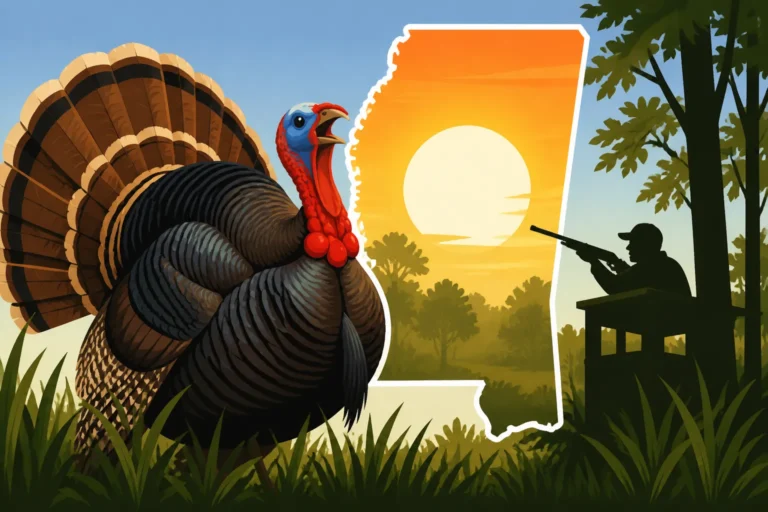
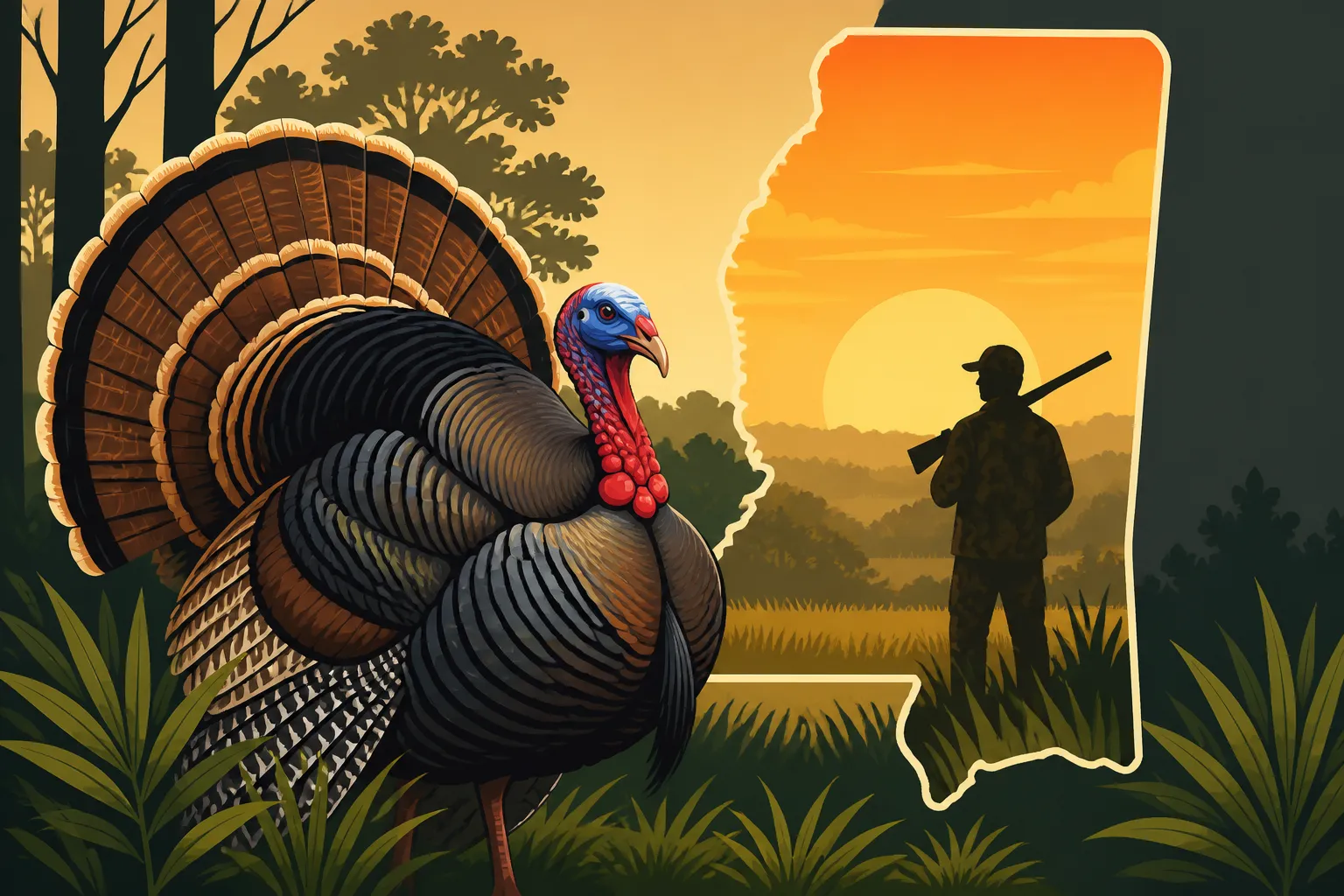
There’s nothing quite like that first gobble breaking the stillness of a cool Mississippi morning, sending shivers down your spine and igniting that primal hunter’s instinct. Yet, for all the magic, consistently finding and calling in those wily birds can feel like a monumental challenge, especially when seasons fluctuate or populations seem to dip in your favorite spots. This comprehensive guide is here to unravel the mysteries of wild turkeys in Mississippi, from their incredible comeback story to understanding their habits, the rules of the game, and advanced tactics to help you punch your tag.
A Rich History of Mississippi's Wild Turkeys
It's easy to take for granted the incredible turkey hunting we enjoy across Mississippi today, but it wasn't always this way. The story of the wild turkey in our state, much like in many parts of the country, is one of dramatic decline and an even more impressive resurgence, a testament to dedicated conservation efforts.
From Near Extinction to Resurgence: Early Challenges
Back in the early 20th century, the wild turkey population in Mississippi was in dire straits. Unregulated hunting, coupled with widespread habitat destruction from logging and agricultural expansion, pushed these magnificent birds to the brink. Estimates suggest that by the 1940s, only a few thousand turkeys remained in isolated pockets across the state, primarily in remote bottomland hardwoods and inaccessible swamps. Imagine a time when that booming gobble was a rare sound, almost unheard in vast stretches of our landscape. This period represents a significant challenge for wildlife, underscoring the impact human activities can have on even robust species. It was a wake-up call that something drastic needed to change, or the wild turkey would become a ghost of Mississippi's past.
The Unsung Heroes of Restoration: MDWFP and Conservation Efforts
Fortunately, dedicated individuals and organizations stepped up. The Mississippi Department of Wildlife, Fisheries, and Parks (MDWFP) spearheaded an ambitious restoration program. Beginning in the 1950s and extending through the 1980s, the primary strategy was trap-and-transfer. Wildlife biologists would capture wild turkeys from healthy populations in remote areas and release them into suitable habitats where turkeys had been extirpated. This painstaking work, often involving rocket nets and countless hours in the field, was incredibly successful. They didn't just reintroduce birds; they worked on habitat improvements, established hunting regulations, and fostered a conservation ethic among landowners and hunters. These efforts, detailed further in discussions about How Turkeys Were Restored to Mississippi, laid the groundwork for the robust turkey populations we now enjoy, turning a near-extinct species into one of the state's most cherished game animals.
Understanding Mississippi's Wild Turkey Subspecies
While often referred to simply as "wild turkeys," Mississippi is home primarily to one subspecies: the Eastern Wild Turkey (Meleagris gallopavo silvestris). These birds are recognizable by their rich, dark plumage with iridescent bronze and green highlights. Their tail feathers are tipped with a dark chestnut band, distinguishing them from other subspecies like the Osceola or Rio Grande. You'll find these Easterns thriving across diverse habitats, from the Delta's bottomland hardwoods to the pine forests of the south and the mixed hardwoods of the central hills. Understanding the specific characteristics of the Eastern wild turkey helps hunters appreciate their behavior and adapt their strategies. For instance, Easterns are notoriously responsive to a wide range of calls, making calling tactics a cornerstone of hunting success in Mississippi.
Where the Turkeys Roam: Population and Distribution Across Mississippi
Knowing where to find turkeys is half the battle, and Mississippi offers a fantastic range of habitats that support healthy populations. However, their distribution and density aren't uniform across the state. Understanding these patterns can significantly improve your scouting and hunting efforts.
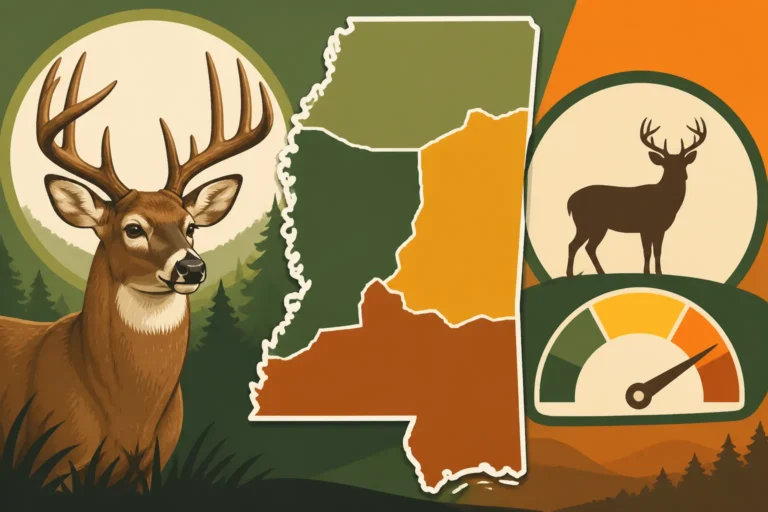
Mississippi Turkey Population Estimate and Density by Region
The MDWFP carefully monitors turkey populations through various surveys, including brood surveys and hunter harvest reports. While exact numbers fluctuate annually, the state generally boasts a healthy and widespread turkey population, estimated in the hundreds of thousands. You can find insights into Mississippi Turkey Population Trends by examining annual reports. Historically, the highest densities of turkeys are often found in areas with a mix of mature hardwood forests for roosting and foraging, interspersed with open fields or pine timber for nesting and bugging. The Delta region, with its vast bottomland hardwoods, and the central Hills region, with its diverse timber and agricultural edges, consistently hold strong numbers. Even the Piney Woods region, when managed for appropriate habitat diversity, can offer excellent turkey hunting.
The distribution isn't just about tree cover; it's about the quality of that cover and how it provides for all aspects of a turkey's life cycle. Areas with consistent food sources, good nesting cover that protects hens and poults, and safe roosting sites will naturally harbor more birds. When scouting, observant hunters often utilize mapping tools, such as those provided by GoHunt, to identify these varied habitat types and predict where turkeys are likely to be.
Best Mississippi Counties for Turkeys: Hotspots and Hidden Gems
While it's tough to pinpoint one "best" county, certain areas consistently produce excellent turkey hunting opportunities year after year. Counties in the central and northern Hills region, known for their mixed timber and rolling topography, like Kemper, Winston, Neshoba, and Noxubee, often boast high turkey densities and consistent harvests. Similarly, counties within the Delta's eastern edge, where the big timber meets agriculture, can be fantastic. However, don't overlook "hidden gems"—smaller, less pressured tracts of land in other regions, especially those with good timber management practices. It's not always about the most birds, but the most huntable birds. For deeper analysis, explore Best Mississippi Counties for Turkeys which delves into specific regions and their potential.
Remember, the "best" spot can change. Factors like timber harvests, severe weather events, and changes in land use can shift turkey concentrations. A diligent hunter stays informed and adaptable, using resources like the MDWFP's annual harvest reports to track success rates across different counties and regions.
Why Habitat Matters: The Role of Forests and Farmlands
Habitat is king for wild turkeys. They need a diverse landscape to thrive, fulfilling their needs for food, water, cover, and reproduction throughout the year.
- Forests: Mature hardwood forests provide critical roosting sites, especially large, open-limbed trees where they can fly up to safety at night. These forests also offer an abundance of mast crops like acorns and pecans, which are vital food sources in the fall and winter. Regenerating timber stands, with their dense undergrowth, provide excellent cover for hens to nest and for poults to hide from predators.
- Farmlands: Agricultural lands, particularly those adjacent to timber, offer accessible food sources like waste grain (corn, soybeans, wheat) and insects, which are crucial protein for growing poults. Field edges and fencerows can serve as travel corridors and dusting areas.
- Mixed Habitat: The ideal turkey habitat is a mosaic of these elements: mature timber for roosting and hard mast, younger timber or thickets for nesting and cover, and open areas or fields for foraging and strutting. Without this diversity, turkey populations struggle. Landowners and land managers play a pivotal role in creating and maintaining these varied habitats, directly influencing the health and density of local turkey flocks. Using tools that provide satellite imagery for scouting, such as GoHunt, can help identify these varied habitat types and zero in on likely turkey hangouts before you even step foot in the woods.
The Life Cycle of a Mississippi Gobbler
Understanding the annual rhythm of a wild turkey's life is fundamental to becoming a successful hunter. Their behaviors are intrinsically linked to the changing seasons, especially in the spring when their breeding instincts kick into high gear.
Spring's First Song: Gobbling Activity and Breeding Season
As late winter gives way to early spring, the lengthening days and warming temperatures trigger the onset of the breeding season. This is when the woods come alive with the characteristic gobble of a tom, a sound that, for many of us, defines the magic of spring. Gobbling serves as an advertisement to hens, signaling the tom's presence and vigor, and also as a challenge to rival males. Peak gobbling activity typically occurs from late March through April in Mississippi, though it can vary based on local weather and the specific phase of the breeding cycle.
Early in the season, before hens are fully receptive, toms might gobble frequently on the roost and then hit the ground ready to find mates. As the season progresses and more hens become bred and begin nesting, toms might become "henned up," spending their mornings with real hens and gobbling less frequently to artificial calls. The art of turkey hunting in Mississippi during this phase often involves identifying the When Mississippi Gobblers Go Quiet in May and adapting your calling and approach.
Nesting and Poult Rearing: The Future of the Flock
Once bred, hens begin the crucial process of nesting. They typically seek out dense cover, often in brushy areas, pine plantations, or thick fencerows, to lay a clutch of 8-15 eggs. The incubation period lasts around 28 days, during which the hen is incredibly vulnerable. After hatching, the tiny poults require constant care from the hen. The first few weeks are critical for their survival, as they are susceptible to cold, wet weather and a myriad of predators.
The success of the nesting and poult-rearing phase directly impacts the health of the turkey population for the following year. Biologists meticulously track Poult-to-Hen Ratios and What They Mean to gauge reproductive success, which gives us an indicator of future turkey numbers. Good brood-rearing habitat, rich in insects for protein and dense enough to offer concealment, is essential for these young birds to thrive and grow into the next generation of gobblers and hens.
Fall and Winter: Food Sources and Survival Strategies
As summer transitions to fall, poults are growing rapidly, often nearing adult size, and the focus shifts to foraging for energy to sustain through the colder months. Fall food sources are diverse and critical for turkey survival. Hard mast, particularly acorns from oaks, becomes a primary food source, along with pecans, dogwood berries, and various seeds. Turkeys will also continue to utilize agricultural fields, gleaning waste grains after harvest. During this time, flocks often consolidate into larger groups, with hens and poults forming sizable aggregations, and toms sometimes forming bachelor groups.
Winter presents the toughest challenge, especially during periods of heavy snow or prolonged cold, though Mississippi winters are generally milder. Turkeys will continue to rely on mast, waste grains, and whatever insects they can find. Roosting in large, protective trees helps them conserve energy and stay safe from nocturnal predators. Understanding these seasonal movements and food preferences is key for hunters considering Hunting Mississippi's Year-Round Feral Hogs or even squirrel season, as you might run into turkeys while pursuing other game.
Factors Influencing Mississippi's Turkey Health and Harvest
The health and numbers of Mississippi's wild turkey population are influenced by a complex interplay of environmental factors, predation, and human activity. As hunters and conservationists, understanding these dynamics helps us appreciate the challenges our turkeys face and supports management decisions.
Poult-to-Hen Ratios and What They Mean for Next Year
One of the most critical metrics for assessing the future of a turkey population is the poult-to-hen ratio. This metric, typically collected through summer brood surveys, measures the average number of poults observed per hen. A high ratio indicates a successful nesting and brood-rearing season, suggesting a strong recruitment of young birds into the population. Conversely, a low ratio can signal poor nesting success, high poult mortality, or a combination of both.
These ratios are a crystal ball, giving wildlife managers and savvy hunters a glimpse into what the next spring season might hold. For instance, if the poult-to-hen ratio was low last summer, hunters might anticipate fewer two-year-old gobblers (jakes) the following spring, as fewer birds survived to that age class. Factors like prolonged cold, wet springs during hatching, or intense Nest Predation and Mississippi Turkey Hatches can significantly depress these ratios, highlighting the delicate balance required for sustained population growth.
Predation and Its Impact on Mississippi Turkey Hatches
While predation is a natural part of any ecosystem, it can have a significant impact on turkey populations, especially during the vulnerable nesting and poult stages. Common nest predators in Mississippi include raccoons, opossums, skunks, and snakes, which readily feast on turkey eggs. Once hatched, young poults face threats from a wider array of predators, including bobcats, coyotes, foxes, and various raptors. The abundance of these predators, alongside the availability of suitable nesting cover, directly influences poult survival rates.
While MDWFP often addresses habitat issues as the primary driver for turkey numbers, some research suggests that localized predator control efforts, particularly on private lands, can sometimes benefit turkey production. However, healthy, diverse habitats that provide ample nesting and brood-rearing cover are often the best long-term solution, as they give turkeys a fighting chance against their natural adversaries.
Weather Woes: How Rain and Drought Affect Turkey Numbers
Weather plays an undeniable, often unpredictable, role in the annual fortunes of Mississippi's wild turkeys.
- Wet, Cold Springs: A prolonged period of cold, wet weather during the critical hatching period can be devastating for poults. Young turkeys are highly susceptible to hypothermia, and heavy rains can reduce insect availability, which is their primary food source in the first few weeks of life. This can lead to high poult mortality and, subsequently, lower poult-to-hen ratios.
- Drought: Conversely, severe drought can impact habitat quality, reducing vegetation needed for cover and potentially limiting insect populations. While adult turkeys are more resilient, persistent drought conditions can stress the birds and lead to reduced reproductive success in subsequent seasons.
- Mild Winters: On the positive side, mild winters in Mississippi generally mean less stress on the turkey population, allowing more birds to survive into the spring breeding season in good condition, which can set the stage for better reproduction.
Hunters often feel these weather impacts directly. A string of poor hatches due to unfavorable weather can translate into tougher hunting seasons a couple of years down the line, as fewer young gobblers are available.
Understanding Mississippi Spring Turkey Harvest Numbers
Each year, the MDWFP compiles and releases Mississippi Spring Turkey Harvest Numbers, offering valuable insights into hunter success and population trends. These reports detail the number of gobblers harvested, often broken down by county or region, and sometimes include data on jakes versus adult gobblers. Analyzing these numbers over time can reveal important patterns. For instance, if the harvest of jakes is significantly down, it might correlate with a poor poult-to-hen ratio two seasons prior, confirming a dip in recruitment.
It's crucial to remember that harvest numbers reflect both the health of the turkey population and hunter effort and success rates. A dip in harvest might not always mean fewer turkeys; it could also mean fewer hunters afield, or challenging hunting conditions. However, consistently declining harvest numbers over several years would be a significant concern, prompting closer examination by wildlife managers. Hunters are required to report their harvests, and this data is vital for sound wildlife management.
| Season Type | Opening Date | Closing Date | Bag Limit (Adult Gobblers) | Youth Bag Limit (All Gobblers) |
|---|---|---|---|---|
| Youth Season | Last Sat in March | Day before General Opener | N/A | 3 |
| General Statewide | Varies by Year | May 1 | 3 | N/A |
| Special Archery | N/A | N/A | Refer to specific WMA/unit regs | N/A |
Note: Always consult the official MDWFP Outdoor Annual for the most current and specific dates and regulations, as these are subject to change annually.
Hunting Mississippi's Wild Turkeys: Rules, Seasons, and Opportunities
Before you ever step foot into the spring woods, knowing the regulations, understanding the season structure, and identifying your hunting opportunities are paramount. Mississippi has clear guidelines designed to ensure sustainable hunting and a healthy turkey population for generations to come.
Mississippi Spring Turkey Season Rules and Bag Limits
Mississippi's spring turkey season is a highly anticipated event, typically kicking off with a youth-only weekend in late March, followed by a statewide general season that runs through April and into early May. The exact dates can vary slightly year to year, so always confirm with the latest MDWFP Outdoor Annual. The general statewide bag limit allows hunters to harvest three (3) adult gobblers per spring season. An adult gobbler is defined as a turkey with a beard at least six inches long. This rule is in place to protect younger birds and ensure they have a chance to breed.
For youth hunters (those 15 years of age or younger), the bag limit is usually three (3) gobblers of any age (meaning jakes count), with specific dates for their early season. These youth hunts are a fantastic way to introduce the next generation to the thrill of turkey hunting without the pressure of crowds. For detailed information on specific dates and any special unit regulations, always refer to Mississippi Spring Turkey Season Rules. Adherence to these rules is crucial for the future of turkey hunting in the state.
The New Mississippi Wild Turkey Stamp and Its Importance
As of July 1, 2024, Mississippi hunters pursuing wild turkeys are now required to purchase a special The New Mississippi Wild Turkey Stamp. This stamp, costing $10 for residents and $25 for non-residents (or included with certain comprehensive licenses), is a direct investment in turkey conservation. The funds generated from stamp sales are specifically earmarked for wild turkey research, habitat management, and population restoration efforts within Mississippi.
This initiative underscores the commitment to ensuring a robust turkey population for the long term. By contributing to this fund, hunters are directly supporting projects that will enhance turkey habitat, monitor disease, and provide crucial data for science-based management decisions. It’s a small price to pay for the privilege of pursuing these magnificent birds and securing their future in the state. So, when you're gearing up for Spring Turkey Hunting in Mississippi, don't forget to grab your turkey stamp!
Public Land Opportunities: WMAs and National Forests
Mississippi offers significant public land opportunities for turkey hunters, including numerous Wildlife Management Areas (WMAs) and extensive National Forest lands. These areas provide accessible hunting grounds for those without private land access.
- Wildlife Management Areas (WMAs): The MDWFP manages a network of WMAs across the state, many of which offer excellent turkey hunting. Some WMAs may have specific regulations, such as different season dates, bag limits, or even quota hunts, so it's vital to check the WMA-specific rules before you go. Areas like Bienville WMA, Caston Creek WMA, and Mahannah WMA are known for their turkey potential. Be prepared for company, especially on opening day, but also know that diligent scouting using tools like GoHunt, and a willingness to walk, can often lead you away from the crowds and into unpressured birds.
- National Forests: Mississippi is home to several National Forests, including Delta National Forest, Homochitto National Forest, and Bienville National Forest. These vast tracts of land offer significant acreage for turkey hunting, often with more permissive access rules than some WMAs. While National Forests are managed for multiple uses (timber, recreation, wildlife), they can provide excellent opportunities, especially in areas with diverse habitat. Scouting for good roosting timber, subtle ridges, and openings can be productive. Keep in mind that pressure can be high on these lands, so knowing how to find Hunting Pressure on Mississippi Public Land and avoid it is key.
Hunting public land requires extra homework – checking regulations, scouting diligently, and being prepared to adapt to hunting pressure. But the rewards of connecting with a public land gobbler are truly special.
Advanced Turkey Tactics for Mississippi Hunters
Once you understand the basics of turkey behavior and regulations, it's time to refine your hunting skills. Mississippi turkeys, especially those that have been hunted before, can be incredibly challenging. Employing advanced tactics can often make the difference between a silent morning and a thunderous encounter.
Calling Mississippi Gobblers Off the Roost: Early Morning Plays
The moments just before and immediately after a gobbler flies down from the roost are often the most exhilarating and, at times, the most productive. Turkeys are naturally vocal on the roost, sounding off to declare their presence and locate hens. Your goal is to be in position before he gobbles on the limb, setting up close enough to hear him but far enough not to spook him when you slip in under the cloak of darkness. Once he starts gobbling, a few soft tree yelps or an owl hoot can sometimes get him to gobble more frequently, helping you pinpoint his exact location.
The critical decision comes when he pitches down. If he flies down towards you or into an open area where he can see, a soft cluck or purr might be all it takes to seal the deal. If he flies down with hens or away from you, you'll need to adjust quickly. Sometimes, being aggressive with loud cutting and yelping can break him away from real hens, but other times, pure silence and patience are the best approach. Mastering the art of Calling a Mississippi Gobbler Off the Roost involves reading the bird, his environment, and his response to your calls in real-time.
Run-and-Gun Turkey Tactics on Public Land: Covering Ground
On vast public lands like National Forests or large WMAs, especially when birds aren't gobbling frequently, the "run-and-gun" approach can be incredibly effective. This tactic involves covering a lot of ground, stopping frequently to call, and listening for a response. Instead of sitting in one spot for hours, you're actively searching for a responsive bird. This method is particularly useful when you're hunting areas where the turkeys are spread out, or after the initial morning fly-down period when gobbling has slowed.
To execute a successful run-and-gun, move slowly and stealthily through likely turkey habitat—along ridges, through open timber, or on logging roads. Stop at regular intervals (every 100-200 yards, for example) in good listening spots, and let out a series of locator calls: crow calls, owl hoots, or sharp hen yelps and cuts. When you get a response, the real work begins. You'll need to quickly assess the distance and direction of the gobbler, and then strategize your approach to get within setup range without being seen. This highly dynamic method requires excellent woodsmanship, physical stamina, and the ability to set up quickly. Learn more about Run-and-Gun Turkey Tactics on Public Land to refine your technique.
Decoy Placement for Pressured Mississippi Birds: Tricky Scenarios
Decoys can be a game-changer, but for pressured Mississippi birds, placement and type are crucial. A full-strut tom decoy might work on an unpressured gobbler, but often for a wary Delta bird, it can be a red flag. For educated turkeys, a more subtle approach is often best. Consider a single hen decoy, or a jake decoy paired with a feeding hen. These setups appear less threatening and more natural.
Placement is everything. Always set your decoys so that a gobbler approaching them will present a shot opportunity, typically 20-30 yards from your position. Face them towards you, so the bird is broadside or slightly quartering away as it comes in. For a cautious gobbler, place them on the edge of an opening or just inside sparse cover, forcing him to commit to view them fully. Never set your decoys where a gobbler can circle and spot your concealed position before seeing the dekes. In areas with high hunting pressure, some hunters forgo decoys entirely, relying solely on calling and concealment. GoHunt mapping tools can help you visualize open areas and approach routes for optimal decoy placement.
Roost Hunting Mississippi Gobblers: Evening Stakes
While spring turkey hunting is predominantly a morning affair, "roost hunting" in the evening can be a highly effective scouting tool, and sometimes, a productive hunting strategy if regulations allow. Roost hunting involves locating where turkeys are going to bed down for the night. This isn't about shooting a bird off the roost, which is illegal and unethical in Mississippi, but about gaining intel for the next morning's hunt.
As dusk approaches, turkeys will fly up to their roost trees, often gobbling a few times just before and after they settle in. By quietly listening from a distance, or using an owl hoot or crow call as a "shock gobble" to elicit a response, you can pinpoint their evening location. This knowledge allows you to plan a precise, silent approach for the following morning, ensuring you're in the perfect setup position before legal shooting hours. Knowing Where Mississippi Gobblers Roost can give you a significant advantage, reducing the guesswork and maximizing your chances for a successful early morning encounter.
Conservation Challenges and the Future of Mississippi Turkeys
Even with the incredible success of past restoration efforts, Mississippi's wild turkey populations face ongoing challenges. As hunters and stewards of the land, it's vital to understand these issues and play our part in securing the future of this iconic game bird.
Habitat Loss and Fragmentation: A Looming Threat
Perhaps the most significant long-term threat to wild turkeys in Mississippi is continued habitat loss and fragmentation. As urban areas expand, forests are converted to agriculture, and large tracts of land are divided into smaller parcels, the contiguous blocks of diverse habitat that turkeys need begin to shrink. This reduction in quality habitat directly impacts nesting success, poult survival, and overall population health. When critical pieces of habitat—like mature roosting timber, dense nesting cover, or food-rich foraging areas—are removed or isolated, turkeys struggle to find all the resources they need to thrive within their home range.
It's not just the loss of habitat, but the quality of what remains. Timber practices that favor monoculture pine plantations over diverse mixed hardwoods, or the conversion of forest edges to manicured lawns, diminish the overall value of the landscape for turkeys. Conservation organizations and the MDWFP continually work to educate landowners on best management practices, such as prescribed burning and selective timber harvesting, to enhance and maintain quality turkey habitat.
Disease and Parasites: Keeping an Eye on Flock Health
Like all wildlife populations, wild turkeys are susceptible to various diseases and parasites that can impact their health and, in severe outbreaks, even their numbers. Blackhead disease, fowl pox, and avian influenza are among the pathogens that can affect turkeys. Additionally, parasitic infestations, particularly with internal worms, can weaken birds, making them more vulnerable to other stresses or predators.
The MDWFP monitors turkey health through various surveillance programs, often relying on reports from hunters and landowners who observe sick or dead birds. Hunters play a crucial role here: if you encounter a turkey that appears lethargic, has lesions, or exhibits unusual behavior, reporting it to wildlife officials can help them track and manage potential outbreaks. While widespread disease epidemics are rare, localized issues can impact specific flocks, reminding us that constant vigilance is necessary to protect our wild turkey resource. The agency’s efforts to monitor Mississippi Wildlife Disease Monitoring are ongoing and essential.
Hunter's Role in Conservation: Ethical Hunting and Data Reporting
The future of wild turkeys in Mississippi rests heavily on the shoulders of ethical hunters and informed conservationists. Our passion for chasing gobblers translates into a powerful force for their well-being.
- Ethical Hunting: Adhering to all hunting regulations, practicing fair chase, and respecting the land and wildlife are fundamental. This includes recognizing and passing on jakes when appropriate, ensuring hens are undisturbed during the breeding season, and making clean, ethical shots. Responsible hunting ensures that the harvest remains sustainable and contributes to public perception of hunting as a conservation tool.
- Data Reporting: One of the most critical contributions hunters make is through accurate and timely harvest reporting. In Mississippi, hunters are required to report all harvested turkeys. This data, which includes the date, county, and age class (jake or adult gobbler), is invaluable to MDWFP biologists. It helps them track population trends, evaluate the effectiveness of management strategies, and make informed decisions about future season dates and bag limits. Without this vital information, wildlife management would be largely guesswork. Using the MDWFP's mobile app or online portal for reporting makes this process simple and efficient, directly contributing to the conservation of Wild Turkeys in Mississippi.
By being good stewards, following the rules, and actively participating in data collection, Mississippi hunters ensure that the thrill of a spring gobble will continue for generations to come.
Disclaimer
Please remember that hunting regulations, seasons, and bag limits are subject to change annually by the Mississippi Department of Wildlife, Fisheries, and Parks (MDWFP). Always consult the most current official MDWFP Outdoor Annual or visit their website before planning any hunting trip to ensure you have the most up-to-date and accurate information. This guide provides general information and should not be used as a substitute for official regulations.