Feral Hogs Across Mississippi
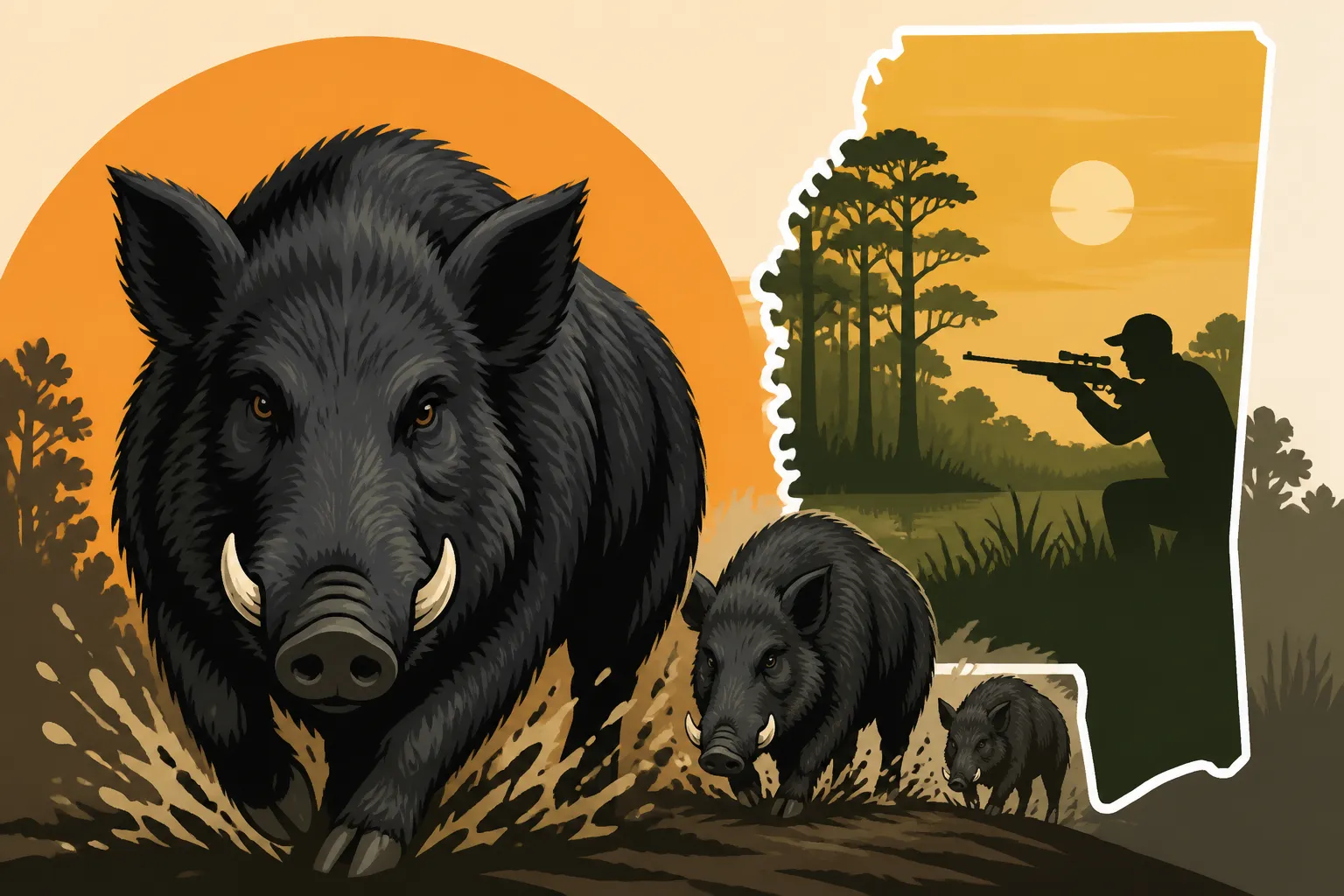
For anyone who lives in Mississippi, especially those of us connected to the land, the sight of rooted-up fields, trampled food plots, and damaged timber is all too familiar. Feral hogs are more than just a nuisance; they are an ecological and agricultural disaster in our state, leaving a trail of destruction that frustrates farmers, landowners, and hunters alike. They seem to be everywhere, multiplying at an alarming rate, and figuring out how to deal with them feels like an endless battle. This comprehensive guide is here to shed light on everything you need to know about feral hogs across Mississippi, from understanding their destructive nature to effective strategies for control, helping you tackle this pervasive problem head-on.
Understanding the Feral Hog Problem in Mississippi
The pervasive presence of feral hogs in Mississippi isn't a new phenomenon, but their numbers and the damage they cause have escalated dramatically over recent decades. These aren't just "wild pigs" in the traditional sense; they're a complex, intelligent, and highly adaptable invasive species that challenges even the most dedicated land managers and hunters. To truly combat them, we first need to understand who they are and how they operate.
Defining Feral Hogs: More Than Just Wild Pigs
When we talk about feral hogs in Mississippi, we're primarily referring to domestic pigs (Sus scrofa) that have escaped captivity and adapted to survive and reproduce in the wild. While some areas might have historical populations with traces of European wild boar genetics, the vast majority of our feral hog population stems from escaped farm animals and their descendants. This lineage makes them incredibly resilient and capable of thriving in diverse environments.
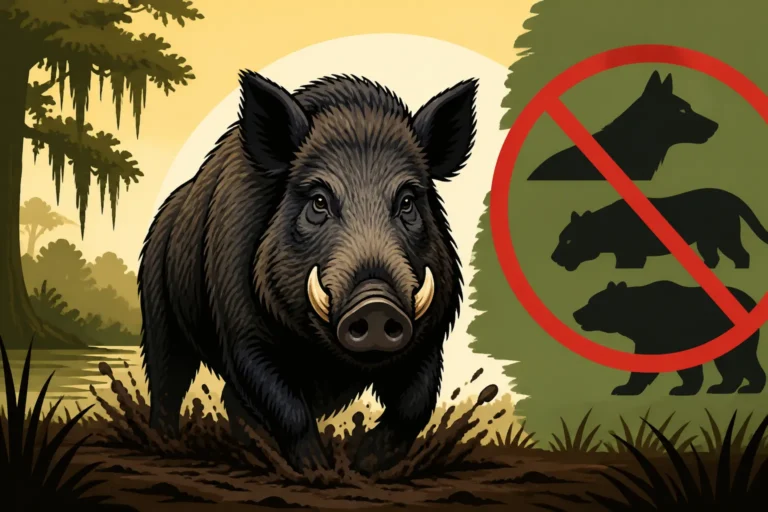
Unlike their domesticated cousins, feral hogs develop thicker hides, longer snouts, and often impressive tusks—which are actually elongated canine teeth—that grow continuously and can inflict serious damage. Their coats typically revert to a coarse, often dark or mottled coloration, providing excellent camouflage. What truly sets them apart, however, is their reversion to instinctual survival behaviors: they become wary, nocturnal, and incredibly resourceful foragers. They possess an exceptional sense of smell, keen hearing, and surprisingly good memory, even if their eyesight is relatively poor. This combination of physical toughness and heightened senses makes them a formidable adversary.
It's crucial to remember that these aren't just "pigs running around." They are an invasive species, operating without the natural predator checks they would typically face in their ancestral range. This freedom from predation, combined with their rapid reproductive rates, has allowed them to proliferate uncontrollably across the Mississippi landscape, fundamentally altering ecosystems and impacting agriculture in profound ways.
How Feral Hogs Spread Across Mississippi
The journey of feral hogs across Mississippi is a tale of both natural dispersion and, unfortunately, human intervention. Initially, populations expanded through natural migratory patterns, with hogs gradually colonizing new territories in search of food and cover. Their ability to travel long distances, often following creek drainages and river systems, allowed them to steadily expand their footprint from established strongholds.
However, a significant accelerator of their spread, especially in the past, was human-assisted translocation. This controversial practice, sometimes referred to as "trap and transplant," involved individuals capturing feral hogs from one area and releasing them in another, often for recreational hunting purposes. While the intentions might have been to establish hunting opportunities, the ecological consequences were disastrous, as these introduced populations rapidly exploded in areas that previously had few or no hogs. Though regulations now strictly prohibit such actions, the legacy of this practice continues to challenge eradication efforts.
Once established in a new location, feral hogs are remarkably adept at quickly setting up shop. They need only a small breeding population to begin exponential growth, and their adaptability allows them to quickly exploit available resources. From the rich bottomlands of the Delta to the dense pine forests of the Hills region, hogs find ways to survive and multiply. Understanding this rapid dispersal and establishment is key to appreciating the scale of the problem. For more on the numbers, you might want to look into How Many Feral Hogs Mississippi Has.
Why Feral Hogs Reproduce So Fast
Perhaps the most frustrating aspect of feral hog management is their astonishing reproductive capacity. It often feels like you can harvest dozens of hogs, only for their numbers to rebound almost immediately. This isn't an illusion; it's a biological reality rooted in several key factors that make them incredibly prolific breeders.
Firstly, feral sows exhibit precocious sexual maturity, meaning they can become pregnant at a very young age, often as early as six months old. This rapid onset of reproductive capability means that even young hogs are contributing to the population growth much sooner than many other wild game species. They are also polyestrous, meaning they can come into heat multiple times throughout the year. While two litters per year is common, under ideal conditions with abundant food, a sow might even produce more, leading to a constant influx of new piglets.
The average litter size for a feral sow ranges from four to eight piglets, but it's not uncommon for larger litters of up to twelve to be born. Couple this with relatively high survival rates for piglets, especially in areas with good cover and mild winters, and you have a recipe for exponential growth. These factors combined mean that a single breeding pair can quickly escalate into a large sounder, and small, localized populations can rapidly spiral into widespread infestations. For a deeper dive into this specific challenge in our state, check out Why Delta Hogs Reproduce So Fast. It’s this biological advantage that necessitates a relentless, multi-pronged approach to control, as simply removing a few individuals makes little dent in the overall population trajectory.
Where Feral Hogs Live and Thrive in Mississippi
Feral hogs aren't picky when it comes to habitat, but certain regions of Mississippi provide them with everything they need to truly thrive and multiply. From the fertile farmlands of the Delta to the dense forests of the southern Piney Woods, these animals have found their niches, creating hotspots of activity and destruction. Understanding these preferred areas is crucial for anyone looking to hunt them or mitigate their impact.
Mississippi Counties with the Highest Hog Densities
While feral hogs are present in all 82 counties of Mississippi, certain areas experience significantly higher densities and, consequently, more severe problems. The Mississippi Delta region consistently ranks among the top, with counties like Bolivar, Washington, Sunflower, Issaquena, and Sharkey often reporting the most intense activity. These areas offer an irresistible combination of vast agricultural fields providing abundant food sources like corn, soybeans, and rice, interspersed with dense bottomland hardwoods, river cane thickets, and numerous sloughs and swamps that provide ideal cover and water.
Beyond the Delta, parts of Southwest Mississippi, particularly counties along the Mississippi River like Claiborne and Adams, also contend with substantial hog populations due to similar habitat characteristics of rich river bottomlands and agricultural fringes. Furthermore, the Piney Woods and Coastal Plains regions, especially counties with extensive swamps and creek bottoms such like those found in the Pascagoula River basin, provide hogs with ample opportunity to establish themselves. These regions offer different but equally effective combinations of food, water, and cover, allowing hog populations to flourish. For a more detailed breakdown by specific locations, you can reference Which Mississippi Counties Have the Most Hogs.
Preferred Habitats in the Delta and Piney Woods
The habitat preferences of feral hogs are remarkably consistent across Mississippi, centering on areas that offer a trifecta of dense cover, abundant food, and reliable water sources. However, the specific manifestations of these preferences differ slightly between the Delta and Piney Woods regions.
In the vast Delta, hogs are kings of the bottomland hardwoods and agricultural interfaces. They utilize the tangled undergrowth of river bottoms, the impenetrable cane thickets along sloughs, and dense blocks of timber for bedding and security during the day. Come nightfall, they pour out into the expansive corn, soybean, and rice fields, rooting and feeding with impunity. Water is rarely an issue in the Delta, with countless sloughs, oxbow lakes, and the Mississippi River itself providing constant access for drinking and wallowing, which is essential for cooling off and deterring parasites. They are incredibly adept at navigating these landscapes, often using the same travel corridors for generations.
Conversely, in the Piney Woods region, hogs adapt to a more upland and forested environment. Here, they gravitate towards dense pine plantations with thick understories, mixed pine-hardwood stands, and especially creek and river bottoms. These riparian zones offer critical resources: perennial water, hardwood mast (acorns being a prized food source), and incredibly dense cover that makes detection difficult. Clear-cuts and regenerating timber stands, with their thick regrowth of briars and young trees, also provide excellent security and foraging opportunities. Regardless of the region, the core principle remains: hogs will seek out areas where they can feed, water, and hide without disturbance.
Impact of Waterways on Hog Distribution
Water is not just a resource for feral hogs; it's also a major highway and a critical factor in their distribution and ability to evade pressure. Hogs are exceptionally strong swimmers, capable of crossing wide rivers and sloughs with surprising ease. This aquatic prowess plays a significant role in their ability to colonize new areas and move between different habitat types.
Rivers like the Mississippi, Yazoo, Pearl, and Pascagoula, along with their numerous tributaries and associated swamp systems, act as natural dispersal corridors. Hogs will often travel along riverbanks, using the dense vegetation for cover, and readily cross the water to access new feeding grounds or escape hunting pressure. For instance, the vast batture lands along the Mississippi River provide continuous travel routes and ideal habitat, allowing hogs to move freely up and down the state's western border.
Seasonal flooding, a common occurrence in many parts of Mississippi, also dictates hog movements. As floodwaters rise in bottomlands, hogs are pushed to higher ground, often concentrating them on levees, ridges, or islands of dry land. This can sometimes make them temporarily more predictable and vulnerable to hunting or trapping efforts. However, once the waters recede, they quickly disperse back into the replenished bottomlands, resuming their destructive activities. Understanding how hogs utilize waterways is therefore vital for predicting their movements and developing effective control strategies.
The Devastating Impact of Feral Hogs on Mississippi's Ecosystems and Agriculture
The presence of feral hogs in Mississippi isn't merely an inconvenience; it's a profound threat that tears at the fabric of our natural ecosystems and inflicts substantial economic hardship on our agricultural sector. Their destructive nature, driven by an insatiable appetite and constant rooting, leaves a scar on the land that is evident everywhere they roam.
Crop Damage Hogs Cause in the Delta
For farmers in the Mississippi Delta, feral hogs are nothing short of an economic nightmare. The region's rich, fertile soils and vast expanses of row crops provide an irresistible buffet for these destructive animals, leading to millions of dollars in losses annually. Hogs don't just eat crops; they inflict widespread damage through rooting, trampling, and wallowing, often rendering entire sections of fields unharvestable.
They target a wide array of crops, with corn, soybeans, rice, peanuts, and even sweet potatoes being common victims. A sounder of hogs can invade a mature cornfield just days before harvest, systematically knocking down stalks, eating ears, and creating chaotic patches of destruction. This rooting behavior, where they churn up the soil in search of roots, tubers, and insects, can disturb vast areas, making it impossible for heavy machinery to pass through cleanly during harvest. Imagine a farmer, after months of hard work and investment, driving his combine into a field only to find acres of crops flattened and fouled by hogs, knowing that every damaged patch translates directly into lost income. This isn't a rare occurrence; it's a constant threat that forces farmers to invest heavily in control measures, often with limited success. For more on this critical issue, be sure to read Crop Damage Hogs Cause in the Delta.
Ecological Destruction to Native Wildlife
Beyond the immediate agricultural losses, feral hogs are an ecological bulldozer, fundamentally altering and degrading natural habitats and directly impacting native wildlife populations. Their constant rooting disturbs soil structure, increases erosion, and can destroy sensitive native vegetation, including rare wildflowers and tree seedlings, preventing forest regeneration. This widespread soil disturbance also impacts water quality, as loosened soil washes into streams and rivers, increasing sedimentation.
Perhaps most alarming is their role as opportunistic predators. Feral hogs are omnivores, and while much of their diet consists of plant matter, they readily consume eggs, young birds, fawns, and small reptiles and amphibians. This predation poses a significant threat to ground-nesting birds like wild turkeys and quail, whose nests are easily found and raided. Imagine a hen turkey laying a clutch of eggs, only for a sounder of hogs to come through and devour every single one. Studies, including insights from Mississippi Turkey Brood Survey Results, highlight how such predation can severely hamper the recruitment of new turkey poults into the population. Fawn predation is also a documented concern, adding another layer of pressure on deer populations already facing other challenges.
Furthermore, hogs compete directly with native wildlife for critical food resources. They are highly efficient foragers and consume vast quantities of acorns, a vital food source for deer, turkeys, and squirrels, especially during the lean winter months. Their aggressive feeding habits can quickly strip an area of mast, leaving little for other species. Their wallowing in wetlands and near water sources also degrades water quality and destroys critical amphibian and insect habitat. In essence, where hogs are present in significant numbers, the natural balance of the ecosystem is severely disrupted.
Disease Risks Associated with Feral Hogs
As if their physical destruction wasn't enough, feral hogs also pose a serious public health and livestock biosecurity threat by acting as reservoirs and vectors for numerous diseases and parasites. This aspect of the problem is often overlooked but carries significant implications for farmers, hunters, and even the broader public.
One of the most concerning diseases carried by feral hogs is swine brucellosis. This bacterial disease can cause abortions and infertility in domestic swine and cattle, leading to significant economic losses for livestock producers. Crucially, swine brucellosis is also a zoonotic disease, meaning it can be transmitted to humans, causing a debilitating flu-like illness that can persist for months or even years. Hunters who handle feral hogs are particularly at risk, especially if they have open cuts or don't wear gloves when field dressing animals.
Another notable disease is pseudorabies, a viral infection that is usually fatal to many species, including dogs, cattle, and sheep, though mature hogs often show minimal symptoms. This poses a direct threat to hunting dogs and can infect livestock through contact with infected feral hogs. Beyond these two major concerns, feral hogs can carry and transmit a host of other pathogens, including Leptospirosis, E. coli, and Salmonella, which can contaminate water sources and food plots, affecting both wildlife and humans. Their habit of wallowing and defecating near water sources creates prime conditions for spreading these contaminants. The potential for disease transmission underscores the importance of proper handling, cooking, and disposal practices when dealing with feral hogs, and highlights the need for continued surveillance and control efforts.
Mississippi's Regulations for Hunting and Trapping Feral Hogs
The state of Mississippi recognizes feral hogs as a destructive nuisance species, and its regulations reflect a strong stance on their control. Unlike deer or turkey, hogs are not managed as a game animal, which affords landowners and hunters considerable flexibility in their efforts to reduce populations. However, it's crucial to understand the nuances, especially when distinguishing between private and public land regulations. For a full breakdown, Mississippi Feral Hog Regulations is an excellent resource.
Year-Round Hog Rule on Private Land
One of the most significant aspects of Mississippi's approach to feral hog management is the continuous open season on private land. This means that if you have permission from a landowner, you can hunt feral hogs year-round, 24 hours a day, with no bag limits. This blanket rule is a direct response to the immense damage hogs cause to agriculture and ecosystems, treating them as an invasive pest rather than a regulated game species.
This rule provides immense flexibility for landowners and hunters to implement consistent control measures. Whether it's the dead of winter or the heat of summer, hogs can be targeted. There are no restrictions on the method of take (within general firearm safety and legal limits for hunting in general), allowing for a variety of approaches from traditional hunting to more intensive trapping efforts. This year-round permission is a powerful tool in the fight against their relentless proliferation, allowing for persistent pressure that is necessary to make a dent in their numbers. It’s always paramount to ensure you have explicit landowner permission before stepping foot on private property, however. For more specific details on what this means for you, check out Mississippi's Year-Round Hog Rule on Private Land.
Night Hunting Light Rules
Leveraging the nocturnal habits of feral hogs is a highly effective strategy for control, and Mississippi's regulations on private land facilitate this approach. On private land, it is perfectly legal to hunt feral hogs at night using artificial lights, including spotlights, weapon-mounted lights, thermal imaging devices, and night vision optics. This permission is a game-changer, as hogs are often most active and destructive under the cover of darkness, making them difficult to target during daylight hours.
The ability to use these advanced optics and lighting systems allows hunters to identify, track, and engage hogs during their prime feeding times, often in open fields where they are otherwise elusive. While this opens up significant opportunities for control, it also comes with increased responsibility for safety. Identifying your target clearly, ensuring a safe backstop, and being absolutely certain of your property boundaries are paramount. Communication with neighbors is also crucial to avoid misunderstandings or safety concerns when bright lights or thermal signatures might be seen on adjacent properties. The combination of year-round hunting and night hunting capabilities gives Mississippians a potent arsenal in their fight against these destructive animals. For those specifically interested in this method, a deeper dive into Night Hunting Hogs With Lights on Private Land will provide valuable insights.
Public Land Hog Hunting Restrictions
While private land offers broad flexibility for hog control, hunting feral hogs on public lands in Mississippi, such as Wildlife Management Areas (WMAs) and National Forests, operates under a different set of rules. On most public lands, feral hogs are still considered a nuisance species, but their harvest is typically restricted to coincide with established open seasons for other game animals.
This means you can generally only hunt hogs on public land during, for example, the legal deer archery season, gun season, or small game season, and you must use the legal weapon prescribed for that specific open season. For instance, during archery deer season, you would be limited to archery equipment for hogs. During gun season, firearms would be permitted. Night hunting for hogs is generally not allowed on public lands unless specific, temporary authorizations (like a special quota hunt or experimental permit) are announced by the MDWFP or the managing agency. Therefore, always consult the specific WMA or National Forest regulations and brochures before you go, as rules can vary between locations and are subject to change. A reliable app or resource like GoHunt can be incredibly helpful for quickly referencing these specific public land regulations and identifying which seasons are currently open for hog harvest in particular areas.
Effective Strategies for Hunting Feral Hogs in Mississippi
Hunting feral hogs in Mississippi requires a blend of traditional woodsman skills and modern technology. Due to their intelligence, adaptability, and prolific breeding, a strategic and persistent approach is essential. There's no single "magic bullet," but combining various methods can significantly improve your success rate in reducing their numbers and mitigating their impact.
Still-Hunting and Stalking Tactics
For many hunters, the appeal of still-hunting and stalking hogs lies in its challenge and the intimacy it offers with the wild. This method involves moving slowly and deliberately through hog-infested areas, relying on keen observation, understanding hog behavior, and playing the wind. It's best suited for areas with varied terrain, good cover, and where hogs might be moving between bedding and feeding areas during daylight hours.
Success hinges on reading fresh sign: look for newly rooted ground, fresh tracks in mud, active wallows, rub marks on trees (where hogs scratch), and scat. Pay close attention to wind direction; hogs have an incredibly powerful sense of smell, and if they catch your scent, they'll be gone before you even know they were there. Move into the wind whenever possible, using terrain features and dense cover to conceal your movement. Walk a few steps, stop, listen intently, and scan thoroughly, especially in shadowed areas or where thickets meet more open ground. This method requires patience and stealth but can be incredibly rewarding when you successfully intercept a sounder of hogs feeding or traveling. It's a true test of your woods skills, but can be a great way to discover new hog activity on your property or public land.
Running Dogs on Mississippi Feral Hogs
Running dogs on feral hogs is a deeply ingrained tradition in many parts of Mississippi, and it remains one of the most effective and exhilarating methods for significant hog control, particularly in dense, inaccessible cover. This method involves specialized dogs trained to either "bay" the hog (hold it at bay by barking and circling) or "catch" the hog (physically subdue it).
Typically, a group of "bay dogs" are released to locate and pursue the hogs. Once they've found a hog or sounder, they'll corner them and bark incessantly, holding them in place. This allows the hunter, often accompanied by "catch dogs," to approach. The catch dogs then move in to secure the hog, usually by the ears or shoulders, allowing the hunter to move in for a quick and humane dispatch. This method is incredibly effective for clearing large areas of thick cover that would be impossible to hunt on foot. However, it's also physically demanding for both dogs and handlers, requiring extensive training, strong bonds between the dogs and their handlers, and careful attention to the dogs' safety. Protective vests for the dogs are common, as a hog's tusks can inflict severe injury. For those interested in this thrilling and effective method, Running Dogs on Mississippi Feral Hogs offers more detailed insights.
Night Hunting Hogs With Lights on Private Land
Given that feral hogs are largely nocturnal, night hunting on private land offers a prime opportunity for control and often yields the highest success rates. Mississippi's liberal regulations allowing the use of artificial lights, thermal optics, and night vision devices on private land make this a potent strategy. Hogs feel much safer feeding in open fields under the cover of darkness, making them vulnerable to well-planned night hunts.
The key to successful night hunting often involves scouting during the day to identify active feeding areas, travel routes, and potential backstops. Setting up over an active bait site (like a fermented corn pile) or ambushing hogs as they enter a crop field are common tactics. Thermal imaging scopes are revolutionary, allowing hunters to detect the heat signatures of hogs from long distances, even in thick fog or partial cover. Night vision devices, while amplifying ambient light, offer clearer identification of the animal once located. Safety is paramount during night operations: always confirm your target, know your surroundings, and be absolutely certain of your backstop and property lines. Using a high-quality mapping app like GoHunt can be invaluable for identifying precise property boundaries and setting waypoints for safety zones during night hunts. Night hunting can dramatically reduce hog populations and alleviate crop damage, making it a cornerstone of serious control efforts. To learn more about the specifics, check out Night Hunting Hogs With Lights on Private Land.
Trapping Techniques to Control Feral Hog Populations
While hunting methods are effective for removing individual hogs or small sounders, trapping is generally considered the most efficient and cost-effective method for large-scale population reduction. Feral hogs are prolific, and to make a significant dent in their numbers, you need to remove multiple animals at once, which is precisely what well-executed trapping allows you to do.
Building and Freshening a Hog Bait Site
The foundation of any successful hog trapping operation is an effective bait site. Hogs are creatures of habit and are highly motivated by food, so conditioning them to frequent a specific location before setting a trap is crucial. The most common and effective bait is soured or fermented corn, which has a strong, appealing odor that can draw hogs from a considerable distance. Other effective baits include commercial attractants, expired pastries, or even cheap dog food mixed with water.
The process involves establishing a consistent baiting regimen. Start by scattering bait liberally in the area you intend to trap, monitoring activity with trail cameras. Don't just dump a pile; scatter it to encourage hogs to root around, spending more time at the site. The goal is to get the entire sounder comfortable feeding at this location for several consecutive nights before the trap is ever set or activated. Freshen the bait every few days, ensuring a continuous supply. This pre-baiting phase can take anywhere from a few days to a couple of weeks, depending on hog wariness and food availability. Patience during this stage is key; rushing it will often result in catching only a few hogs or none at all. For further details on how to optimize this stage, refer to Building and Freshening a Hog Bait Site.
Choosing the Right Trap System for Mississippi
Once hogs are consistently hitting your bait site, selecting the appropriate trap system is the next critical step. Various trap designs exist, each with its own advantages and ideal applications for Mississippi's diverse terrain and hog populations.
Corral traps are generally considered the most effective for capturing entire sounders (groups of hogs). These are large, circular or square enclosures, typically made of heavy-duty livestock panels, with a single entry gate. The design allows multiple hogs to enter freely to feed, and the gate triggers to close once a sufficient number are inside. Modern variations include "smart traps" like those offered by JAGER PRO or Boar Buster, which can be remotely monitored and triggered via a cellular signal, allowing you to watch the sounder feed via camera and drop the gate only when every hog is inside. This maximizes efficiency and prevents "trap shyness" from smaller catches.
Panel traps are smaller, modular versions of corral traps, often consisting of two or three panels arranged in a "figure-four" or "pig-pipe" style, usually with a guillotine or rooter style gate. They are more portable and versatile for smaller properties or less intense infestations but may not catch an entire sounder. Snare traps are sometimes used for individual hogs or in conjunction with larger trapping efforts, but their use requires careful placement and regular checking to ensure humane capture and dispatch, and their legality varies by specific location and species. Choosing the right trap system often comes down to the scale of your hog problem, budget, and the specific habitat you're working in. A comprehensive mapping tool like GoHunt could potentially assist in planning trap placements and monitoring access routes efficiently.
Managing Trapped Hogs Humanely
Successfully trapping a sounder of feral hogs is a significant achievement in control, but the process doesn't end there. Managing trapped hogs humanely and ethically is a critical responsibility. Once hogs are in the trap, they should be dispatched quickly and efficiently to minimize stress and suffering.
The most common and humane method of dispatch is a well-placed shot to the head. This ensures a swift and instantaneous end. It's important to use an appropriate firearm and ammunition to ensure a clean kill. Safety is paramount during this stage; ensure no other hogs or personnel are in the line of fire. After dispatch, consider the utility of the carcass. While some hunters process hogs for consumption, it's essential to be aware of disease risks like brucellosis. Proper precautions, such as wearing gloves and cooking meat thoroughly, are vital. For more on safe handling and shot placement, refer to Shot Placement on a Feral Hog.
Carcass disposal is another important consideration. Trapped hogs can be buried deeply, rendered by a commercial service, or, if conditions permit and it's legal, left for scavengers in an isolated area. The key is to prevent the spread of disease and avoid creating unsanitary conditions. Regular checking of traps is not only ethical but also helps ensure that non-target animals (which should ideally be released unharmed) are not held for extended periods. This comprehensive approach, from baiting to humane dispatch and disposal, ensures that trapping efforts are both effective and responsible. For more information on the rules around this, look at Mississippi Feral Hog Trapping Rules.
Gear and Equipment for Successful Hog Control
Effectively combating feral hogs in Mississippi often demands specialized gear and equipment that goes beyond the basics of deer hunting. Given their intelligence, nocturnal habits, and tough constitution, having the right tools can dramatically increase your success rate, whether you're hunting or trapping.
Firearms and Ammunition for Hogs
Choosing the right firearm and ammunition for feral hogs is crucial due to their tough hide, dense bone structure, and aggressive nature when cornered. While many common deer calibers will work, certain choices optimize effectiveness and safety.
Rifles are the most popular choice for hog hunting. Calibers like .223/5.56, .308 Winchester, 6.5 Creedmoor, .270, and .30-06 are all effective. The key is not just the caliber but the bullet construction. Tough, bonded bullets designed for deep penetration are preferred over rapidly expanding varmint or thin-skinned game bullets, as hogs have a "shield" of gristle and scar tissue over their shoulders that can stop lighter bullets. AR-platform rifles are particularly popular for hog hunting due to their capacity for quick follow-up shots on multiple hogs within a sounder.
Shotguns loaded with slugs can be highly effective at close range, especially in dense cover where quick, powerful shots are needed. While less common, pistols in larger calibers (e.g., .44 Magnum, 10mm) can be useful for dispatching trapped hogs or providing backup during dog hunts. Whatever firearm you choose, practice is essential, and always aim for the vital areas. For more details on precise shot placement for hogs, Shot Placement on a Feral Hog is a must-read.
Thermal Optics and Night Vision Advantages
The advent of thermal imaging and night vision technologies has revolutionized feral hog hunting, particularly at night. These tools provide an undeniable advantage, allowing hunters to locate and engage hogs when they are most active and elusive.
Thermal optics detect heat signatures, making hogs stand out vividly against a cool background, even in complete darkness, thick fog, or dense vegetation. A hog's body heat is easily picked up by a thermal scope or monocular, allowing hunters to spot them from hundreds of yards away, long before the hogs are aware of their presence. This capability is invaluable for scouting fields, tracking hogs moving through thickets, and making accurate shots in low-light conditions.
Night vision devices, while different from thermal, also enhance nocturnal hunting. They amplify ambient light (starlight, moonlight) to provide a green-tinted, clear image of the environment. While they don't see heat like thermal, they often offer better resolution for target identification once a heat source is detected by thermal. Investing in these technologies, while a significant upfront cost, dramatically increases the effectiveness of night hunting operations, allowing for more precise target identification and shot placement. A resource like GoHunt might even offer reviews or comparisons of various thermal and night vision units to help you make an informed decision.
Advanced Trapping Gear and Monitoring
Beyond the basic panel trap, advanced trapping gear and remote monitoring systems have transformed hog control efforts, making them more efficient and less labor-intensive. These technologies allow for smarter, more selective trapping that maximizes catch rates while minimizing human presence.
Cellular-triggered trap gates are a prime example. These systems incorporate a camera and a remotely controlled gate mechanism. After pre-baiting, once a sounder begins consistently visiting the trap, the hunter can monitor the trap remotely via a smartphone app. When the entire sounder is inside and feeding, the hunter can trigger the gate closure with the push of a button, ensuring a full capture. This eliminates the need for daily visits to manually set the trap, reduces disturbance, and prevents "trap shyness" from smaller, partial captures.
Remote cameras, particularly cellular trail cameras, are another indispensable tool. Placed at bait sites, these cameras send photos or videos directly to your phone, providing real-time intelligence on hog activity, numbers, and behavior. This allows you to fine-tune your baiting strategy, identify travel patterns, and determine the optimal time to deploy or trigger a trap. Durable, heavy-duty trap panels, robust T-posts, and secure gate mechanisms are also critical; hogs are incredibly powerful and will exploit any weakness to escape. Utilizing these advanced tools allows for a more strategic, less intrusive, and ultimately more successful trapping program.
The Future of Feral Hog Management in Mississippi
The battle against feral hogs in Mississippi is not a sprint; it's a long-distance endurance race with no finish line in sight. While complete eradication across the state is an unrealistic goal, effective management strategies can significantly reduce their devastating impact on agriculture and native ecosystems. This requires a multi-faceted approach involving state and federal agencies, community cooperation, and persistent efforts by landowners and hunters.
State and Federal Control Programs
Recognizing the immense threat posed by feral hogs, both state and federal agencies are actively involved in control efforts across Mississippi. The Mississippi Department of Wildlife, Fisheries, and Parks (MDWFP) provides guidance, expertise, and promotes liberal hunting and trapping regulations on private land to empower landowners. They also manage hog populations on public lands according to specific WMA or National Forest plans.
On a broader scale, federal initiatives like the USDA's Animal and Plant Health Inspection Service (APHIS) Wildlife Services, often in partnership with state agencies, implement large-scale feral swine eradication and control pilot programs. These programs provide crucial funding, technical assistance, and specialized teams to target problem areas, often employing intensive trapping and ground removal operations. They work directly with landowners to develop and implement tailored control plans. These coordinated efforts are vital because the sheer scale of the problem often overwhelms individual landowners, requiring regional and even national strategies to make a measurable impact. These agencies also play a key role in monitoring hog populations and assessing the effectiveness of different control measures.
Community Involvement and Cooperative Efforts
The distributed nature of the feral hog problem means that isolated control efforts, while helpful, often struggle to achieve lasting results. Hogs from neighboring properties can quickly re-colonize areas that have been cleared, undermining hard-won progress. This reality underscores the critical importance of community involvement and cooperative efforts across property lines.
Landowners, farmers, and hunters in specific regions can form informal or formal hog control cooperatives. These groups can share information on hog movements, coordinate trapping schedules, and even pool resources for large-scale trapping operations. For example, if one landowner traps a sounder, others in the cooperative can be alert for hogs that might have dispersed and quickly set traps on their own properties. Working together creates a much larger buffer zone, making it harder for hogs to simply relocate and then return. Educational workshops and outreach programs by agencies can also help foster this cooperative spirit, teaching best practices and emphasizing the collective benefit of coordinated action. Without a unified front, the battle against feral hogs will continue to be a Sisyphean task.
Long-Term Solutions and Habitat Management
Given that complete eradication is not feasible, the long-term future of feral hog management in Mississippi centers on an integrated pest management (IPM) approach. This combines continuous hunting and trapping efforts with strategic habitat management and, where necessary, physical barriers. It's about reducing populations to tolerable levels and mitigating their damage, rather than eliminating every single hog.
Habitat management can play a role by altering preferred hog environments. For example, reducing dense, impenetrable thickets that provide ideal bedding cover can make areas less appealing to hogs, although this is often challenging to implement on a large scale. The strategic planting of certain crops or altering crop rotations might also influence hog behavior. For high-value areas like critical food plots or small, sensitive agricultural fields, physical exclusion with sturdy fencing can be a viable, albeit costly, option. Ultimately, the future demands a commitment to continuous monitoring, adaptation, and sustained pressure. This means that hunters and landowners in Mississippi will likely remain on the front lines, utilizing every tool and strategy available, to protect our land and wildlife from the relentless threat of feral hogs.
Disclaimer
The information provided in this guide is for general informational purposes only and does not constitute legal advice. Hunting regulations, seasons, and licensing requirements are subject to change. Always consult the official Mississippi Department of Wildlife, Fisheries, and Parks (MDWFP) regulations and relevant local ordinances before engaging in any hunting or trapping activities. Adherence to all applicable laws and ethical hunting practices is the responsibility of the individual.