Mississippi’s Case Count Since the 2018 Discovery
The discovery of Chronic Wasting Disease (CWD) in Mississippi back in January 2018 sent a ripple of concern through our hunting community. For many, that initial news brought up a lot of questions and even a sense of dread about the future of deer hunting in our state. It's unsettling to think about a disease that can impact the health of our deer herd and potentially change how we hunt. This comprehensive guide is here to cut through the confusion, providing a clear, realistic look at Mississippi's CWD case count since its first detection, what those numbers mean, and how we, as hunters, are adapting.
Understanding Chronic Wasting Disease and Its Arrival
When CWD first showed up in Mississippi, it was a wake-up call. Many of us had heard about it in other states, a distant threat, but suddenly it was right here in our backyard. It's a disease that attacks the brain and nervous system of deer, elk, and moose, causing them to waste away. The frustrating part is that it's always fatal, and there's no known cure or vaccine.
What Exactly Is CWD?
Chronic Wasting Disease is a transmissible spongiform encephalopathy (TSE), similar to mad cow disease. It's caused by abnormal proteins called prions, not bacteria or viruses. These prions accumulate in the brain and other tissues, leading to symptoms like drastic weight loss, stumbling, listlessness, and behavioral changes. It’s a slow-acting disease, often taking months or even years for symptoms to become apparent, which makes detection challenging in its early stages. Imagine a deer in its prime, healthy one day, and slowly, inexplicably, declining over months. That's the insidious nature of CWD.
How Does CWD Spread Among Deer?
The way CWD spreads is what makes it so difficult to manage. Infected deer shed prions through their saliva, urine, and feces. These prions can then contaminate the environment, persisting in soil and plants for years, even decades. Other deer can pick up the disease by direct contact with an infected animal or by ingesting contaminated soil or forage. This environmental persistence is a huge concern because it means even if you remove every infected deer, the prions can remain, potentially infecting new deer entering the area. Think about a popular deer feeding site or a well-used trail; these spots can become hotspots for transmission.
Why CWD Matters to Mississippi Hunters
For us hunters, CWD isn't just a biological curiosity; it's a direct threat to our heritage and our passion. First and foremost, it impacts the health of the deer herd. A herd riddled with CWD could see reduced population numbers and poorer overall health. Secondly, there are regulations – and let's be honest, regulations can be a headache. We're talking about changes to carcass movement, mandatory testing, and restrictions on baiting or feeding in certain areas. It's crucial for us to stay informed about Mississippi's Chronic Wasting Disease Zones and what they mean for our hunt planning. Beyond the practicalities, there's the emotional toll. We want to harvest healthy animals and share venison with our families without worry. CWD introduces an element of uncertainty that can chip away at the joy of the hunt.
Tracking the Initial Spread: 2018 and Beyond
When the first positive CWD case was confirmed in Mississippi, it signaled the start of an ongoing effort by the Mississippi Department of Wildlife, Fisheries, and Parks (MDWFP) to monitor and manage the disease. That first detection was a turning point, transforming CWD from a distant problem into a very real local challenge.
The First Detection and Early Case Detections
The very first CWD positive in Mississippi was confirmed in January 2018, found in a white-tailed deer from Issaquena County. This was a significant and sobering moment for the state. Prior to this, MDWFP had been actively testing for CWD for many years, examining thousands of deer annually as a proactive surveillance measure. That first positive meant all those efforts now shifted from prevention to management. Following that initial case, subsequent detections began to emerge, particularly in the northern part of the state. These early findings underscored the reality that CWD had taken root.
Annual Trends and Cumulative Case Counts
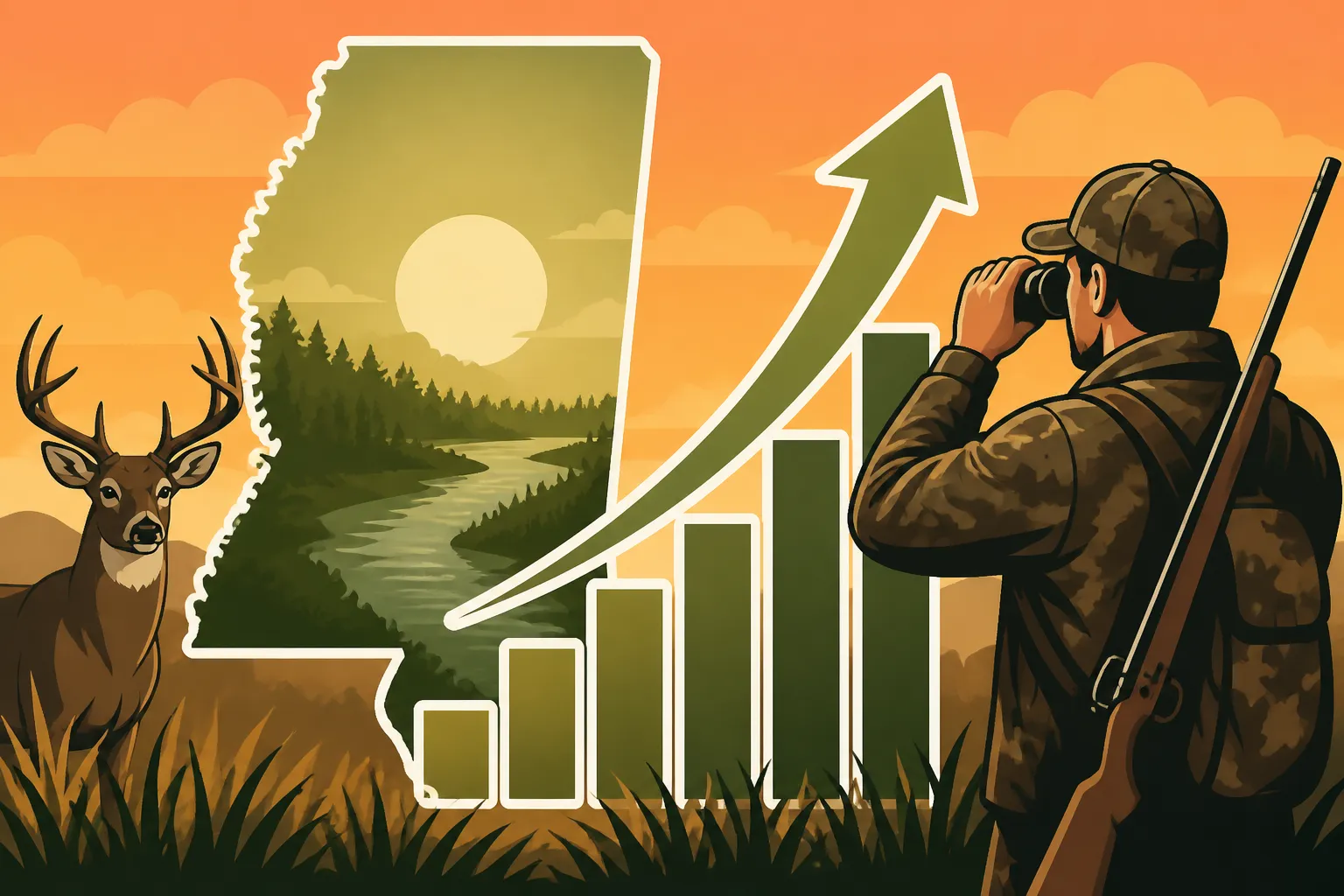
Since 2018, the number of confirmed CWD cases in Mississippi has steadily climbed. While the exact figures can change with ongoing surveillance and testing, the trend has shown a consistent increase. As of early 2024, the cumulative number of positive CWD detections in Mississippi has surpassed the 290 mark, with these cases identified across 24 counties. This isn't a single concentrated outbreak; it's a persistent spread that requires continuous monitoring. For hunters, knowing How Many Deer Have Tested CWD-Positive Since 2018 helps put the scale of the challenge into perspective. The MDWFP provides regular updates on their website, which is a critical resource for staying current.
Let's take a look at the cumulative cases by the primary CWD Management Zones as defined by MDWFP for regulatory purposes. It’s important to remember that detections have occurred in counties outside these core management zones, leading to adjustments and expansions over time.
| CWD Management Zone | Counties Initially Enforced (for reference) | Cumulative Cases (Approx. as of Early 2024) | Counties with Detections within/adjacent to Zone |
|---|---|---|---|
| North CWD Zone | Benton, Marshall, Lafayette, et al. | ~270-280 | 20+ counties |
| Warren-Claiborne CWD Zone | Warren, Claiborne | ~10-15 | Warren, Claiborne, Jefferson |
| Hancock County CWD Zone | Hancock | 1 | Hancock |
| TOTAL | (Varied) | ~290+ | 24 unique counties |
Note: Case numbers are approximate and based on publicly available data up to early 2024. MDWFP updates these figures regularly, so always check their official channels for the most current information.
Geographical Progression of the Disease
Initially, CWD was largely concentrated in the North Zone. Areas like Benton, Marshall, and Lafayette counties quickly became key focus points for surveillance. This region has continued to see the highest prevalence of the disease, making understanding Why North Mississippi Drives the CWD Count crucial. However, CWD has since been detected in other parts of the state. The establishment of the Warren-Claiborne CWD Zone, and later the Hancock County CWD Zone, signaled new, geographically distinct detections. This spread, while still localized in specific counties, demonstrates the challenge of containing prions and highlights the need for continued vigilance across the entire state. Every new detection sparks renewed efforts in that specific area to increase sampling and inform local hunters.
Key CWD Zones and Their Impact
Mississippi's deer hunting landscape is diverse, and so is the presence and management of CWD. The MDWFP has established specific CWD Management Zones to address the disease where it's found, each with its own set of rules and implications for hunters. Understanding these zones is paramount, especially if you plan to hunt in or near them.
The North CWD Zone
This is where the majority of Mississippi's CWD cases have been found, making it the most intensely managed area. The North CWD Zone encompasses a significant portion of northern Mississippi, including counties like Benton, Marshall, Lafayette, and several others. For those hunting in this area, you'll encounter specific regulations designed to slow the spread of the disease. This often includes mandatory CWD testing requirements during certain periods, especially for harvested deer, and restrictions on the movement of deer carcasses out of the zone. You'll want to be familiar with Mississippi's North Zone CWD Counties before planning a hunt, and always verify the latest rules with the MDWFP. These measures, while sometimes inconvenient, are vital for protecting the wider deer population.
The Warren-Claiborne CWD Zone
Further south, the detection of CWD in Warren and Claiborne counties led to the establishment of another key management zone. While the case count here is significantly lower than in the North Zone, its presence triggered the same rigorous management protocols. Hunters in this region also face specific rules regarding carcass transport and potentially mandatory testing periods. The goal, similar to the North Zone, is to minimize the risk of spreading CWD to new areas. These regulations are in place to try and contain the disease to specific geographical pockets, preventing it from becoming widespread across the entire state. It means that a hunter in Vicksburg needs to be just as aware of specific CWD protocols as someone hunting near Holly Springs.
The Hancock County CWD Zone
The most recent addition to Mississippi's CWD management landscape is the Hancock County CWD Zone, established after a single positive detection in 2023. This discovery was particularly concerning as it represented a new, geographically isolated occurrence of CWD in the southern part of the state, near the Gulf Coast. While it's currently a single case, it immediately puts Hancock County and its adjacent areas under increased scrutiny. Regulations in this zone are similar to the others, focusing on surveillance, carcass movement, and hunter cooperation. It serves as a stark reminder that CWD can pop up anywhere, requiring hunters across the state to remain vigilant and informed about any new developments.
The Ongoing Monitoring and Case Management
The fight against CWD is a long-term commitment. MDWFP, along with partners and the hunting community, is constantly engaged in monitoring, managing, and adapting strategies to deal with the disease. This isn't a one-and-done situation; it's an ongoing effort that evolves as we learn more about CWD and its presence in Mississippi.
Mandatory Testing and Surveillance Efforts
In CWD management zones, mandatory CWD testing is often implemented, particularly during the early firearms seasons when harvest numbers are highest. This allows MDWFP wildlife biologists to gather samples from a large number of deer, providing critical data on disease prevalence and distribution. Hunters who harvest deer in these zones are typically required to bring their animals to designated CWD sampling locations. It might feel like an extra step, but it's essential work. Knowing Mississippi CWD Testing for Hunters is crucial for compliance. Beyond mandatory periods, voluntary testing is always encouraged. The more samples collected, the clearer the picture we get of CWD's presence and spread. Wildlife agencies also conduct targeted surveillance efforts, focusing on areas with previous positives or high deer densities, working to identify new cases as quickly as possible.
Carcass Movement Rules and Disposal
One of the most impactful regulations for hunters concerns the movement of deer carcasses. To prevent the spread of prions, strict rules are in place regarding what parts of a deer can be transported out of a CWD management zone. Generally, only deboned meat, clean antlers, hides, and taxidermy-ready skulls (with brain matter removed) are allowed to leave the zone. This means you can't just throw an entire deer, bone-in, in the back of your truck and drive it across the state if you harvested it in a CWD zone. These regulations, detailed in Mississippi Carcass Movement Restrictions, are designed to prevent hunters from inadvertently spreading contaminated material to new, unaffected areas. Proper disposal of carcass waste, such as at approved landfills, is also emphasized to prevent environmental contamination. It's a small inconvenience that makes a big difference in protecting our deer herd statewide.
Research, Management, and Public Participation
MDWFP isn't just reacting to CWD; they're actively engaged in research and developing management strategies based on the latest science. This includes studying disease prevalence, understanding transmission dynamics, and evaluating the effectiveness of various management actions. Public participation is absolutely vital in this fight. Hunters are the frontline defense. Reporting sick deer, complying with testing requirements, and adhering to carcass movement rules are all ways we contribute. Furthermore, reducing artificial congregation of deer, like through supplemental feeding, can help slow the spread of CWD by minimizing direct contact between animals and environmental contamination. Utilizing digital tools and platforms like GoHunt can help hunters stay informed about current regulations and CWD-related news, ensuring they are always up-to-date on what's expected in the field.
What These Numbers Mean for Hunters
The cumulative CWD case count, while concerning, shouldn't deter us from hunting. Instead, it should empower us with knowledge and encourage responsible practices. These numbers provide a snapshot of the challenge, but they also highlight the importance of our role in managing it.
Ethical Hunting Practices in CWD Areas
Hunting in CWD-affected areas carries an added layer of responsibility. Ethical practices now extend beyond fair chase to include disease management. This means being even more diligent about shot placement to minimize tracking, especially for potentially infected animals. If you suspect a deer is sick, it's advisable to report it to MDWFP, rather than harvest it if it's exhibiting signs of wasting. Understanding the rules for Handling Venison From a CWD Management Zone is also crucial, ensuring proper processing and consumption of your harvest. It's about being a good steward of the resource, making choices that benefit the entire deer herd, not just your personal success.
Impact on Deer Herd Management and Future Outlook
The presence of CWD fundamentally changes how MDWFP manages Mississippi's deer herd. Decisions about bag limits, season lengths, and antler restrictions may increasingly factor in CWD prevalence. For example, some areas might see increased antlerless harvest recommendations to help reduce overall deer density and, in theory, lower disease transmission rates. The MDWFP is actively monitoring trends in Mississippi CWD Prevalence in the North Zone and other affected areas to inform these decisions. The long-term outlook for hunting in Mississippi depends heavily on our collective ability to adapt to CWD. While it presents a significant challenge, it also pushes us to be more informed, more involved, and ultimately, more responsible hunters.
Utilizing Resources and Staying Informed
Navigating CWD regulations can feel like a maze sometimes. That's why utilizing available resources is so important. The MDWFP website is the official source for all regulations, CWD maps, and updates. They also provide information on Finding a Mississippi CWD Sampling Location and lists of Which Taxidermists Take CWD Samples in CWD management zones. Don't hesitate to call your local MDWFP office if you have questions. Additionally, leveraging hunting apps and online platforms, such as GoHunt, can provide accessible map layers for CWD zones and help you quickly look up regulations while in the field. Staying proactive in your learning is the best defense against confusion and ensures you're always hunting legally and responsibly.
Resources for Mississippi Hunters
Staying on top of CWD information is an ongoing process, but it doesn't have to be overwhelming. There are plenty of resources available to help you navigate the regulations and understand the current situation. Your proactive engagement is key to protecting Mississippi's deer herd.
MDWFP Official Channels
The Mississippi Department of Wildlife, Fisheries, and Parks (MDWFP) is your primary and most reliable source for all things CWD in Mississippi. Their website features a dedicated CWD page that is regularly updated with the latest case counts, detailed maps of management zones, and comprehensive explanations of regulations. You can find information on everything from Mississippi Deer Reporting Requirements to guidelines on carcass disposal. They also issue press releases and public service announcements when there are significant updates or new detections. Make it a habit to check their site before each hunting season, especially if you plan to hunt in a known CWD management zone.
Hunter Education and Awareness Programs
MDWFP also offers various hunter education and awareness programs that touch on CWD. These programs are designed to educate hunters on the disease, its implications, and best practices for minimizing its spread. Attending a local seminar or reviewing online materials can be incredibly beneficial, even for seasoned hunters. Understanding the "why" behind the regulations makes it easier to comply and fosters a sense of collective responsibility. Keep an eye out for local meetings or virtual workshops that MDWFP might host, as these are excellent opportunities to ask questions directly to wildlife biologists and enforcement officers.
Engaging with the Hunting Community
Don't underestimate the power of your fellow hunters. Local hunting clubs, online forums, and even your deer camp buddies can be valuable sources of information and shared experiences. Just be sure to always verify any information with official MDWFP sources. Engaging with the community also means reporting anything unusual you observe in the field, like deer exhibiting CWD symptoms. When we work together, staying informed and sharing knowledge, we strengthen our collective ability to manage CWD. This collaborative spirit is essential, not just for CWD, but for all aspects of conservation, including efforts like Scouting Mississippi Public Land Before Season.
Disclaimer
The information provided in this article is for general informational purposes only and is not intended as legal or professional advice. Hunting regulations and CWD management protocols are subject to change. Always consult the official Mississippi Department of Wildlife, Fisheries, and Parks (MDWFP) website and relevant state laws for the most accurate and up-to-date information before engaging in any hunting activities. Adherence to all local, state, and federal regulations is the responsibility of the individual hunter.