Coyotes and Predators in Mississippi
It's a familiar scene for many Mississippi hunters and landowners: you're out scouting, checking trail cameras, or maybe even sitting in a stand, and you notice a distinct lack of deer or turkey sign. Or perhaps you've seen the tracks, or even the animals themselves, and it's not the game species you're after. Instead, you're seeing more coyotes, bobcats, or evidence of their presence. This can be incredibly frustrating, especially when you're working hard to manage your property for game, or simply trying to enjoy a successful hunt. This guide is dedicated to shedding light on the various predators that call Mississippi home, their impact on our cherished game species, and the strategies hunters and landowners can employ to manage their populations effectively.
Understanding Mississippi's Predator Landscape
Mississippi is a state rich in diverse habitats, from the sprawling Delta bottomlands to the rolling Hills and the dense Piney Woods. This variety supports a wide array of wildlife, including numerous predator species. When we talk about predators in a hunting context, we're usually focusing on those that directly impact popular game animals like deer and turkey. However, the ecosystem is a complex web, and understanding all the players helps us grasp the bigger picture of wildlife management in our state.
The Spectrum of Mississippi's Carnivores
Mississippi's predator lineup isn't just about coyotes, though they often get the most attention. We also have native species like bobcats and various foxes, each playing a unique role in the food web. While black bears are present in certain parts of the state, they are strictly protected and generally not considered game predators, though their omnivorous diet can sometimes include fawns or other small animals opportunistically. Then there are the feral hogs, which, while not true carnivores, are incredibly destructive and do predate on fawns and turkey nests, making them a significant concern for game managers.
The presence of these animals is natural, a part of the ecosystem balance that has evolved over millennia. However, changes in habitat, human encroachment, and the adaptability of certain species can sometimes lead to imbalances. For instance, the expansion of agriculture or suburban areas can alter prey availability and cover, influencing predator populations. Hunters often feel this shift most acutely when their usual hunting grounds seem quieter or their game cameras reveal more unwelcome visitors than usual. It's not just about one animal; it's about how they all interact within the landscape.
Historical Context of Predator Populations
Mississippi's predator populations have seen dramatic shifts over the centuries. Before European settlement, large predators like red wolves and cougars were common, keeping deer and other prey populations in check. As settlement progressed, these larger predators were largely extirpated due to hunting pressure and habitat loss, creating a void in the ecosystem. It's important to remember that the Mississippi landscape we see today, and the wildlife within it, is not static; it's constantly changing, often in response to human activities.
The decline of large predators inadvertently opened the door for smaller, more adaptable carnivores to thrive. Coyotes, for example, were not historically native to Mississippi but expanded their range from the west, filling the ecological niche left vacant by wolves. This historical context is crucial because it helps explain why we see the predator populations we do today and why certain species have become so dominant. Understanding these historical shifts helps us appreciate the complexities of current predator management challenges and how different species have come to occupy their present roles in Mississippi's diverse ecosystems.
The Rise of the Coyote in Mississippi
Ask almost any deer or turkey hunter in Mississippi what their biggest concern is when it comes to predators, and you'll likely hear "coyotes." These incredibly adaptable canids have become ubiquitous across the state, and their presence undeniably impacts game populations, sparking debates and frustrations among the hunting community.
Coyote Expansion and Adaptability
Coyotes, unlike many native species, are relative newcomers to Mississippi. They slowly but surely expanded their range from the western plains, establishing a foothold in the state around the mid-20th century. What makes them so successful, and sometimes so frustrating for hunters, is their incredible adaptability. They can thrive in almost any environment: dense bottomland hardwoods, vast agricultural fields, rolling pine forests, and even the fringes of suburban areas. This means that whether you're hunting deer in the Delta or chasing gobblers in the Hills, you're likely sharing the woods with coyotes.
Their adaptability extends to their diet as well. While they are highly efficient predators of deer fawns and turkey poults, they are also opportunistic scavengers and will readily consume rodents, rabbits, insects, fruits, and even household scraps if available. This diverse diet allows them to survive and reproduce even when primary game populations are low. This resilience is a double-edged sword: it speaks to their incredible biological success, but it also means they are extremely difficult to control through hunting or trapping alone, as they can quickly rebound even after significant reductions in local numbers. Hunters using mapping tools like GoHunt often mark coyote sightings to get a better understanding of their travel patterns in their hunting areas.
Breeding Cycles and Population Dynamics
Coyotes are prolific breeders, a key factor in their rapid colonization of new territories and their ability to maintain high population densities. Typically, coyotes mate in late winter, usually January through March, and pups are born in spring, usually April or May, after a gestation period of about 60-63 days. A litter can consist of anywhere from 1 to 12 pups, though 5 or 6 is a common average. This high reproductive rate means that even if a significant number of adults are removed, new animals can quickly replace them.
Furthermore, coyote social structures, usually involving a breeding pair and their offspring, can become more complex in areas with abundant resources, sometimes forming larger packs. While the "super pack" myth is largely dispelled, increased numbers of coyotes in an area can lead to more efficient hunting of prey. When resources are plentiful, survival rates for pups are higher, leading to a robust, self-sustaining population that can exert continuous pressure on deer and turkey recruitment. Understanding these population dynamics is vital for anyone hoping to make a dent in local coyote numbers, highlighting the need for consistent, long-term management efforts rather than sporadic hunting.
Impact on Game Species
The core concern for many Mississippi hunters when it comes to predators is their direct and indirect impact on deer, turkey, and other small game populations. While predators are a natural part of any healthy ecosystem, their unchecked growth or concentrated presence can certainly put a damper on hunting success and population health.
Deer Fawn Predation
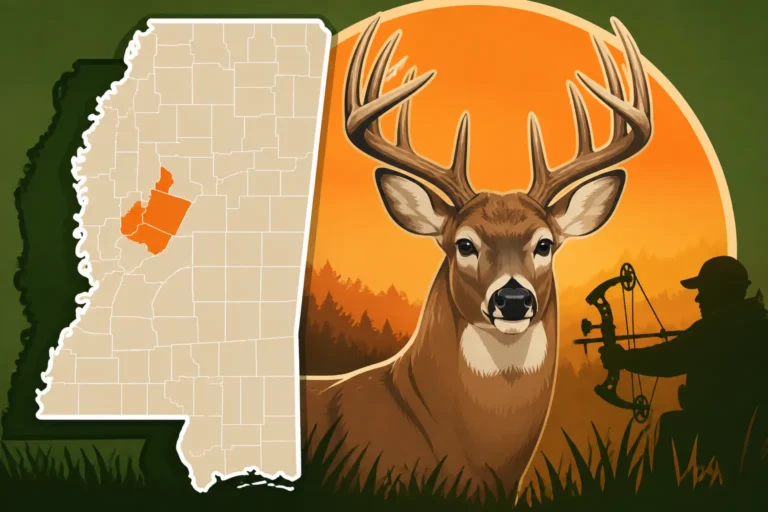
The impact of coyotes on deer fawn survival is one of the most heavily studied and hotly debated topics in deer management, and for good reason. Numerous studies, including those conducted in the Southeast, have consistently shown that coyotes are a significant source of fawn mortality, particularly during the first few weeks of a fawn's life. In many areas, fawn predation by coyotes can account for 50-70% of total fawn deaths, sometimes even higher.
Imagine this scenario: a healthy doe drops two fawns in late spring. For the first few days, they lie perfectly still, relying on their camouflage and lack of scent to evade detection. However, a keen-nosed coyote, perhaps a hungry female with pups in a den nearby, might stumble upon them. Once a fawn is discovered, its chances of survival are slim. This isn't just a hypothetical; it plays out daily across Mississippi's deer woods. If fawn recruitment – the number of fawns that survive to breeding age – is consistently low due to predation, it can lead to an aging deer herd, fewer deer overall, and ultimately, fewer opportunities for hunters. This is especially true in areas where other factors like habitat quality or disease might also be stressing the herd. Monitoring your trail cameras for fawns in summer can give you an early indication of recruitment success or struggles.
Turkey Poult Predation
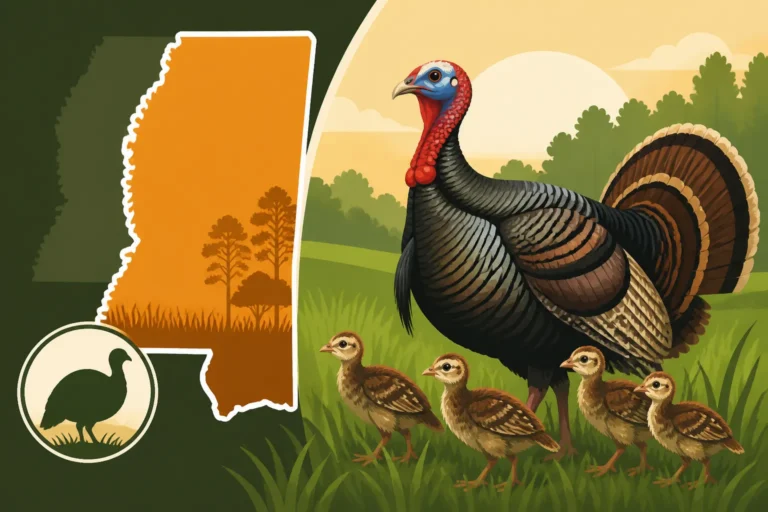
While deer fawns are a primary target, turkey poults are equally vulnerable, if not more so, to a variety of predators, with coyotes certainly being a major player. Spring turkey season is a highlight for many, but if you've noticed fewer jakes and hens the following fall, poult predation could be a significant factor. Turkey nests are vulnerable to raccoons, opossums, and snakes, but once poults hatch, they become easy targets for coyotes, bobcats, and even feral hogs.
Young turkey poults, much like fawns, are small, slow-moving, and vulnerable to ambush. A hen turkey works tirelessly to protect her brood, but her efforts are often not enough against a determined coyote or bobcat. Predators frequently patrol areas where turkeys nest and brood, like field edges, creek bottoms, and pine thickets. When you're out Spring Turkey Hunting in Mississippi, observing the poult-to-hen ratios can offer a real-time assessment of how well the birds are doing in your specific area. A consistently low ratio signals that predation or other environmental factors are hindering turkey recruitment, making future hunts more challenging as fewer birds reach maturity.
Impact on Small Game and Other Wildlife
Beyond deer and turkey, coyotes and other predators exert pressure on a wide range of small game and other wildlife. Rabbits, squirrels, quail, and various ground-nesting birds are all part of the coyote's varied diet. While the impact on individual small game populations might not always be as dramatic or as widely discussed as deer and turkey, it's certainly there.
For example, a high coyote population in an area can make it tougher to find rabbits when you're Rabbit and Upland Hunting in Mississippi. They are also a known predator of domestic livestock and pets, causing significant economic losses for farmers and heartache for pet owners. In farm country, coyotes are often seen as a direct threat to calves, goats, and chickens. This broader impact on both game and non-game species, as well as domestic animals, paints a more complete picture of the challenges presented by thriving predator populations. It’s not just about one species; it’s about the intricate balance of the entire local ecosystem.
Predator Hunting Strategies and Regulations
For many hunters, understanding predator impact naturally leads to the question: what can we do about it? Predator hunting offers a challenging and often rewarding pursuit, and it can be a critical component of game management, especially on private lands. However, it's essential to know the rules and employ effective, ethical strategies.
Legalities and Season Information
In Mississippi, coyotes are classified as nuisance animals, meaning they can be hunted year-round on private land during daylight hours with no bag limit. This flexibility gives landowners and hunters significant opportunities for control. On public lands, rules can vary depending on the specific WMA or National Forest, so it's absolutely crucial to check the regulations for the particular area you plan to hunt. Some public lands might have specific seasons, weapons restrictions, or prohibit night hunting.
For other predators like bobcats and foxes, there are established trapping and hunting seasons, usually falling within the broader furbearer seasons. Unlike coyotes, these species are often regulated more closely. Mississippi Feral Hog Regulations are another thing to know, as hogs are also an important target for predator/nuisance control. Always consult the current Mississippi Department of Wildlife, Fisheries, and Parks (MDWFP) hunting guide or their website for the most up-to-date and specific regulations before heading afield. Ignoring these rules can lead to fines, loss of hunting privileges, and damage to the public image of hunters.
Effective Coyote Calling Techniques
Coyote calling is arguably the most popular and often most effective method for hunting coyotes. It relies on mimicking prey in distress or other coyote vocalizations to lure them into shooting range. There are several categories of calls:
- Distress Calls: These are probably the most common. Electronic calls (e-callers) or mouth calls that mimic rabbits, fawns, birds, or rodents in distress are highly effective. Coyotes are opportunistic, and the sound of an easy meal can bring them in quickly. When setting up, consider wind direction, cover, and clear shooting lanes. You want the coyote to approach from a direction that gives you a shot before it detects your presence. Many successful predator hunters recommend starting with soft, subtle calls and gradually increasing volume and intensity.
- Coyote Vocalizations: Howls, barks, and pup distress calls can also be very effective, especially during specific times of the year, like breeding season or when coyotes are establishing territory. A challenge howl can often provoke a territorial response, bringing in dominant coyotes looking to defend their turf. These calls require a bit more understanding of coyote behavior to use effectively, but they can be incredibly rewarding.
- Stand Placement: No matter what call you're using, stand placement is paramount. Always hunt into the wind to prevent coyotes from smelling you. Choose a spot with good visibility and cover for yourself, and anticipate the most likely approach routes for the coyote. This might be a ridge line, a treeline, or a subtle funnel in the terrain. For more general scouting tips that apply to predator hunting too, check out Scouting Mississippi Public Land Before Season.
Predator calling can be an adrenaline-pumping experience. It requires patience, keen observation skills, and a good understanding of the animals you're pursuing. Practice with your calls, pay attention to the wind, and be ready when a coyote commits to your setup.
Trapping and Other Control Methods
While hunting is an active pursuit, trapping offers a more passive, yet highly effective, method for managing predator populations, especially on private land. Trapping requires specific skills, knowledge of regulations, and usually a dedicated trapping license.
- Types of Traps: Foothold traps (e.g., dog-proof traps for raccoons, or larger leghold traps for coyotes and bobcats) and snare traps are common. Each type has its specific use, legal restrictions, and effectiveness for different target species. For coyotes, foothold traps set along travel corridors, near scat piles, or at den sites can be very effective.
- Lure and Bait: Trappers use a variety of lures, urines, and baits to attract coyotes to their sets. Scent is incredibly important in trapping, and a good understanding of what attracts coyotes is critical for success. This requires careful consideration of weather, temperature, and local food sources.
- Night Hunting: In some areas of Mississippi, night hunting for coyotes is allowed on private land, often with the aid of artificial lights or thermal imaging equipment. This can be extremely effective, particularly in open agricultural areas where coyotes are actively hunting rodents or deer at night. It's crucial to understand the specific rules for Night Hunting Hogs With Lights on Private Land as some of these rules might have crossover considerations for night hunting coyotes, though specific regulations for coyotes should always be verified. Night hunting offers a unique challenge and can significantly reduce local coyote numbers.
For landowners experiencing significant predation issues, these intensive control methods can be invaluable. They demand a deeper commitment and understanding but can yield substantial results in protecting game animals and livestock.
Other Key Predators in Mississippi
While coyotes often dominate the conversation, Mississippi is home to a range of other predators, each contributing to the complex dynamics of the ecosystem. Understanding these species, their habits, and their impact is vital for comprehensive wildlife management.
Bobcats and Foxes
Bobcats are native to Mississippi and are incredibly elusive, beautiful, and efficient hunters. They typically prey on rabbits, rodents, and birds, but will also opportunistically take fawns or turkey poults. Unlike coyotes, bobcats are solitary and highly territorial, making their populations generally less dense and their overall impact on widespread game populations less pronounced than coyotes. You might see them on your trail cameras, often at night, moving silently through cover. Their presence is a sign of a healthy, diverse ecosystem, and they are a cherished furbearer for trappers during designated seasons.
Mississippi is also home to both grey foxes and red foxes. Grey foxes are more common statewide, particularly in timbered areas, and are excellent climbers. Red foxes are typically found in more open, agricultural landscapes, though their populations are generally lower. Both fox species primarily hunt small mammals like mice, voles, and rabbits, along with insects and fruits. They can, however, prey on ground-nesting birds, including turkey poults, and young fawns, particularly if other prey is scarce. Their impact, similar to bobcats, is usually localized and less pervasive than that of coyotes. However, their presence adds another layer to the predator challenge, especially for those trying to boost quail or turkey numbers.
Feral Hogs as Opportunistic Predators
Feral hogs are perhaps one of the most destructive invasive species in Mississippi, and while they aren't true carnivores, their role as opportunistic predators cannot be overstated. These animals are omnivores with a voracious appetite and will eat almost anything. Their diet includes roots, tubers, crops, insects, and unfortunately, game.
They are known to actively root up and consume turkey nests, destroying entire clutches of eggs. Even more alarming, they are documented predators of deer fawns. A group of feral hogs moving through a bedding area can easily discover and consume vulnerable fawns. Their explosive reproductive rate and destructive foraging habits make them a triple threat: they destroy habitat, compete with native wildlife for food, and actively predate on game species. Managing feral hog populations is a year-round, intensive effort for many landowners and wildlife agencies across the state, and controlling them is a major factor in improving game animal recruitment. For more on this nuisance animal, you might be interested in Feral Hogs Across Mississippi.
Black Bears in Mississippi
Mississippi's black bear population is making a slow but steady recovery, primarily in the Delta region and the southern swamps. These magnificent animals are mostly omnivores, relying heavily on fruits, berries, nuts, insects, and carrion. While they are powerful animals and can, on rare occasions, prey on fawns or other small animals, they are generally not considered a significant predator of game species from a management perspective.
Black bears are strictly protected in Mississippi, and there is no legal hunting season for them. Any encounter should be treated with respect and caution. Their presence is a testament to successful conservation efforts and a sign of healthy wilderness areas. For more details on the state's bear population, you can read about Mississippi's Recovering Black Bear Population. It's crucial for hunters to be able to identify bears and understand that they are not targets, even if seen during a hunt for other game.
Coexisting and Managing Predator Populations
The goal of predator management isn't necessarily eradication, which is often impossible and undesirable, but rather balancing populations to maintain healthy ecosystems and support sustainable game hunting opportunities. Coexisting with predators means understanding their role while actively mitigating their negative impacts where necessary.
Habitat Management and Predator Control
Effective predator management often starts with habitat. Healthy, diverse habitat provides ample food and cover for prey species, allowing them to better evade predators and successfully reproduce. This includes managing timber for mast production, establishing diverse native forbs and grasses, and creating thick escape cover for fawns and poults. For example, leaving dense thickets or brush piles can provide critical hiding spots for newborn fawns.
However, certain habitat modifications can also inadvertently benefit predators. For instance, creating long, open linear features like logging roads or powerline cuts can sometimes become highways for coyotes. Understanding these dynamics and managing habitat with predator presence in mind is a nuanced process. This might mean strategically placed clear-cuts to create bedding areas for deer, but ensuring those areas also have enough interspersion of thick cover to protect fawns. It's about creating a landscape where prey can thrive despite predators, not just in their absence.
Integrated Predator Management Strategies
An integrated approach to predator management combines various techniques over time to achieve sustainable results. This is rarely a "one and done" solution but rather an ongoing commitment.
- Year-Round Effort: Sporadic predator hunting might offer some short-term relief, but a consistent, year-round effort is often needed to truly impact local populations. This could involve calling and hunting coyotes during deer season, followed by trapping efforts in the late winter or early spring before fawning and nesting season.
- Combine Methods: Don't rely on just one method. Combining hunting, trapping, and targeted night hunting (where legal) can be far more effective than any single strategy. For instance, you might use an e-caller to bring coyotes into range during the day, then set traps in areas where they are consistently observed but not responding to calls.
- Community Involvement: On larger tracts or across multiple properties, a coordinated effort among neighbors can yield much better results than isolated efforts. Coyotes, especially, have large home ranges, and your efforts on one property can be quickly undone if surrounding areas are left unmanaged. Joining or forming a local hunting club can facilitate this kind of community effort, with members sharing information and coordinating their predator control activities.
A truly integrated approach is proactive, adaptive, and recognizes that predator management is an ongoing component of overall wildlife management. You can get a sense of local deer populations through resources like Mississippi Deer Population Estimate and compare it against your perceived predator pressure.
The Role of Technology and Data
In today's hunting world, technology plays an increasingly important role in predator management. Trail cameras are invaluable tools for monitoring predator presence, identifying travel patterns, and even estimating local populations. Many hunters use mapping software, often found in apps like GoHunt, to mark predator sightings, den locations, and areas of high activity. This data-driven approach allows for more strategic deployment of traps or stands.
Furthermore, advancements in thermal imaging and night vision optics have revolutionized night hunting for coyotes, allowing for more precise and ethical take-downs in low-light conditions. While these technologies represent an investment, they can significantly increase the effectiveness of predator control efforts. By utilizing these tools, hunters and landowners can gain a clearer understanding of their local predator populations and make more informed decisions about management strategies, moving beyond guesswork to data-backed actions.
| Predator Species | Primary Prey | Habitat Preference | Hunting/Trapping Status | Key Impact |
|---|---|---|---|---|
| Coyote | Fawns, Poults, Rabbits, Rodents | Highly adaptable (all habitats) | Year-round, no limit (private land) | High fawn/poult mortality |
| Bobcat | Rabbits, Rodents, Birds | Dense timber, swamps | Regulated season | Localized fawn/poult predation |
| Grey Fox | Rodents, Rabbits, Birds | Timbered areas | Regulated season | Localized poult/small game predation |
| Red Fox | Rodents, Rabbits, Birds | Open, agricultural | Regulated season | Localized poult/small game predation |
| Feral Hog | Roots, Crops, Nests, Fawns | Diverse, often near water | Year-round, no limit (private land) | Nest/fawn predation, habitat destruction |
| Black Bear | Fruits, Nuts, Insects, Carrion | Delta bottomlands, southern swamps | Strictly protected (no hunting) | Minimal game predation |
The Future of Predator Management in Mississippi
The conversation around predators in Mississippi is ongoing and dynamic. As ecosystems change and scientific understanding evolves, so too do management strategies and public perceptions. The MDWFP plays a crucial role in monitoring these populations and guiding policies that balance wildlife health with hunter and landowner interests.
MDWFP Efforts and Research
The Mississippi Department of Wildlife, Fisheries, and Parks actively monitors game populations, including deer and turkey, and considers predator impacts in their management plans. They conduct various studies, sometimes in collaboration with universities, to assess fawn and poult survival rates and identify primary causes of mortality. This research is vital for making informed decisions about season lengths, bag limits, and whether specific predator control recommendations are warranted.
For instance, understanding Mississippi Deer Herd Size and population trends helps the MDWFP determine if predation is a limiting factor in a particular unit. They also provide educational resources for landowners and hunters, offering guidance on effective, legal predator control methods. While the MDWFP recognizes the ecological role of predators, they also acknowledge the legitimate concerns of hunters and agricultural producers regarding their impact on game and livestock. Their goal is to manage for healthy, sustainable populations of all wildlife, which sometimes means addressing imbalances.
Balancing Ecosystem Health with Hunter Interests
This is where the real challenge lies: how do we balance the natural role of predators in an ecosystem with the desire for abundant game animals and the protection of private property? Predators are not inherently "bad"; they perform a vital function by culling weak or diseased animals, thereby contributing to the overall health of prey populations. They are a natural part of what makes the wild, wild.
However, in environments heavily altered by human activity, or where historical predator populations have been drastically changed, this balance can become skewed. The key is finding a middle ground. For many hunters, effective predator management isn't about eliminating coyotes, but about keeping their numbers at a level where deer and turkey populations can thrive, allowing for sustainable hunting opportunities year after year. This means advocating for responsible hunting and trapping, educating others, and engaging in proactive management practices.
Community and Education
Ultimately, the future of predator management in Mississippi will depend heavily on education and community involvement. Hunters and landowners who understand predator ecology, use ethical and effective control methods, and communicate with their neighbors are the ones who will make the biggest difference.
Participating in local conservation groups, attending MDWFP workshops, and sharing knowledge within the hunting community can foster a more informed and effective approach. As hunters, we are often the first line of defense and observation in the field. Our experiences and data, when shared responsibly, contribute to the larger picture of wildlife management. By working together, hunters, landowners, and wildlife agencies can ensure that Mississippi remains a state rich in diverse wildlife, offering challenging and rewarding outdoor experiences for generations to come.
Disclaimer
The information provided in this guide is for general informational purposes only and does not constitute legal advice. Hunting and trapping regulations are subject to change. Always consult the latest official regulations from the Mississippi Department of Wildlife, Fisheries, and Parks (MDWFP) before engaging in any hunting or trapping activities. Adherence to all local, state, and federal laws is the responsibility of the individual hunter or trapper.