Why Mississippi Hogs Have No Natural Predator Check
If you've spent any time at all hunting, farming, or even just driving through rural Mississippi, you've seen the signs of feral hogs. They are everywhere, tearing up fields, rooting through timber, and generally making a mess of things. It's a frustrating reality for landowners and sportsmen alike: these animals are an ecological nightmare, and they just seem to keep multiplying, utterly unchecked by anything nature throws at them. This guide is going to dig deep into why Mississippi's feral hog problem is so pervasive, specifically examining the lack of natural predator checks, and what that means for our ecosystem and our hunting efforts.
The Unstoppable Spread of Feral Hogs in Mississippi
Mississippi's feral hog problem isn't just a nuisance; it's a full-blown crisis in many areas, particularly in the fertile Delta region. These aren't your typical wild animals that fit neatly into an ecosystem. They're a destructive force, and their populations continue to explode because the natural checks and balances that might control other species simply don't apply to them here.
How Hogs Became So Widespread
It’s easy to point fingers, but the truth is, feral hogs are a complex issue with roots stretching back centuries. European settlers introduced domestic pigs, and over time, many escaped and established wild populations. These weren't necessarily wild boars, but they quickly adapted to the Mississippi wilderness. Compounding this, some individuals intentionally released hogs for hunting purposes in certain areas, unknowingly contributing to a problem that would spiral out of control. Now, virtually every county in Mississippi has a confirmed presence of feral hogs, making the situation statewide.
These aren't just isolated pockets either; they're interconnected populations that move freely across landscapes. Whether it's the bottomland hardwoods of the Delta or the pine forests of the Southeast Unit, these hogs find a way to thrive. The sheer number of Feral Hogs Across Mississippi makes it clear this isn't a problem that will solve itself.
Unmatched Reproductive Capacity
One of the most significant reasons feral hogs have no natural predator check in Mississippi is their incredible ability to reproduce. It's truly astounding. Sows can start breeding as early as six months old, and they typically produce two litters a year. Each litter can range from four to twelve piglets, sometimes even more. Do the math on that, and you'll quickly see how a small group can become a destructive sounder in a very short amount of time.
This rapid turnover means that even if a few hogs are removed, the population quickly rebounds. There's almost no reprieve. The mothers are fiercely protective, making it difficult for most native predators to take down piglets, let alone adult hogs. This constant reproductive cycle is a primary driver behind why Mississippi hogs reproduce so fast and why their numbers seem endless.
Adaptability and Intelligence
Feral hogs are, for lack of a better term, incredibly smart and adaptable survivors. They aren't picky eaters; they'll root for tubers and grubs, raid agricultural fields, feast on acorns, or even scavenge carrion. This diverse diet means they can thrive in almost any habitat Mississippi offers, from swamps and river bottoms to pine plantations and agricultural lands. They're masters of concealment, using dense cover to hide during the day and emerging at night to feed.
Their intelligence also plays a role in evading human control efforts. They quickly learn to avoid traps, change their patterns in response to hunting pressure, and become largely nocturnal in areas where they're pursued. This adaptability makes them a formidable opponent, often outsmarting hunters and trappers who are trying to manage their numbers.
Examining Mississippi's Native Predator Landscape
When we talk about natural predator checks, we're usually thinking about a balance where predators keep prey populations in check, preventing overpopulation. For many native species in Mississippi, this balance exists to varying degrees. But for feral hogs, our local predators just don't stack up.
The Role of Coyotes and Bobcats
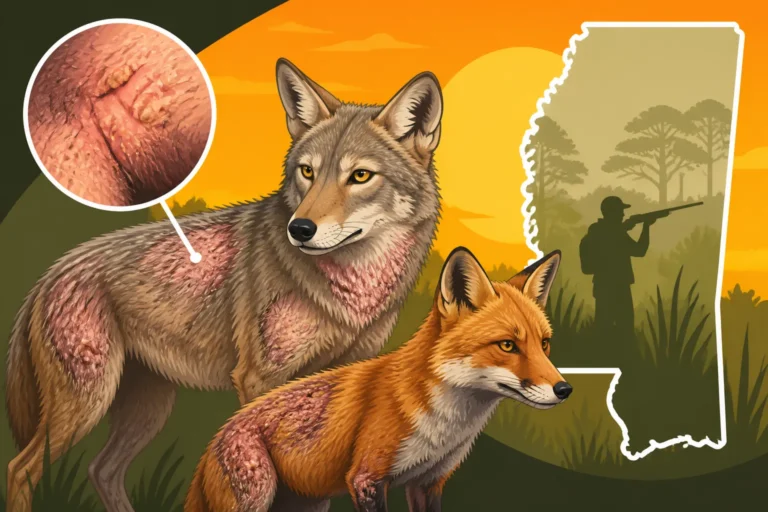
Mississippi is home to a healthy population of coyotes and bobcats, both of which are effective predators of deer fawns, rabbits, and other small game. You'll find coyotes in almost every corner of the state, from the Delta's vast fields to the wooded hills. Bobcats, while a bit more reclusive, are also widespread. These animals do occasionally prey on very young feral hog piglets, especially if a sow leaves them unattended. However, this impact is minimal.
A single adult sow can weigh hundreds of pounds and is incredibly aggressive when defending her young. A coyote or bobcat, even a mature one, is simply no match for an angry hog mother. They might pick off a straggler or a very vulnerable piglet, but they cannot control the population growth. Their primary diet consists of smaller, easier-to-catch prey, not robust, dangerous hog piglets or adult hogs.
Black Bears and Their Limited Impact
Mississippi also has a recovering population of black bears, particularly in the Delta and some southern swampy regions. If you're lucky enough to spot one, it's a truly amazing sight! You can learn more about Mississippi's Recovering Black Bear Population if you're interested in these magnificent animals. While bears are opportunistic omnivores and quite powerful, their impact on feral hog populations is negligible.
Black bears are not typically hunters of large, aggressive prey. They prefer berries, nuts, insects, and occasionally deer fawns if they can catch them. An adult feral hog is simply too dangerous, and a full sounder too numerous, for a black bear to take on consistently. While a bear might stumble upon and eat a very young or sick piglet, they are not a significant predator that can exert any real control over the burgeoning hog numbers.
The Absence of Apex Predators
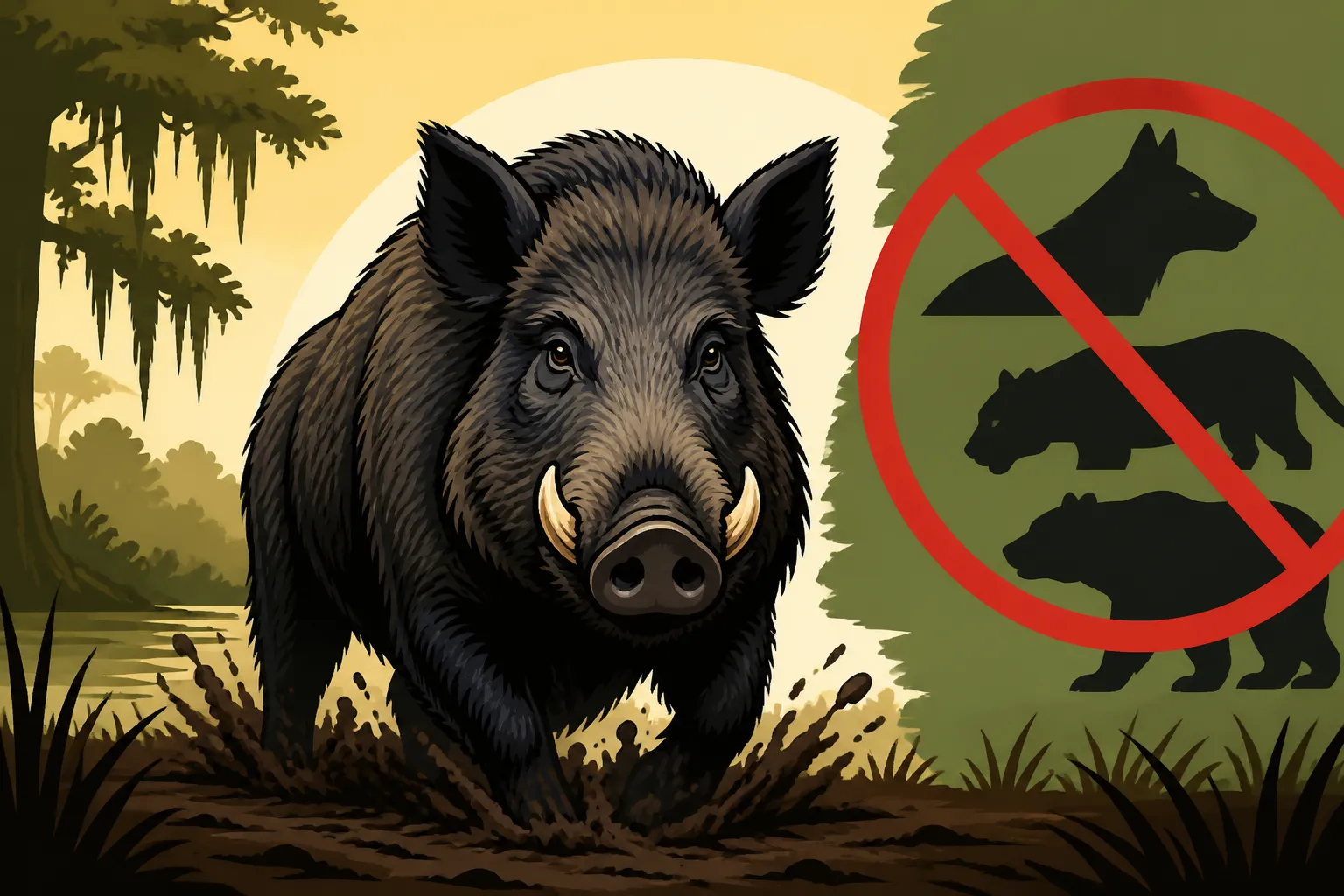
The critical missing piece in Mississippi's ecosystem when it comes to feral hogs is the absence of true apex predators capable of consistently taking down adult hogs. Historically, areas like Mississippi had species like red wolves and even jaguars further south that could have put a dent in large ungulate populations. However, these animals have long been extirpated from the state.
Without a large, pack-hunting carnivore or a massive, powerful solitary hunter, feral hogs face no significant threat from native wildlife once they reach a certain size. There’s nothing on the landscape that consistently hunts them, learns their patterns, and keeps their numbers in check the way wolves might control deer or elk herds in other parts of the country. This void is precisely why the hogs have been able to multiply almost without consequence.
Why Current Predator Populations Fall Short
It’s one thing to say Mississippi lacks apex predators, but it’s another to understand precisely why the existing predator base, like coyotes and bobcats, just can't handle the feral hog explosion. It comes down to a few critical factors that are unique to this destructive invasive species.
Size and Aggression Disparity
Imagine a lone coyote, weighing maybe 30-40 pounds, facing off against an adult feral sow that can easily tip the scales at 200-300 pounds, or even more. The size disparity is immense. Furthermore, sows are incredibly aggressive, especially when they have piglets. They are equipped with sharp tusks, thick hides, and immense power, making them formidable opponents.
Coyotes, bobcats, and even black bears simply aren't built to regularly engage with such dangerous prey. The risk of injury or death to the predator far outweighs the potential reward of a meal, particularly when easier prey is available. This means that as soon as piglets grow beyond a very small, vulnerable size, they are effectively invulnerable to native predators.
Abundance of Alternative Food Sources
Mississippi is a land of plenty when it comes to other food sources for coyotes and bobcats. The deer population is robust, offering an annual bounty of fawns. Rabbits, squirrels, rodents, and a variety of birds are also plentiful. For a predator, expending massive energy and risking serious injury to take down a hog is simply not necessary when there's an easier, safer meal just around the corner.
This abundance of alternative prey removes any evolutionary pressure for our native predators to specifically target hogs. If other food sources were scarce, perhaps they'd adapt, but that's not the case in Mississippi. They can fill their bellies much more safely and efficiently by sticking to what they've always hunted.
Human-Driven Landscape Changes
The very landscape we've created in Mississippi, through agriculture and timber management, inadvertently benefits feral hogs and hinders native predators' ability to control them. Vast agricultural fields, especially corn, soybeans, and rice in the Delta, provide an unending buffet for hogs. They can feed on these crops, which act as massive, readily available calorie bombs, allowing them to grow faster and reproduce more frequently.
Conversely, intensive land use can sometimes fragment habitats or reduce the density of native prey species in certain areas, pushing predators to stick to smaller, less dangerous game. The sheer scale of agricultural damage hogs cause in places like the Delta is staggering, costing farmers millions each year and exacerbating the issue because more food means more hogs. This human alteration of the environment, while providing for us, has unwittingly made the hog problem worse.
The Devastating Ecological and Agricultural Consequences
The lack of natural predator checks isn't just an interesting biological observation; it has profoundly damaging real-world impacts across Mississippi, affecting everything from our natural ecosystems to our agricultural economy. These consequences highlight why human intervention is so critically important.
Habitat Destruction and Native Species Impact
Feral hogs are nature's rototillers. Their incessant rooting for food, especially in bottomlands and along creek beds, completely churns up the soil, destroying native vegetation. This destruction leads to erosion, degraded water quality, and the loss of essential plant communities that many native species rely on for food and shelter. Wetlands, particularly sensitive habitats, are especially vulnerable to this rooting damage.
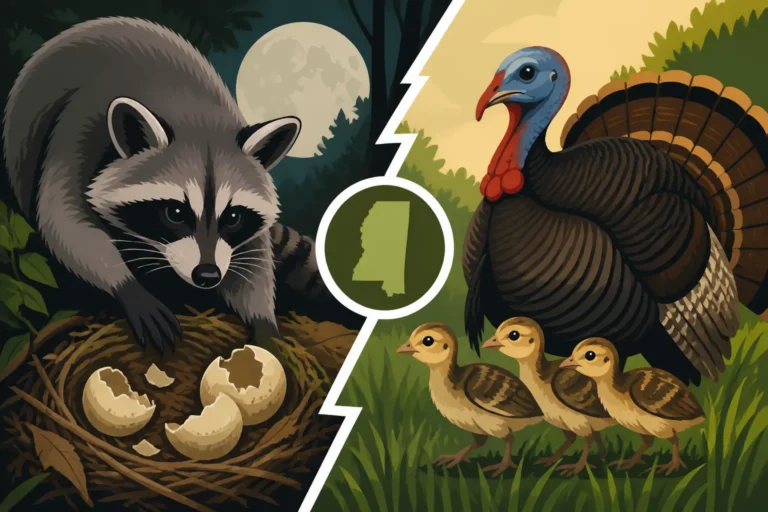
Beyond habitat destruction, hogs directly compete with native wildlife for food. They consume acorns, a vital food source for deer, squirrels, and turkey. They'll also raid turkey and quail nests, eating eggs and even young poults or chicks. This direct predation and competition put immense pressure on already struggling populations of species like the bobwhite quail and can hinder the recovery of others. When you're scouting for deer sign with an app like GoHunt, you'll often see hog sign that literally looks like a tractor has plowed through the woods, clearly demonstrating the habitat devastation.
Agricultural Crop Damage and Economic Strain
For Mississippi's farmers, feral hogs are an absolute scourge. They invade fields of corn, soybeans, cotton, and other crops, trampling and eating massive amounts of produce. From the sprouting stage to harvest, no crop seems safe from their destructive appetites. Fields along the Mississippi River in the Delta, for example, suffer immense losses annually. The Crop Damage Hogs Cause in the Delta alone is a testament to their destructive power.
The financial impact on farmers is staggering, often leading to reduced yields and significant economic hardship. This isn't just a loss for individual farmers; it impacts the state's overall agricultural economy. Beyond crops, they damage irrigation systems, fences, and farm equipment, adding further costs. Farmers are often on the front lines, trying to control these animals themselves, a daunting and often losing battle.
Disease Transmission Risks
Feral hogs are walking disease vectors, and this is another significant consequence of their unchecked populations. They can carry and transmit a host of diseases that pose threats to livestock, wildlife, and even humans. Swine brucellosis and pseudorabies are particularly concerning for domestic hog operations, requiring strict biosecurity measures.
They also carry leptospirosis, E. coli, and a variety of parasites. While hunters consuming hog meat are generally safe if proper handling and cooking methods are followed, the sheer presence of so many potentially diseased animals circulating in the environment creates a constant risk. This potential for widespread disease transmission adds another layer of complexity and danger to an already severe problem.
Human Intervention: The Only Real Predator
Given the biological reality that Mississippi's native wildlife cannot effectively control feral hog populations, it falls squarely on human shoulders to act as the primary "predator." This isn't just about hunting for sport; it's a critical wildlife management imperative for the health of our ecosystems and agricultural economy.
The Importance of Sustained Hunting Pressure
Hunting is, and will continue to be, a crucial tool in the fight against feral hogs. Mississippi has some of the most liberal hog hunting regulations in the country, allowing year-round hunting on private land and extended seasons on public lands. This isn't just because hogs are considered a nuisance; it's because aggressive, consistent pressure from hunters is one of the few things that can even slightly curb their numbers. You can learn more about Hunting Mississippi's Year-Round Feral Hogs to understand the full scope of opportunities.
However, recreational hunting alone, while important, often isn't enough to reduce populations, only to keep them from growing even faster. Hunters need to be highly dedicated, taking every opportunity to remove hogs. This means thinking about ethical shot placement, understanding hog behavior, and being persistent. When you're out there, every hog removed makes a difference, no matter how small it might seem in the face of such a massive problem.
Trapping and Removal Programs
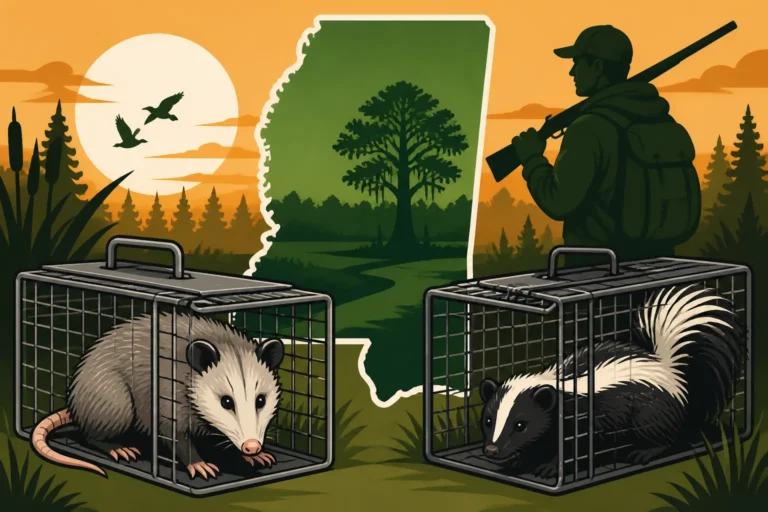
While hunting is vital, trapping is often considered the most effective method for significantly reducing feral hog populations, especially when done systematically. Large corral traps, snaring systems, and other specialized traps can remove entire sounders at once. This method targets the whole group, including elusive sows and piglets, which are critical to slowing down reproduction rates.
State agencies like the Mississippi Department of Wildlife, Fisheries, and Parks (MDWFP), often in conjunction with the USDA Wildlife Services, run programs that provide expertise and equipment for large-scale trapping efforts. There are specific rules and best practices for Trapping Mississippi Feral Hogs that hunters and landowners should be aware of to maximize effectiveness and ensure compliance. Many landowners find that a combination of hunting and strategic trapping yields the best results.
Integrated Management Strategies
The most successful approaches to managing feral hogs involve a combination of tactics, what we call integrated management. This isn't just hunting, and it's not just trapping; it's using every tool in the toolbox, intelligently and consistently. This can include night hunting with lights and thermal optics (where legal, typically on private land), running dogs, public education campaigns, and even encouraging collaboration between neighboring landowners. For instance, Night Hunting Hogs With Lights on Private Land can be incredibly effective when used safely and strategically.
An integrated strategy often means understanding the hogs' movement patterns using mapping tools like GoHunt, identifying their travel corridors, bedding areas, and feeding grounds. It means sustained effort, not just sporadic hunts. It also requires a community-wide approach, as hogs don't respect property lines, and one landowner's efforts can be undermined by a neighbor doing nothing. The goal is to make an area so inhospitable to hogs that they move on or are significantly reduced.
Looking Ahead: Long-Term Management Challenges
The fight against feral hogs is not a sprint; it's a marathon. The sheer scale of the problem and the animals' biological advantages mean that effective long-term management requires ongoing effort, innovation, and broad public support.
Research and Innovation in Hog Control
Scientists and wildlife managers are continuously researching new and more efficient ways to control feral hog populations. This includes exploring everything from new trapping technologies to potential baits and attractants, and even targeted toxicants (though the latter comes with significant regulatory hurdles and public safety concerns). The key is to find methods that are highly effective, cost-efficient, and have minimal impact on non-target species.
One area of ongoing interest is the development of species-specific birth control or immunocontraception, but these are still largely experimental and face immense challenges in real-world application for a free-ranging, rapidly reproducing species like the feral hog. However, every piece of research helps us better understand these animals and refine our strategies.
Community Involvement and Education
For any long-term management strategy to be truly successful, it absolutely needs the support and participation of the public. This means educating landowners, hunters, and the general community about the severity of the problem and the importance of active management. Many people still don't grasp the full ecological and economic impact of feral hogs.
Wildlife agencies and conservation groups play a vital role in providing information, workshops, and resources to help people implement control measures on their own property. Encouraging reporting of hog sightings and damage can also help managers understand population hotspots and deploy resources more effectively. We all have a stake in reducing the impact of these destructive animals.
The Cost of Doing Nothing
It's easy to feel overwhelmed by the feral hog problem and fall into a mindset of "what's the point?" But the reality is, doing nothing comes with an even greater cost. The longer we allow hog populations to proliferate unchecked, the more severe the ecological damage becomes, the higher the agricultural losses climb, and the greater the risk of disease transmission.
The financial burden on agriculture will continue to rise, and native wildlife populations will suffer further declines. The goal isn't necessarily complete eradication—that's a highly improbable outcome for such a widespread, adaptable species. Instead, it's about sustained, aggressive population control to mitigate their devastating impacts and protect Mississippi's natural resources and agricultural heritage. It's a fight worth waging, for the sake of our land and our wildlife.
| Predator Type | Target Prey | Impact on Feral Hogs | Reason for Limited Impact on Hogs |
|---|---|---|---|
| Coyotes | Fawns, rabbits, rodents | Minimal (occasionally very small piglets) | Size disparity, sow aggression, abundant alternative food |
| Bobcats | Rabbits, rodents, birds | Minimal (rarely very small piglets) | Size disparity, sow aggression, preference for smaller prey |
| Black Bears | Berries, nuts, insects, fawns | Negligible (rarely sick or very young piglets) | Not a primary predator of large, aggressive prey; risk of injury |
| Red Wolves | Deer, elk, other large prey | Extinct in MS; would have had a significant impact historically | Absence from current ecosystem |
| Humans | All hog sizes | Potentially significant (hunting, trapping) | Only effective predator when methods are sustained and integrated |
Disclaimer
The information provided in this article is for educational and informational purposes only and does not constitute professional advice. Always consult with the Mississippi Department of Wildlife, Fisheries, and Parks (MDWFP) for the most current regulations and guidelines regarding hunting and wildlife management in the state. Wildlife behavior can be unpredictable, and safety should always be your top priority in the field.