Why North Mississippi Drives the CWD Count
It’s a tough pill to swallow when you hear the latest numbers on Chronic Wasting Disease (CWD), and it feels like North Mississippi is always at the forefront of the conversation. Many of us are left scratching our heads, wondering why this region seems to consistently drive the state’s CWD count, creating a real sense of worry for both our deer herds and our cherished hunting traditions. This guide aims to pull back the curtain on the complex factors contributing to this trend, offering insights into the landscape, deer behavior, and dedicated human efforts that all play a part in why we see such a concentrated CWD presence in North Mississippi.
Understanding Chronic Wasting Disease and Its Impact in Mississippi
Chronic Wasting Disease is more than just a buzzword; it's a very real and concerning threat to our white-tailed deer, and by extension, to the future of hunting in Mississippi. It's an issue that weighs heavily on the minds of hunters, land managers, and wildlife biologists alike.
What CWD Means for Mississippi Hunters and Deer
CWD is a neurological disease that affects cervids, which include deer, elk, and moose. It's caused by abnormal proteins called prions, which slowly damage the animal's brain and nervous system over time. The symptoms are heartbreaking to witness: drastic weight loss (hence "wasting"), stumbling, listlessness, excessive drooling, and a general loss of fear of humans. Eventually, it's always fatal. For hunters, the concern isn't just seeing sick animals; it’s about the health of the entire herd, the potential for long-term population decline, and the very real need to adapt our hunting practices to prevent further spread. The thought of losing our healthy deer populations to this insidious disease is a frustrating prospect for anyone who cherishes the Mississippi outdoors.
The Initial Discovery and Spread Across the State
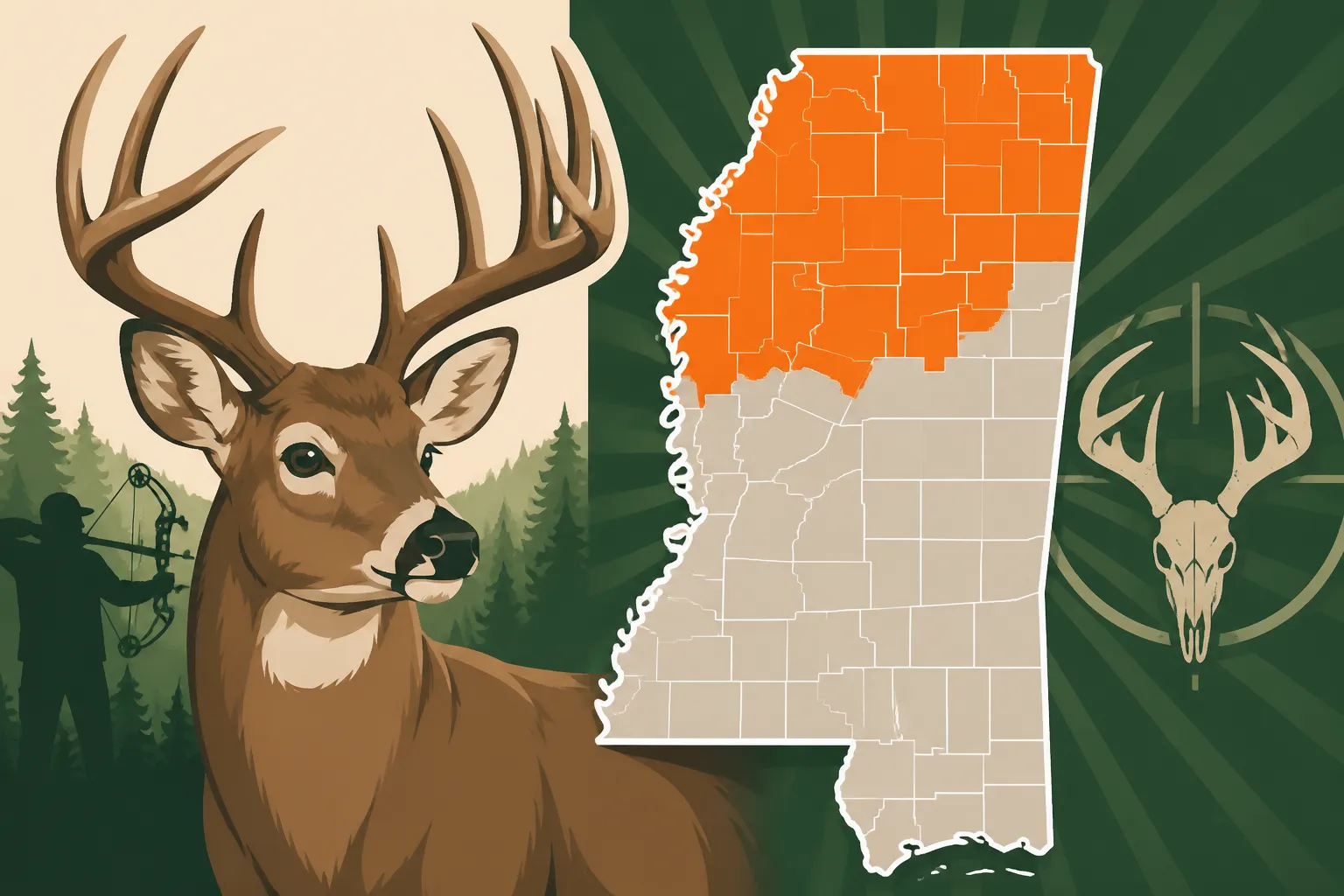
Mississippi wasn't always a state with CWD. The disease first made its unwelcome appearance in the state in 2018 in the northern counties. This discovery sent ripples through the hunting community, immediately triggering a comprehensive response from the Mississippi Department of Wildlife, Fisheries, and Parks (MDWFP). Before 2018, CWD was a problem we heard about in other states, but suddenly, it was in our backyard. Since then, the MDWFP has been working tirelessly to monitor the spread, identify affected areas, and implement strategies to manage the disease. The journey of CWD from a distant threat to a local reality has been a steep learning curve for everyone involved, highlighting the need for vigilance and cooperation from every hunter. You can learn more about How CWD Spread Across North Mississippi by exploring some of the early details.
Geographic and Environmental Factors in North Mississippi's CWD Prevalence
When we talk about why CWD is so prevalent in North Mississippi, we have to look beyond just the disease itself and consider the unique characteristics of the region that might contribute to its spread. It's a complex interplay of the land, the deer, and how they interact.
The Landscape and Deer Habitat in North Mississippi
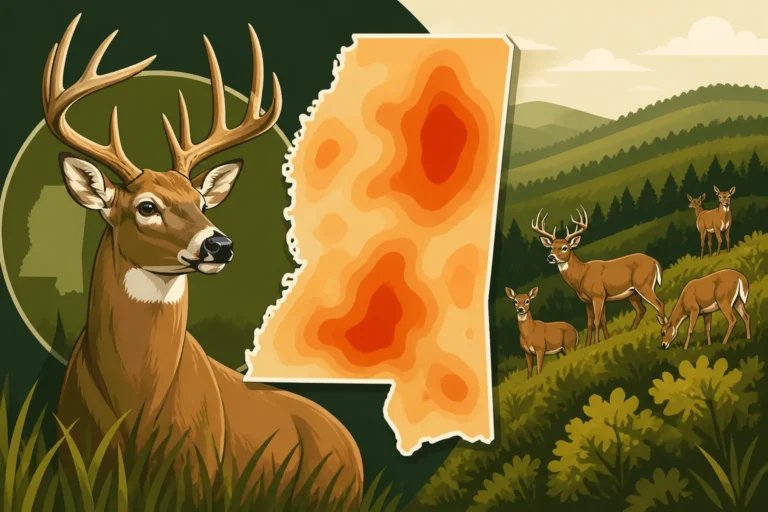
North Mississippi is a diverse region, characterized by its rolling hills, mixed forests, and significant agricultural lands. Unlike the vast bottomland hardwoods of the Delta or the dense pine forests of the Piney Woods, this area often features fragmented timber blocks interspersed with crop fields, pastures, and suburban development. This mosaic landscape can inadvertently create conditions ripe for CWD. Deer, especially bucks, move extensively between these different habitat types, often congregating in concentrated areas around food sources like agricultural fields or specific stands of hardwoods. These congregating points, whether natural or man-made, can become hotbeds for CWD prion contamination in the environment. Prions can persist in soil and plants for long periods, meaning areas with heavy deer traffic can become contaminated zones, increasing the risk of transmission to other animals.
Deer Densities and Movement Patterns
One significant factor driving the CWD count in North Mississippi is often the higher deer densities found in certain localized areas. When deer populations are robust, and animals are living in close proximity, the chances of nose-to-nose contact, shared food sources, and environmental contamination increase exponentially. The social nature of deer, particularly during the breeding season (the rut), plays a critical role. Bucks travel widely, seeking does, and often interact with multiple groups of deer across various properties. This heightened movement and interaction during the rut, especially in areas with high deer numbers, can accelerate the spread of CWD prions through saliva, urine, and feces. Understanding Mississippi Deer Population Estimate helps put these densities into perspective across the state. Furthermore, the prevalence of baiting and feeding, while tempting for hunters, can artificially concentrate deer, creating ideal conditions for CWD transmission at feed sites or mineral licks.
Historical Deer Management and Harvest Practices
The history of deer management in Mississippi, while largely successful in rebuilding our deer herds, might have indirectly contributed to the current CWD situation in some areas of the north. For many years, management strategies often focused on increasing buck harvest and protecting antlerless deer to grow the overall population. While this worked wonders for herd numbers, it sometimes led to localized areas of very high deer density. In situations where CWD is present, an over-dense population can complicate containment efforts. Additionally, specific antler restrictions or harvest strategies, while beneficial for growing mature bucks, can sometimes lead to older bucks in the population, and older animals are more likely to have contracted CWD and be shedding prions. The cumulative effect of past management, combined with the landscape's carrying capacity, has created a situation where CWD finds fertile ground to spread.
Human and Detection Factors Influencing the Count
While natural and biological factors certainly play a role, it’s equally important to consider the human element—how we detect, monitor, and manage CWD. Our efforts, both as wildlife agencies and as individual hunters, profoundly influence the reported CWD count in any given region.
Proximity to CWD-Positive States
Mississippi isn't an isolated island; we share borders with several states, and unfortunately, some of our neighbors also have established CWD populations. The natural movement of deer, especially mature bucks, across state lines is a very real phenomenon. A buck could easily travel miles, crossing an invisible state boundary, potentially bringing CWD into a new area. North Mississippi, by its very geography, sits closer to some of these affected regions, making it more susceptible to this kind of natural migration and potential introduction. It's a constant concern for wildlife managers who must monitor not only within our borders but also what's happening just beyond them.
Intensive Surveillance and Testing Efforts
One of the primary reasons North Mississippi drives the CWD count is directly related to the intensive surveillance and testing efforts conducted by the MDWFP in that region. When CWD was first detected, the MDWFP established specific CWD Management Zones, particularly in the northern counties where the initial cases were found. These zones, like the North CWD Zone, have stricter regulations and mandatory testing requirements for harvested deer. It’s a simple truth: if you test more diligently in a specific area, you are statistically more likely to find more cases.
Think of it this way: if you’re looking for a needle in a haystack, and you decide to focus 90% of your search effort on one quarter of the haystack, you’re naturally going to find more needles in that quarter than in the other three-quarters combined, even if the density of needles is similar throughout. The MDWFP's strategic focus on detecting and tracking CWD in these critical zones means the data will inevitably show a higher count from North Mississippi. Hunters often use tools like GoHunt to stay up-to-date on these changing regulations and testing requirements, ensuring they're compliant and contributing to surveillance efforts.
Hunter Participation in Sample Collection
The success of any CWD surveillance program hinges on the cooperation of hunters. In Mississippi’s CWD Management Zones, hunters are often required to submit heads from harvested deer for testing. Voluntary submission is also strongly encouraged statewide. North Mississippi, being the epicenter of the state's CWD challenges, has seen a tremendous effort from its hunting community to participate in these sampling programs. Without hunters willing to take the time to drop off deer heads at designated sampling stations, our ability to accurately gauge the disease's prevalence and spread would be severely hampered. This high level of hunter participation, driven by a desire to protect the resource, directly contributes to the robust data collection that, in turn, shows a higher number of detected cases in the region. Every submitted sample is a piece of the puzzle, and North Mississippi hunters have been vital in providing that information.
Navigating CWD in North Mississippi: Practical Advice for Hunters
Dealing with CWD can feel overwhelming, but as hunters, we have a crucial role to play in managing its spread and ensuring the health of Mississippi's deer herds for generations to come. It’s about being informed, making responsible choices, and working together.
Understanding CWD Management Zones and Regulations
If you hunt in North Mississippi, particularly in areas identified as CWD Management Zones, it is absolutely paramount that you understand and follow the specific regulations for those areas. The rules can differ significantly from statewide regulations. For instance, there might be mandatory CWD testing for harvested deer, or strict rules regarding the movement of deer carcasses out of the zone. This is to prevent the spread of prions to unaffected areas.
For example, Mississippi Carcass Movement Restrictions are designed to keep those prions contained. If you harvest a deer in a CWD-positive county, you generally can’t just take the whole carcass to your camp in another part of the state. You’ll need to process it within the zone or remove only certain parts like deboned meat, antlers, or clean skull plates. Ignorance of these rules is no excuse, and compliance is a vital part of being a responsible hunter. Always double-check the latest MDWFP regulations before heading into a CWD zone.
Best Practices for Hunters in Affected Areas
Hunting in a CWD-affected area requires a few extra considerations, but it doesn't mean you have to stop hunting. Here are some best practices to adopt:
- Get Your Deer Tested: If you hunt in a CWD zone, getting your deer tested is often mandatory, but even if it's not, it's highly recommended. This helps MDWFP track the disease and gives you peace of mind. You can find information on Mississippi CWD Testing for Hunters through the MDWFP website or their app.
- Handle Carcasses Responsibly: Follow all carcass movement restrictions. Field-dressing deer at the kill site, rather than transporting the entire animal, is a good habit. Dispose of carcass waste properly—preferably at the kill site or in a lined landfill.
- Avoid Concentrating Deer: While baiting and supplemental feeding are common, they can increase the risk of CWD transmission by bringing deer into close contact. Consider reducing or eliminating these practices, especially in CWD-affected areas.
- Wear Gloves: When handling deer, especially while field dressing, wear rubber or latex gloves as a general precaution.
- Know the Symptoms: Be vigilant. If you see a deer exhibiting symptoms of CWD—such as extreme thinness, stumbling, or excessive drooling—do not harvest it. Instead, contact the MDWFP to report a sick animal. Learning to identify these signs is crucial.
- Use Tools Like GoHunt: Apps and resources like GoHunt can be incredibly helpful for staying current on local regulations, hunting unit boundaries, and CWD zones, helping you make informed decisions before and during your hunt.
Supporting Mississippi's Long-Term CWD Strategy
The fight against CWD is a long-term commitment that requires a unified front. Hunters are the eyes and ears on the ground, and our active participation is indispensable to the MDWFP's strategy. This isn't just about compliance; it's about being a proactive steward of our wildlife.
- Report Sick Deer: If you ever encounter a deer that appears sick or is exhibiting CWD symptoms, report it immediately to the MDWFP. Your observation could be critical in identifying new areas of concern. Check the MDWFP website for how to go about Reporting a Sick Animal in Mississippi.
- Participate in Voluntary Sampling: Even if you hunt outside a mandatory CWD zone, consider submitting a sample from your harvested deer. The more data the MDWFP collects from across the state, the better their understanding of CWD's true distribution.
- Stay Informed: Keep up with the latest CWD news and regulations from the MDWFP. This includes understanding Mississippi's Chronic Wasting Disease Zones and any changes to testing or carcass transport rules. What's current today might change tomorrow as new information comes to light.
- Educate Others: Share what you learn with fellow hunters, friends, and family. The more people who understand CWD and best practices, the better equipped our community will be to face this challenge head-on. Proper Mississippi Hunter Education Requirements cover some of these broader responsibilities.
- Support Wildlife Agencies: Funding and support for the MDWFP and its research are crucial for developing effective CWD management strategies. By purchasing your licenses and stamps, you’re directly contributing to these vital efforts.
Ultimately, while North Mississippi may be driving the CWD count due to a combination of geography, deer behavior, and focused detection efforts, the entire state's hunting community has a part to play in its management. By staying informed, being responsible, and working together, we can help protect Mississippi's deer herd for future generations of hunters.
Disclaimer
This article is for general informational purposes only and does not constitute professional advice. Laws, prices and regulations vary by location and change over time. Consult a qualified professional for guidance on your specific situation.