Mississippi CWD Prevalence in the North Zone
It’s a tough pill to swallow when something as insidious as Chronic Wasting Disease (CWD) enters our beloved Mississippi deer herd. For hunters in the North Zone, the reality of CWD isn't just a distant news story; it's a very real concern that shapes how we scout, how we hunt, and how we handle our hard-earned venison. This guide is here to walk you through what CWD prevalence in the North Zone truly means for you, addressing the frustrations and offering realistic insights into this ongoing challenge.
Understanding the North Zone and CWD's Arrival
When CWD first reared its head in Mississippi, it sent ripples of concern through every hunting camp and deer lease across the state. For those of us who cherish the tradition of deer hunting, it felt like an unwelcome guest arrived and immediately made itself at home. The North Zone, unfortunately, became ground zero for this challenge.
What Defines Mississippi's North CWD Zone
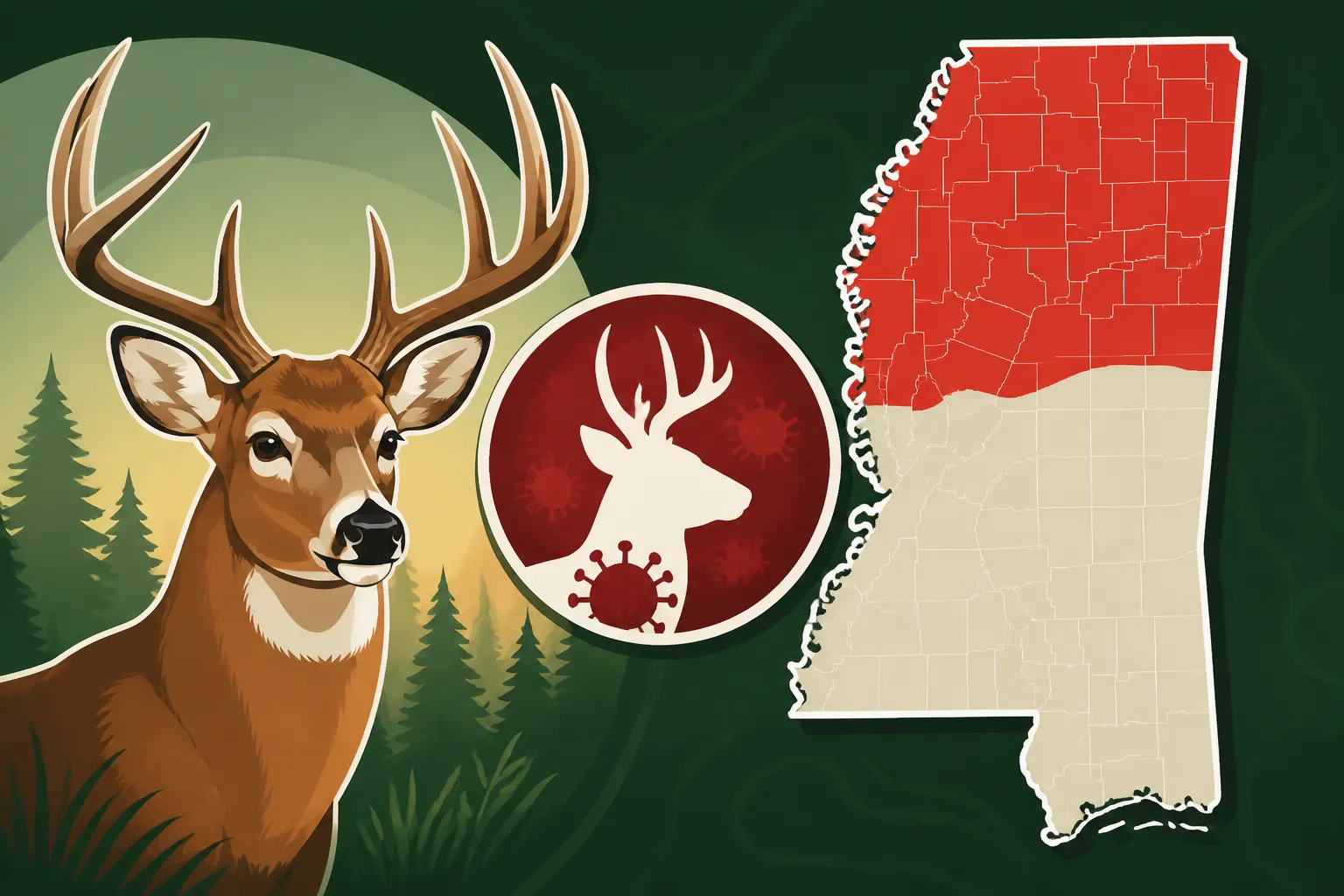
The North CWD Zone isn't just a vague northern area on a map; it’s a specific collection of counties designated by the Mississippi Department of Wildlife, Fisheries, and Parks (MDWFP) due to confirmed CWD cases. These aren't arbitrary lines drawn in the sand; they represent a concentrated effort to contain and monitor the disease where it's most prevalent. If you want to know exactly which areas are affected, we have a detailed guide on Which Eleven Counties Sit in the North CWD Zone that really breaks it down. For a broader overview of the state's CWD strategy, check out Mississippi's Chronic Wasting Disease Zones.
These counties typically lie in the far northern reaches of the state, bordering Tennessee, and often encompass prime deer habitat, from river bottoms to rolling hills. Hunters who have spent generations in these woods now have another layer of consideration when planning their seasons. It’s a shift from just focusing on deer sign and acorn crops to also thinking about herd health.
The Initial Discovery and Its Impact
The first confirmed case of CWD in Mississippi was detected in the North Zone back in 2018 in Benton County. That news hit hard. It wasn't just a biological finding; it was a blow to the heart of our hunting heritage. Suddenly, a disease that seemed like a problem for other states was right here in our backyard, changing the conversation around deer camp fires from antler size to disease spread.
That initial discovery immediately triggered a series of changes in regulations and a heightened focus on surveillance. It wasn't about panic, but about proactive management. The MDWFP, working with hunters and landowners, quickly implemented strategies to understand the scope of the problem and to try and slow its spread. This included increased testing efforts and communication campaigns to inform hunters, which has become a crucial part of hunting in the region. The commitment to sharing data, like how many deer have tested CWD-positive since 2018, has been key to keeping us informed.
Prevalence Rates and Monitoring Efforts
One of the most common questions hunters in the North Zone ask is, "How bad is it, really?" It’s a fair question. We want to know the risk, not just for our hunting plans, but also for the health of the herd we care so much about. The MDWFP has been transparent about its findings, and understanding these prevalence rates is essential for any hunter in the affected counties.
Tracking the Numbers
The term "prevalence" simply refers to the percentage of animals tested that are positive for CWD within a specific area. In the North Zone, this figure has generally been higher than in other parts of the state where CWD has been detected. It's not a uniform number across every single county within the zone; some areas might show a higher concentration of positive cases than others, often influenced by factors like deer density and geographical features that facilitate deer movement.
These numbers are dynamic, evolving as more testing is done each season. They provide a snapshot, not a fixed truth, and serve as a guide for management strategies. While specific figures fluctuate year-to-year, the trend generally indicates a persistent presence of CWD in the North Zone, making ongoing vigilance critical. Tools like GoHunt can sometimes offer insights or features that help you stay current on regulation changes, even if they don't provide real-time prevalence data themselves.
Here's a simplified look at how CWD data is often communicated:
| Category | Description |
|---|---|
| First Detection | County and year where CWD was initially confirmed. |
| Total Cases (North Zone) | Cumulative number of positive cases identified within the designated North CWD Zone counties. |
| Prevalence Rate | Percentage of deer tested that were positive, typically reported as an overall average for the zone. |
| Hotspot Areas | Specific localities within the zone where a higher concentration of CWD positive deer have been detected. |
| Testing Effort | Number of samples submitted and tested in a given season, indicating surveillance intensity. |
Mandatory Testing and Surveillance
One of the most significant changes for hunters in the North Zone is the implementation of mandatory testing. During specific periods of the deer season, particularly the opening weekends of gun season, hunters harvesting deer in certain CWD-positive counties within the North Zone are required to submit their deer for testing. This isn't just a suggestion; it's a critical part of the state's surveillance strategy to understand the disease's spread and prevalence. This helps us monitor the situation and adapt. Our guide on Mandatory Testing Inside a Mississippi CWD Zone can give you all the specifics you need to know about the process.
The MDWFP has established various CWD sampling locations, which include drop-off points, taxidermists, and designated check stations. The process is usually straightforward: you provide the jawbone and possibly lymph nodes from your harvested deer, fill out some paperwork, and get your deer marked. It might feel like an extra step after a successful hunt, but it’s a vital contribution to the health of the overall deer herd. Knowing where to go for testing is important, so make sure to review resources like Finding a Mississippi CWD Sampling Location before you head out. These efforts, combined with voluntary submissions throughout the season, create a robust data set that helps wildlife biologists make informed decisions about herd management.
Implications for Hunters in the North Zone
Hunting in a CWD-positive zone changes more than just the regulations; it can change your mindset and your routine. It’s natural to feel a bit of apprehension, but understanding the implications and knowing how to adapt can ensure you continue to enjoy the hunt responsibly.
Carcass Movement Restrictions and Processing
One of the biggest impacts for hunters in the North Zone is the restriction on moving deer carcasses out of the CWD Management Zone. This rule is designed to prevent the physical spread of the CWD prion to new areas. Essentially, if you harvest a deer in one of these North Zone counties, you cannot transport the whole carcass to a county outside the zone. This means you need to be prepared to process your deer within the zone, or at least quarter it and remove high-risk parts like the brain and spinal column. We dive deeper into these rules in our article, Moving a Deer Carcass Out of a CWD Zone.
Many hunters have adapted by setting up temporary processing stations at camp, using local processors within the CWD zone, or learning to debone their deer in the field. It might seem like a hassle, especially if your hunting camp is far from home, but it's a necessary step to protect other deer populations. Always carry extra game bags and a sharp knife, and be ready to do some field processing to comply with these rules. It's all part of being a responsible hunter in these challenging times.
Adapting Your Hunting Strategy
CWD prevalence can also subtly influence your hunting strategy. While you're still looking for rubs, scrapes, and food sources, you might also consider things like herd health. Some hunters in CWD zones opt to be more aggressive in harvesting antlerless deer to help control overall deer density, which can be a factor in disease transmission. It's a tricky balance, as we all want a healthy, robust deer herd, but sometimes hard choices are necessary.
You might also find yourself being more selective about the deer you harvest, not just in terms of antler size, but in checking for any visible signs of illness, though early-stage CWD often shows no obvious symptoms. Using mapping tools like those offered by GoHunt can help you identify areas within the North Zone with lower deer densities, or understand property boundaries that might influence CWD management efforts nearby. Scouting Mississippi public land before season becomes even more critical when factoring in CWD, as you'll want to be aware of any designated testing areas or specific regulations tied to public land parcels within the zone.
Living with CWD: Long-Term Outlook and Management
CWD is not going away overnight. It's a persistent challenge that requires a long-term commitment from wildlife agencies, landowners, and, most importantly, hunters. Understanding this reality helps us prepare for the future and contribute positively to the solution.
The Ongoing Management Challenge
Managing CWD is incredibly complex. There's currently no vaccine or cure, and the prions (the infectious agents that cause CWD) can persist in the environment for years, even decades. This means that containment and management efforts are primarily focused on surveillance, reducing deer densities where appropriate, and limiting the spread of infected carcasses. The MDWFP continuously evaluates its strategies, adjusting regulations and testing protocols based on new data and research. Our understanding of Mississippi's Chronic Wasting Disease Zones is constantly being refined.
This isn't a battle with a clear endpoint; it's an ongoing effort to mitigate the impact of the disease on our deer populations. It requires patience, adaptability, and a willingness to participate from the hunting community. We all want to see healthy deer thrive, and that means sometimes accepting and supporting measures that might feel inconvenient in the short term. The state's broader Mississippi Deer Season Structure Explained is constantly being reviewed in light of CWD.
Your Role in the Solution
As hunters, we are absolutely crucial in the fight against CWD. Our participation in mandatory testing is invaluable, providing the data necessary to track the disease. But our role goes beyond that. Being informed, following regulations, and practicing responsible carcass disposal are all vital contributions. Reporting a sick animal, even if you’re unsure what’s wrong, can provide valuable early detection information.
Embracing resources like the MDWFP's app, which often allows for Mississippi Deer Reporting Requirements and access to current CWD information, empowers you to be a proactive part of the solution. This is about protecting our wild places and the game we pursue for future generations. It's not just "their" problem; it's "our" problem, and by working together, we can ensure that deer hunting remains a cherished tradition in Mississippi for years to come. Remember, every time you harvest a deer in the North Zone, you're not just bringing home venison; you're contributing to the collective knowledge that helps manage CWD.
Disclaimer
This article is for general informational purposes only and does not constitute professional advice. Laws, prices and regulations vary by location and change over time. Consult a qualified professional for guidance on your specific situation.