Feral Swine Sightings in Central Mississippi
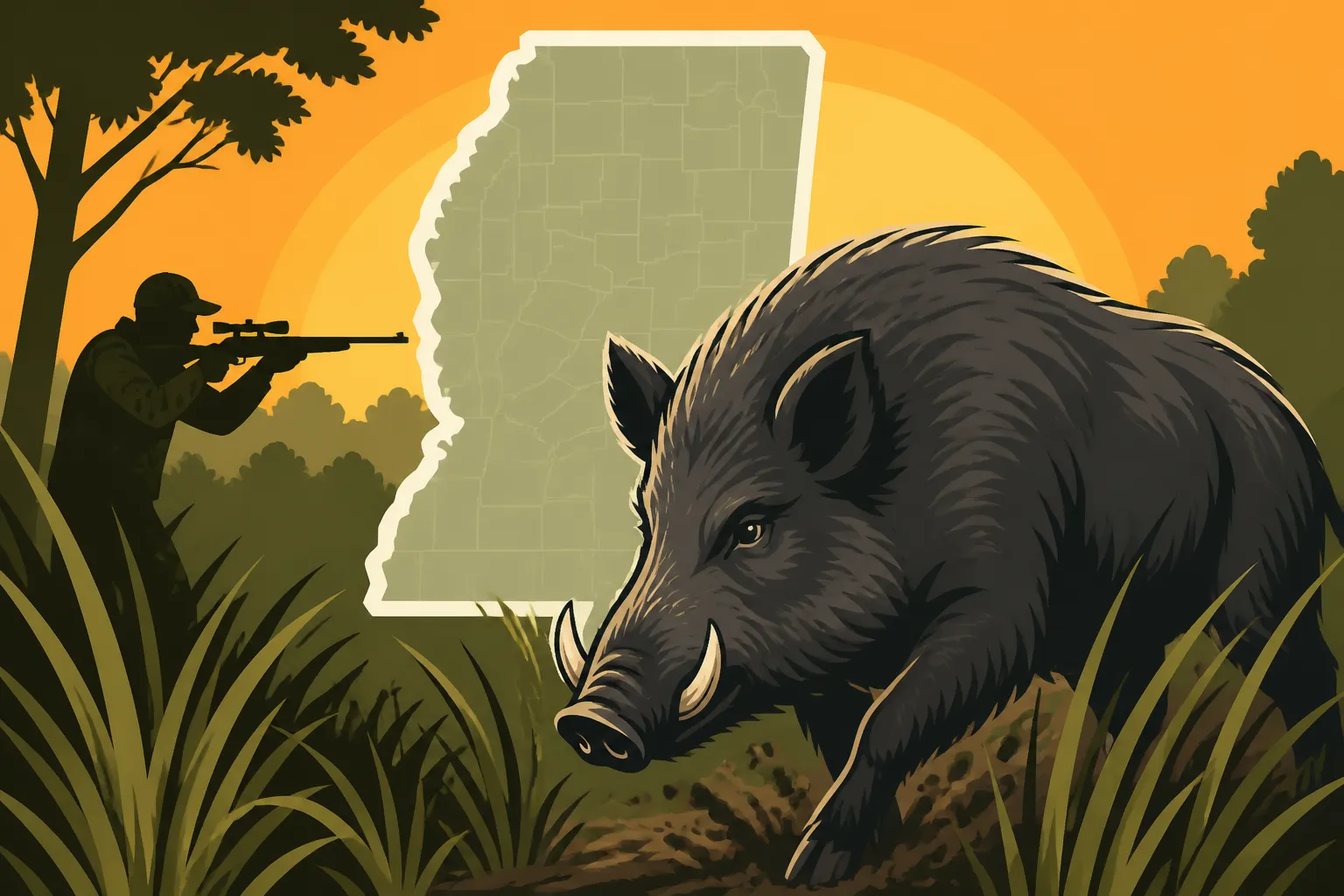
The sudden appearance of feral swine in areas they haven't been seen before can be a real jolt for landowners and hunters in Central Mississippi. It’s a frustrating reality to discover your fields torn up or your feeders destroyed by these incredibly destructive animals. This guide is here to shed light on why these elusive creatures are showing up more frequently in Central Mississippi, what signs to look for, and what actions you can take to manage their presence and mitigate the damage they cause.
Understanding the Infiltration of Feral Swine into Central Mississippi
It feels like just yesterday feral hogs were primarily a problem for our friends down in the Delta or along the river systems. But lately, we're seeing more and more reports, and evidence, of them pushing into the central counties of Mississippi. This isn't just a random occurrence; it's a testament to the remarkable adaptability and prolific nature of these animals. They're constantly on the move, driven by a search for food, water, and new territories, and unfortunately, Central Mississippi offers plenty of tempting resources.
Why Feral Hogs are Spreading
Feral hogs aren't just moving; they're exploding in numbers, and several factors contribute to their relentless expansion. First and foremost, their reproductive rate is astounding. A sow can become sexually mature as early as six months old and can have two litters a year, with litters averaging four to eight piglets. Imagine that kind of multiplication! This rapid breeding means populations can quickly rebound even after intensive control efforts, and it makes them incredibly efficient at colonizing new areas. They are also incredibly intelligent and can learn to avoid pressure, making them a formidable adversary.
Another key factor is their diet. Feral hogs are omnivores, meaning they'll eat just about anything—crops, acorns, roots, insects, small animals, even fawns and turkey poults. This diverse diet allows them to thrive in various habitats, from dense bottomland swamps to pine plantations and agricultural fields. As they deplete resources in one area, they naturally expand into adjacent ones. Additionally, human activities, both intentional and unintentional, have contributed to their spread. Illegal releases for hunting purposes, though strongly discouraged and illegal, have certainly played a part in establishing new populations. Even livestock escaping and reverting to a wild state can contribute to the gene pool. Understanding this relentless drive is the first step in recognizing why you're seeing signs of them creeping into what used to be hog-free territory. It’s not a matter of if they'll show up, but often when.
Common Entry Points and Travel Corridors
When thinking about how feral hogs might be moving into Central Mississippi, it helps to visualize their typical travel patterns. They are not generally open-country animals. Instead, they prefer to stick to cover, using natural features as highways to navigate the landscape. River bottoms, creek drainages, and sloughs are prime examples. These areas offer dense vegetation for concealment, consistent water sources, and often abundant food. If you live near a creek that eventually flows into a larger river system, you've got a potential hog superhighway right on your property.
Logging roads, powerline easements, and even old fencerows can also act as travel corridors. These pathways, while man-made, provide clear lanes of travel, often with bordering cover that makes hogs feel secure. Think about it: a hog doesn't want to cross a wide-open field in broad daylight any more than a deer does, especially when pressure is high. They'll skirt edges, stick to wooded fringes, and utilize any available cover to move from one food source or bedding area to another. Knowing this can help you anticipate where they might show up first. If you're using a mapping tool like GoHunt to scout your property, paying close attention to these linear features and water sources can give you a real advantage in predicting their movements.
Identifying Feral Hog Sign and Activity
You might not see a hog right away, especially if they're just starting to move into your area. These animals are incredibly secretive, often operating under the cover of darkness or in the thickest brush. However, they leave a clear trail of destruction and unique signs that, once you know what to look for, are unmistakable. Recognizing these signs early is crucial for understanding the extent of their presence and planning effective management strategies. It’s like detective work, and the hogs leave plenty of clues for you to find.
Rooting, Wallages, and Rubs
The most obvious and widespread sign of feral hog activity is rooting. Hogs have incredibly powerful snouts, which they use like plows to dig up the ground in search of roots, tubers, grubs, and other edibles. This rooting can range from shallow disturbances that look like someone took a rake to the forest floor to deep furrows that completely overturn pastures or crop fields. A rooted area will often look like a rototiller went through, leaving behind loose soil and exposed roots. This isn't just unsightly; it destroys native vegetation, disrupts ecosystems, and can ruin valuable agricultural land.
Wallows are another tell-tale sign, especially in areas with standing water or muddy depressions. Hogs will create and use wallows to cool themselves down and to coat their bodies in mud, which helps protect them from insects and parasites. These wallows are typically muddy, bowl-shaped depressions, often with nearby trees or posts that show rub marks. Speaking of rubs, hogs will frequently rub against trees, fence posts, or utility poles to scratch off mud and parasites. Look for mud smears and bristles, usually about one to three feet off the ground, sometimes accompanied by coarse, dark hair. These rubs can be particularly noticeable on small saplings, which might be completely stripped of bark at hog height.
| Sign Type | Description | Indication |
|---|---|---|
| Rooting | Disturbed, overturned soil, often in patches or long furrows. Looks like a tiller went through. | Active feeding area, recent presence, extensive ecological damage. |
| Wallows | Muddy depressions, often bowl-shaped, in wet areas. Can be active (fresh mud) or dry (old mud). | Hogs use this area for cooling and parasite control, usually near water. |
| Rubs | Mud smears and coarse hair on trees, posts, or rocks, typically 1-3 feet high. Bark may be scraped off. | Hogs are actively marking or scratching, indicating frequent travel or bedding. |
| Tracks | Split hoof print, often blocky, with dewclaws typically visible. Can be confused with deer, but wider. | Indicates direction of travel, size of hog, and recent presence. |
| Scat (Droppings) | Variable in shape and size, often cylindrical or clumpy, reflecting their omnivorous diet. | Confirmation of presence, can indicate diet, often found near feeding areas. |
| Trails | Well-worn paths through thick brush, often tunnel-like, leading to food, water, or bedding. | Regular travel routes, can lead to bedding areas or key resources. |
Tracks, Scat, and Game Trails
While rooting and wallows are highly visible, subtler signs like tracks and scat also confirm a hog's presence. Feral hog tracks can sometimes be confused with deer tracks, but there are key differences. Hog tracks are generally rounder or more blocky than the pointed, heart-shaped tracks of a deer. Crucially, in softer ground, you'll almost always see the dewclaws (the two smaller toes at the back of the hoof) registering in a hog track, whereas deer dewclaws usually only show up when the animal is running or in very deep mud. Hog tracks also tend to splay out more, indicating a heavier, stockier animal. Tracking a Deer Through Mississippi Leaf Litter is a good comparison to really hone in on the differences. Pay close attention to the width and the presence of those tell-tale dewclaws.
Feral hog scat is also quite variable, reflecting their diverse diet. It can be cylindrical or clumpy, often containing remnants of what they've been eating—seeds, plant matter, or even bits of insect exoskeletons. It's usually found near feeding areas or along prominent game trails. Speaking of game trails, hogs, much like deer, create well-worn paths through dense vegetation as they move between bedding areas, food sources, and water. These trails are often deeply cut into the soil, especially in soft ground, and can appear "tunneled" through thick brush. Following these trails, particularly with a mapping tool like GoHunt to visualize the terrain and potential pinch points, can lead you directly to areas of high hog activity. You might find several trails converging, indicating a popular crossing point or a major travel corridor for a sounder of hogs.
Impacts of Feral Hogs on Central Mississippi Ecosystems and Landowners
The presence of feral swine, even in small numbers, can quickly escalate into a full-blown crisis for both the natural environment and human interests. Their destructive habits are far-reaching, impacting everything from delicate plant communities to the bottom line of local farmers. It’s not just about a few muddy tracks; it’s about a cascading effect that alters landscapes, threatens native wildlife, and costs real money.
Environmental Degradation and Wildlife Impacts
Feral hogs are bulldozers on legs when it comes to the environment. Their rooting behavior can completely devastate native plant communities, especially in sensitive habitats like wetlands or unique forest ecosystems. They destroy seedlings, overturn leaf litter, and expose bare soil, leading to increased erosion and the proliferation of invasive plant species that outcompete natives. This disruption of the soil structure and plant life directly impacts other wildlife. Ground-nesting birds, like quail and turkeys, find their nests destroyed or their eggs eaten. Small mammals lose crucial habitat and food sources.
Beyond habitat destruction, feral hogs are direct predators of many native species. They'll actively hunt and consume deer fawns, turkey poults, turtle eggs, and just about any other small animal they can catch. This predation puts additional pressure on already struggling wildlife populations. Poult-to-Hen Ratios and What They Mean for turkeys, for instance, can be significantly affected by hog predation. Furthermore, hogs compete with native wildlife, like deer and squirrels, for critical food resources such as acorns. Imagine a sounder of hogs moving through an oak stand, vacuuming up every acorn, leaving little to nothing for other animals to sustain themselves through the lean months. It's a dire situation that directly diminishes the biodiversity and health of Central Mississippi's natural landscapes.
Agricultural Damage and Disease Concerns
For farmers and rural landowners, feral hogs are an economic nightmare. Their relentless rooting can wipe out entire crop fields overnight. Corn, soybeans, wheat, peanuts—you name it, hogs will eat it and destroy it. Beyond direct consumption, they trample and muddy fields, making mechanical harvesting difficult or impossible. Imagine investing all that time, money, and effort into a crop, only to wake up and find it's been ravaged by a sounder of hogs. Crop Damage Hogs Cause in the Delta outlines how devastating this can be for large-scale operations, and those same impacts are now being felt more keenly in Central Mississippi. The financial losses can be substantial, threatening livelihoods and adding immense stress to agricultural operations.
Beyond property damage, feral hogs are notorious carriers of diseases that can be transmitted to livestock, wildlife, and even humans. While some diseases are more prevalent in specific regions, the potential for diseases like brucellosis, leptospirosis, pseudorabies, and even foot-and-mouth disease (though not currently present in the US) is a constant concern. Brucellosis, for example, can cause reproductive failure in cattle and can also infect humans. This disease risk is a major reason why careful handling of feral hog carcasses is always advised, and why any contact with domestic animals should be avoided. The presence of these diseases not only poses a threat to local agricultural economies but also presents a significant public health risk that requires constant vigilance and monitoring.
Managing Feral Swine Encounters in Central Mississippi
Encountering feral swine can be alarming, but it’s important to remember that you have options. Simply ignoring the problem will only allow it to escalate due to their rapid reproduction. Effective management requires a multi-pronged approach, combining legal hunting methods with strategic trapping and a good understanding of local regulations. Remember, the goal is often control, not complete eradication, which is nearly impossible given their numbers and resilience.
Legal Hunting Methods and Regulations
In Mississippi, feral hogs are considered a nuisance species, and you can hunt them year-round on private land during daylight hours with a valid hunting license. This offers a great deal of flexibility for landowners and hunters alike. You can use most legal weapons, including firearms, archery equipment, and even crossbows. On public lands, specific regulations may apply, so always check the rules for the particular Wildlife Management Area (WMA) or National Forest you plan to hunt. Some WMAs might have restrictions on weapon types or specific seasons, so don't assume year-round privileges apply everywhere.
Many hunters find success pursuing hogs during deer or turkey season as an opportunistic hunt. However, dedicated hog hunting can be incredibly effective. Night hunting with lights is also permitted on private land, which can be particularly successful given their nocturnal tendencies. Just be sure to verify all specific rules regarding night hunting equipment, such as the use of artificial lights or thermal imaging, with the MDWFP. Mississippi Feral Hog Regulations is a must-read to ensure you're always operating within the law. Utilizing these methods with consistency can help reduce numbers and pressure hogs, making them warier and harder to catch.
Trapping Strategies for Effective Control
While hunting can be effective for individual hogs or small groups, trapping is widely considered the most efficient method for reducing large populations of feral swine. Hogs are social animals, often traveling in "sounders," and a well-placed trap can capture multiple animals at once. Large, corral-style traps are often the most successful, allowing you to catch an entire sounder. Baiting these traps with corn, often soured, can draw hogs in consistently. It's important to pre-bait the area for several days or even weeks without setting the trap, allowing the hogs to become comfortable entering and feeding within the enclosure.
Once hogs are regularly feeding, then you can set the trap. There are various trigger mechanisms, from rooter-style gates that trip when a hog pushes them to remote-controlled gates that you can activate from a distance using a cellular signal. This allows you to wait until the entire sounder is inside before closing the gate. Trapping requires patience and persistence, but it yields the highest success rates for population reduction. For detailed guidance on building and deploying effective traps, refer to resources like Trapping Mississippi Feral Hogs. Also, remember that Mississippi Feral Hog Trapping Rules exist, even on private land, so understanding these is crucial.
Collaboration and Community Action
Feral hog management is often more effective when approached as a community effort rather than an individual battle. Hogs don't respect property lines, and if your neighbor isn't actively managing them, their hogs will simply re-infest your land. Talk to your neighbors, form local landowner groups, and share information on sightings and successful strategies. Coordinating efforts, such as trapping on multiple properties simultaneously, can have a much greater impact on regional populations.
Reach out to your local Mississippi Department of Wildlife, Fisheries, and Parks (MDWFP) office or your county extension agent. They can provide valuable resources, advice, and sometimes even loaner traps. Organizations like the Mississippi State University Extension Service often host workshops and provide educational materials on hog management. By working together, sharing knowledge, and even pooling resources for more expensive equipment like thermal optics for night hunting, communities in Central Mississippi can present a more unified front against this pervasive threat. Don't be afraid to connect with fellow hunters on platforms where people discuss game management and share insights, like hunting forums or local GoHunt community groups, to find out what's working for others in your area.
Disclaimer
This article is for general informational purposes only and does not constitute professional advice. Laws, prices and regulations vary by location and change over time. Consult a qualified professional for guidance on your specific situation.