Best-Eating Game in Mississippi
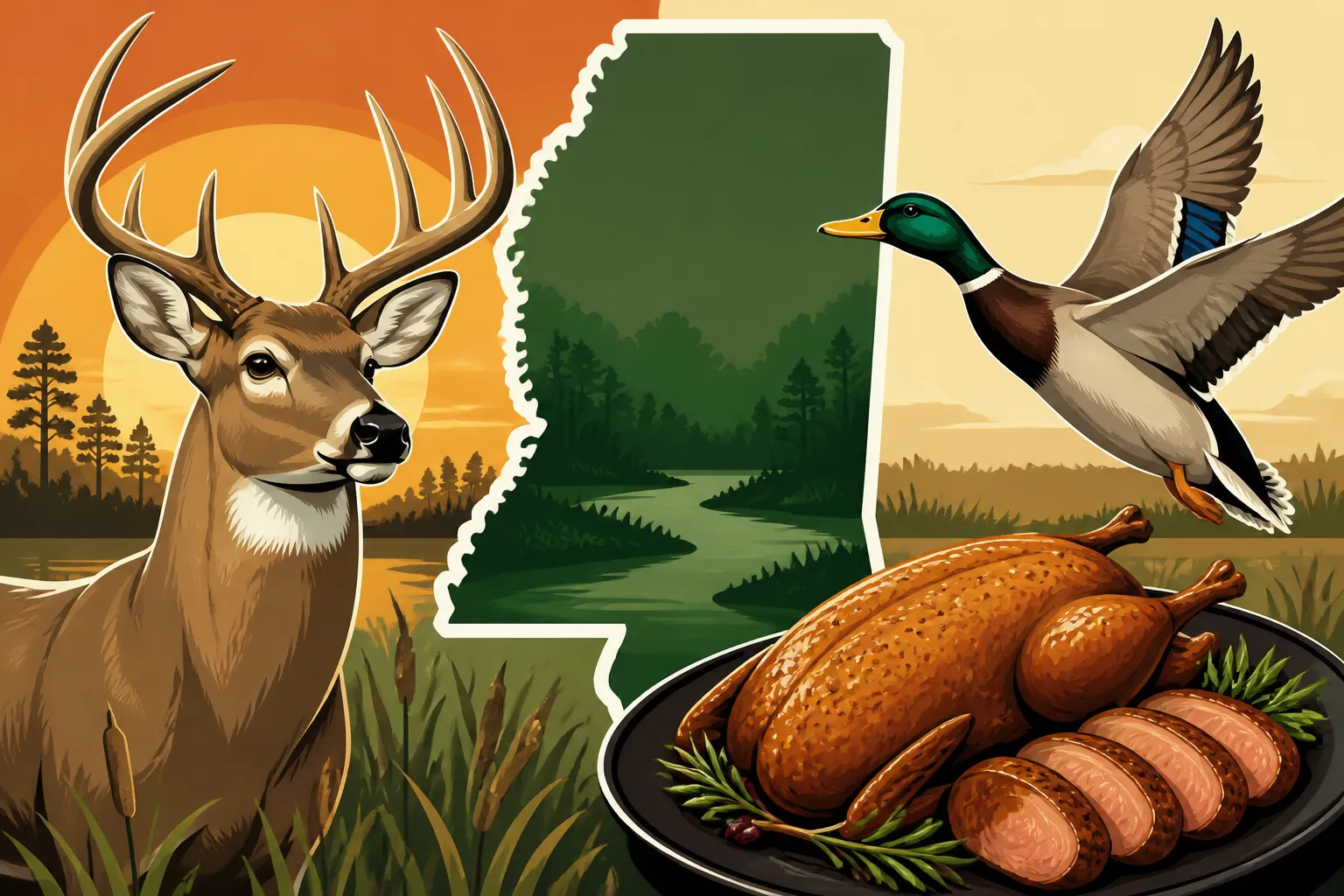
Many hunters in Mississippi, myself included, often fall into the routine of targeting game for the thrill of the chase, and sometimes, the culinary reward can feel like an afterthought. Or perhaps you're a new hunter, and the thought of processing and cooking wild game feels a bit daunting, leading to questions about which species truly offer the best table fare. This comprehensive guide is here to unravel the delicious potential of Mississippi's diverse game animals, going beyond just the hunt to focus on how to prepare and savor some of the finest wild meat our state has to offer. We'll dive into the best-eating game species, debunking myths and sharing tips to ensure your harvest ends up as a delectable meal for your family and friends.
The Kings of the Forest: Deer and Turkey
When you think of hunting in Mississippi, deer and turkey are often the first animals that come to mind. And for good reason – they offer exciting hunts and provide some of the most sought-after wild game meat. Their versatility in the kitchen makes them staples for many a Southern dinner table.
White-Tailed Deer: A Versatile Protein
Mississippi's white-tailed deer population is robust, offering fantastic hunting opportunities across the state. From the fertile Delta to the rolling Hills, these animals are a primary target for many. But beyond the trophy rack, it's the venison that truly shines. Many folks might think venison is inherently "gamey," but often, that strong flavor is a result of improper field care or cooking. When harvested cleanly and processed quickly, venison is incredibly lean, nutritious, and boasts a rich, earthy flavor that's distinctly different from beef.
The cuts from a white-tailed deer are remarkably versatile. The backstraps (loins) and tenderloins are the crown jewels, often reserved for quick searing, grilling, or pan-frying. They are incredibly tender and take well to simple seasonings or a light marinade. Roasts from the hindquarters are perfect for slow cooking, braising, or stewing, breaking down to fork-tender perfection. Even the less celebrated cuts, once trimmed properly, can be ground for venison burgers, chili, or sausage, blending beautifully with a bit of pork fat for added moisture. The key is to understand that venison is very lean, so overcooking it or cooking it without added fat can lead to dryness.
Wild Turkey: More Than Just the Breast
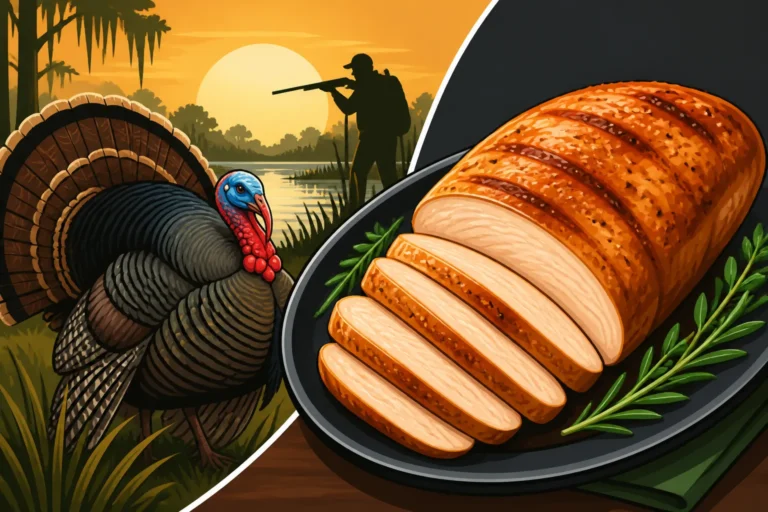
Spring in Mississippi brings with it the electrifying sound of a gobbler, and for many, Spring Turkey Hunting in Mississippi is an annual pilgrimage. While the challenge of calling in a wary tom is its own reward, the wild turkey itself offers some exquisite meat. Unlike domestic turkeys, wild turkey meat is leaner, darker, and boasts a richer, more intense flavor.
The breast meat, of course, is the most prized cut. It's fantastic fried, grilled, or even cut into strips for stir-fries. Many hunters rave about wild turkey nuggets, lightly breaded and fried to a golden crisp. But don't overlook the legs and thighs! While they can be tougher and stringier than the breast due to the turkey's active lifestyle, they are packed with flavor. These darker meats are ideal for slow-cooking applications like braising, confit, or grinding for sausage or hearty stews. A common mistake is trying to cook the legs and breasts the same way; treating the legs like a chicken thigh, with a long, slow cook, will yield incredibly tender and flavorful results. Cooking a Wild Turkey Breast is relatively straightforward, but mastering the tougher cuts can really expand your wild game culinary repertoire.
Overlooked Delights: Feral Hogs and Small Game
While deer and turkey dominate the big game scene, some of Mississippi's other game animals offer equally, if not more, delicious culinary experiences, often surprising those who haven't given them a chance. These can be fantastic additions to your freezer and your dinner plate.
Feral Hogs: The Underrated Table Fare
Feral hogs are a pervasive issue across Mississippi, and Hunting Mississippi's Year-Round Feral Hogs is encouraged. While they can be destructive, they also provide an abundant source of fantastic protein. The misconception that all wild hog meat is tough and extremely "gamey" often stems from harvesting older, larger boars or improper handling. In truth, a young sow or boar, especially one taken cleanly and processed quickly, yields some of the most succulent and flavorful pork you'll ever taste.
Think of it as the original, organic, free-range pork. Their varied diet, from acorns in the woods to crops in agricultural fields, gives their meat a unique depth of flavor. Cuts from younger hogs are excellent roasted, grilled, or smoked. Pulled pork from a wild hog shoulder, slow-cooked until it falls apart, is an absolute delight. The ribs are phenomenal slow-smoked or braised. Even older hogs, while potentially tougher, can provide excellent sausage or slow-cooked stew meat. The key is to get them cooled down quickly after the shot, especially in Mississippi's warm climate, and to trim away any fat that looks greasy or smells strong. Handling a Hog After the Shot correctly is paramount to good table fare.
Squirrels and Rabbits: Childhood Favorites
Don't let their size fool you; squirrels and rabbits are incredible eating and hold a special place in the hearts of many Southern hunters. Squirrel and Small Game Hunting in Mississippi is a tradition for generations, and for good reason—it’s both fun and fills the pot. These small game animals are lean, mild, and have a distinct, delicious flavor profile that often surprises those accustomed only to store-bought meats.
Squirrel meat is lean, with a delicate, nutty flavor, especially when they've been feeding heavily on acorns and hickory nuts. It's often compared to chicken, but with a richer, more unique taste. It's fantastic fried to a golden crisp, stewed until fork-tender, or even braised slowly with vegetables. Squirrel Hunting Delta Hickory Groves can yield a bounty for the dinner table. Rabbits, particularly the cottontails common in Mississippi, also offer a mild, lean, white meat that's incredibly versatile. Many describe it as being similar to chicken or veal, with a slightly sweeter note. Fried rabbit is a classic, but it also excels in stews, gumbos, or baked dishes. Both squirrel and rabbit benefit from slow cooking methods or a good marinade to ensure tenderness and prevent drying out, given their lean nature.
The Wetlands' Bounty: Waterfowl
For those who brave the chilly mornings and muddy boots of winter, Mississippi's waterfowl hunting offers not only thrilling action but also some incredibly flavorful game birds. Ducks and geese, when handled correctly, are gourmet delights that taste nothing like their domestic counterparts. Waterfowl Hunting the Mississippi Delta is a truly unique experience.
Diving into Duck Delicacies
Mississippi sits squarely in the Mississippi Flyway, drawing a huge variety of ducks each season. While some ducks have a stronger flavor than others, they all offer a rich, dark meat experience. Mallards and wood ducks are often hailed as some of the best-eating ducks. Mallards offer a robust, meaty flavor, while wood ducks are known for their milder, more delicate taste. The key to delicious duck is proper field care and not overcooking the breast meat.
Duck breasts are best cooked medium-rare, seared quickly in a hot pan to crisp the skin, leaving the interior a beautiful rosy pink. Overcook them, and they can become tough and liver-like. The legs and thighs, like turkey, are better suited for slow-cooking methods. Confit, where the legs are slowly cooked in their own fat until tender, is a classic preparation that transforms these tougher cuts into a melt-in-your-mouth delicacy. Before heading out to hunt, checking GoHunt's extensive mapping features can help you scout prime duck habitat, which often means healthier, better-fed birds. For those targeting specific species, GoHunt's data can assist in finding optimal locations.
Goose Meat: A Richer Experience
While not as common on the table as duck for many hunters, geese—especially the smaller, more numerous specklebellies (white-fronted geese)—offer fantastic eating. Their meat is darker and richer than duck, with a less "livery" flavor than some might expect. It’s dense and full-bodied, making it an excellent candidate for a variety of preparations.
Goose breasts, much like duck, are fantastic seared or grilled to a medium-rare. Slicing them thin against the grain is crucial for tenderness. Many hunters also grind goose meat, often mixing it with some pork fat, for incredibly flavorful sausage or meatballs. The legs and thighs, again, benefit from slow cooking. Braising them until the meat falls off the bone, perhaps in a rich stock with root vegetables, creates a hearty, satisfying meal. For hunters looking to scout out prime goose fields or flooded timber, GoHunt resources can be incredibly helpful for identifying potential areas where these birds congregate.
Field-to-Fork: Enhancing Your Wild Game Flavor
No matter how inherently delicious a species is, the final flavor on your plate depends heavily on what happens from the moment of harvest to the final cooking. Proper care and thoughtful preparation are the true secrets to unlocking the best-eating game in Mississippi.
Proper Handling is Key
The moment an animal is harvested, the clock starts ticking. Rapid cooling is perhaps the single most important factor in preventing "gamey" flavors and ensuring tender meat. This is especially true in Mississippi's warmer climates. Getting the animal field-dressed immediately, removing the entrails to allow the carcass to cool internally, is critical. For larger game like deer and hogs, skinning and quartering as soon as possible, then placing the meat on ice in coolers, will make a world of difference. Even for small game like squirrels and rabbits, getting them cleaned and cooled quickly is essential.
Bloodshot meat, or meat that has been damaged by the shot, should be trimmed away aggressively. This meat can impart an off-flavor and tough texture. For waterfowl, plucking instead of skinning, and then letting the birds "age" on ice for a few days can significantly improve flavor and tenderness. Many seasoned hunters even use GoHunt as part of their post-harvest strategy, reviewing maps to identify the quickest routes back to their processing stations, especially on large public tracts like those found on Mississippi Wildlife Management Areas.
Matching Method to Meat
Understanding the characteristics of each game meat allows you to choose the best cooking method. As mentioned, lean meats like venison, turkey breast, squirrel, and rabbit are prone to drying out. They benefit from quick, high-heat cooking to medium-rare (for venison and duck breasts) or slow, moist cooking (for tougher cuts, squirrel, and rabbit). Adding fat, either by wrapping in bacon, barding with pork fat, or incorporating it when grinding, can also prevent dryness.
Marinades, brining, and rubs can also enhance flavor and tenderness. For venison, a marinade with acidic components can help break down tougher fibers and infuse flavor. Brining waterfowl can help keep the breasts moist and add flavor. Don't be afraid to experiment with different spices and herbs that complement the natural flavors of the wild game. From a simple pan-fry to a complex stew, there's a delicious way to prepare every animal you harvest. For specific cooking ideas tailored to different cuts, a quick search on GoHunt's companion recipe sections can yield fantastic results, offering ideas that honor the animal and your efforts.
Here's a quick reference table for some popular Mississippi game:
| Game Species | Flavor Profile | Texture (Cooked) | Best Cooking Methods | Common Cuts/Uses |
|---|---|---|---|---|
| White-tailed Deer | Lean, earthy, slightly gamey (depends on age/diet) | Tender to firm, fine-grained | Roasting, Grilling, Stewing, Ground | Backstraps, Tenderloins, Roasts, Ground |
| Wild Turkey | Mild, slightly sweet, poultry-like | Tender, lean (breast); rich (legs) | Roasting, Frying, Smoking, Braising | Breast, Thighs, Ground |
| Feral Hog (Young) | Rich, savory, pork-like | Tender, medium-grained | Roasting, Braising, Smoking, Grilling, Ground | Hams, Shoulders, Ribs, Loins |
| Mallard Duck | Rich, deep, slightly livery | Firm, dark meat | Searing, Roasting (medium-rare), Smoking | Breast, Legs, Confit |
| Wood Duck | Mild, delicate, less gamey than other ducks | Tender, dark meat | Searing, Grilling, Pan-frying (medium-rare) | Breast, Legs |
| Eastern Gray Squirrel | Nutty, lean, mild | Fine-grained, firm | Stewing, Frying, Braising, Grilling | Whole (quartered) |
| Cottontail Rabbit | Mild, lean, chicken-like | Tender, fine-grained | Frying, Stewing, Braising, Roasting | Whole (quartered) |
| Specklebelly Goose | Rich, savory, less livery than some ducks | Firm, dark meat | Roasting, Smoking, Grilling, Stewing (sliced thin) | Breast, Legs, Ground |
Disclaimer
This article is for general informational purposes only and does not constitute professional advice. Laws, prices and regulations vary by location and change over time. Consult a qualified professional for guidance on your specific situation.