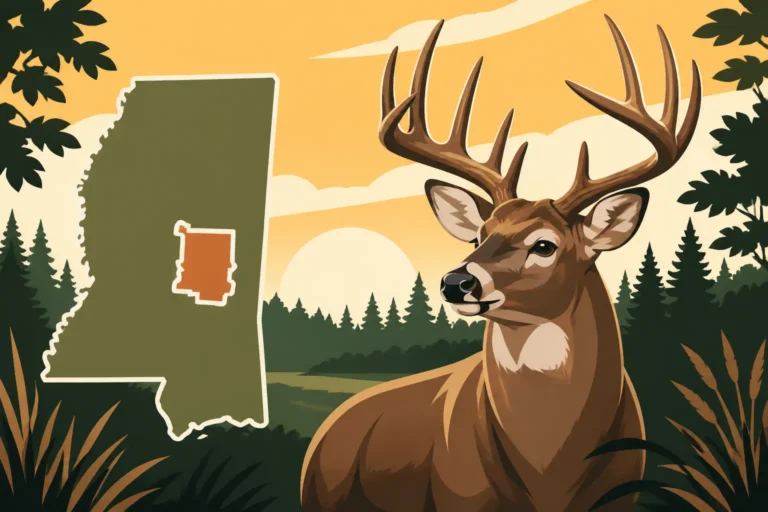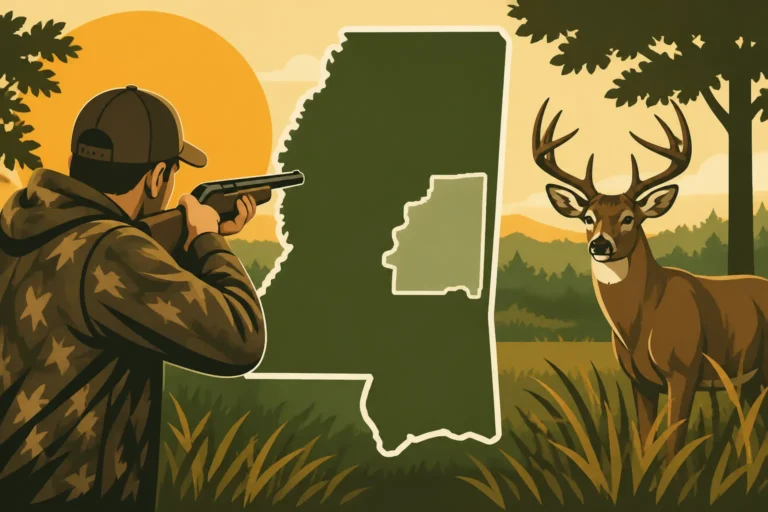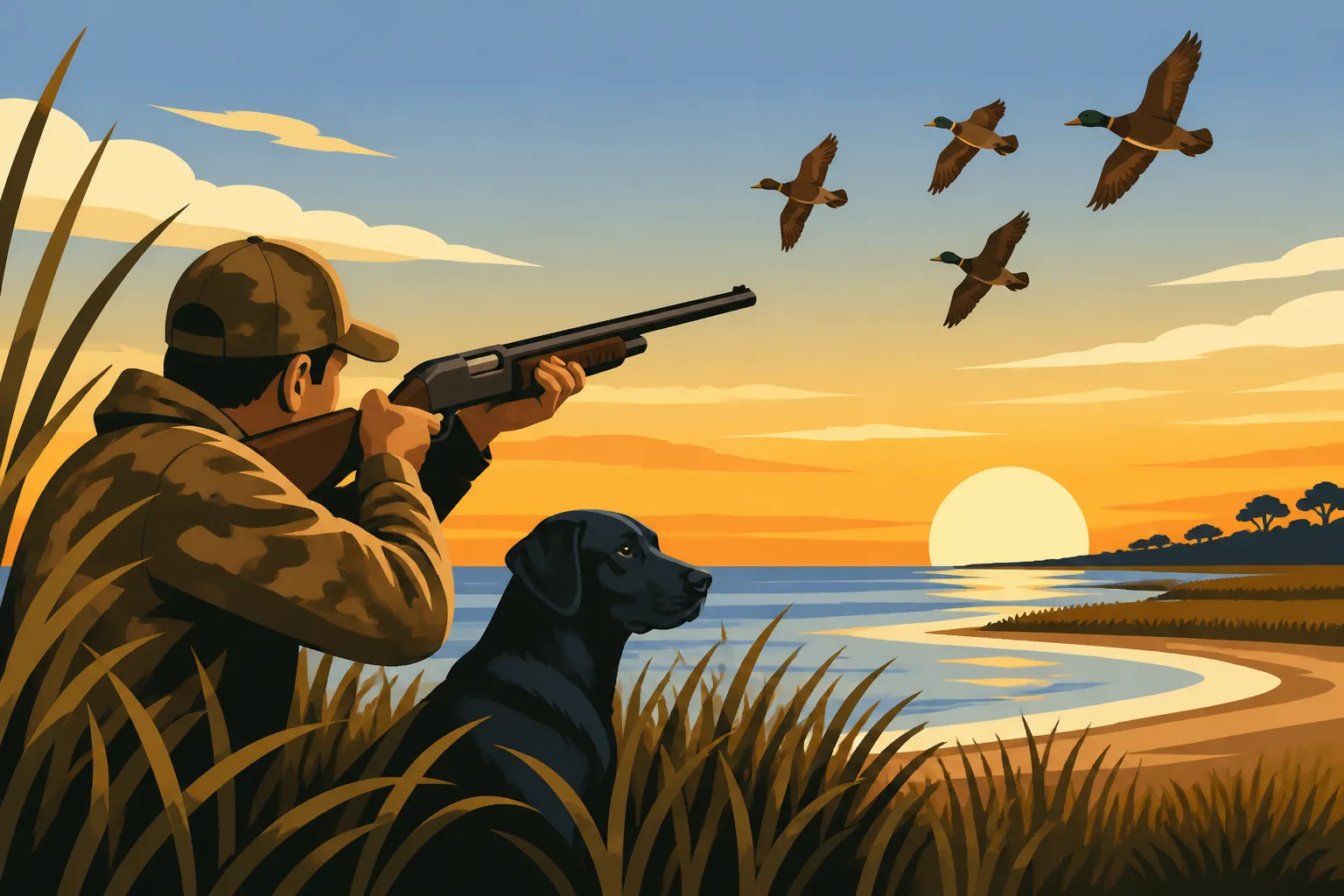
Hunting the Mississippi Gulf Coast
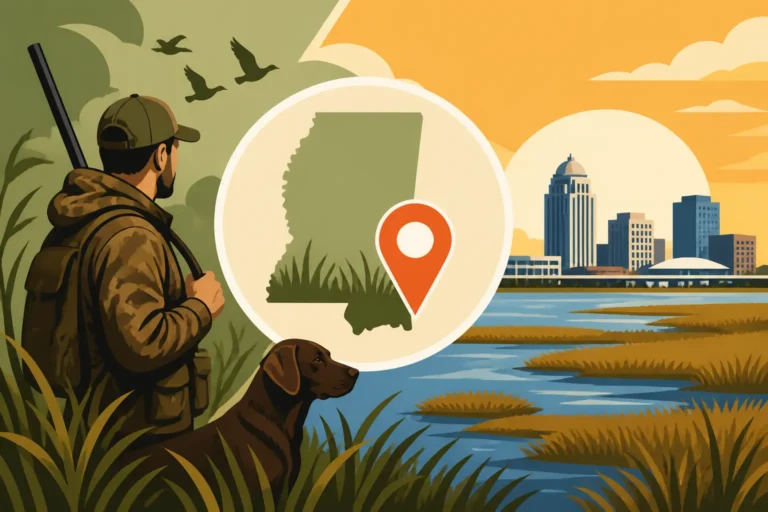
Hunting the Mississippi Gulf Coast presents a whole different set of challenges and rewards compared to chasing deer in the Delta or turkeys in the Hills. Many hunters get overwhelmed by the thick, marshy terrain, the constant battle with insects, and the unique tidal influences that dictate game movement. But don't let that deter you! This guide is going to break down everything you need to know to confidently tackle the Coast, from understanding its distinctive habitats and target species to navigating public lands and preparing with the right gear.
Understanding the Unique Coastal Habitat
The Mississippi Gulf Coast isn't just one type of landscape; it's a dynamic mosaic of environments influenced by freshwater rivers flowing into the brackish estuaries and eventually the vast saltwater expanse of the Gulf. This constant interplay creates a rich, diverse, and often challenging hunting ground that demands a different approach than inland areas.
Coastal Marshes and Estuaries
When you picture the Gulf Coast, you probably envision expansive marshlands, and you wouldn't be wrong. These low-lying, often tidal areas are dominated by saltmarsh grasses and reeds, crisscrossed by bayous, sloughs, and tidal creeks. The water levels here can fluctuate dramatically, driven by both rainfall and the daily tides, which profoundly impacts where game animals feed, bed, and travel. Hunting these areas means dealing with wet conditions, thick cover that can be difficult to penetrate, and navigating by boat or even wading through knee-deep (or deeper!) mud and water. It's a world where you need to pay close attention to the tide charts, and where a minor miscalculation can leave your boat high and dry or stranded in rising water.
Despite the challenges, these marshes are incredibly productive. They serve as critical wintering grounds for a wide array of waterfowl, making them prime duck hunting territory. The dense vegetation also offers excellent cover for feral hogs, which thrive in the marshy conditions, as well as providing sanctuary for deer that learn to use the islands and higher ground within the marsh. Expect to put in some serious legwork or rely heavily on shallow-draft boats to reach the most productive spots.
Pine Flatwoods and Coastal Plains
Just a stone's throw inland from the marshes, the landscape transitions into what many call the Piney Woods, characterized by vast expanses of longleaf and slash pine forests. These areas, particularly within places like DeSoto National Forest, often feature a sandy soil base, gentle rolling terrain, and an understory that can vary from open, park-like conditions maintained by prescribed burns to thick palmetto and gallberry thickets. It's a distinctly different feel from the bottomland hardwoods of the Delta or the dense canopy of the Hills.
Here, you'll find classic Piney Woods hunting opportunities. Deer still thrive, though their habits might differ slightly from their northern cousins, often utilizing the edges of clear-cuts, creek bottoms, and areas with diverse understory. Wild turkeys also inhabit these pine forests, often frequenting areas that have been recently burned, which promotes the growth of new forage and eases travel. Small game like squirrels and rabbits are abundant, especially in areas with a mix of hardwoods along drainages. Understanding the role of fire in these ecosystems is key to finding where game concentrates. Many hunters specifically look for areas that have had recent burns to find good turkey and deer forage. This is very different than traditional hardwoods and requires a slightly different approach. Hunting the Piney Woods Region can give you even more insights into this specific habitat.
Barrier Island Influences
While direct hunting opportunities on Mississippi's barrier islands themselves are extremely limited and often restricted, their presence significantly influences the hunting landscape of the mainland coast. These islands act as a buffer, protecting the mainland marshes and estuaries from the full force of Gulf storms and creating calmer, more productive backwater environments. The calmer waters behind the islands allow for more stable marsh development and offer a safer haven for migratory birds.
However, the barrier islands also present their own set of logistical challenges and ecological considerations. Access to them is usually by boat only, and they are primarily managed for conservation, with strict rules about human impact. While you might not be hunting on them, their ecological role directly affects the species you're pursuing on the mainland. For instance, the protection they offer helps create the sheltered marsh habitats that are so attractive to wintering waterfowl, shaping the entire Mississippi Waterfowl Zones and Seasons. Understanding this broader coastal geography helps paint a complete picture of why the hunting is the way it is on the Mississippi Gulf Coast.
Key Game Species of the Gulf Coast
The Mississippi Gulf Coast offers a diverse array of game, reflecting its unique blend of ecosystems. From the elusive whitetail deer to the abundant waterfowl and ever-present feral hog, there's something for every hunter willing to embrace the coastal environment.
Deer Hunting in the Coastal Zone
Deer hunting along the Mississippi Gulf Coast, particularly in counties like Jackson, Harrison, and Hancock, often takes place in habitats that are a mix of pine flatwoods, dense palmetto thickets, and transitional zones bordering tidal marshes. Unlike the expansive agricultural fields of the Delta or the hardwood ridges of the Hills, coastal deer often live in much thicker cover. This means visibility can be severely limited, and tracking a deer after the shot can be an arduous task through dense brush and boggy ground. Hunters here become experts at still-hunting through thickets, finding subtle deer trails, and using elevated stands to gain a vantage point over the dense vegetation.
The deer population thrives in these areas, benefiting from the diverse forage and ample cover. While you might not consistently encounter the same sheer numbers of mature bucks as in some other units, trophy-class deer are certainly present for those who put in the time and effort to learn their patterns in this specific environment. Early season archery hunts can be particularly challenging due to warm weather and heavy insect pressure, but the late season often brings cooler temperatures and more active deer. Focusing on creek bottoms, natural funnels between pine islands, and the edges of managed clear-cuts can increase your odds.
Waterfowl Opportunities
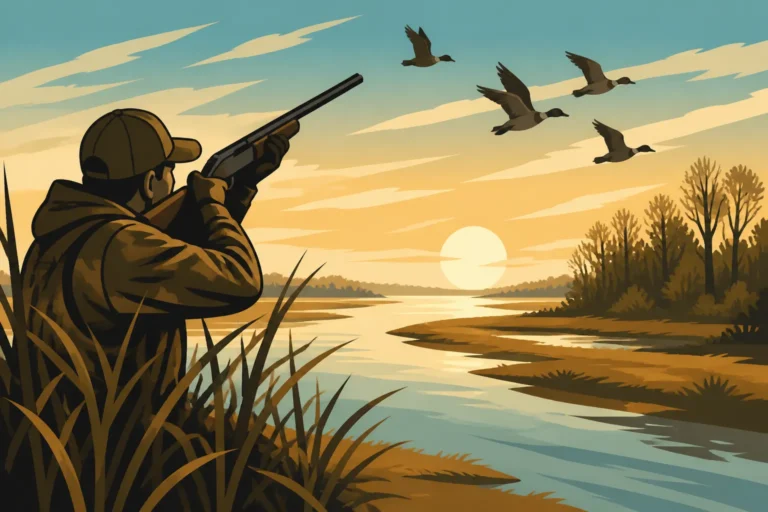
If you're a duck hunter, the Mississippi Gulf Coast is a destination you absolutely need to explore. Situated right on the Mississippi Waterfowl on the Mississippi Flyway, the expansive coastal marshes, bayous, and impoundments provide critical wintering habitat for a myriad of migratory waterfowl. Mallards, gadwall, teal (blue-winged and green-winged), wigeon, and various diving ducks all utilize these rich feeding grounds. The opportunities here are truly world-class for many species.
Hunting waterfowl on the Coast often involves boats, whether it's a small skiff, a mud motor rig, or an airboat, to navigate the shallow, vegetated waters. Setting up can mean deploying dozens of decoys in a marsh opening, brushing in a blind along a slough, or even jump-shooting birds along winding bayous. Success hinges on understanding tidal movements, scouting bird activity, and knowing how to call in birds that have often seen plenty of hunting pressure further north. The experience of watching a sunrise over the marsh, surrounded by the sounds of ducks lifting off the water, is something truly special that the Coast offers in abundance. Remember to check Mississippi Waterfowl Zones and Seasons for specific dates and bag limits.
Small Game and Furbearers
Beyond deer and ducks, the Mississippi Gulf Coast provides excellent opportunities for small game and furbearers. Squirrel hunting is popular in the pine flatwoods and bottomland hardwoods along river systems, especially where oaks and other mast-producing trees are present. Early morning hunts in the fall can yield a bountiful harvest, often requiring keen eyes and patience. Rabbit hunting, particularly with beagles, is a long-standing tradition in the dense brush and fencerows bordering fields.
Feral hogs are another ever-present species, particularly in the marshy areas and pine savannas. They are considered an invasive nuisance species and can be hunted year-round on private land without bag limits, offering an exciting and challenging pursuit. Whether you're stalking them on foot, setting up for a thermal night hunt, or running dogs, these intelligent and destructive animals provide thrilling action. Feral Hogs Across Mississippi offers more context on their presence. Coyotes and bobcats are also present, often targeted by predator callers looking for a challenge or to help manage local populations. The diverse habitat supports these various species, making the Coast a year-round destination for different types of hunting. Mississippi Small Game Season Rules will provide the specifics for these pursuits.
Public Land Hunting Opportunities
Finding quality public hunting land on the Mississippi Gulf Coast is absolutely possible, but it requires a bit of research and a willingness to explore some truly wild places. Unlike some other parts of the state that might be dominated by private timberland or agriculture, the coastal region benefits from large federal and state holdings.
Pascagoula River Wildlife Management Area
The Pascagoula River Wildlife Management Area (WMA) is a jewel of the Mississippi Coast, encompassing vast tracts of bottomland hardwoods, cypress-tupelo swamps, and marshland along the Pascagoula River. This WMA is known for its incredibly diverse wildlife and offers some of the most unique hunting experiences in the state. Deer, turkey, waterfowl, and hogs are all found here in good numbers, but be prepared for a truly wild hunt. Access can be challenging, often requiring a boat to navigate the intricate network of sloughs, bayous, and the main river channel.
Hunting here means embracing the swamp. Water levels are constantly fluctuating, and navigating the dense timber and flooded areas requires intimate knowledge of the area or good mapping tools. Hunters often use small boats or canoes to reach interior spots, and treestands must be adapted for flooded timber. The reward for this effort is a genuinely immersive wilderness experience, and the chance to harvest quality game that sees less pressure than more accessible areas. For more details on this particular area, check out Pascagoula River Wildlife Management Area.
DeSoto National Forest Access
Stretching across several counties in South Mississippi, including some coastal ones, DeSoto National Forest provides hundreds of thousands of acres of public hunting land. While not directly on the immediate coastline, portions of DeSoto National Forest offer expansive pine flatwoods and mixed pine-hardwood forests that are very much part of the coastal ecosystem's broader definition. Here, you'll find traditional still-hunting and stand-hunting opportunities for deer, turkey, and small game.
DeSoto National Forest is characterized by its longleaf pine savannas, often managed with prescribed burns, which create excellent habitat. Access is generally easier than in the deep marshes, with numerous forest roads and trails, though many areas still require considerable walking to get away from road noise and pressure. It's an excellent option for those looking for a more traditional forest hunt, but with the added flavor of the coastal pine woods. Remember to always consult the specific regulations for the National Forest, as they can sometimes differ from general statewide rules. DeSoto National Forest Hunting goes into more detail on how to approach these vast woodlands.
Coastal Preserves and Designated Areas
Beyond the major WMAs and National Forests, the Mississippi Gulf Coast also features various state coastal preserves and other designated areas. While not all of these allow hunting, some may have specific seasons or limited access opportunities for certain species, often waterfowl or sometimes even deer through special draws. These areas are typically managed by the Mississippi Department of Marine Resources (MDMR) or the MDWFP, and their rules can be quite specific to protect sensitive ecosystems.
It is absolutely crucial to check the most current regulations for any coastal preserve or designated area before planning a hunt. Don't assume general statewide rules apply. These areas are often small, fragmented, and may have very strict rules regarding access, discharge of firearms, and species harvested. Using a mapping application like onX Hunt can be invaluable here, as it often shows land ownership boundaries and may highlight public access points or special regulations zones. Always verify with official MDWFP and MDMR publications.
Navigating Regulations and Specifics
Hunting the Mississippi Gulf Coast comes with its own unique set of regulations and considerations. Due to the proximity to water, fluctuating land boundaries, and often multi-jurisdictional management, it's vital to be extra diligent in understanding the rules before heading out.
Special Coastal Hunting Seasons
While many of the statewide seasons apply to the Gulf Coast, specific zones or areas, especially those managed by MDWFP as WMAs or by other agencies, might have tailored season dates or bag limits. Waterfowl hunting, for instance, is often divided into Northern and Southern zones, and the coastal region falls within the Southern Zone, which can have different split seasons compared to the Northern Zone further inland. Similarly, some special draws or quota hunts for deer or turkey might exist on specific coastal public lands, with unique application periods and hunt dates.
It’s not just about the species you’re after; it's also about where you're hunting them. A WMA like Pascagoula River will have its own set of rules, which often differ from hunting private land in the same county, or even from the regulations for the nearby DeSoto National Forest. Always cross-reference the statewide hunting guide with the specific WMA or National Forest regulations. This diligence prevents accidental violations and ensures a legal and enjoyable hunt. Pay close attention to the Mississippi Deer Season Structure Explained and Mississippi Spring Turkey Season Rules to ensure you're in the right place at the right time.
Watercraft and Access Regulations
Given the prevalence of marsh, bayou, and river hunting on the Coast, watercraft regulations are paramount. Most hunters rely on boats to access prime locations, especially for waterfowl and hog hunting. This means understanding boating safety rules, registration requirements for your vessel, and knowing local restrictions on boat size, motor type (e.g., mud motors vs. outboards), and speed limits in certain sensitive areas. Some wildlife management areas might restrict particular types of watercraft or only allow non-motorized access in certain zones.
Access is another critical point. While public lands like the Pascagoula WMA offer designated boat launches, finding legal access points to other coastal marshes can sometimes be tricky. Always be mindful of private property lines and riparian rights. Mississippi Trespass and Permission Law states that you generally need permission to access private land, even if it's flooded. Utilize detailed mapping apps to identify public access points and land ownership. Launching from private property without permission, even if you intend to hunt public water, can lead to serious legal issues.
Safety Considerations for Coastal Hunts
Safety on the Mississippi Gulf Coast is multifaceted. First and foremost, water safety is a huge concern. Wear your life jacket, especially if hunting alone or in adverse conditions. Understand weather patterns; sudden squalls and thunderstorms can whip up quickly, making small craft navigation dangerous. Be aware of tidal changes, which can strand boats or make return trips difficult.
Beyond water, the terrain itself poses risks. Alligators are abundant in coastal marshes and rivers, so exercise caution when retrieving game, especially in thick vegetation or murky water. Snakes, including venomous cottonmouths, are also common. Always watch your step and wear appropriate snake-proof boots or gaiters. The dense, thick cover can also disorient hunters, making GPS units and reliable mapping tools essential. Carrying a fully charged phone, a handheld GPS, and telling someone your exact hunt plan and expected return time are not just good ideas—they're crucial for safety in these remote, wild environments.
Essential Gear for Coastal Hunting
Hunting the Mississippi Gulf Coast isn't your average walk in the woods. The unique combination of water, dense vegetation, and often warm, humid conditions demands a specific gear list to keep you safe, comfortable, and successful. Skimping on the right equipment here can quickly turn a memorable hunt into a miserable ordeal.
Waders, Boats, and Waterproofing
When hunting coastal marshes and flooded timber, you're going to get wet. It's not a question of if, but how much. Good quality waders are non-negotiable for waterfowl and often for still-hunting deer and hogs in boggy areas. Chest waders, preferably breathable ones for comfort in warmer weather, will be your best friend. Look for durable, puncture-resistant materials, as you'll be pushing through thorns, sharp reeds, and submerged obstacles. Neoprene models offer more warmth for cold duck seasons, but for early season or scouting, breathable options are superior.
Access to many prime coastal hunting spots requires a boat. A small, shallow-draft boat like a jon boat with a mud motor or even a kayak or canoe can open up incredible opportunities. Airboats are common for commercial duck guides due to their ability to traverse extremely shallow, vegetated areas, but are generally out of reach for the average hunter. Whatever your choice, ensure it's reliable, properly maintained, and equipped with all necessary safety gear. Furthermore, invest in waterproof bags, cases, and pouches for everything from your phone and keys to extra layers and ammunition. A dry change of clothes tucked away in a waterproof dry bag is a luxury you'll be thankful for after a long day in the marsh.
Insect Repellent and Snake Protection
I cannot stress this enough: the insects on the Mississippi Gulf Coast can be absolutely relentless. Mosquitoes, gnats, and horseflies are not just annoying; they can make a hunt unbearable and even dangerous due to potential disease transmission. A heavy-duty insect repellent containing a high percentage of DEET is a must-have, and you might consider a Thermacell or similar personal insect repeller, especially for static stand hunts. Don't forget bug nets for your head, particularly during warmer early season hunts or when scouting.
Snake protection is equally important. The coastal environment is prime habitat for venomous snakes, particularly cottonmouths (water moccasins) that are adept at hiding in dense vegetation and aquatic environments. High-quality snake boots or snake gaiters are essential for any walk through thick cover, whether you're deer hunting in the pine flatwoods or slogging through the marsh. These provide a crucial layer of defense against accidental encounters. A small, portable first aid kit with supplies for snake bites (though seeking immediate medical attention is always the priority) and insect stings is also a smart addition to your pack.
GPS and Mapping Tools
Navigating the labyrinthine marshes, vast pine forests, and intricate river systems of the Mississippi Gulf Coast without reliable navigation can quickly lead to being lost, disoriented, or even stranded. A good GPS unit, whether a handheld device or a robust smartphone app, is absolutely critical. These tools allow you to mark your truck, boat launch, stand locations, and game trails, ensuring you can find your way in and out, even in low light or dense fog.
Mapping applications like onX Hunt or GoHunt are incredibly powerful for coastal hunting. They offer detailed satellite imagery, topographic maps, and crucially, land ownership overlays that clearly show public vs. private boundaries. This is invaluable in areas where land status can change quickly, or where access to public water might require crossing private land. You can scout from home, identify potential funnels, high ground in marshes, and pinch points in the piney woods. Critically, these apps often work offline, which is essential given the spotty cell service in many remote coastal areas. Always download your maps before you leave home and carry a portable power bank to keep your devices charged. Reliable mapping can mean the difference between a successful hunt and a frustrating, lost experience.
Hunting Strategies for the Coastal Environment
Hunting the Mississippi Gulf Coast demands a tactical shift from traditional inland approaches. The unique blend of habitats, tidal influences, and constant pressure from the elements requires adaptability, patience, and a deep understanding of how game uses this dynamic landscape.
Scouting Coastal Areas
Scouting is always important, but on the Coast, it takes on an even more critical role. The constant changes in water levels, vegetation growth, and even subtle shifts in sandbars and slough channels mean that what was a great spot last year might be inaccessible or less productive this year. For marsh hunting, pay close attention to high ground, even small humps or cypress knees, where deer and hogs might seek refuge from rising water or simply bed in dry cover. Look for trails that parallel water features, indicating travel corridors. For waterfowl, identify open pockets of water, areas with submerged vegetation, and flight paths between roosting and feeding grounds.
In the pine flatwoods, scouting involves looking for signs of recent prescribed burns, which attract deer and turkeys to new growth. Identify areas with a mix of pine and hardwoods, particularly along creek bottoms or drainages, as these provide diverse food sources and cover. Using aerial imagery on tools like onX Hunt or GoHunt before you even step foot in the woods can save you countless hours. These programs allow you to identify potential travel corridors, pinch points, and cover areas from the comfort of your home, helping you formulate an initial game plan. Don't be afraid to put boots on the ground (or waders in the water) well before the season to understand the current conditions and game movement. Scouting Mississippi Public Land Before Season is an excellent resource for general scouting tips that can be adapted to the coastal zone.
Understanding Tidal Movements and Water Levels
This is perhaps the single most critical factor for successful hunting in the coastal marshes and estuaries. Tidal movements and rainfall-driven water levels dictate everything: where game can feed, where they bed, and how they travel. High tides can flood prime feeding areas, pushing deer and hogs to higher ground, or make low-lying timber inaccessible for waterfowl. Low tides can expose vast mudflats, concentrating feeding birds or creating impassable terrain for boats.
For waterfowl, knowing when the tide will bring water into shallow feeding areas, or when it will drain them, is crucial for timing your hunt. For deer and hogs, understanding that they will often move to and from small islands or higher ridges as water levels fluctuate can give you a significant advantage. Plan your access and egress around these cycles; getting stuck miles from the boat launch on a falling tide is a frustrating (and potentially dangerous) lesson learned the hard way. Always carry a tide chart or use a reliable weather app that includes tidal predictions for your specific hunting area.
Adapting to Coastal Weather
The weather on the Mississippi Gulf Coast is notoriously fickle. It can change from clear and calm to stormy and windy in a matter of hours. Warm, humid conditions are common, even well into the fall, meaning insect pressure can remain high. Cold fronts, when they do push through, can drastically improve hunting conditions by spurring game movement and bringing in new flights of migratory birds. However, these fronts can also bring high winds and choppy water, making open-water travel hazardous.
Hunters need to be prepared for anything. Layering your clothing is essential, allowing you to adapt to temperature swings throughout the day. Always carry rain gear, even if the forecast looks clear. Sun protection—hats, sunglasses, and sunscreen—is vital, especially when exposed on the water. And critically, always check the marine forecast in addition to the general weather forecast, as conditions on the water can be dramatically different and more dangerous than on land. Being prepared for the elements not only makes your hunt more comfortable but can also be a matter of safety, allowing you to hunt effectively regardless of what the Mississippi weather throws your way.
| Essential Coastal Gear Category | Key Items & Considerations | Why It's Critical on the Coast |
|---|---|---|
| Waterproof Apparel | Breathable Chest Waders, Waterproof Jacket/Pants | Constant exposure to water, mud, rain; staying dry is key to comfort & safety. |
| Footwear | Snake Boots (or Gaiters over Waders) | Protection from venomous snakes (cottonmouths), dense vegetation, and mud. |
| Navigation & Communication | GPS Unit (Handheld or App), Satellite Maps, Power Bank, Whistle, Fully Charged Phone | Complex, disorienting terrain; often no cell service; tidal changes; safety. |
| Watercraft & Accessories | Shallow-Draft Boat (Jon, Kayak, Canoe), Mud Motor, Life Jackets, Paddle, Anchor | Access to remote marsh areas; essential for waterfowl; navigating sloughs. |
| Insect Protection | High-DEET Repellent, Thermacell, Head Net | Relentless mosquitoes, gnats, horseflies can make hunts unbearable & unhealthy. |
| Safety & Survival | First Aid Kit, Emergency Blanket, Headlamp, Knife, Fire Starter, Water/Filter | Remote areas, potential for injury, getting lost; self-sufficiency is vital. |
| Optics | Binoculars (Waterproof), Spotting Scope (for ducks) | Scouting open marshes, identifying distant game; often long-range visibility. |
| Weapon Protection | Waterproof Gun Case / Sleeve | Preventing corrosion and malfunction from salt spray, mud, and rain. |
Disclaimer
This article is for general informational purposes only and does not constitute professional advice. Laws, prices and regulations vary by location and change over time. Consult a qualified professional for guidance on your specific situation.