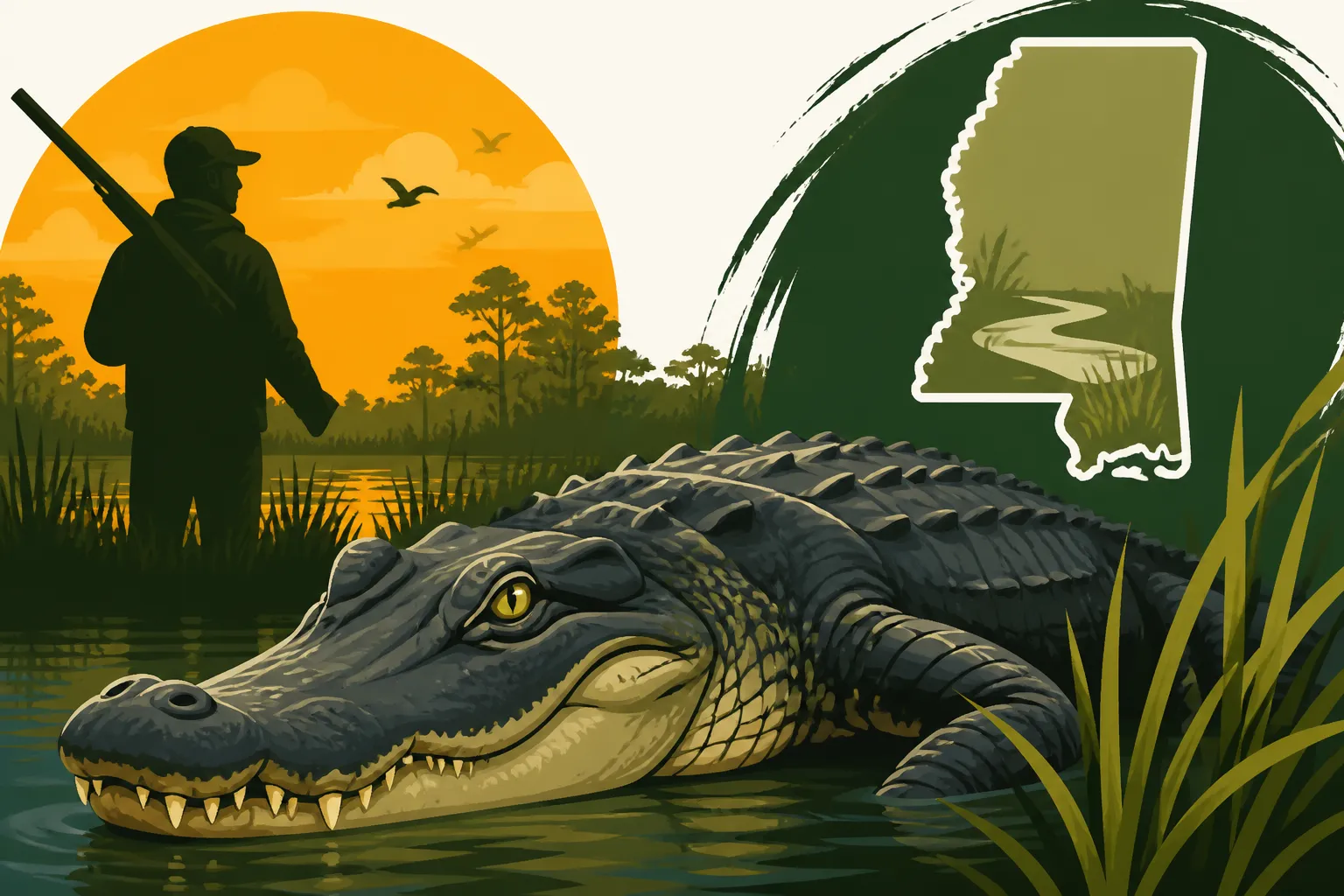
Mississippi Alligator Population
Living in Mississippi, you've likely seen them lurking in murky water or sunning on a bank – the American alligator. These incredible reptiles are a quintessential part of our state's wild heritage, but it wasn't always that way. Many folks remember a time when seeing an alligator was a rare event, a real cause for excitement, because their numbers had plummeted. This guide will take a deep dive into the fascinating story of Mississippi's alligator population, exploring their remarkable recovery, where they thrive today, and how we manage these magnificent creatures.
The Resurgence of Mississippi's Alligators
It's easy to take the sight of a healthy alligator for granted now, especially if you spend any time near our waterways. But the story of the American alligator in Mississippi, and indeed across much of the Southeast, is a powerful testament to successful conservation efforts. These aren't just ancient reptiles; they're living symbols of what happens when people rally to protect a species from the brink.
A Troubled Past: Alligators on the Brink
Back in the day, especially through the late 19th and early 20th centuries, alligators faced intense pressure. Unregulated hunting, driven largely by demand for their hides and meat, pushed populations to dangerously low levels. Swamps and bayous that once teemed with them became eerily quiet. Habitat loss also played a significant role, as wetlands were drained for agriculture and development, reducing the very places alligators needed to survive and breed. There was a genuine fear that these prehistoric creatures might disappear from our landscapes forever. It was a classic tale of human impact almost wiping out a species that had roamed these lands for millions of years.
Conservation Success: Bringing Them Back
Thankfully, foresight prevailed. By the 1960s, the plight of the American alligator was recognized, and they were listed as an endangered species. This pivotal moment initiated stringent protections, banning hunting and establishing habitat conservation programs. Mississippi, alongside other southern states, committed to the recovery. Researchers began studying alligator biology, habitat needs, and population dynamics, forming the basis for effective management strategies. Slowly but surely, through decades of dedicated effort and protection, alligator numbers began to climb. It wasn't an overnight fix; it required patience, scientific understanding, and a collective commitment. Today, when you see a big gator silently cruising a backwater, you're witnessing the incredible outcome of one of America's greatest conservation victories.
The Alligator's Role in Mississippi's Ecosystem
Alligators are what we call a "keystone species." This means they play an incredibly vital role in shaping their environment, and their presence impacts many other species. They create "gator holes" during dry spells, which are crucial water sources for fish, turtles, birds, and other wildlife. Their predatory nature helps keep populations of certain animals, like feral hogs, in check, contributing to overall ecosystem balance. When we discuss Mississippi's Recovering Black Bear Population, it's worth noting how top predators contribute to a healthy natural system. Without alligators, our wetland ecosystems would look and function very differently. Their presence is a sign of a healthy, functioning aquatic environment.
Where Mississippi's Alligators Call Home
If you've ever explored Mississippi's diverse landscapes, from the meandering rivers to the coastal marshes, you know we've got plenty of water. And where there's water, there's a good chance you'll find an alligator. These creatures are incredibly adaptable, but they definitely have their preferred hangouts. Understanding these areas can not only help you appreciate their habitat but also know where to be more vigilant.
Prime Alligator Habitats Across the State
Alligators thrive in freshwater and brackish environments. Think slow-moving rivers, swamps, marshes, lakes, and even farm ponds. They love areas with dense vegetation for cover, plenty of sun for basking, and an abundant food supply. In Mississippi, this means vast stretches of the Yazoo-Mississippi Delta, the river systems flowing into the Gulf, and numerous oxbow lakes and bayous. These areas offer the perfect mix of deep water for refuge, shallow areas for hunting, and muddy banks for nesting. You’ll find them tucked away in the deepest parts of a WMA, often far from any human disturbance. If you're using a tool like GoHunt to scout for areas with ideal conditions for specific game, you'll inevitably mark water bodies that are also prime gator territory.
Notable Hotspots: Delta to the Gulf Coast
While alligators can be found pretty much statewide where suitable water exists, certain regions are renowned for their dense populations. The Mississippi Delta, with its network of bayous, oxbows, and flooded timber, is a prime example. Places like the Mahannah Wildlife Management Area, which is known for its duck hunting, also boast a thriving alligator population. Further south, the Pascagoula River Wildlife Management Area offers extensive marsh and swamp habitats, making it another hotspot. And, of course, the coastal marshes and rivers that feed into the Gulf of Mexico are quintessential alligator country. These areas, rich in biodiversity, provide the perfect nursery and hunting grounds for alligators, making them a cornerstone of the local wildlife.
Adaptability: Alligators in Unexpected Places
While they prefer wild, undisturbed wetlands, alligators are surprisingly adaptable. It's not uncommon to hear stories, or even see pictures, of gators turning up in less conventional spots – a golf course pond, a drainage ditch in a suburban area, or even a swimming pool after heavy rains. These occurrences often happen when young gators are dispersing to find new territory, or when larger males are pushed out of prime areas by rivals. Flooding can also displace alligators, pushing them into new, temporary habitats. While these sightings can be startling, they highlight the alligator's resilience and its ability to survive even when its preferred habitat becomes altered. They’re a reminder that wild animals don’t always respect our property lines.
Counting Mississippi's Scaly Residents
Understanding the size and health of the alligator population is crucial for effective management. It's not just about knowing there are "a lot" of them; it's about having solid numbers to inform hunting seasons, conservation efforts, and public safety initiatives. Counting these stealthy reptiles isn't as simple as counting deer in a field, but wildlife biologists have developed clever methods over the years.
Methods of Estimating Alligator Numbers
Biologists primarily rely on nighttime spotlight surveys to estimate alligator populations. This involves traveling waterways after dark and counting the glowing red eyes of alligators. Different sizes of alligators can often be distinguished by the brightness and distance of their eye shine. These surveys are conducted along standardized routes at specific times of the year, providing consistent data that can be compared year after year. Catch-and-release programs, where alligators are captured, measured, tagged, and released, also provide valuable data on growth rates, movement, and survival. This hands-on data collection complements the less invasive spotlight surveys, creating a more complete picture. The data collected helps inform decisions on topics like Mississippi Alligator Nuisance Complaints, ensuring that management actions are backed by science.
Population Trends Over the Decades
Thanks to these consistent survey methods, we have a clear understanding of how Mississippi's alligator population has rebounded. From critically low numbers in the mid-20th century, the population has steadily increased, reaching healthy, sustainable levels. This recovery allowed for the careful reintroduction of regulated hunting seasons in many areas, including Mississippi. The goal isn't to reduce their numbers back to critical levels, but rather to manage the population, provide recreational opportunities, and mitigate potential conflicts with humans, especially in areas where numbers are particularly high. The success story of the alligator is one we can be proud of, demonstrating how effective conservation can turn the tide for even the most imperiled species.
Challenges in Accurate Population Assessment
Despite sophisticated methods, accurately counting alligators isn't without its challenges. Alligators are notoriously elusive, spending much of their time submerged or in dense cover. Factors like water levels, weather conditions, and time of year can affect survey results, as these influence alligator activity and visibility. Young alligators, in particular, can be difficult to spot and count. Furthermore, the vast and often inaccessible nature of their habitats makes comprehensive surveys difficult and expensive. Biologists continually refine their techniques and use statistical models to account for these variables, striving for the most accurate estimates possible. Utilizing tools found on platforms like GoHunt can sometimes help pinpoint remote water bodies that might hold significant, yet uncounted, populations.
| Habitat Type | Preferred Water Type | Vegetation Cover | Food Sources | Population Density |
|---|---|---|---|---|
| Delta Swamps | Freshwater (slow moving) | Heavy (cypress, tupelo) | Fish, small mammals, birds | High |
| Coastal Marshes | Brackish (tidal influence) | Spartina, rushes | Crabs, fish, waterfowl | High |
| Oxbow Lakes | Freshwater (still) | Lily pads, submerged grass | Fish, turtles, frogs | Moderate to High |
| River Systems | Freshwater (slow to moderate) | Bank vegetation, snags | Fish, raccoons, opossums | Moderate |
| Farm Ponds | Freshwater (still) | Edge growth, pond weeds | Frogs, small fish, pets | Low to Moderate |
Alligator Management and Controlled Hunting
With the alligator population now robust, management strategies have shifted from pure protection to sustainable utilization and conflict resolution. This means maintaining healthy populations while also providing opportunities for hunting and addressing situations where alligators become a nuisance. It's a delicate balance that requires careful planning and monitoring.
The Science Behind Alligator Harvest Management
Mississippi's alligator management program is built on scientific data and principles. Each year, wildlife biologists assess population trends, growth rates, and harvest impacts to determine the number of permits and the specific areas where hunting can occur. The goal is to allow a sustainable harvest that doesn't negatively impact the long-term health of the alligator population. This often involves targeting a certain percentage of larger, mature alligators, which helps manage population density and age structure. This is similar to how the state manages deer populations, with bag limits and unit-specific rules as outlined in Mississippi Deer Season Structure Explained. It's about taking a careful, measured approach rather than a free-for-all.
Mississippi's Limited Public Alligator Hunt
For many outdoor enthusiasts, participating in Mississippi's public alligator hunt is a truly unique and exciting experience. These hunts are highly regulated and typically require hunters to apply for a limited number of permits through a lottery system. If you're fortunate enough to draw a tag, it's an adventure unlike any other, often involving night hunting from boats, grappling with powerful animals, and working closely with experienced guides or friends. The hunt is a testament to the alligator's recovery and offers a unique opportunity to interact with these magnificent creatures in a managed setting. Information on dates, zones, and application procedures can be found on the MDWFP website. It’s definitely an experience for those who like a challenge beyond just Muzzleloader Deer Hunting in Mississippi.
Private Land Alligator Control Programs
Beyond the public draw hunts, Mississippi also has provisions for private landowners to manage alligator populations, especially when they become a nuisance or pose a threat to livestock or pets. These programs often involve special permits that allow landowners or their agents to remove problem alligators. This aspect of management is critical for fostering coexistence between humans and alligators, ensuring that landowners have options when a gator becomes a persistent problem. It helps prevent conflicts from escalating and maintains public support for alligator conservation by addressing legitimate concerns.
Living Alongside Mississippi Alligators
As alligators have returned to their historical numbers, it's become increasingly important for Mississippians to understand how to coexist safely with these powerful predators. While attacks are rare, awareness and respect for their habitat are key to avoiding negative encounters.
Coexisting Safely with Alligators
The most important rule when sharing space with alligators is to maintain a healthy distance and never feed them. Feeding alligators makes them lose their natural fear of humans and can lead to dangerous situations. If an alligator associates people with food, it becomes a "nuisance alligator" and may need to be removed. Always keep pets on a leash near water and never allow them to swim in areas known to have alligators. Small children should also be closely supervised. Boaters and anglers should be aware of their surroundings, especially in prime gator habitats like those found in Hunting the Mississippi Delta. If you encounter an alligator, observe it from a distance and avoid provoking it. Most alligators will avoid humans if given the chance.
The Alligator's Impact on Other Wildlife
Alligators are apex predators in their ecosystems, and their presence impacts the entire food web. They prey on a variety of animals, including fish, turtles, birds, and small mammals. This predation helps keep populations of these species in balance, preventing overpopulation that could degrade habitat. For instance, they play a role in regulating the populations of animals that might otherwise prey heavily on waterfowl nests, which is something hunters consider when they are Waterfowl Hunting the Mississippi Delta. Their ecological role is complex and vital, contributing to the rich biodiversity we cherish in Mississippi's wetlands. Understanding this impact helps us appreciate their place in the natural world, even if they sometimes make us a little jumpy!
Public Perception and Education
For many, alligators evoke a mix of fear, fascination, and respect. As their populations have grown, so has the need for public education about these animals. The Mississippi Department of Wildlife, Fisheries, and Parks (MDWFP) plays a crucial role in providing accurate information about alligator behavior, safety tips, and management strategies. Dispelling myths and fostering an understanding of their ecological importance helps ensure continued public support for their conservation. Embracing the alligator as a symbol of Mississippi's wildness means learning to share our landscapes responsibly and appreciating the unique natural heritage they represent. This kind of education is just as important as understanding Mississippi Hunting Licenses and What They Cost before heading into the field.
Disclaimer
This article is for general informational purposes only and does not constitute professional advice. Laws, prices and regulations vary by location and change over time. Consult a qualified professional for guidance on your specific situation.