Wilkinson County Public Land for Deer
For many deer hunters in Mississippi, finding accessible and productive public land can feel like searching for a needle in a haystack. The thought of navigating unfamiliar terrain, understanding local regulations, and competing with other hunters often deters folks from venturing beyond private leases. This guide is dedicated to breaking down the opportunities for deer hunting on public land in Wilkinson County, offering practical advice and insights to help you plan a successful hunt in this beautiful corner of our state.
Understanding Wilkinson County's Deer Hunting Landscape
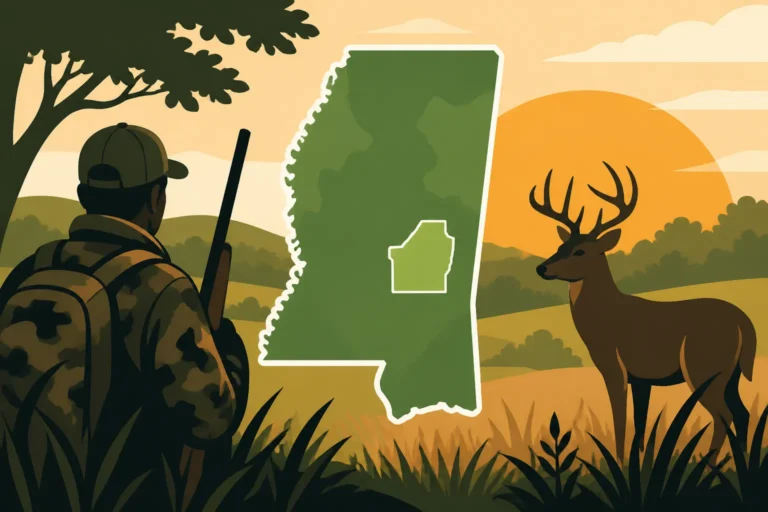
Wilkinson County, nestled in the southwestern part of Mississippi, offers a unique blend of hunting opportunities, particularly for white-tailed deer. It’s part of the Hills Unit, which has its own specific antler restrictions and season dates that differ from other regions like the Delta. Understanding the local terrain, deer habits, and the types of public land available is crucial for anyone planning a hunt here.
Geographical Overview and Habitat
Wilkinson County is characterized by rolling hills, hardwood bottoms, and mixed pine-hardwood forests, a classic example of the Loess Bluffs region. This diverse habitat provides excellent cover, food, and bedding areas for deer. You'll find mature oak ridges dropping into creek bottoms, offering a mosaic of white oaks, red oaks, and various mast-producing trees that deer absolutely crave, especially as the season progresses. These topographical features create natural funnels and pinch points that are goldmines for deer movement, particularly during the rut. The dense undergrowth in some areas, coupled with more open timber on ridges, means deer can find sanctuary and travel corridors with ease.
The rich soil in the bottomlands often supports thick stands of palatable browse, contrasting with the more sparse understory sometimes found in pine plantations. This variety means deer aren't reliant on just one food source; they can shift their feeding patterns based on what's available and what's producing. Knowing how to Reading a Ridge for Hills Unit Deer and understanding these transitions in habitat will be key to unlocking success in Wilkinson County. It's a landscape that rewards hunters who scout diligently and can interpret subtle changes in vegetation and elevation.
Deer Population and Management in Wilkinson County
The deer population in Wilkinson County, like much of the Hills Unit, tends to be healthy, though perhaps not as dense in certain pockets as some of the highly managed private lands. The Mississippi Department of Wildlife, Fisheries, and Parks (MDWFP) actively manages the herd through specific season structures and bag limits designed to promote a balanced age structure and healthy deer. This means you'll find a good mix of deer, from young bucks to mature wall-hangers, if you put in the time and effort. Mississippi Deer Population Estimate and Hills Unit Deer Density reports often show a robust deer population in this region, capable of producing quality animals.
The Hills Unit typically follows a set of antler restrictions that focus on main beam length or inside spread, rather than strict point counts. This regulation is designed to protect younger bucks and allow them to reach older age classes, leading to better trophy potential over time. Hunters need to be familiar with these rules to ensure ethical and legal harvests. It's not uncommon to hear tales of impressive bucks taken from Wilkinson County, testaments to both the quality of the habitat and the effectiveness of MDWFP's management strategies.
Key Public Land Areas to Consider
While Wilkinson County may not boast a massive national forest like some other areas of the state, it does have specific parcels of public land that offer deer hunting opportunities. The most notable would be portions of the Homochitto National Forest Hunting. This vast national forest, though primarily centered in neighboring counties, has sections that extend into Wilkinson County, providing significant acreage for hunters. These tracts often feature rugged terrain, extensive hardwood forests, and plenty of room to roam, offering a more wilderness-like experience.
Beyond Homochitto, there might be smaller, less-advertised parcels managed by the state or county. These could include certain Wildlife Management Areas (WMAs) or other public access lands. It's always a smart move to consult the MDWFP website and their interactive mapping tools. These resources are invaluable for pinpointing exact boundaries, understanding specific WMA regulations, and identifying access points. Don't overlook these smaller, often overlooked areas; they can sometimes hold less hunting pressure and surprisingly good deer numbers.
Navigating Public Land Opportunities
Hunting public land is a different beast than hunting private ground. It demands more preparation, more scouting, and a deeper understanding of regulations. But the reward—successfully tagging a deer on public ground, knowing you earned it through grit and skill—is incredibly satisfying.
Researching and Scouting Before Your Hunt
Before you ever set foot in Wilkinson County with your rifle, comprehensive research is paramount. Start by familiarizing yourself with the Mississippi Deer Season Structure Explained and specifically the season dates and bag limits for the Hills Unit. Knowing when you can hunt, and what you can harvest, is step one. Next, dive into maps. Satellite imagery, topographical maps, and public land ownership layers are your best friends. Look for transition zones where different habitat types meet, like where a pine plantation gives way to a hardwood creek bottom. These are natural travel corridors.
Once you've identified potential areas on the map, it's time for boots-on-the-ground scouting, ideally outside of hunting season. Look for fresh deer sign: rubs, scrapes, heavily used trails, and bedding areas. Pay close attention to food sources. Are the white oaks dropping acorns? Are there honeysuckle thickets offering browse? During the pre-season, I also like to deploy a few trail cameras in strategic locations, like pinch points or near historical rub lines. This helps confirm deer activity and patterns before opening day. Remember, public land deer often change their patterns when pressure builds, so having up-to-date information is vital.
Essential Tools for Public Land Hunters
In today's hunting world, technology can be a huge advantage, especially when navigating vast public lands. A reliable GPS unit or a smartphone with a robust hunting app is non-negotiable. I personally rely heavily on apps like onX Hunt, which offers incredible detail on property lines, public land boundaries, topo maps, and satellite imagery. It allows you to drop pins for stands, rubs, bedding areas, and even track your movements, which is a game-changer for finding your way back in the dark or understanding how deer are using the terrain. GoHunt is another fantastic resource for general hunting information, though onX is hard to beat for real-time navigation and property data.
Beyond mapping tools, a good pair of binoculars or a spotting scope will help you glass distant food plots or clear-cuts. Don't forget the basics: a sharp knife, plenty of water, a first-aid kit, and a reliable compass (even if you rely on GPS, a compass is a great backup). For treestand hunters, a quality portable stand that's easy to pack in and out is essential, as you'll likely be moving it around. Remember, unlike private land where stands can stay up, Treestand Rules on Mississippi Public Land typically require stands to be removed daily or within a certain timeframe.
Rules and Regulations Specific to Wilkinson County
Hunting in Wilkinson County, particularly on public lands like Homochitto National Forest, means adhering to both statewide Mississippi hunting regulations and any specific rules for that particular WMA or national forest unit. A Mississippi WMA Permit Requirement is almost always in effect for hunting on WMAs, so make sure you purchase one in addition to your regular hunting license. Always double-check the specific regulations pamphlet for Homochitto or any other public land you plan to hunt; these can detail things like weapon restrictions, motor vehicle use, camping rules, and even special draw hunts.
Another critical regulation to remember in Mississippi is the Mississippi Blaze Orange Requirements. During gun seasons, hunters are typically required to wear a certain amount of blaze orange to ensure visibility and safety. This isn't just a suggestion; it's the law, and it's there to protect everyone in the woods. Always carry your hunting license and any required permits with you, and be prepared to show them to a game warden. Ignorance of the law is never an excuse, so do your homework thoroughly before you head afield.
Tactics for Success on Wilkinson County Public Land
Public land hunting often means adapting your strategy. Deer on public ground are usually more wary and accustomed to human presence, requiring a stealthier approach and a deeper understanding of their behavior under pressure.
Identifying Productive Areas
Finding deer on public land, especially in a place like Wilkinson County with its varied terrain, boils down to identifying areas that offer sanctuary, food, and water, often where other hunters overlook. Look for thick, inaccessible cover where deer can feel safe, such as deep creek drainages, dense pine thickets, or areas with a lot of downed timber. These are often bedding areas or places deer retreat to when pressured. Water sources, especially during warmer early season hunts, are also key. Small, overlooked beaver ponds or seepages can concentrate deer activity.
Transition zones are another high-probability area. Think about saddles on ridges, creek crossings, or the edges of dense cover transitioning into more open hardwoods. Deer will naturally funnel through these areas when moving between bedding and feeding. Using your onX Hunt app, zoom in on aerial photos and topo maps to identify these features from home. Don't be afraid to walk further than most hunters are willing to go. Often, the best spots are a mile or more from the nearest road or parking area, requiring a significant hike but often yielding unpressured deer. When Hunting the Rut in the Hills Unit, these travel corridors become even more critical as bucks are actively seeking does.
Stand Placement and Hunting Strategy
Once you've identified a promising area, your stand placement becomes crucial. For public land in Wilkinson County, I favor mobile setups. Climbing stands, hang-on stands with climbing sticks, or ground blinds are all viable options. Consider the wind direction above all else. A perfect spot with the wrong wind is a wasted effort. Place your stand downwind or crosswind of expected deer travel. Look for natural back cover that breaks up your silhouette, like a thick oak or a cluster of pines.
My hunting strategy typically involves a "run and gun" approach for scouting and then focusing on a few key areas that show consistent sign. If I'm hunting an oak ridge, I'll set up overlooking a well-used trail or a concentration of fresh rubs. If it's a creek bottom, I'll look for pinch points where deer are forced to cross. During the late season, after leaf fall, visibility increases, and I might focus on thicker cover where deer seek warmth and security. Remember to keep your entry and exit routes stealthy to avoid spooking deer, especially when approaching your stand in the dark.
Dealing with Hunting Pressure
Public land, by its very nature, means you'll encounter other hunters. This increased pressure can change deer behavior significantly. Instead of getting frustrated, adapt your tactics. First, try to hunt mid-week when many hunters are at work. Weekends will almost always be busier. Second, use the pressure to your advantage. If hunters are constantly walking trails or pushing deer in a certain direction, anticipate where those deer might go. They often move to thick cover, deep bottoms, or simply cross property lines onto private land, but they'll eventually come back or move along edges.
One effective strategy is to target areas that are difficult to access. This might mean crossing a creek, climbing a steep ridge, or hiking a long distance. Most hunters will take the path of least resistance, so by going where others won't, you increase your chances of finding unpressured deer. Consider Hunting Small Private Tracts in Mississippi nearby as well if you can gain permission, as deer will often shift back and forth between public and private. Patience is a virtue on public land. Don't be discouraged if you don't see deer immediately. Stay persistent, keep scouting, and understand that success often comes to those who put in the extra effort.
Preparing for Your Wilkinson County Hunt
A successful hunt is often the culmination of careful preparation. Beyond scouting and understanding the regulations, having the right gear and mindset makes all the difference.
Gear Essentials
When packing for a hunt in Wilkinson County, think layers. Mississippi weather can be unpredictable, even in the fall and winter. Mornings can be chilly, but midday can warm up considerably, especially in the early season. Moisture-wicking base layers, insulating mid-layers, and a waterproof/windproof outer shell are essential. Don't forget comfortable, broken-in waterproof boots, as you'll likely be doing a lot of walking, potentially through damp bottoms or over rocky terrain.
Beyond clothing, a good quality backpack is crucial to carry your essentials: water, snacks, first-aid kit, game processing gloves, rope for dragging, and your mapping device. If you're planning on an all-day sit, consider a comfortable seat cushion. And of course, your chosen weapon, ammunition, and all necessary safety equipment must be in top condition. For gun hunters, ensure your rifle is zeroed and you're familiar with its capabilities. Archery hunters should ensure their bows are tuned and broadheads are sharp.
Physical Preparation and Safety
Hunting Wilkinson County's public land can be physically demanding. The rolling terrain and dense cover mean you'll be doing a lot of walking, climbing, and potentially dragging a deer out of challenging areas. Start a physical fitness routine well before the season. Walking with a loaded pack, hiking hills, and doing strength training will pay dividends in the field, making your hunt more enjoyable and safer.
Safety should always be your top priority. Always practice proper firearm safety, whether in the truck, at camp, or in the woods. When using a treestand, wear a full-body harness—every single time. It's not worth the risk. Inform someone of your hunting plans, including your exact location and expected return time, especially if you're hunting alone. Cell service can be spotty in some remote parts of Wilkinson County, so don't rely solely on your phone for communication in an emergency. Being prepared for any eventuality allows you to focus on the hunt itself. For those new to hunting, remember to fulfill Mississippi Hunter Education Requirements before hitting the woods.
Public Land Deer Hunting: A Wilkinson County Overview
To help visualize some of the key considerations for hunting deer on public land in Wilkinson County, here's a quick reference table:
| Aspect | Description | Key Takeaway |
|---|---|---|
| Location/Terrain | Southwestern Mississippi, part of the Hills Unit. Characterized by rolling hills, hardwood bottoms, mixed pine-hardwood forests. Loess Bluffs region. | Offers diverse habitat, natural funnels; rewards scouting and understanding topography. |
| Primary Public Land | Portions of Homochitto National Forest, potentially smaller state-managed parcels. | Consult MDWFP maps and National Forest guidelines. Expect rugged, extensive areas. |
| Deer Population | Healthy, managed white-tailed deer population. Good age structure due to antler restrictions. | Quality deer present, but may require more effort to locate. |
| Antler Restrictions | Hills Unit rules apply (typically main beam or inside spread minimums). | Familiarize yourself with current MDWFP regulations for legal harvest. |
| Key Food Sources | Acorns (various oaks), honeysuckle, green browse, agricultural edges (if near private land). | Focus scouting on mast crops and high-quality browse areas. |
| Hunting Pressure | Variable, higher on weekends and near easy access points. | Hunt mid-week, seek hard-to-reach areas, and use pressure to predict deer movement. |
| Essential Tools | Mapping apps (onX Hunt, GoHunt), GPS, binoculars, quality backpack, mobile treestand/ground blind. | Technology aids navigation and scouting significantly. |
| Regulations | Statewide hunting license, WMA permit (if applicable), blaze orange during gun seasons. Adhere to specific National Forest/WMA rules. | Always check current MDWFP regulations and area-specific rules before hunting. |
| Scouting Importance | Crucial for identifying productive areas, understanding deer patterns, and locating entry/exit routes. | Pre-season scouting and year-round observation increase success rates. |
Wilkinson County offers rewarding public land deer hunting for those willing to embrace the challenge and put in the work. By thoroughly researching, utilizing modern tools, and understanding deer behavior in pressured environments, you can experience some truly memorable hunts in the beautiful Mississippi wilderness. Don't be afraid to try new spots, walk a little further, and enjoy the journey of becoming a more skilled public land hunter.
Disclaimer
This article is for general informational purposes only and does not constitute professional advice. Laws, prices and regulations vary by location and change over time. Consult a qualified professional for guidance on your specific situation.