Knocking on Doors in Delta Farm Country
Many hunters dream of securing prime private land access, especially in wildlife-rich areas like the Mississippi Delta, but the thought of simply "knocking on doors" can feel daunting, even intimidating. It's a skill that seems lost in the age of online maps and hunting apps, yet it remains one of the most effective ways to find those hidden gems that aren't leased out or under intense public pressure. This guide will walk you through the art of respectfully approaching landowners in Delta farm country, helping you build trust and unlock valuable hunting opportunities.
Preparation is Key: Laying the Groundwork Before You Knock
Before you ever set foot on someone's property with the intention of asking to hunt, you need to do your homework. This isn't just about finding deer sign; it's about understanding the land from a landowner's perspective. Showing up prepared demonstrates respect for their time and property right from the start.
Researching the Landscape and Landowners
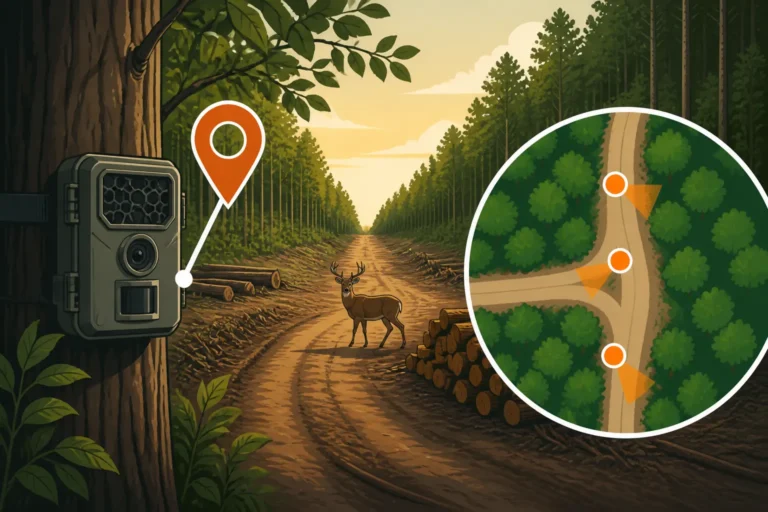
First things first, get to know the area you're interested in. What kind of crops are active in the fields? Corn, soybeans, or cotton? Knowing this helps you speak their language and shows you've put in the effort to understand their livelihood. Tools like GoHunt can be incredibly valuable here. Using its detailed mapping layers, you can often identify property lines, see aerial views that reveal field edges, timber blocks, sloughs, and drainage ditches. In some cases, these tools can even help you find landowner names through public records linked to specific parcels.
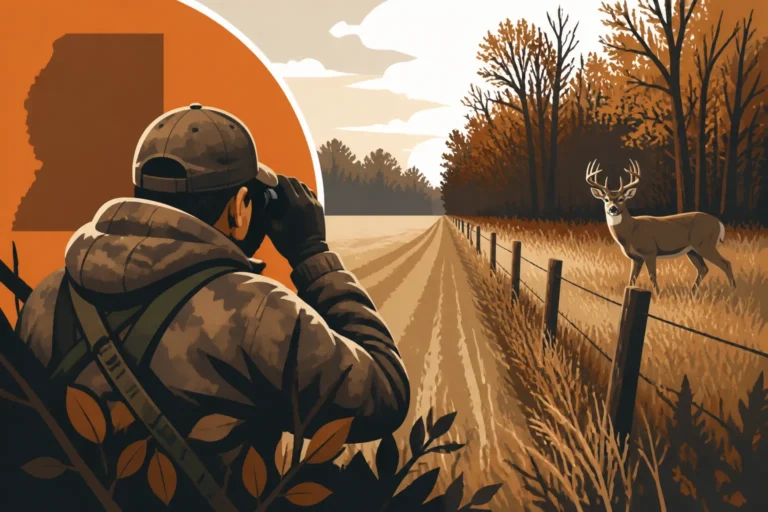
Think about what specific hunting opportunities these parcels might offer. Are there small woodlots surrounded by vast fields, creating natural travel corridors for deer? Are there overgrown fencerows that might hold rabbits or provide crucial bedding cover? You're looking for areas that might be less desirable for agricultural purposes but are golden for wildlife. This preliminary scouting, even if just virtual, arms you with specific points to discuss. Instead of a generic "Can I hunt your land?", you can say, "Mr. Johnson, I noticed you have a nice block of timber along Cypress Creek on the north side of your property, and I was hoping to get permission to bowhunt for deer there, perhaps helping to manage your population." This level of detail shows you're serious and respectful. Understanding Finding Mississippi Property Lines is crucial to ensure you're approaching the correct person.
It's also worth a quick check to see if there's any public land nearby. Sometimes, hunters assume all land is private, when a small WMA or national forest might be right around the corner, offering a different kind of opportunity. However, for those coveted private spots, your research is paramount. Knowing the terrain and potential game sign gives you confidence and credibility when you finally speak to the landowner.
What to Carry and How to Present Yourself
First impressions matter more than you can imagine. When you pull up to someone's house, remember you're a stranger on their private property, and that can automatically trigger caution or even apprehension. Your goal is to immediately convey trustworthiness and respect, not an eager, impatient hunter. Dress neatly – no camouflage, no muddy boots, and certainly no strong hunting scents. Think clean jeans, a simple collared shirt, and a friendly, open demeanor. You want to look like someone they'd be comfortable having on their property.
Always have a few things prepared. A small, neatly printed card with your name, phone number, and perhaps your vehicle's license plate number can be a nice touch. This demonstrates transparency and accountability. A small, physical map of their property, perhaps printed from your GoHunt app with the specific area you're interested in highlighted, can also be incredibly helpful for visual communication. It shows you've done your homework and are serious about a specific area, not just "anywhere." Consider carrying a small, written Do You Need Written Permission in Mississippi? request form. Even if they don't use it, having it ready shows you understand legalities and are prepared to formalize the agreement. You aren't just asking for a favor; you're offering to be a responsible, documented visitor.
Crucially, leave your hunting gear at home or out of sight. Don't pull up in a truck loaded with dog boxes, a prominent gun rack, or a bed full of decoys. This isn't about hiding your intentions, but about making the first contact about them and their land, not your immediate desire to hunt. A humble, polite approach goes a long way in establishing a positive rapport from the outset.
Timing Your Visit for Best Results
Timing is everything when it comes to asking for hunting permission. Showing up during meal times (early morning, noon, or dinner), late in the evening, or when someone is clearly busy (e.g., actively working in a field, fixing a fence, or tending to livestock) is a surefire way to get a quick "no" or, worse, an annoyed dismissal. You want to catch them when they're not rushed or stressed.
The best times are usually late mornings or early afternoons on weekdays, or mid-day on weekends, but always be observant. If you see them engaged in a task that requires their full attention, it’s best to wait, or even come back another day. The goal is to catch them when they have a few minutes to spare, are relaxed, and can give you their full attention. Avoid showing up on opening day of Mississippi's Gun Deer Season by Unit or other major hunting seasons; they're likely already dealing with friends, family, or existing leases, and will be less receptive to new requests. A much better approach is to ask well before the season, giving them ample time to consider your request and for you to follow up.
Rainy days, while perhaps making you want to stay indoors, can sometimes be opportune. Farmers often have a bit of downtime when the fields are too wet to work, and they might be more willing to chat. However, always use your best judgment. If they're inside sheltering from a storm, a polite knock on the door is less intrusive than if they're trying to quickly bring in equipment before a downpour. Be flexible, be patient, and be willing to try another day if the timing doesn't feel right.
The Approach: How to Make a Good First Impression
So, you've done your homework and dressed the part. Now comes the moment of truth: the actual conversation. This is where your personality and communication skills truly shine, and a positive first impression can make all the difference.
Crafting Your Pitch and Explaining Your Intent
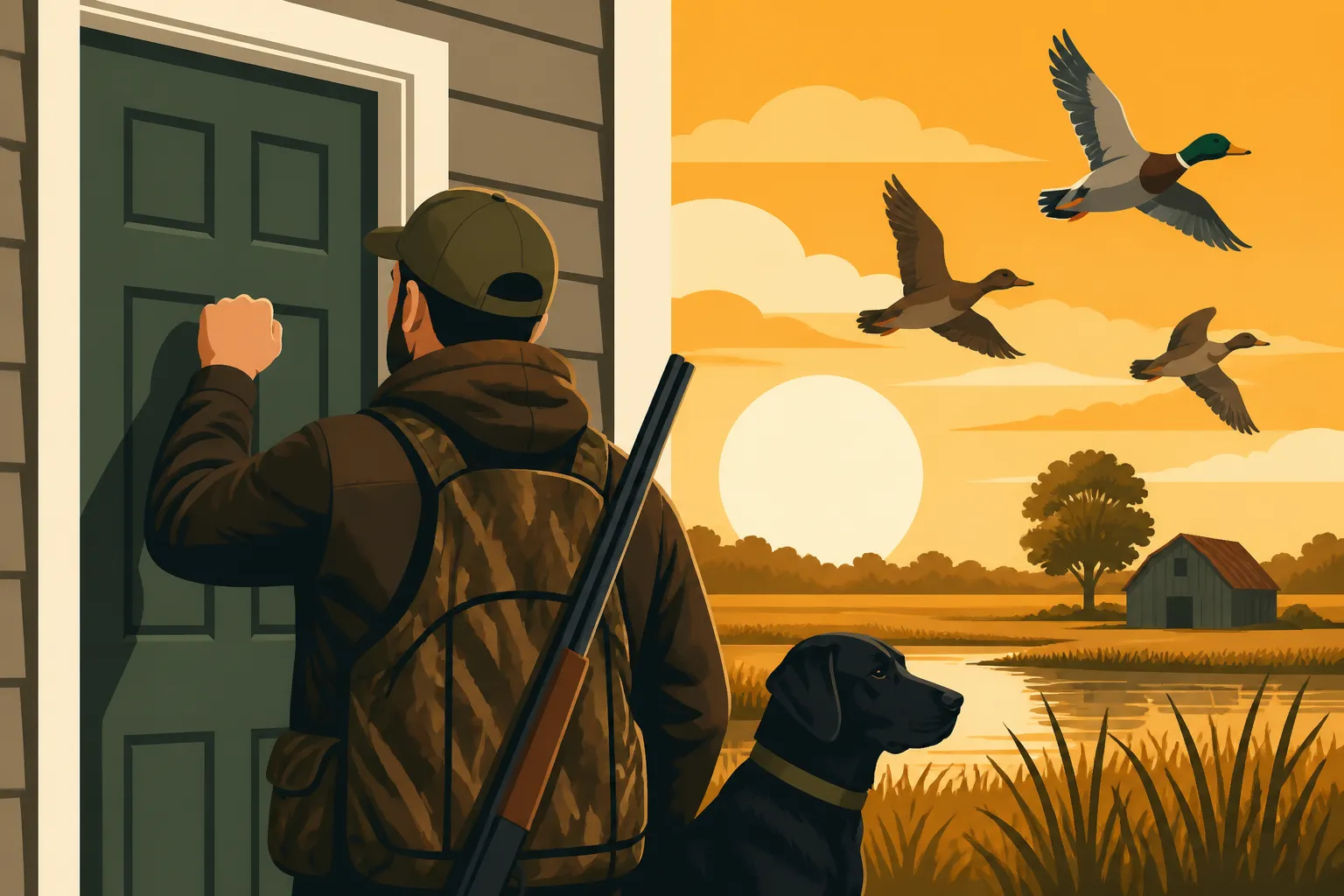
When you approach the door, park your vehicle where it's not blocking anything and won't rut up their yard. Walk confidently but not aggressively to the door. Give a firm, polite knock – not too loud, not too soft. If no one answers after a reasonable time, leave a neat, handwritten note with your contact information and a brief, polite message stating the purpose of your visit (e.g., "Interested in asking about hunting permission, please call me if you have a moment"). Never just wander around the property or peek in windows.
When they answer, start by introducing yourself clearly, stating where you're from (if local, that's a plus, but if not, honesty is best). "Good morning, my name is John Doe, and I live just over in Vicksburg. I hope I'm not bothering you, but I was wondering if I could speak with you for a few minutes about your property." Be direct but courteous. Explain why you're interested in their particular piece of land. Refer to your earlier scouting. "I've driven by your place a few times, and I'm really impressed by the habitat along the old drainage ditch on the south end. I was hoping to get permission to bowhunt for deer there this fall."
It's often a good idea to limit your initial request. Asking for deer hunting, specifically Bowhunting Mississippi's Long Archery Season, is usually a safer bet than asking for deer, turkeys, and hogs all at once. If you only want archery access, state that clearly. If you're also willing to help with Mississippi Feral Hog Regulations by removing some problem hogs, that can be a huge selling point, as these animals cause significant crop damage in the Delta. Emphasize your respect for their property, their livestock, and their privacy. Reassure them that you are safe, responsible, and will always communicate your presence.
Anticipating Questions and Addressing Concerns
Landowners will naturally have questions and concerns, and it's your job to address them proactively and honestly. Being prepared for these common inquiries can put them at ease and build confidence in your character. Be ready for questions like:
- "What kind of hunting are you doing?": Be specific. Are you planning Muzzleloader Deer Hunting in Mississippi? Just archery? Are you after deer, or would you also consider Hunting Mississippi's Year-Round Feral Hogs? Being precise helps them understand the impact on their land.
- "Are you going to drive your truck all over my fields?": Absolutely not. Emphasize that you'll walk, use existing paths, or park in a designated area. Make it clear you understand the value of their fields.
- "Are you going to bring a whole group of people?": State clearly whether you'll be hunting alone or with a small, specified group (e.g., "Just myself, or perhaps my son if he joins me"). Underscore that you would never bring anyone without their prior approval.
- "What about my cattle/crops/privacy?": Reiterate that you understand and respect their livelihood. You'll stay clear of livestock, avoid damaging crops, and only access specific areas at specific times.
- "How will I know you're here?": Offer to text or call every single time you come out and when you leave. "I'll always let you know when I arrive and when I depart, so you're never surprised."
- "Do you have insurance?": While not always asked, having personal hunting liability insurance (many hunting organizations and affiliations offer these policies) can be a huge peace of mind for a landowner and is an excellent talking point to demonstrate your responsibility.
Listen more than you talk. Let them voice their concerns, and then thoughtfully address each one. Sometimes, a "no" isn't a hard no, but a "no, unless…" Understanding their underlying concern (e.g., worry about gates being left open) can help you offer a solution and turn a potential rejection into a "yes." Be patient, be understanding, and never argue or push. If they definitively say no, thank them for their time and leave graciously.
Dealing with Rejection Gracefully
Let's be realistic: you're likely going to hear "no" more often than "yes," and that's perfectly normal. There are many valid reasons a landowner might decline your request: they already have hunters (family, friends, or leases), they don't allow it as a general rule, they've had bad experiences in the past, or they simply aren't comfortable with strangers on their property. It's rarely personal.
No matter the reason, your response should always be one of sincere gratitude and unwavering respect. A simple, "I completely understand. Thank you so much for your time and for considering my request. Have a good day," is all that's needed. Do not push, plead, or try to convince them to change their mind. That will only solidify their "no" and potentially sour the experience for the next respectful hunter who comes along. Remember, bad news travels fast.
Even if you get a "no," maintaining a positive attitude can still leave a good impression. Who knows, circumstances might change next year, or they might recommend you to a neighbor who is looking for hunters. The hunting community, especially in rural areas like the Delta, is smaller than you think. A bad reputation can spread quickly, but so can a good one. Always leave the door open for future possibilities, even if it's not with the specific person you just spoke to. Your courtesy will be remembered.
Building Relationships: Sustaining Access Year After Year
Getting permission to hunt is just the first step. The real goal, and where the true rewards lie, is in building a lasting relationship with the landowner that allows you to hunt that property for seasons to come. This takes consistent effort and a commitment to being a good steward.
Demonstrating Respect and Reliability
Once you have permission, every action you take on that property reinforces the landowner's decision to trust you. Always follow the specific rules they laid out, to the letter. If they said no ATVs, then walk. If they asked you to only hunt specific areas, stick to those areas. Techniques like Using a Ground Blind on Mississippi Public Land can often be adapted for private land where treestand placement might be restricted or less ideal, showing your flexibility and willingness to work within their guidelines.
Communicate consistently. Text them when you arrive and when you leave. This simple habit, even if they don't always respond, reassures them you're on the property when you say you are. If you see anything out of the ordinary – a broken fence, signs of trespassing, or something amiss with their livestock – let them know immediately. You become an extra set of eyes and ears for them, and this builds immense trust. Be mindful of their working schedule and privacy. If they're out working in a field, avoid driving or walking too close to them. Keep your presence discreet and low-impact.
Make sure you're aware of and comply with all Mississippi Deer Reporting Requirements and other state regulations. If you harvest a deer, offer to show it to them, or at least share a photo. This includes ensuring you're Judging a Legal Buck Under Delta Unit Restrictions to show you're hunting ethically and legally. They'll appreciate knowing you're a responsible hunter who respects both the rules and the resource.
Offering Reciprocal Assistance
One of the best ways to solidify a hunting relationship is to offer help without even being asked. Landowners, especially farmers in the Delta, are busy people, and a little help can go a long way in showing your appreciation. This isn't about paying for access, but about genuinely being a good neighbor and friend.
Simple gestures can include:
- Helping them mend a fence you noticed was down or replace a gate hinge.
- Picking up any trash you find on their property (even if it's not yours).
- Offering to help with light chores around their yard or barn when you visit, like moving some lumber or stacking firewood.
- If you're a handy person, perhaps fixing something small that's broken.
- Bringing them a small, thoughtful gift, like a bushel of sweet corn from your garden, a batch of homemade cookies, or a gift certificate to a local store.
You can also offer specific hunting-related assistance. If feral hogs are a problem, actively targeting them can be a huge benefit. Hunting Mississippi's Year-Round Feral Hogs can significantly reduce crop damage and can be a valuable service to a farmer. If deer are eating young crops, offering to take extra does (if within legal limits and their preference) can also be seen as a valuable service. The key is to genuinely want to help and not make it feel like a transaction. This kind of give-and-take fosters a true partnership and makes you more than just "the guy who hunts here."
The Power of a Thank You
Never, ever underestimate the power of a sincere "thank you." A verbal thank you every time you see them, expressing gratitude for their generosity, is an absolute must. Beyond that, a handwritten thank-you note at the end of the season, perhaps with a thoughtful gift card to a local hardware store, feed store, or a nice restaurant, shows genuine and lasting appreciation.
If you have success, sharing some of the bounty – a package of venison, a cleaned duck breast, or a mess of crappie if you also fish – is a wonderful gesture. Remember, they don't owe you anything. This is their land, and their willingness to share it with you is a gift. Acknowledging that consistently, through your actions and words, will make them want to continue sharing it with you for years to come.
These small acts of kindness, communication, and appreciation are what truly turn a one-time permission into a decades-long friendship and a cherished hunting spot. It's about building community and trust, not just bagging a buck or filling a limit.
Understanding Delta Dynamics: What Makes Farm Country Unique
Hunting in the Mississippi Delta farm country presents its own set of challenges and opportunities that are distinct from timber company land or national forests. Understanding these nuances will help you be a more effective and respectful hunter.
Understanding Crop Cycles and Hunting Pressure
The Mississippi Delta is defined by agriculture. Vast, flat fields of corn, soybeans, and cotton dominate the landscape, interspersed with critical timber blocks, winding sloughs, and deep drainage ditches. Deer and other wildlife heavily rely on these agricultural resources. Your hunting strategy needs to revolve around understanding and adapting to Hunting a Standing Cornfield in Farm Country or finding Entry Routes Through Standing Soybeans during different parts of the season. Early season deer might be found deep in standing crops, offering excellent cover and food, while late season sees them concentrating on harvested fields, green winter plots, or the timber edges that offer protection.
Landowners are acutely aware of their crops, as their livelihood depends on them. They don't want hunters in fields when heavy equipment is running, and they certainly don't want crops damaged. This means flexibility on your part is key. You might need to adjust your hunting days or times based on their farming schedule. The sheer amount of available food means deer populations can be high and healthy, but they can also be challenging to pattern due to the abundance and changing availability of food sources. Understanding the Mississippi Deer Season Structure Explained in the Delta Unit is critical for aligning your efforts with prime times like Hunting the Rut in the Delta Unit, when deer patterns might become more predictable around these resources.
Also, be mindful of existing hunting pressure. The Delta is well-known for quality deer and waterfowl hunting, so many landowners may already have established hunting leases or have family and friends who hunt the property. This is precisely why your polite, respectful, and prepared approach is so vital; you're differentiating yourself from potentially less considerate individuals and proving you're a responsible person worthy of trust.
Navigating Different Types of Landowners
In the Mississippi Delta, you'll encounter a range of landowner types, from generational family farmers who live on and actively work the land to absentee owners who lease out their ground to large corporate farming operations. Your approach might need slight adjustments depending on who you're speaking with.
- Family Farmers: These folks are often deeply connected to their land, their community, and their way of life. A personal, face-to-face approach works best. They value respect, hard work, good manners, and often appreciate a sense of community. They might be more open to a handshake agreement and genuinely appreciate help with chores or an extra set of eyes on their property.
- Absentee Owners: These individuals may be harder to contact directly, as they don't live on the property. You might need to get in touch with their farm manager, a local tenant, or a representative. For these owners, a slightly more formal, written request might be appropriate, and they might be more interested in a small lease fee or a formal written agreement than casual permission. Understanding Finding a Mississippi Hunting Lease could be an alternative for this type of owner if direct permission isn't an option.
- Corporate Farms: These are often the toughest nuts to crack. Large corporate agricultural operations usually have strict liability policies and almost always have large-scale hunting leases in place, often managed by professional outfitters or large hunting clubs. Direct individual permission is rare and it's almost always handled through formal agreements or managed hunting club memberships. Mississippi Hunting Club Territory Sizes are often managed by these types of entities, making individual access very challenging.
Regardless of the type, always treat them with the utmost respect. The core principles of being polite, prepared, and honest remain universal and will serve you well in any scenario.
Safety Considerations in Farm Environments
Hunting in farm country, especially during peak seasons when agricultural work might still be ongoing, means you need to be extra vigilant about safety. The landscape presents unique hazards that you might not encounter in a typical timber stand.
- Farm Equipment: Tractors, combines, sprayers, and other heavy machinery can operate at all hours, often with limited visibility (especially at dawn or dusk). Always be aware of where equipment is working and give it a wide berth. Never assume a farmer sees you; make eye contact and ensure they acknowledge your presence before moving closer.
- Livestock: If there are cattle, horses, or other farm animals, give them plenty of space. Do not spook them, harass them, or disturb them in any way. Always close gates securely behind you, even if you found them open. Livestock escaping onto roads can cause serious accidents and financial loss for the farmer.
- Other Hunters: Even if you have exclusive permission, assume other hunters might be around, especially if the property borders public land or other private parcels with different permissions. Always know your target and what's beyond it. Wear Mississippi Blaze Orange Requirements during gun season, even if on private land, for maximum visibility and safety.
- Chemicals: Be aware of potential agricultural chemicals. Avoid walking through recently sprayed fields, and never handle unknown containers or wander into areas where chemicals are stored. Pay attention to any signs posted by the landowner or farmer.
- Fences and Barriers: Be careful when crossing fences. Use designated crossing points if possible, and don't damage wire or posts. If you must climb a fence, do so carefully to avoid breaking it, and report any damage you notice.
A good practice is to always carry a fully charged phone for communication and emergencies. Let someone know your exact hunting location and your expected return time. Safety should always be your top priority, not just for yourself but for everyone working and living on the land you've been so graciously allowed to access.
| Do's When Knocking on Doors | Don'ts When Knocking on Doors |
|---|---|
| Do research property owners with tools like GoHunt. | Don't show up unannounced without any prior research. |
| Do dress neatly and presentable (no camo). | Don't wear hunting gear or have visible weapons. |
| Do introduce yourself clearly and state your intent. | Don't be vague or beat around the bush. |
| Do offer to help with specific problems (e.g., hogs). | Don't assume a "yes" or demand permission. |
| Do communicate frequently and inform them of your presence. | Don't trespass or wander before getting explicit permission. |
| Do follow all their rules, spoken and unspoken. | Don't bring extra hunters without explicit approval. |
| Do offer a thank you, gifts, or assistance. | Don't leave trash or damage property. |
| Do leave gracefully if you receive a "no." | Don't argue or challenge a landowner's decision. |
| Do carry proof of hunting liability insurance. | Don't show up at inconvenient times (early morning, dinner). |
Disclaimer
Hunting is an activity that carries inherent risks. Always prioritize safety, adhere to all local, state, and federal regulations, and practice ethical hunting methods. The information provided in this guide is for informational purposes only and should not be considered legal advice. Always consult the most current Mississippi Department of Wildlife, Fisheries, and Parks regulations before engaging in any hunting activities.