Handling Venison From a CWD Management Zone
Getting a deer on the ground is a thrill like no other, but for hunters in Mississippi, especially those hunting within a Chronic Wasting Disease (CWD) management zone, the job isn't quite over when the animal drops. There's a whole new layer of responsibility and, let's be honest, a bit of anxiety about handling venison safely and legally. This guide aims to clear up the confusion and give you all the information you need to confidently process your deer from a CWD zone.
Understanding CWD and Mississippi's Management Zones
Chronic Wasting Disease is a serious topic for deer hunters, and rightly so. It's a reality we now live with in Mississippi, and understanding it is the first step toward responsible hunting and venison handling.
What is Chronic Wasting Disease?
Chronic Wasting Disease (CWD) is a fatal neurological disease that affects cervids, which include deer, elk, and moose. It's caused by abnormal proteins called prions, which slowly accumulate in the brain and other tissues, essentially destroying the animal's nervous system. Think of it like a slow, debilitating neurodegenerative disease. Deer infected with CWD might appear healthy for a long time, sometimes over a year, before showing any symptoms. When symptoms do appear, they include severe weight loss (wasting), stumbling, drooling, excessive thirst, and a general lack of awareness. It's a progressive disease, and unfortunately, there is no known cure or vaccine, and it's always fatal.
While CWD is always fatal for deer, it's important to know that there has been no documented case of CWD transmitting to humans. However, public health agencies, like the CDC, still recommend that hunters avoid consuming meat from CWD-positive animals and take precautions when handling any deer harvested in a CWD zone. The concern is primarily about potential species barriers being crossed in the future, so caution is key. The disease is primarily spread through direct animal-to-animal contact or indirectly through environmental contamination, such as soil, water, or feed contaminated with prions from infected animals. This is why proper carcass disposal is so critical.
Identifying Mississippi's CWD Management Zones
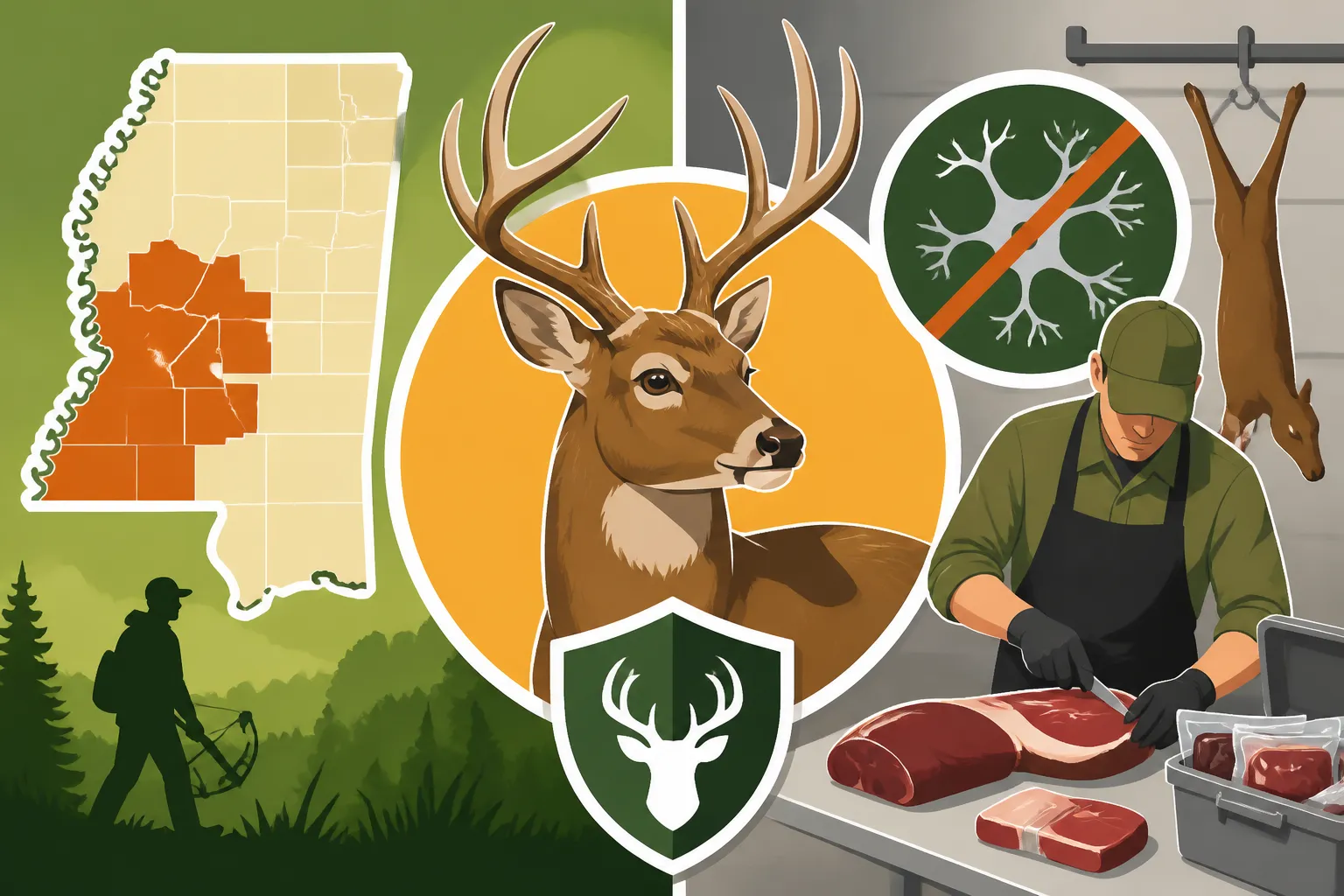
The Mississippi Department of Wildlife, Fisheries, and Parks (MDWFP) has established CWD Management Zones to contain the spread of the disease. These zones are designated based on where CWD-positive deer have been detected. Currently, there are specific counties designated as CWD zones, primarily in northern Mississippi, but also in other isolated areas. For example, you'll find an expanded North CWD Zone covering counties like Benton, Marshall, Lafayette, and others. There's also the Warren-Claiborne CWD Zone in west-central Mississippi and a Hancock County CWD Zone down south. These zones are not static; they can change as more CWD cases are detected or as the MDWFP gathers more data.
It's absolutely vital to know if you're hunting in one of these zones before you ever pull the trigger. You can easily check the latest maps and county designations on the MDWFP website or by using a reliable hunting app like GoHunt, which often integrates official state regulations and CWD zone boundaries directly into its mapping features. This immediate access to information is invaluable for staying compliant. Hunters in these zones face specific regulations, including mandatory CWD testing for harvested deer during certain periods and strict rules about how carcass parts can be transported out of the zone. You can find a detailed breakdown of Mississippi's Chronic Wasting Disease Zones on the MDWFP site.
The Importance of Responsible Carcass Handling
So, why all the fuss about how you handle a deer carcass from a CWD zone? Simply put, irresponsible handling can contribute to the spread of the disease. The prions that cause CWD are most concentrated in certain parts of the deer, specifically the brain, spinal cord, lymph nodes, and spleen. If these high-risk tissues are left exposed in areas where other deer can access them, or if they're transported inappropriately to new areas, the disease can spread.
Imagine harvesting a deer in a CWD zone, gutting it, and then driving hundreds of miles to another part of the state, discarding the spinal column in a ditch there. You've just created a potential new CWD hotspot. The goal of the MDWFP's regulations, and our shared responsibility as hunters, is to prevent this. By taking the time to understand and follow the rules, we're doing our part to protect Mississippi's deer herd and ensure healthy hunting opportunities for generations to come. It’s not just about compliance; it’s about conservation.
Field Dressing and Initial Carcass Management in a CWD Zone
The moment of truth arrives: you've harvested a deer. Now, especially in a CWD zone, every step you take in field dressing and initial carcass management needs to be deliberate and mindful of disease prevention.
Minimizing Risk During Field Dressing
When field dressing a deer in a CWD management zone, your primary goal is to remove the entrails while minimizing the spread of any potential prions. This often means leaving the highest-risk parts at the harvest site. The MDWFP strongly recommends that the brain and spinal column, as well as the lymph nodes and spleen, remain at the kill site if possible. If you're quartering your deer in the field, which is often a smart move to reduce weight and cool the meat quickly, you'd want to leave the entire skeletal structure behind.
You should always wear gloves when field dressing any animal, but it's especially critical in a CWD zone. Use dedicated tools that can be thoroughly cleaned and disinfected afterward. Avoid using knives that will also be used to process the meat you intend to eat without a deep cleaning. Once the gut pile is removed, try to disperse it or cover it to prevent scavengers from carrying off potentially infected material. If you can, pick a spot away from high-traffic deer areas. This is a crucial step in preventing localized contamination. You'll want to remember these general field dressing rules, just like when you're Field Dressing a Deer in Warm Weather.
Transporting Carcasses Out of CWD Zones
This is where many hunters can get tripped up, and it's probably one of the most important regulations to understand. Mississippi has specific rules about what parts of a deer harvested in a CWD zone can be transported out of that zone. The intent is to prevent the physical movement of high-risk tissues to CWD-free areas. Essentially, you're generally restricted to transporting only specific parts that are considered low-risk.
Permissible Parts for Transport Out of a CWD Zone:
- Deboned meat: This is the safest and most recommended option. All muscle tissue, completely separated from bone and nervous tissue.
- Cut and wrapped meat: If professionally processed within the CWD zone, it's generally good to go.
- Quarters or other portions of meat with no part of the spinal column or head attached. This means the bone-in quarters are fine, as long as the spine is completely removed.
- Skins with no head attached.
- Antlers with no meat or tissue attached, or antlers attached to a skull plate that has been cleaned of all meat and brain tissue. This means a completely clean European mount skull cap is okay.
- Finished taxidermy products.
Parts NOT Permitted for Transport Out of a CWD Zone:
- Whole carcasses
- Heads with brain material
- Spinal columns
- Lymph nodes, spleen, or other high-risk tissues
This regulation applies whether you're taking your deer home to process or to a processor outside the CWD zone. Always double-check the latest Mississippi Carcass Movement Restrictions with the MDWFP before you transport anything. It's a small inconvenience that makes a big difference.
Mandatory Testing Procedures
In Mississippi's CWD management zones, particularly the North CWD Zone, there are often periods of mandatory CWD testing for harvested deer. This usually occurs during the opening weekends of gun season or other high-harvest periods. If you harvest a deer during one of these mandatory testing windows in a designated zone, you must submit a sample for testing. This is how the MDWFP monitors the disease's prevalence and spread. Knowing Mandatory Testing Inside a Mississippi CWD Zone is part of being a responsible hunter.
The process is generally straightforward. You'll typically take your deer (or the head, as the sample is usually taken from brainstem lymph nodes) to a designated CWD sampling station. These stations are often set up at local deer camps, game check stations, or even at some private processors within the CWD zone. The MDWFP staff or authorized personnel will collect the necessary tissue sample. Many hunters use their GoHunt app to locate these testing stations, as the app is often updated with the latest locations and hours. You can also find information on Finding a Mississippi CWD Sampling Location on the MDWFP website. Once the sample is collected, you'll be given a tracking number, and the results will typically be available online within a few weeks. It's crucial to wait for those results before consuming the meat, especially if you're concerned about CWD. Don't forget, you also need to adhere to Mississippi Deer Reporting Requirements for all harvested deer, CWD zone or not.
Processing Venison Safely from CWD-Positive or Untested Deer
Once you've done the field dressing and initial transport, the next big step is processing your venison. This stage carries its own set of considerations, particularly if you're in a CWD zone or if your deer hasn't been tested yet.
Home Processing Considerations
If you choose to process your deer at home, meticulous hygiene and careful handling are paramount. First off, if you've harvested a deer in a CWD zone, it's highly recommended to get it tested. Until those results come back negative, treat the animal as if it could be positive. The CWD prions are most concentrated in nervous and lymphatic tissues, so when you're butchering, take extra care to remove all visible lymph nodes, spleen, tonsils, eyes, and brain tissue. Avoid cutting through the brain or spinal column with knives or saws that you'll use for muscle meat.
Consider using a separate set of knives, saws, and cutting surfaces for processing deer from CWD zones, or ensure they are thoroughly cleaned and disinfected after use. Traditional disinfectants like bleach and alcohol are not effective against prions. The best way to "decontaminate" equipment, if you're truly concerned, is through an extended soak in a strong bleach solution (e.g., 40% bleach solution for at least an hour), but for most home processors, simply avoiding contact with high-risk tissues is the most practical approach. When handling the meat, always wear gloves. After deboning, the muscle meat itself is considered very low risk, even if the animal were positive, but avoiding cross-contamination during the process is still a smart practice. Remember, the goal is to remove bone and nervous tissue, leaving only muscle meat, which is what you'll be cooking.
Professional Processor Guidelines
For many hunters, especially those who don't have the time or space for home processing, taking their deer to a professional processor is the way to go. If your deer was harvested in a CWD management zone, it is absolutely critical to inform your processor of this fact upfront. They need to know so they can take appropriate measures to prevent cross-contamination between deer. Many processors in CWD zones are well-versed in the protocols and have separate processing lines or procedures for deer from these areas.
When dropping off your deer, make sure to clearly tag it with your hunting license information and indicate if it's from a CWD zone. Ask the processor about their specific protocols for CWD zone deer. They should be able to explain how they handle the carcass to minimize risk, including disposal of high-risk tissues. Some processors may even be designated CWD sampling stations, making the testing process more convenient. Do not assume your processor knows which county your deer came from; communication is key. They're there to help you get safe, delicious venison, but they need all the information to do their job correctly.
Disposing of Carcass Waste Responsibly
Proper disposal of carcass waste is perhaps the most important step in preventing the spread of CWD. If you processed your deer at home, or if you had a processor that returned the head and spinal column to you, you are responsible for their disposal. You absolutely cannot just dump these high-risk materials in a ditch, a creek, or on public land where other deer might come into contact with them. This is illegal and incredibly irresponsible.
The MDWFP generally recommends burying carcass waste at least six feet deep at the kill site or on private land with landowner permission. If burial isn't feasible, many landfills are approved to accept carcass waste from CWD zones. Check with your local waste management facility or the MDWFP for approved landfill locations. Some counties may have specific drop-off points for deer heads during hunting season. The goal is always containment: preventing prions from re-entering the environment where other deer can pick them up. This applies to all game, even if you are Handling a Hog After the Shot, though the CWD specific rules are for cervids.
Best Practices for Consuming Venison from CWD Zones
Even after all the careful handling and processing, there are still some important considerations for consuming venison from CWD zones to ensure peace of mind and safety.
Waiting for Test Results
This cannot be stressed enough: if you have submitted a sample for CWD testing, wait for the results before consuming any of the meat. While the risk to humans is currently considered low, why take an unnecessary chance? The MDWFP typically provides results online, accessible with your tracking number, within a few weeks. Some apps like GoHunt might even offer integrations to help you check your results faster.
It can be tough to be patient, especially with a freezer full of fresh venison, but this is the responsible thing to do. If the test comes back positive, the MDWFP will usually contact you directly and provide guidance on proper disposal of the meat. If it's negative, then you can proceed with confidence, knowing you've done everything right. This is one of the most proactive steps you can take to protect yourself and your family.
Health Recommendations
While CWD is not known to affect humans, health organizations still advise caution. The Centers for Disease Control and Prevention (CDC) recommends that hunters do not eat meat from animals that test positive for CWD. They also suggest considering avoiding high-risk tissues when processing, even from untested animals harvested in CWD areas. These high-risk tissues, as mentioned, include the brain, spinal cord, eyes, spleen, tonsils, and lymph nodes. During processing, ensure these are removed and properly disposed of.
When cooking venison, always cook it thoroughly. While cooking doesn't eliminate prions, it's good general food safety practice. Remember, CWD prions are very resilient and are not destroyed by standard cooking temperatures, freezing, or even typical disinfectants. Focus on thorough meat trimming and removal of specific tissues during butchering, rather than relying on cooking to eliminate the risk.
Long-Term Storage
Storing your venison properly is essential, whether it's from a CWD zone or not. Once your meat is deboned, trimmed, and processed (and ideally, tested negative), vacuum sealing and freezing is the best way to maintain quality for long-term storage. Properly packaged venison can last in a deep freezer for 12-18 months without significant freezer burn.
Ensure your freezer is set to 0°F (-18°C) or colder. Label all packages with the type of cut, the date, and whether it came from a CWD zone (just for your own record-keeping and peace of mind, especially if you're sharing with others). If you haven't received CWD test results yet, clearly mark that on the packaging so you don't inadvertently consume it before the all-clear. Taking these extra steps ensures that when you finally pull that delicious venison out for a meal, you can enjoy it without any lingering worries.
| Carcass Part | Allowed for Transport Out of CWD Zone? | Notes |
|---|---|---|
| Deboned Muscle Meat | Yes | No bone, spinal column, or other high-risk tissues attached. |
| Cut & Wrapped Meat | Yes | Processed by a professional within the CWD zone. |
| Bone-In Quarters | Yes | No part of the spinal column, head, or other high-risk tissues attached. |
| Skins/Hides | Yes | No head attached. |
| Antlers | Yes | Must be free of all meat and tissue; can be attached to a skull plate completely cleaned of all meat and brain tissue. |
| Finished Taxidermy Products | Yes | Fully processed and mounted. |
| Whole Carcasses | No | Must remain within the CWD zone for processing or disposal. |
| Heads (with brain tissue) | No | Unless being taken to an official CWD testing station within the CWD zone, or for taxidermy within the CWD zone. |
| Spinal Column | No | Must be properly disposed of within the CWD zone. |
| Internal Organs | No | Spleen, lymph nodes, tonsils must be disposed of within the CWD zone. |
Disclaimer
The information provided in this guide is for general informational purposes only and is not a substitute for official regulations. Always consult the latest Mississippi Department of Wildlife, Fisheries, and Parks (MDWFP) regulations and guidelines regarding CWD management zones, carcass handling, and testing requirements before hunting. Regulations can change, so staying updated is your responsibility.