Mississippi HIP Certification for Bird Hunters
Hunting migratory birds in Mississippi can be an incredibly rewarding experience, but navigating the various licenses and certifications often feels like a puzzle. Many bird hunters, especially those new to the game or just visiting, often get tripped up by the Harvest Information Program, or HIP, certification. It's a common point of confusion, and frankly, a frustration for folks just wanting to enjoy a good dove shoot or duck hunt. But understanding why HIP is required and how to easily obtain it is crucial, not just for staying legal, but also for contributing to vital conservation efforts. This guide will demystify HIP certification for you, ensuring you're fully prepared for your next migratory bird adventure in the Magnolia State.
Understanding What HIP Certification Truly Is
For many hunters, the idea of yet another piece of paper or digital certificate can feel like bureaucratic red tape. We’re already buying our hunting licenses, maybe a federal duck stamp, and if you’re after gobblers, the new state turkey stamp. It’s easy to wonder, "What's the big deal with HIP, anyway?" But the truth is, HIP certification serves a very specific and important purpose in the grand scheme of migratory bird management.
More Than Just Another Stamp: The Purpose Behind HIP
HIP stands for the Harvest Information Program, and it's a nationwide program designed to collect harvest data specifically for migratory game birds. Unlike resident game like deer or squirrels, migratory birds, as their name suggests, travel across state and even international borders. This means managing their populations effectively requires a coordinated effort, and that effort hinges on accurate data.
Think of HIP as a federal census for migratory bird hunters. When you get HIP certified, you're essentially telling the U.S. Fish and Wildlife Service (USFWS) and the Mississippi Department of Wildlife, Fisheries, and Parks (MDWFP) that you intend to hunt migratory birds this season. More importantly, when you complete the brief survey questions during certification, you're providing an estimate of your success (or lack thereof) from the previous season. This data, aggregated from millions of hunters across the country, is absolutely critical. It allows biologists to estimate harvest levels, track population trends for species like mourning doves, mallards, and woodcock, and ultimately, helps them make informed decisions about setting season dates, bag limits, and conservation strategies for future years. Without this information, it would be incredibly difficult to sustainably manage these valuable shared resources. It directly influences whether we'll have robust Mississippi Duck Daily Bag Limit opportunities or how many doves we can pursue during Mississippi Dove Season Opening Weekend.
Who Needs It and For Which Species
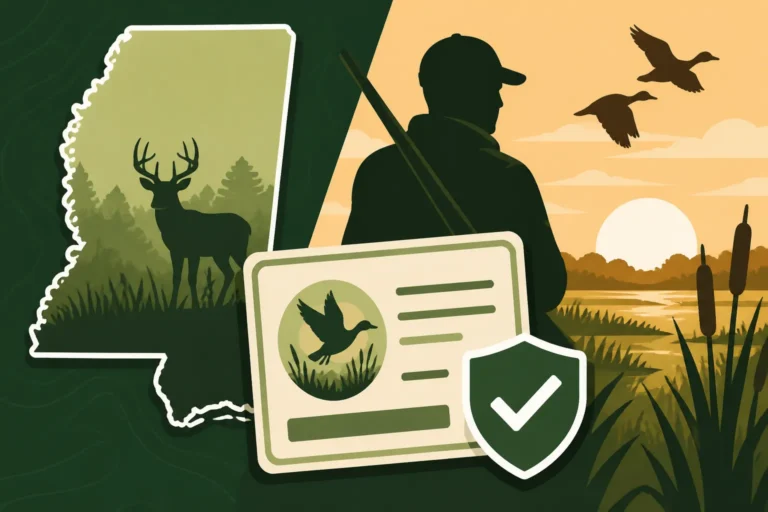
This is where some of the confusion often crops up. It's easy to assume HIP is only for waterfowl hunters because of the Federal Duck Stamp requirement. However, that's not the case at all. HIP certification is a mandatory requirement for anyone who plans to hunt any migratory game bird in Mississippi.
This includes a broad range of popular species:
- Doves: Mourning doves, Eurasian collared-doves (though Eurasian are non-native and often don't have a closed season or bag limit, HIP is still required for the act of hunting any dove).
- Waterfowl: All species of ducks, geese, and swans.
- Woodcock and Snipe: These often-overlooked birds are fantastic migratory quarry. (Internal Link: Mississippi Woodcock Season Dates and Mississippi Snipe Season Dates)
- Rails, Gallinules, and Coots: While less commonly hunted, these marsh birds are also migratory and require HIP certification.
The key takeaway here is migratory. If the bird travels seasonally across different regions or states, you likely need HIP certification to hunt it legally in Mississippi. You do not need HIP certification for resident game animals like deer, squirrels, rabbits, or even wild turkeys, as they are managed differently at the state level. It's a distinction that can easily be overlooked when you're caught up in the excitement of a new season. Even youth hunters, who might be exempt from purchasing a general hunting license, still need to be HIP certified if they are actively participating in a migratory bird hunt. Always check the current MDWFP regulations if there's any doubt about age-specific requirements.
Navigating the Mississippi HIP Certification Process
The good news amidst all this talk of requirements and regulations is that actually getting your Mississippi HIP certification is remarkably straightforward and, thankfully, free. It's designed to be an easy step you can complete when you're already handling other licensing tasks.
The Simple Steps to Get Certified Annually
Getting HIP certified in Mississippi is usually a quick process that takes only a few minutes. Here's a breakdown of the steps:
- Obtain Your Base Hunting License: Before you can even think about HIP, you need a valid Mississippi hunting license. This is your foundation for any hunting activity in the state, whether you're a resident or a nonresident. For Mississippi residents, a Mississippi Resident Sportsman's License Cost is often the most comprehensive option. Nonresidents will need to look into options like the Mississippi Nonresident All-Game License Cost depending on their hunting plans.
- Access the MDWFP Licensing System: The easiest and most common way to get HIP certified is online through the MDWFP's official website. You can also do it over the phone or at an authorized license vendor. When you log into your account or make a purchase, you'll typically be prompted to answer the HIP survey questions.
- Answer the Survey Questions: This is the core of the HIP program. You'll be asked a series of brief questions about your previous season's migratory bird hunting activity. For instance, you might be asked:
- Did you hunt doves last season?
- If so, how many did you harvest?
- Did you hunt ducks or geese last season?
- If so, how many did you harvest?
- Similar questions will be asked for woodcock, snipe, rails, gallinules, and coots.
It's important to answer these questions as accurately as possible. The program understands these are estimates, so don't stress if you don't remember the exact number down to the last feather. Your best estimate is what they're looking for. This data helps GoHunt compile reliable season forecasts and allows state and federal agencies to assess hunting pressure and success rates.
- Receive Confirmation: Once you've completed the survey, your HIP certification will be linked to your hunting license. If you print your license at home, it will usually show "HIP Certified" or a similar notation. If you're using the MDWFP mobile app, it will update your digital license to reflect your certification. Keep this proof readily accessible, whether it's the physical printout or on your phone, as you'll need to present it if requested by a game warden.
When and How Often to Certify
The "when" and "how often" are critical details to remember for HIP certification. It's not a one-and-done deal for life, and it's also not something you need to do every time you switch bird species.
- Annually Required: HIP certification is an annual requirement. It's tied to the specific Mississippi license year, which typically runs from July 1st to June 30th. However, the HIP survey itself is based on the federal migratory bird hunting season, which usually starts on September 1st and runs through August 31st of the following calendar year. This means you need to get HIP certified for each new hunting season you plan to pursue migratory birds. If you were certified last year, you need to do it again for this year.
- Single Certification Per Season: You only need to certify once per season, even if you hunt multiple migratory bird species. For example, if you get HIP certified in September to hunt doves and then decide to go Hunting the North Zone Duck Split later in November, you don't need to re-certify for ducks. Your single HIP certification for that license year covers all migratory game birds.
- Easy to Add Later: Many hunters get their HIP certification automatically when they first purchase their annual hunting license. However, if you bought your license earlier in the year and then decided to take up dove hunting, you can easily go back into the MDWFP online licensing system or call them to add your HIP certification at any time before you hunt migratory birds.
Avoiding Common Pitfalls and Ensuring Compliance
Even though getting HIP certified is simple, it's surprisingly easy to forget or misunderstand, leading to potential issues in the field. A little awareness goes a long way in ensuring your hunting trip remains enjoyable and legal.
The "I Forgot" Scenario and Its Repercussions
It's a familiar scenario: you've scouted your dove field, packed your shells, grabbed your shotgun, and remembered your Mississippi Federal Duck Stamp Requirement for waterfowl, but in the rush and excitement of opening day, the little detail of HIP certification slips your mind. This "I forgot" moment is more common than you might think, especially when juggling multiple licenses and permits.
Unfortunately, ignorance isn't usually an excuse in the eyes of the law. Mississippi game wardens routinely check for HIP certification, just as they would your hunting license or any other required stamp. Being caught without it, even if you have every other permit in order, can lead to unpleasant consequences. These can range from a warning (if you're very lucky and it's a first offense for a warden having a good day) to a citation carrying fines. In some cases, repeated offenses or hunting migratory birds without proper licensing could lead to more serious penalties, including confiscation of game, equipment, or even temporary loss of hunting privileges. It's a headache no one wants, especially when the solution is so simple. Imagine planning an entire trip to go Working a Dove Field on Opening Day only to have it cut short by a forgotten certification.
Checking Your Status and Staying Informed
To avoid that sinking feeling when a game warden asks for your documents, make it a habit to always verify your HIP certification status before heading afield.
- Check Your License Printout: If you print your license at home, look for "HIP Certified" or a similar designation. Make sure it's visible.
- MDWFP Mobile App: Mississippi offers a fantastic mobile app that stores your digital licenses and permits. This is an incredibly convenient way to carry proof of all your documentation, including HIP certification. Just ensure your phone is charged!
- Online Licensing Portal: You can always log back into your MDWFP online account to view your license history and confirm your active certifications.
- Reference Reliable Resources: The official MDWFP website is always the most accurate and up-to-date source for regulations. Beyond that, many hunters find applications like GoHunt invaluable for keeping track of season dates, regulations, and their own license information. It's a smart tool to double-check details when you're planning your hunts or even while you're in the field. Keeping up with regulations, including Mississippi Hunter Education Requirements and license validity, should be part of your routine Scouting Mississippi Public Land Before Season.
Here's a quick overview of what's generally required for different migratory bird hunts in Mississippi:
| Requirement | Doves | Ducks/Geese | Woodcock/Snipe | Rails/Gallinules/Coots |
|---|---|---|---|---|
| MS Hunting License | Required | Required | Required | Required |
| Federal Duck Stamp | No | Required | No | No |
| HIP Certification (Annual) | Required | Required | Required | Required |
| Proof of Hunter Ed (if applicable) | Required | Required | Required | Required |
Remember, HIP certification is a small but mighty part of being a responsible migratory bird hunter in Mississippi. By taking a few moments to get certified each season, you're not only staying legal but also playing a direct role in the long-term health and abundance of these incredible game birds for generations to come.
Disclaimer
Please note that hunting regulations, license requirements, and season dates are subject to change. Always consult the official Mississippi Department of Wildlife, Fisheries, and Parks (MDWFP) website or current hunting guide for the most up-to-date and accurate information before planning any hunting activity. This guide is for informational purposes only and should not be considered legal advice.