Mississippi Dove Season Opening Weekend
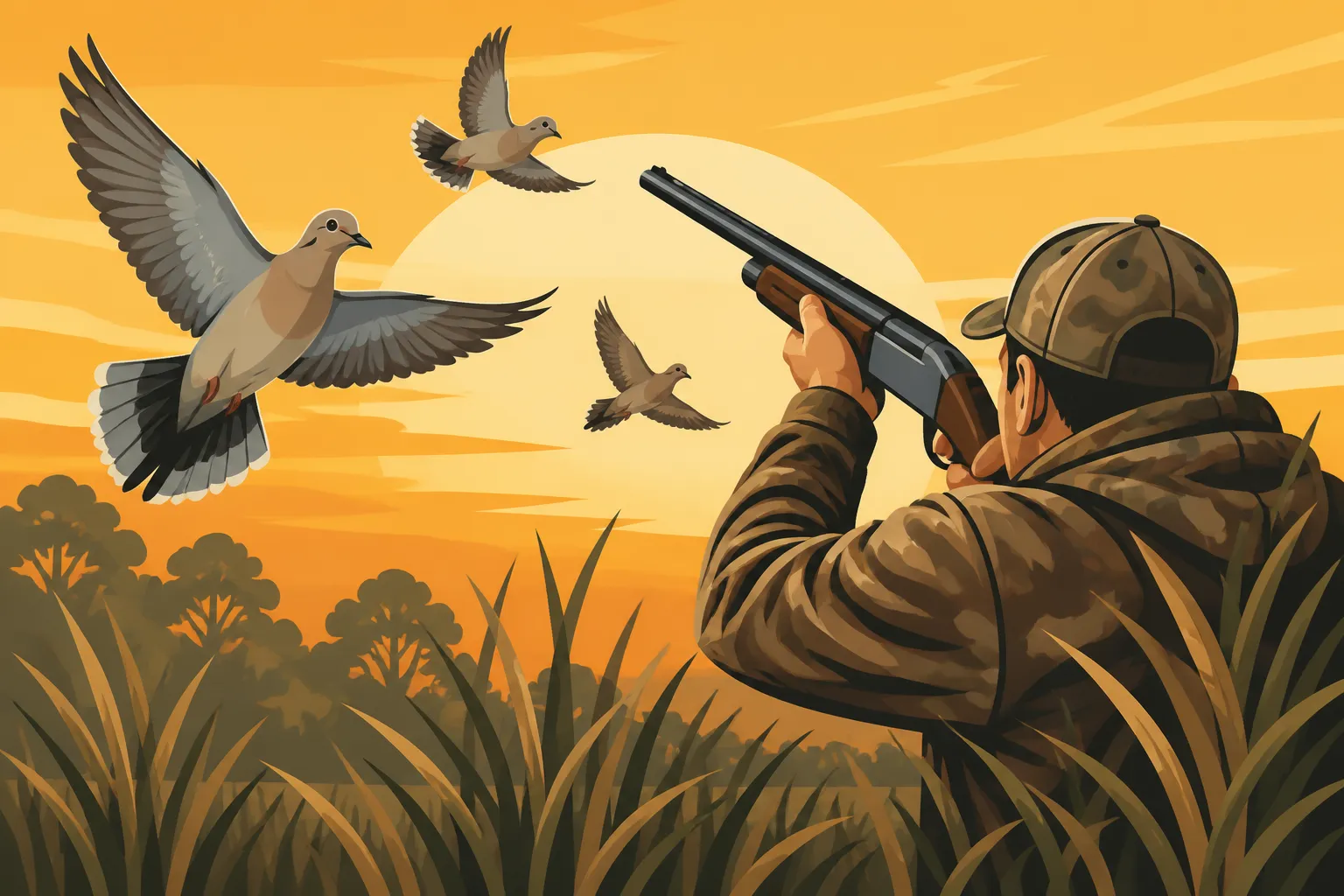
The crisp morning air, the dew on the grass, and the distant sounds of shotguns — there's nothing quite like the excitement of Mississippi dove season opening weekend. It’s a tradition for many, a chance to gather with friends and family, but the rules and preparations can sometimes feel a bit overwhelming, leaving you wondering if you've missed a crucial detail. This guide is dedicated to helping you navigate the ins and outs, ensuring your opening weekend pursuit of these fast-flying birds is both successful and fully compliant with state regulations.
Understanding Mississippi's Dove Season Structure for Opening Weekend
When it comes to dove hunting in Mississippi, you can't just head out any old time. The season is carefully structured by the Mississippi Department of Wildlife, Fisheries, and Parks (MDWFP) to provide ample opportunity while managing the resource responsibly. For many, opening weekend isn't just a hunt; it's a pilgrimage, a cherished annual event that kicks off the broader hunting calendar.
The Split Season Design: Why it Matters
Unlike some other game, Mississippi's dove season isn't one continuous stretch. It's broken into multiple "splits." This design is intentional, allowing hunters to capitalize on different waves of migratory birds moving through the state and to accommodate agricultural cycles. The first split, of course, contains the highly anticipated opening weekend. Understanding these splits is critical because if you miss the specific dates, you're not just out of luck for opening day, you might miss a prime hunting window entirely. Each split is designed to coincide with different migration patterns or local bird concentrations, so the doves you see on opening weekend might be different birds than those available later in the season. These splits also mean you need to be extra vigilant about checking the current year's regulations because the dates can shift slightly from year to year.
Typical Opening Weekend Dates and Zones
Historically, the first split of Mississippi's dove season kicks off right around the first weekend of September. This timing usually lines up perfectly with the last days of summer, often when agricultural fields are being harvested, creating ideal feeding grounds for doves. While Mississippi doesn't typically have distinct "zones" for dove hunting in the same way it does for deer management, the entire state generally opens simultaneously for the first split. It's always a mad dash to get your gear ready and your spot secured, especially on prime public land or well-managed private fields. Keep in mind that pressure can be high on this particular weekend, so scouting your spot well in advance is paramount. The specific opening day date, usually a Saturday, is often a topic of fervent discussion in hunting camps across the state months in advance. You'll find a lot of folks talking about Mississippi Dove Season Opening Weekend as soon as the previous season ends.
Key Regulations and Licensing for Dove Hunting in Mississippi
Navigating the legalities of hunting can sometimes feel like trying to hit a fast-flying dove with a slow-moving truck. But fear not, understanding the regulations is crucial for a legal and enjoyable hunt. Cutting corners here isn't just irresponsible; it can lead to hefty fines and a ruined season.
Licensing Requirements and Federal Duck Stamp
Before you even think about loading a shell, you need to make sure your licensing is squared away. For any migratory bird hunting in Mississippi, including doves, you'll need a valid Mississippi hunting license. This could be a basic resident or non-resident annual license, or perhaps a more comprehensive Sportsman's License. Beyond that, and this is where some hunters get tripped up, you absolutely must have a Migratory Bird Harvest Information Program (HIP) certification. This certification helps the U.S. Fish and Wildlife Service gather crucial data on migratory bird harvests, which is vital for conservation efforts. You can often get your HIP certification when you purchase your regular hunting license, either online through the MDWFP website or at a license vendor.
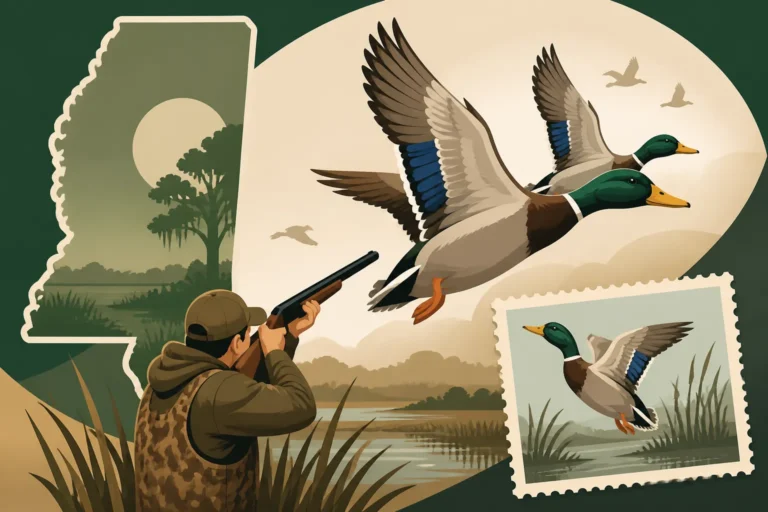
A common misconception is that you also need a Federal Duck Stamp for dove hunting. Let me clear this up right now: a Federal Duck Stamp is not required for hunting doves. It's specifically for hunting waterfowl (ducks and geese). So, while you'll need that stamp if you're planning on Waterfowl Hunting the Mississippi Delta later in the fall, you can leave it at home for doves. However, remember to carry your physical or electronic proof of all required licenses with you in the field. Websites like GoHunt can be useful for quickly checking what licenses you have and when they expire, ensuring you're good to go before you head out. Don't let a simple paperwork oversight derail your opening day plans. If you're wondering about the cost, a quick check on the MDWFP site or a search for Mississippi Resident Sportsman's License Cost will give you the current figures.
Daily Bag Limits and Possession Limits
The MDWFP sets strict limits on how many doves you can harvest. For mourning doves, the most common species hunted in Mississippi, the daily bag limit is typically 15 birds. This means you can only shoot and keep 15 doves in a single day. The possession limit, which is the maximum number of birds you can have on your person or in your vehicle at any given time, is usually three times the daily bag limit, so 45 doves. It’s important to understand the difference between these two limits. If you hunt Saturday and harvest 15 doves, you can't go out Sunday and harvest another 15 and then carry all 30 home with you if you only hunted two days. You are allowed to possess up to the possession limit at your permanent residence or when traveling after your hunt. For example, if you hunt Saturday and Sunday, taking 15 birds each day, you can possess all 30 at your camp or residence. However, if you hit your 15-bird limit on Saturday, you cannot take 16 birds on Sunday, even if you’ve consumed some of your Saturday birds. Always double-check the current year's Mississippi Dove Season Bag Limit as regulations can change.
Crucial Baiting Rules to Avoid Violations
This is perhaps the most critical and often misunderstood aspect of dove hunting regulations, and it's where most violations occur. Baiting rules for migratory birds are federal, and ignorance is not an excuse. Essentially, you cannot hunt doves over a baited area. A baited area is one where grain, salt, or other feed has been placed to attract birds. This isn't just about scattering corn; it can get much more nuanced.
Here's the rub: many agricultural practices can be seen as "baiting" if not done correctly. For instance, doves can be hunted over fields of standing crops or over crops that have been harvested in a normal agricultural operation. They can also be hunted over fields where grain has been scattered solely as a result of normal agricultural planting, harvesting, or post-harvest manipulation. The key phrase here is "normal agricultural operation." If you broadcast seed that doves can eat, and it's not part of a bona fide agricultural planting (like planting a food plot that doves just happen to use), it could be considered baiting. Even if a neighbor plants a field next to yours and doves are attracted to it, you must ensure your hunting area itself isn't baited.
What does "normal agricultural planting" mean? It means planting seeds for a crop in a way that's consistent with established agricultural practices for that area. This isn't a loophole for you to spread seed thinly just to attract birds. If you're managing a field specifically for doves, you need to be incredibly careful. For example, if you plant sunflowers for doves, you can hunt over them once they mature and drop seeds naturally. You can even cut or manipulate the sunflowers to make the seeds more accessible, as long as this is a "normal agricultural practice" for harvesting or preparing the field. However, simply dumping a pile of corn in an open field would be illegal baiting. It's a complex area, and it's always best to consult the MDWFP's migratory bird hunting guide or even call your local game warden if you have any doubts. There's a lot more information available on Mississippi Dove Field Baiting Rules that every hunter should review before setting foot in a field.
Essential Tactics for a Successful Opening Weekend Dove Hunt
Opening weekend for doves is often a whirlwind of activity, and a little strategy can go a long way in ensuring you get some birds in the bag. It's not always about where you sit, but how you set up and how you present yourself to these sharp-eyed birds.
Decoy Placement and Setting Up Your Blind
Doves, like many other birds, are attracted to the sight of their kin. Decoys can be incredibly effective, especially on opening weekend when birds might be less wary. The most common types are static decoys, often clipped onto fences, dead branches, or even on decoy stakes in open areas. For a truly effective spread, consider investing in some motion decoys, like spinning-wing doves. These simulate a bird actively landing or feeding, which can be a huge draw.
When placing static decoys, aim for natural-looking clusters. Doves often land in small groups to feed or rest. If you're hunting a field edge, put some decoys on nearby fences or power lines if available. If you're in an open field, use stakes to elevate some decoys above the crop stubble. For motion decoys, place them where they'll be highly visible, often slightly elevated, mimicking a landing bird. A good rule of thumb is to place decoys within shotgun range of where you intend to sit, creating a "kill zone" that birds will hopefully enter.
As for blinds, doves have excellent eyesight. While you might see some folks just sitting on a bucket in the middle of a field, that's rarely the most effective strategy. Natural cover is always best. Look for hedgerows, tall weeds, brush piles, or the edge of standing timber. If natural cover is sparse, a simple pop-up blind or even some camouflage netting draped over a couple of poles can break up your silhouette. The goal is to blend in, not necessarily to be completely invisible. A partial outline is often enough to make birds wary and veer off course. Remember that on opening weekend, there can be significant pressure, so finding a spot with good cover that's out of sight from other hunters can be a game-changer. Think about how the sun will hit your blind as well; don't set up facing directly into the sun if you can avoid it, as it will make seeing incoming birds a challenge. For more specific advice, check out guides on Setting Up a Dove Field Before Opening Day.
Shotgun and Ammunition Choices for Doves
Doves are small, fast, and surprisingly tough birds. Your choice of shotgun and ammunition can significantly impact your success rate.
Shotgun: Most hunters use 12-gauge or 20-gauge shotguns for doves. A 20-gauge is a fantastic choice, especially for younger hunters or those sensitive to recoil, and it’s perfectly capable of taking doves cleanly. The key is to be comfortable with your gun and be able to swing it smoothly on fast-moving targets. Semi-automatic shotguns are popular for doves because they allow for quick follow-up shots, which you'll often need with these agile birds. Over/under or side-by-side shotguns are also excellent choices, often preferred for their balance and reliability.
Ammunition: For doves, you'll want smaller shot sizes. Lead shot in sizes 7 ½ or 8 is the standard and most effective choice. These smaller pellets create a dense pattern, which is crucial for hitting a small, fast target like a dove. The velocity of the shell is also important; higher velocity loads can give you a bit more reach and punch. You don't need heavy loads; standard target loads are usually sufficient and more comfortable to shoot in volume, which you'll likely do on a good dove hunt. Consider bringing a good quantity of shells – a box of 25 can disappear quickly on a hot dove shoot, and you don't want to run out when the birds are flying! Many seasoned dove hunters will tell you they go through several boxes on a prime opening day. When you're Pass-Shooting Doves Over a Water Hole, those quick follow-up shots are invaluable.
Field Etiquette and Safety Considerations
Dove hunting, especially on opening weekend, often involves multiple hunters in the same general area, whether it's a large private field or public land. This means field etiquette and safety are paramount.
Safety First: Always, always, always be aware of your muzzle direction. Know where other hunters are located and always shoot in a safe direction, away from homes, roads, and other people. Never swing your gun across another hunter. Wear eye protection – stray pellets can come down, and you only get one set of eyes. Ear protection is also a must, especially with the volume of shooting that occurs on a good dove day. Hydration is also a big one, as early September can still be quite warm in Mississippi. Pack plenty of water, and consider a cooler with ice.
Field Etiquette: If you're hunting a field with other people, give everyone ample space. Don't crowd another hunter's setup. If a bird is headed towards another hunter, let them take the shot unless they clearly miss and it's coming your way. Retrieving downed birds is important, but be mindful of interrupting other hunters' shooting. If you have a dog, ensure it's well-behaved and under control. Many hunters enjoy the camaraderie of a dove shoot, but respect for others' space and safety is key to a positive experience for everyone. A good resource for ensuring you're up to snuff on general hunting practices is the MDWFP's Mississippi Hunter Education Requirements information.
Pre-Season Preparation: Scouting and Setting Up Your Dove Field
The best opening weekend dove hunts aren't accidents; they're the result of diligent pre-season work. Just like preparing for Bowhunting Mississippi's Long Archery Season, putting in the effort beforehand pays dividends when the season finally arrives.
Identifying Prime Dove Habitat and Food Sources
Doves are creatures of habit and hunger. To find them, you need to think like a dove. They are primarily grain and seed eaters, so their presence is inextricably linked to agricultural fields.
What to look for:
- Harvested Grain Fields: Corn, wheat, soybeans, milo, and sunflowers are top attractants. Doves will feed on spilled grain left behind after harvest. A freshly cut corn field, for instance, is a magnet.
- Weedy Fields/Edges: Even uncultivated fields with abundant native "weed" seeds, like ragweed, croton (dove weed), pokeberry, and various grasses, can be excellent. Field edges, fencerows, and power lines bordering these areas are also key.
- Gravel and Grit: Doves need grit to help digest their food. Look for areas with exposed soil, gravel roads, or sandy patches.
- Water Sources: While doves can go without water for a while, they typically need to drink twice a day, usually in the morning and late afternoon. A pond, creek, or even a muddy puddle near a feeding area can concentrate birds.
- Roosting Areas: Doves will roost in trees, often dense stands of pines or cedars. While you don't hunt them in their roosts, knowing where they come from and go to can help you intercept them along their flight paths.
Use tools like satellite maps (available through services like GoHunt) to identify potential fields and water sources. Look for areas where different habitat types meet – a harvested field next to a wood line and a water source is a classic dove hot spot. Pay attention to local agricultural schedules; knowing when crops are likely to be harvested gives you a huge advantage.
Working a Dove Field: Planting and Management
For private land hunters or those with access to manage a field, planting specific crops can create a dove magnet. Sunflowers are probably the most iconic dove field crop, but millet, corn, and grain sorghum (milo) are also excellent choices.
Key considerations for planting:
- Timing: Plant early enough so the crop matures and drops seeds by opening weekend. For sunflowers in Mississippi, this often means planting in late spring or early summer.
- Manipulation: Once the crop matures, you can manipulate it to make the seeds more accessible. This might involve mowing strips, disking sections, or even burning parts of the field. Remember, these manipulations must adhere to "normal agricultural practices" to avoid baiting violations. You can learn more about this by reading up on Working a Dove Field on Opening Day.
- Staggered Planting: Some clever managers will plant different sections of a field with different crops or at different times to ensure a continuous food source throughout the season, attracting birds for later splits as well.
It takes time, effort, and often some machinery to manage a top-notch dove field. If you’re considering it, start planning well in advance of the season.
The Importance of Water and Grit
We touched on this briefly, but it bears repeating: water and grit are absolute necessities for doves, and their presence can be the missing piece in an otherwise good field. Doves aren't like ducks that hang out in water; they need to drink it.
Water: If your chosen hunting field doesn't have a natural water source nearby, you might consider creating a small, shallow watering hole. It doesn't need to be deep, just enough for them to land and drink. The edges should be bare or have minimal vegetation for easy access. Doves are wary when they drink, so a clear approach path is crucial. They often hit water holes in the late morning and late afternoon.
Grit: Doves lack teeth, so they ingest small pebbles and coarse sand (grit) to help grind food in their gizzards. If your field lacks natural gravelly areas or sandy spots, consider scattering some coarse sand or chick grit in a small, accessible area. Again, ensure it doesn't look like baiting – a thin, natural scattering is the goal, not a pile. Observing dove behavior will tell you if your water and grit sources are attracting birds. You'll often see them land a short distance away, walk to the edge, drink quickly, and then fly off just as fast.
These pre-season efforts, from scouting with tools like GoHunt to carefully managing your habitat, are what separate a hopeful hunt from a successful opening weekend.
| Requirement | Description | Typical Season Dates (First Split) | Daily Bag Limit | Possession Limit |
|---|---|---|---|---|
| Hunting License | Required for all hunters, resident or non-resident. | Early September | 15 Mourning Doves | 45 Mourning Doves |
| HIP Certification | Required for all migratory bird hunters. (Harvest Information Program) | Ends mid-October (first split) | ||
| Federal Duck Stamp | NOT REQUIRED for doves, only for waterfowl (ducks/geese). | |||
| Blaze Orange | NOT REQUIRED for dove hunting, but check local WMA rules if applicable. | |||
| Baiting Rules | CRITICAL: Hunting over bait (e.g., piles of grain) is strictly prohibited. Must be "normal agricultural operations." |
Disclaimer
Hunting regulations can change frequently. While this guide aims to provide accurate and up-to-date information, it is your responsibility to consult the official Mississippi Department of Wildlife, Fisheries, and Parks (MDWFP) regulations for the current hunting season before participating in any hunting activities. Always prioritize safety and ethical hunting practices.