Mississippi Resident Canada Goose Population
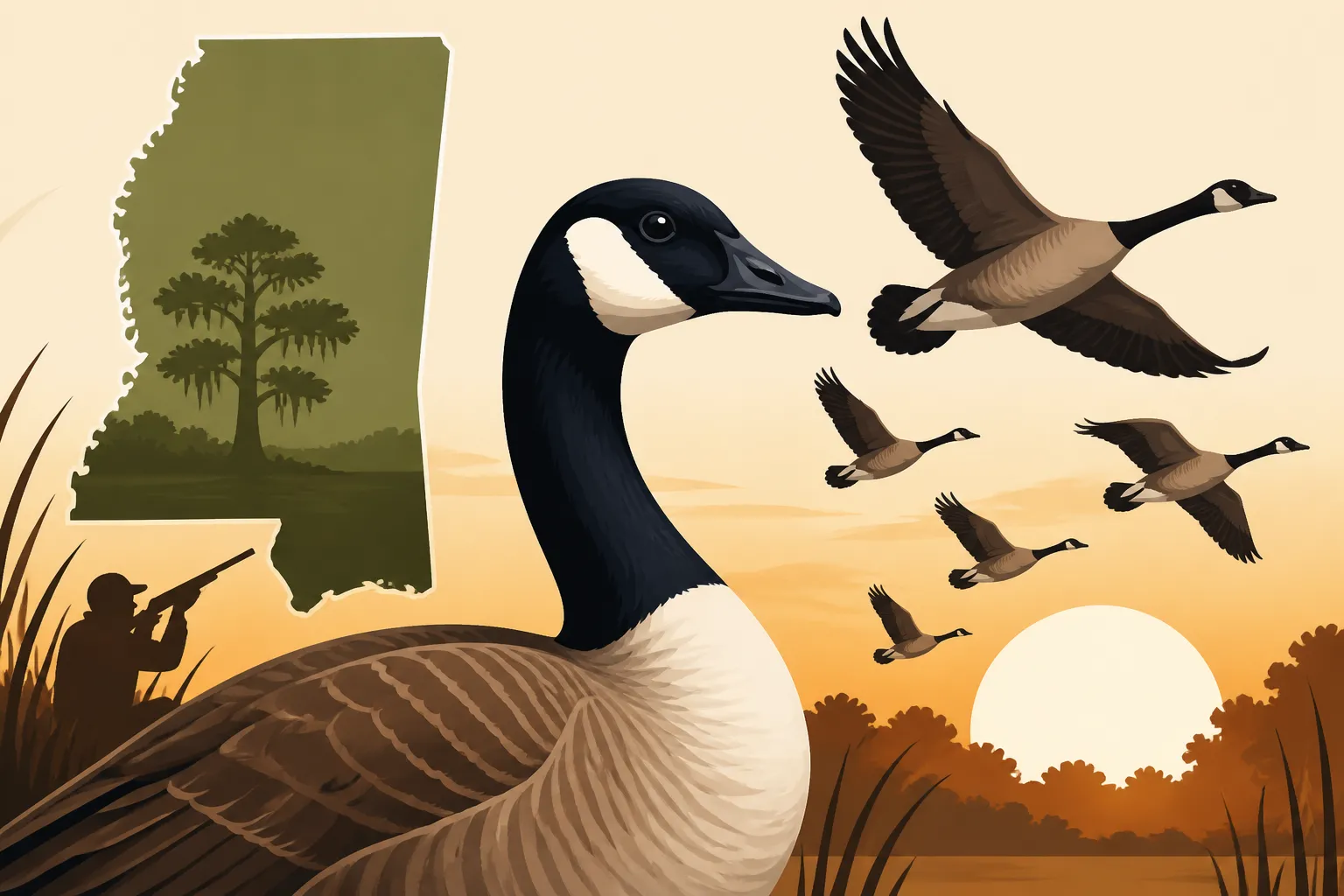
It's a familiar sight across Mississippi: Canada geese honking and grazing in parks, on golf courses, or strutting across a farmer's freshly cut field. Many folks wonder if these are the same birds that make those epic migrations, but the truth is, our state is home to a robust and distinct population of resident Canada geese. These birds stick around year-round, bringing their own set of considerations for wildlife management, landowners, and hunters. This guide will help you understand what makes these local geese tick, where you'll most likely find them, and how to approach hunting or managing them effectively in the Magnolia State.
Understanding Mississippi's Resident Canada Geese: A Different Breed of Bird
When you see Canada geese in Mississippi, it's easy to assume they're just passing through on their way to somewhere else, following the ancient migratory routes of the Mississippi Waterfowl on the Mississippi Flyway. However, many of the geese you encounter, especially outside the traditional winter waterfowl season, are quite literally "local." They've adopted Mississippi as their permanent home, and understanding this distinction is crucial for both conservation and hunting efforts.
The Distinction Between Resident and Migratory Flocks
The Canada geese we often think of are the majestic migratory birds that breed in the far northern reaches of Canada and Alaska, flying south to winter in states like Mississippi. These birds are part of wild, ancient populations honed by instinct to undertake incredible journeys. They follow specific flyways, arriving and departing with predictable seasonal patterns. Their lives are dictated by the rhythm of migration, seeking out prime feeding and resting areas during their travels.
In contrast, Mississippi's resident Canada geese don't migrate. They were typically established from stocking programs in the mid-20th century, often using birds that had been relocated from nuisance populations in other states, or they are descendants of geese that simply chose not to migrate. These geese found our landscape perfectly suitable for year-round living, breeding here and raising their young. They exhibit a much different behavior, often becoming quite habituated to human presence, especially in urban or suburban settings. They don't have the same wild, wary nature as their migratory cousins, which can make them both easier to observe and, at times, a bit too comfortable for people's liking.
Why Mississippi Appeals to Resident Geese
So, what makes Mississippi such a desirable year-round destination for Canada geese that they decide to skip the long flight north and south? It largely comes down to habitat and a lack of significant natural predators in many developed areas. Our climate is mild enough that they don't face extreme winters that would force a migration.
These resident geese have a real knack for exploiting human-modified landscapes. Think about it: golf courses with perfectly manicured, fertilized grass provide an endless buffet. Corporate parks and retention ponds offer safe, open water for roosting and escape cover. Suburban developments often feature numerous ponds, lakes, and expansive lawns, all within easy reach of relatively safe nesting sites. Agricultural fields, especially those growing winter wheat, or those left with waste grain after a corn or soybean harvest, offer incredibly rich feeding grounds that sustain them through the cooler months without any need to fly thousands of miles. They've found a life of relative luxury compared to the arduous existence of their migratory brethren, and they've settled in beautifully, perhaps a little too beautifully for some.
Where to Find Mississippi's Local Goose Populations
Unlike the migratory geese that predominantly congregate in major waterfowl staging areas like the Delta, resident Canada geese are far more widespread across the state. They have a talent for integrating into diverse landscapes, from busy cities to expansive farmland. Knowing where to look for them is key, whether you're trying to manage them or hoping to bag a few for the table.
Urban and Suburban Hotspots
It's probably no surprise, but if you've ever driven through a city like Jackson or Hattiesburg and seen geese congregating, those are your resident birds. They absolutely thrive in urban and suburban environments. Golf courses are prime real estate for them, offering vast expanses of short, nutrient-rich grass, numerous water hazards for safety, and often very little hunting pressure. Large parks with ponds or lakes are also favorite haunts, providing food, water, and open spaces where they can keep an eye out for perceived threats.
Corporate campuses, community parks, and even large residential properties with ornamental ponds become de facto goose sanctuaries. The lack of natural predators in these areas, combined with easy access to food and water, means these populations can grow quite quickly. While it's lovely to see wildlife, these concentrations can lead to significant nuisance issues, from excessive droppings on lawns and sidewalks to aggressive behavior during nesting season. This is why you often hear about Resident Goose Problems Near Jackson or similar frustrations from property owners. These birds are resilient and have adapted wonderfully to living alongside us, sometimes a little too close for comfort.
Agricultural Fields and Waterways
Beyond the manicured lawns of suburbia, resident Canada geese also make extensive use of Mississippi's rich agricultural landscapes and waterways. These birds are opportunistic feeders, and a vast, open crop field is a buffet they can't resist. You'll often find them grazing on winter wheat or gleaning waste grain from cut corn, soybean, or rice fields. They're especially fond of fields that are adjacent to large bodies of water where they can roost safely overnight or escape if disturbed.
Major river systems, like the Mississippi itself, or its tributaries, as well as large oxbow lakes and substantial farm ponds, serve as critical loafing and roosting areas. These expansive water bodies offer safety from predators and provide ample space for large flocks to gather. When scouting for resident geese, services like GoHunt offer detailed aerial maps that can help you pinpoint those crucial water features and feeding fields, whether you're looking at private land or trying to locate less-pressured areas on public access. Understanding the relationship between these feeding areas and their associated roosting waters is crucial for successful hunting or effective dispersal efforts. Many an early morning hunt has been made by locating geese in a field and then watching them fly from a nearby river or lake. Canada Geese on Mississippi Farmland is a common sight that many landowners contend with.
Public Land Considerations for Resident Geese
While a significant portion of Mississippi's resident Canada goose population can be found on private land, especially around agricultural areas and developed properties, they do utilize public lands as well. Wildlife Management Areas (WMAs) with diverse habitats, particularly those that include open water and agricultural components like managed food plots or leased crop fields, can hold resident geese. Areas like Malmaison WMA or Mahannah WMA, with their extensive bottomland hardwoods and associated open areas, might see resident geese mingling with migratory waterfowl.
However, it's important to set realistic expectations. Public lands are often heavily hunted, and resident geese can become quite wary if pressured. Furthermore, many WMAs are managed primarily for migratory waterfowl, meaning the focus might be on flooded timber or green tree reservoirs, which resident geese use, but perhaps not as exclusively as open fields. When you're using a tool like GoHunt to scout public areas, look for sections with open water that are adjacent to fields or clearings that might provide feeding opportunities. Pay attention to how the land is managed – if there are agricultural leases or dedicated water bodies, resident geese might be present. Always check the specific WMA regulations, as hunting hours, methods, and access can vary.
Hunting and Managing Resident Canada Geese in Mississippi
Hunting resident Canada geese presents a unique set of opportunities and challenges compared to pursuing their migratory counterparts. Because they don't face the same pressures of migration, they can often be found in more accessible locations, but they can also become incredibly wary once they've been hunted a few times. Effective management often involves a blend of smart hunting strategies and, for landowners, non-lethal deterrents.
Special Seasons and Regulations
One of the key differences when it comes to resident Canada geese is how they are managed by the Mississippi Department of Wildlife, Fisheries, and Parks (MDWFP). Due to their often burgeoning populations and the nuisance issues they can cause in urban and agricultural areas, special seasons are often implemented. These "resident goose seasons" or "early goose seasons" are typically more liberal than the regular Mississippi Duck and Goose Bag Limits and seasons for migratory birds. The goal is to provide additional opportunities for hunters to help control these localized populations.
It's absolutely critical to consult the most current MDWFP waterfowl regulations annually. Dates can shift, bag limits can change, and specific rules might apply to these early or extended seasons. Often, these seasons run outside the main duck splits or other goose seasons, giving hunters a unique window to target these birds. Always ensure you have your proper state hunting license, a federal duck stamp Mississippi Federal Duck Stamp Requirement, and your HIP certification Mississippi HIP Certification for Bird Hunters before heading out. Understanding these specific regulations ensures you're hunting legally and contributing to responsible wildlife management.
Here's a quick comparison of some general distinctions between resident and migratory Canada geese:
| Feature | Resident Canada Geese | Migratory Canada Geese |
|---|---|---|
| Seasonality | Year-round presence, breed in Mississippi | Seasonal presence, migrate through Mississippi in winter |
| Primary Habitat | Urban/suburban parks, golf courses, farm ponds, agri fields | Large wetlands, floodplains, major river systems, Delta fields |
| Behavior | Often habituated to humans, less wary in unhunted areas | Generally wilder, more cautious, follow strong migratory instincts |
| Management | Often targeted with early/extended seasons due to nuisance | Managed under broader federal migratory bird treaties and seasons |
| Size/Appearance | Can vary, but often robust; appearance can be less uniform | Generally larger, darker, distinct sub-species variations |
Tactics for Hunting Resident Geese
Hunting resident Canada geese requires a slightly different approach than the high-flying migratory birds. While the basics of waterfowl hunting apply—scouting, decoys, calling, and concealment—resident geese often respond to tactics tailored to their local habits.
First, scouting is paramount. These geese are creatures of habit. They will often use the same fields to feed and the same bodies of water to roost day after day. Tools like GoHunt can be invaluable for identifying potential hotspots and understanding property lines when you're knocking on doors for permission. Look for fields with waste grain, patches of winter wheat, or lush green pastures near a reliable water source. Spend time observing their flight patterns, noting entry and exit routes.
Decoy spreads don't always need to be as massive as those used for migratory birds, but realism helps. Full-body decoys are fantastic, especially when placed in family groups, as resident geese tend to stick together in smaller, established flocks. Motion decoys, like flags or windsock flyers, can add realism. Concealment is critical. Resident geese might be used to humans, but they're not dumb. A well-brushed blind, a layout blind in a cut field (Layout Blind Hunting Delta Farm Fields), or natural cover that blends seamlessly into the environment is essential.
Calling can be effective, but often less aggressive than what you might use for migratory birds. Soft clucks, moans, and subtle greetings can be more productive than loud, frantic honking. They often respond well to a friendly, conversational tone rather than an excited sales pitch. Securing landowner permission is often the biggest hurdle, but also the biggest opportunity, as many landowners are eager for help managing these populations. Discussing Early Goose Season Tactics in Mississippi can provide more detailed insights for your hunt planning.
Addressing Nuisance Issues and Landowner Engagement
For many people, the resident Canada goose population isn't a hunting opportunity but a nuisance. Geese can cause significant damage to agricultural crops, foul ponds and golf courses with droppings, and even exhibit aggressive behavior during nesting season, especially toward people venturing too close to their goslings. Managing these issues often requires a multifaceted approach.
For landowners experiencing problems, non-lethal deterrents can be tried first. These include hazing (using noisemakers, trained dogs, or even remote-controlled vehicles to scare them away), altering habitat (letting grass grow taller near water edges to discourage easy access), or installing visual deterrents like Mylar streamers. However, geese are smart and can quickly habituate to these methods.
This is where hunting plays a vital role in wildlife management. Liberal hunting seasons, particularly the early resident goose seasons, provide an effective and ethical means of controlling populations and reducing conflicts. Encouraging hunters to target resident geese on private lands, with proper permission, can directly alleviate problems for farmers and property owners. Hunters essentially become partners in property management. By being polite, respectful, and offering to share some of the harvested meat, hunters can often build strong relationships with landowners who are eager for assistance. Furthermore, state agencies like the MDWFP offer resources and guidance for landowners dealing with nuisance wildlife, sometimes even offering permits for population control outside of hunting seasons when necessary.
Disclaimer
This article is for general informational purposes only and does not constitute professional advice. Laws, prices and regulations vary by location and change over time. Consult a qualified professional for guidance on your specific situation.