Resident Goose Problems Near Jackson
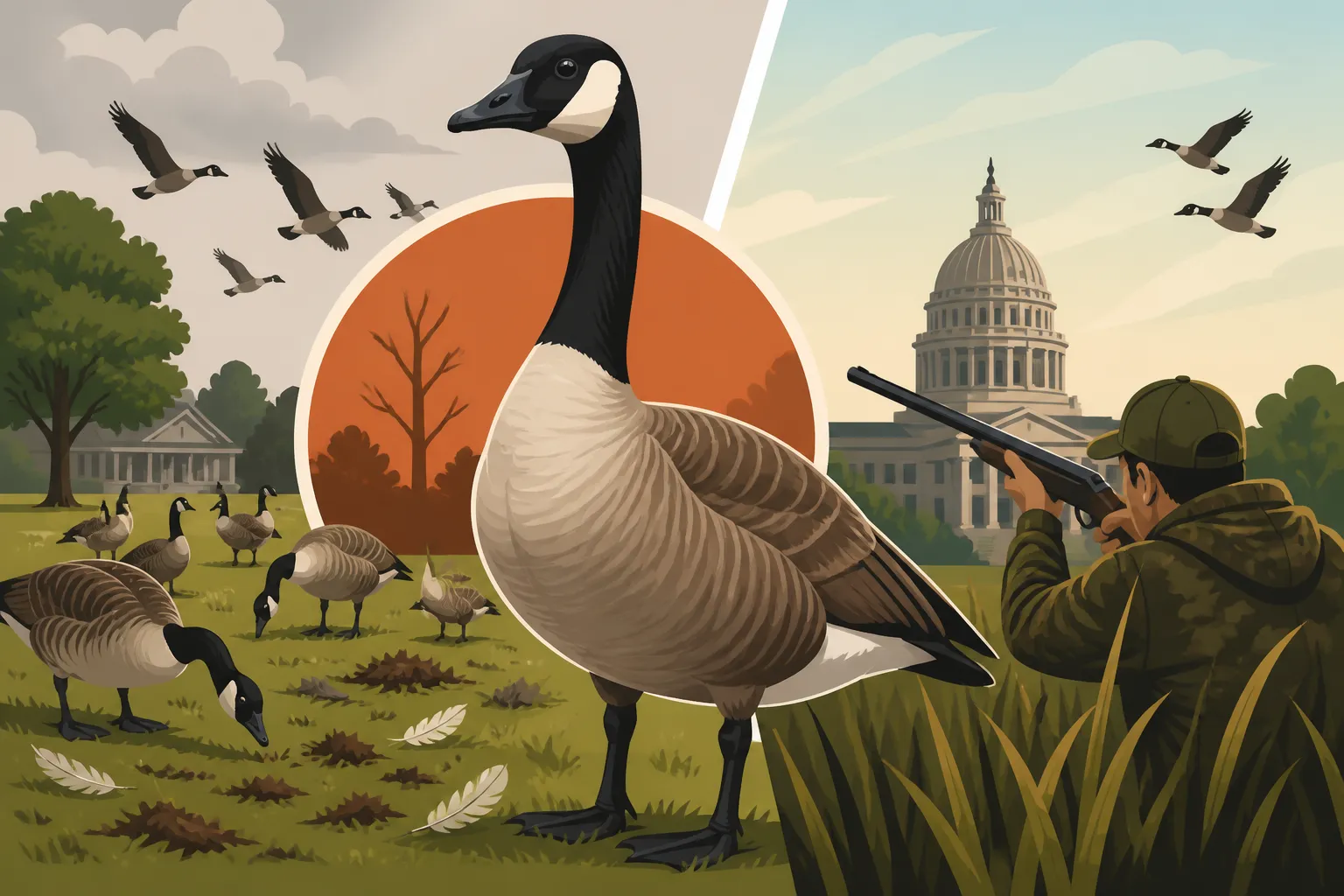
It's a scene many of us in and around Jackson have come to know all too well: a peaceful pond or a manicured green space, seemingly idyllic, until you notice the sheer volume of Canada geese. What starts as a charming presence can quickly spiral into a real nuisance, impacting everything from your backyard aesthetics to public park usability. These resident geese aren't the migrating birds just passing through; they've decided to make our communities their permanent homes, and the consequences, from relentless droppings to aggressive behavior, can be frustrating for homeowners, business owners, and city planners alike. This guide will delve into why these geese have become such a fixture, the specific challenges they present here in Jackson, and, most importantly, the practical, humane, and legal ways we can manage their presence.
Understanding Mississippi's Resident Canada Goose Population
When most people think of Canada geese, they picture those iconic V-formations high in the sky, heading north for the summer and south for the winter. But here in Mississippi, particularly around urban and suburban areas like Jackson, we're often dealing with a different beast entirely: the resident Canada goose. These aren't the travelers; these are the geese that hatched here, stayed here, and plan to raise their families here. Their very presence signals a unique set of challenges compared to their migratory cousins.
The Rise of Non-Migratory Geese
Historically, Canada geese were primarily migratory, breeding in the northern latitudes and wintering much further south. However, over the last few decades, thanks to habitat changes and reintroduction efforts in various states, a significant population of non-migratory, or "resident," geese has emerged. These birds have adapted incredibly well to human-modified landscapes. Think about it: our golf courses, corporate parks, subdivision ponds, and even our neatly mowed lawns provide exactly what a goose needs. They offer abundant, easily accessible food (lush grass), safety from natural predators (which are often scarce in urban areas), and calm, protected bodies of water for nesting and raising goslings.
The result is a booming population that doesn't feel the ancient urge to migrate thousands of miles. They thrive in these environments, reproducing year after year, with each new generation being just as comfortable, if not more so, with human proximity. You see them waddling through suburban developments in Clinton, grazing on the lawns of businesses along I-55, or taking over ponds in Madison. They've found a good thing, and they're sticking to it, which is why we’re seeing Mississippi Resident Canada Goose Population numbers increase in certain areas.
Differences Between Migratory and Resident Geese
It's crucial to understand that treating a migratory goose problem is very different from managing resident geese. Migratory geese are transient; they're only around for a season, following ancient routes that take them far away. Their impact, while sometimes significant, is usually temporary. Resident geese, however, are a permanent fixture, and their impact accumulates over time.
One of the biggest differences is their behavior and level of "wildness." Migratory geese tend to be warier, less accustomed to human interaction. Resident geese, by contrast, are often quite bold, having grown up around people, cars, and even pets. This familiarity can lead to aggression, especially during nesting season when they're protecting their young. They might hiss, charge, or even nip at people who get too close, making parks or walking trails less inviting. Furthermore, because resident geese are constantly present, their waste products and other impacts are concentrated in one area for extended periods, leading to more persistent problems. If you're looking into managing these populations, understanding general waterfowl movements can be helpful, especially in distinguishing them from their migratory kin; you might find resources on Mississippi Waterfowl Migration Timing insightful for broader context.
The Specific Problems Resident Geese Cause in Jackson
While a few geese might seem charming, a large, established population of resident Canada geese can quickly become a significant headache for residents, property managers, and city officials here in Jackson. The issues they create go far beyond a quaint photo opportunity.
Property Damage and Maintenance Nightmares
Let's be blunt: geese eat a lot, and they poop even more. A single goose can produce several pounds of droppings daily. Multiply that by dozens, or even hundreds, of geese in a specific area, and you've got a serious problem. Imagine a perfectly manicured golf course in Ridgeland, a pristine park lawn in Jackson, or a community common area in Flowood. These areas are designed for aesthetics and recreation, but a blanket of goose droppings makes them unsightly, unsanitary, and frankly, unusable.
The high nitrogen content in goose droppings can also burn and kill grass, leaving unsightly brown patches. Their constant grazing can decimate newly planted sod or delicate landscaping, costing property owners thousands in repair and replanting efforts. Beyond the grass, geese can trample flowerbeds, compact soil, and create muddy trails around water features, further degrading the aesthetic and structural integrity of properties. Think of a well-maintained pond: geese can muddy the edges, erode banks, and introduce excess nutrients, throwing off the delicate ecosystem of the water feature.
Public Health and Safety Concerns
The sheer volume of goose droppings isn't just an aesthetic issue; it's a significant public health concern. Goose feces can contain bacteria like E. coli, Salmonella, and Giardia, which can cause serious gastrointestinal illnesses in humans. Children playing in parks, golfers retrieving balls, or even pets running through a lawn are at risk of coming into contact with these pathogens. The contaminated grass can transfer bacteria to hands, shoes, or even directly into water sources.
Beyond bacteria, large goose populations can attract other pests, like flies, which can further spread disease. Standing water, often created by compacted soil and poor drainage in goose-infested areas, can also become breeding grounds for mosquitoes.
Then there's the safety aspect. During nesting season, typically in early spring, geese can become extremely aggressive. A male goose, or gander, guarding a nesting female or goslings, will not hesitate to chase, hiss, or even bite people who venture too close. This can be particularly terrifying for children, the elderly, or those with pets. Imagine trying to enjoy a walk around a peaceful lake in Lefleur's Bluff State Park, only to be charged by a protective gander. It certainly dampens the experience and can lead to falls or other injuries.
Impact on Water Quality and Local Ecosystems
The problem of excessive goose droppings extends directly into our waterways. When geese congregate around ponds, lakes, and retention basins, their waste washes into the water, introducing massive amounts of phosphorus and nitrogen. This nutrient overload can lead to eutrophication, causing algal blooms, reduced oxygen levels, and a decline in water quality. This not only makes the water look unsightly and smell bad but can also kill fish and other aquatic life.
For communities like Jackson that rely on clean local water bodies for recreation and even drinking water sources, this can be a serious environmental issue. Efforts to maintain healthy aquatic ecosystems can be undermined by unchecked goose populations. Furthermore, the geese can also introduce non-native plant seeds or disrupt delicate wetland vegetation through their feeding and trampling, impacting local biodiversity. It's a domino effect, where one seemingly small problem escalates into a complex ecological challenge.
Managing Resident Goose Issues: Humane and Effective Strategies
Dealing with resident Canada geese requires a multi-faceted approach, often combining several techniques to achieve lasting results. It’s not about total eradication, but about managing their numbers and encouraging them to find less problematic habitats. For those interested in broader waterfowl hunting, understanding regulations like Mississippi Duck and Goose Bag Limits and securing the Mississippi Federal Duck Stamp Requirement are crucial, but for resident goose management, we're often talking about different, non-lethal strategies.
Habitat Modification: Making Your Property Less Appealing
One of the most effective long-term strategies is to make your property less inviting to geese. They are creatures of comfort, drawn to open, grassy areas adjacent to water, where they can easily see predators and access food.
- Tall Grass Barriers: Geese dislike tall vegetation because it obstructs their view of potential threats. Instead of mowing right up to the edge of a pond or lake, consider letting a strip of grass grow 20-30 inches tall for a distance of 15-30 feet. This creates a natural "no-go" zone that makes them feel less secure. You can do this around retention ponds in neighborhoods or on the edges of large lawns.
- Alternative Landscaping: Replace expansive turf grass with shrubbery, ground covers, or taller native grasses that geese don't prefer to eat or can't easily navigate. This reduces their food source and line of sight. Planting native wildflowers or even small thorny bushes along shorelines can be very effective.
- Overhanging Vegetation: If possible, plant trees or shrubs with overhanging branches near water bodies. Geese prefer open access to water, and dense, low-hanging foliage can deter them from landing or using that section of the pond.
These modifications might seem small, but collectively, they send a clear message to geese that "this isn't the best place to set up shop."
Harassment and Hazing Techniques
The goal here is to make geese uncomfortable enough that they decide to move on, without actually harming them. Consistency is key; geese are smart, and if your harassment isn't persistent, they'll learn to ignore it.
- Visual Deterrents: Reflective tape, predator decoys (coyotes, foxes, or even swans), and Mylar balloons can sometimes work, but geese are quick to habituate. You need to move decoys frequently and introduce new elements to keep them guessing. A scarecrow that changes positions or clothing daily is more effective than one that stays static.
- Auditory Deterrents: Devices that emit predator calls, distress calls, or loud noises can be used, but again, geese can become accustomed to them. Pyrotechnics are sometimes used in agricultural settings but require special permits and training due to safety concerns. In urban settings, simpler noisemakers or even a loud clap can work if done consistently as soon as geese land.
- Physical Hazing: The most hands-on approach involves actively chasing geese away. This could mean walking a dog (especially a trained goose-herding dog, which some professional services offer), or simply walking towards them with a determined pace, waving your arms. The key is to do this every single time they land, making the area undesirable. Remember, safety first – never corner a goose, especially during nesting season. For those interested in understanding how game behavior influences tactics, research on Early Goose Season Tactics in Mississippi might offer insights, though the context differs.
Egg and Nest Management
This is often the most impactful long-term strategy for reducing resident goose populations, as it directly addresses reproduction. However, it requires federal permits and must be done ethically and legally.
- Addling or Oiling Eggs: This involves coating the eggs with corn oil or another non-toxic substance, which prevents oxygen from passing through the shell, effectively stopping development. The geese continue to incubate the infertile eggs, preventing them from laying new ones. This is considered humane because the geese don't realize the eggs are non-viable and won't re-nest.
- Nest Removal: In some cases, with the proper permits, nests can be removed. However, geese often re-nest quickly if their first attempt is disturbed, so addling is generally preferred as it keeps them focused on the infertile eggs.
It is absolutely crucial that you do not attempt to addle eggs or remove nests without proper authorization. Canada geese are protected under the Migratory Bird Treaty Act, even resident populations. You must obtain a permit from the U.S. Fish and Wildlife Service (USFWS) to interfere with nests or eggs. State wildlife agencies, like the MDWFP, also have regulations. Unauthorized interference can lead to hefty fines. You can find more information on applying for these permits through the USFWS website.
Legal Considerations for Goose Management
Navigating the rules and regulations surrounding Canada geese in Mississippi can feel like a maze, and it’s critical to get it right. Because Canada geese, even resident ones, are considered migratory birds, they fall under federal protection. This means you can't just take matters into your own hands without understanding the law.
Federal and State Protections
The primary piece of legislation protecting Canada geese is the Migratory Bird Treaty Act (MBTA). This federal law makes it illegal to hunt, capture, kill, or possess migratory birds, their eggs, nests, or parts, without a federal permit. Even though resident geese stick around all year, they are still considered "migratory birds" under this act. This means that activities like harassing geese, destroying their nests, or disturbing their eggs require authorization from the U.S. Fish and Wildlife Service (USFWS).
In Mississippi, the Department of Wildlife, Fisheries, and Parks (MDWFP) also has regulations that align with federal law. While they don't have separate seasons for resident vs. migratory geese, specific hunting seasons for Canada geese generally target the migratory populations or resident geese during regulated periods. It's essential to consult both federal and state guidelines, often through resources like the MDWFP website or the GoHunt app, to ensure you're in compliance. Trying to solve your goose problem through hunting without proper licenses and understanding the specific season dates, such as those covered in Mississippi Waterfowl Zones and Seasons, could lead to legal trouble.
Permitting for Control Activities
If you're looking to implement more aggressive control measures, particularly those involving nests, eggs, or lethal removal, you will need a permit.
- Depredation Permits: For activities like egg addling, nest destruction, or lethal removal of geese causing significant damage, the USFWS offers depredation permits. These are typically issued when non-lethal methods have proven ineffective or impractical. The application process usually requires demonstrating the extent of the damage, documenting attempts at non-lethal deterrence, and outlining the proposed control measures. It's not a quick process, and there are strict guidelines on how the control must be carried out.
- Egg/Nest Registration: For certain entities (like golf courses, airports, municipalities, or landowners with severe problems), the USFWS may offer a "Canada Goose Nest and Egg Depredation Order" registration. This allows authorized individuals to destroy nests and addle eggs without an individual permit, provided they register online and report their activities. This is usually the most common method for widespread egg management.
Always remember: if in doubt, consult with your local MDWFP office or the USFWS before undertaking any action that might impact geese, their nests, or their eggs. Unauthorized actions can lead to significant penalties. While tools like GoHunt are fantastic for understanding game regulations and seasons for legal hunting, they aren't a substitute for direct communication with the regulatory bodies concerning nuisance wildlife control.
Practical Steps for Jackson Residents and Property Managers
Dealing with nuisance geese in Jackson might seem overwhelming, but by breaking it down into manageable steps and understanding the resources available, you can develop an effective strategy. It's about being proactive and consistent.
Assessment and Documentation
Before you jump into any action, take some time to really understand the scope of your goose problem.
- Observe Behavior: When do the geese arrive? Where do they feed, roost, and nest? Are they aggressive? Understanding their daily patterns will help you target your management efforts. Is it a handful of birds, or a large flock?
- Document Damage: Take photos and videos of the damage they're causing – torn-up lawns, excessive droppings, contaminated water. Keep records of maintenance costs related to goose damage. This documentation is crucial if you later need to apply for a permit for more extensive control measures.
- Identify Attractants: What about your property or the surrounding area is drawing the geese? Is it a perfectly mowed lawn, a readily accessible pond, or perhaps someone nearby is feeding them? Identifying these attractants is the first step in habitat modification. This is where researching local wildlife patterns can be beneficial; a resource like GoHunt can provide insights into animal behavior, even if not specifically for nuisance geese.
Developing a Management Plan
Once you've assessed the situation, you can put together a tailored plan. This isn't a one-size-fits-all solution; what works for a homeowner might be different from what a golf course needs.
- Start with Non-Lethal: Always begin with habitat modification and persistent hazing. These are generally the most humane and often the most cost-effective initial steps. For a small backyard pond, letting the grass grow tall around the edges and consistently chasing off any geese that land might be enough. For a larger corporate park, a more organized hazing program or even a trained goose-herding dog might be necessary.
- Consider Professional Help: If the problem is severe, or if you're a large institution like a city park or a golf course, hiring a professional wildlife control service that specializes in goose management can be invaluable. These professionals understand the permits required, have access to specialized hazing equipment, and can implement comprehensive strategies, including egg addling, legally and effectively. They're also often aware of local nuances in enforcement and best practices.
- Community Involvement: If the problem extends beyond your property line, consider reaching out to neighbors, homeowner associations, or local city officials. A coordinated effort is often more effective, especially for birds that move between properties. For example, if multiple houses around a community pond implement tall grass barriers, the geese are more likely to leave the entire area. Educating the community about why not to feed geese is also critical; feeding them only exacerbates the problem.
Sustained Effort and Adaptability
The biggest mistake people make in goose management is giving up too soon. Geese are persistent. If your hazing efforts are inconsistent, they'll learn quickly that you're not a real threat and return.
- Consistency is Key: Whatever methods you choose, apply them consistently. If you're hazing, do it every time you see them. If you're modifying habitat, maintain those changes.
- Don't Be Afraid to Adjust: If one method isn't working after a reasonable trial period, don't be afraid to try something new or add another layer of deterrence. Geese can adapt, so your strategies might need to adapt too. Perhaps combining visual deterrents with physical hazing is more effective than either alone.
- Long-Term Vision: Understand that managing resident geese is often a long-term commitment, not a one-time fix. New geese might move in, or populations can rebound if efforts cease. By staying vigilant and maintaining your management plan, you can keep the problem under control and ensure that the charm of these birds doesn't turn into a perennial headache for Jackson.
Disclaimer
This article is for general informational purposes only and does not constitute professional advice. Laws, prices and regulations vary by location and change over time. Consult a qualified professional for guidance on your specific situation.