Hunting the Piney Woods Region
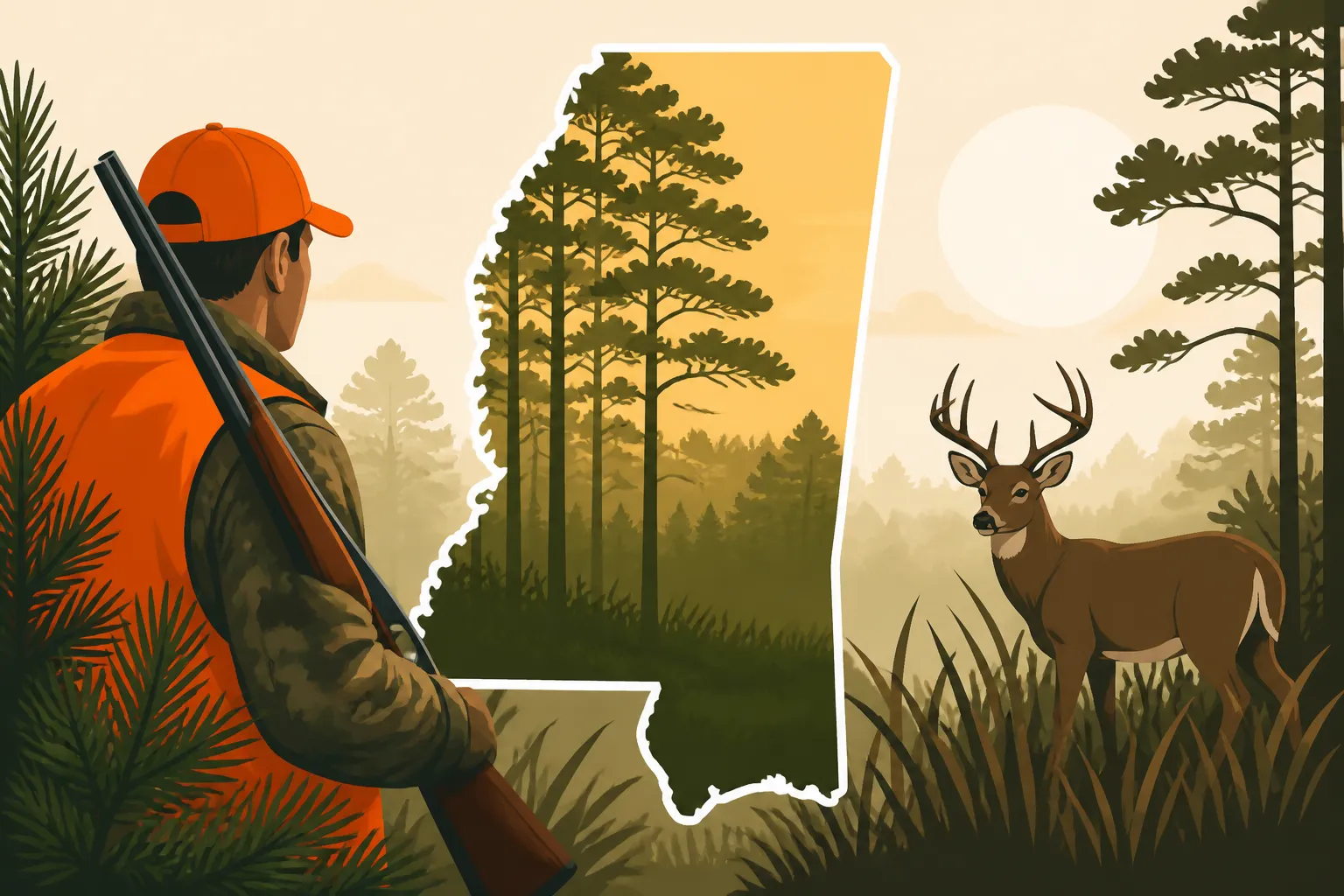
Heading into Mississippi's Piney Woods region for a hunt can feel like stepping into a different world compared to the vast agricultural fields of the Delta or the rolling hills of the central part of the state. Many hunters who are used to those landscapes find themselves scratching their heads when they first try to navigate the dense pine plantations and sandy creek bottoms here, wondering where the deer hide and how on earth to call a turkey in such thick cover. This guide is going to walk you through the unique challenges and incredible opportunities that hunting in the Piney Woods offers, giving you the insights you need to confidently pursue game in this distinct Mississippi habitat.
Understanding the Piney Woods Landscape
The Piney Woods region of Mississippi is a truly unique part of our state, defined by its vast forests, primarily composed of various species of pine, interspersed with hardwoods in drains and creek bottoms. It's a landscape that presents its own set of challenges and rewards for the dedicated hunter, a far cry from the dense bottomland hardwoods or the agricultural expanses elsewhere.
Characteristics of the Region
When you think of the Piney Woods, picture seemingly endless rows of loblolly and longleaf pines, often planted in commercial timber operations. These plantations can range from young, thick saplings that are almost impenetrable, to mature, open stands that feel like cathedrals. The soil here is often sandy, especially on the ridges, which affects everything from water retention to the types of forage available for deer. You'll find rolling terrain, but typically not as dramatic as the Hills Unit. Instead, it's a constant series of gentle rises and falls, cut through by countless small creeks, drains, and sloughs that often hold pockets of older hardwood timber, creating vital transition zones. This mix of pine uplands and hardwood lowlands is crucial to understanding game movement. The understory in the pine areas can be dense with yaupon, gallberry, and various briars, making quiet movement a real art form.
These characteristics mean that cover is almost always abundant, which can be a double-edged sword. While deer and turkeys certainly appreciate the security, it can make spotting game at a distance incredibly difficult. You’re often hunting within much shorter sightlines, requiring a different approach to scouting and stand placement. Hunters who rely on glassing open fields or long timber lines will need to adjust their expectations and tactics here. The very nature of the timber industry also means that clear-cuts are a common sight, and these areas, in various stages of regrowth, are absolute magnets for deer and sometimes turkeys, providing crucial browse and bedding cover.
Key Hunting Differences from Other Units
Hunting the Piney Woods, which largely falls within Mississippi’s Southeast Deer Management Unit, differs significantly from chasing whitetails in the Delta or the Hills. In the Delta, you're often dealing with vast, flat bottomland hardwoods, immense sloughs, and a heavy agricultural influence. Deer there tend to have different patterns, often traveling along ditch lines or through standing crops, and their food sources are heavily influenced by agriculture and acorns. In the Hills Unit, you encounter more dramatic topography, with steep ridges, deep draws, and a mixed hardwood-pine forest type. Deer movements often follow these topographical features, making saddles and ridge points key.
In the Piney Woods, the sheer dominance of pine timber, whether planted or natural, shapes everything. Food sources are more scattered, often concentrated in those aforementioned hardwood drains, or within the younger clear-cuts. Deer in the Piney Woods are also very adept at navigating thick cover, often using it to their advantage to evade hunters. Their trails might not be as obvious as in softer Delta soil or along well-worn ridge lines. Furthermore, the Piney Woods generally sees a slightly later rut compared to some parts of the state, particularly the North Central or Hills units, which means hunters need to adjust their timing and calling strategies accordingly. Understanding these subtle but critical differences is paramount to success here. You can find more detail on these regional distinctions in Mississippi's Four Deer Management Units.
Primary Game Species in the Piney Woods
The Piney Woods region, while distinct, still offers fantastic hunting opportunities for several key species that have adapted to its unique environment.
White-Tailed Deer
Deer are the undisputed kings of the Piney Woods, even if they often live a more reclusive life here than in other parts of the state. The pine plantations, particularly those in the earlier stages of growth (say, 3-10 years old), provide incredible bedding cover and abundant browse. Young pine shoots, briars, greenbrier, honeysuckle, and various forbs thrive in the sunlight that reaches the forest floor before the canopy closes. Deer will often bed deep within these thickets, moving out to feed along the edges, into hardwood drains, or into more mature pine stands that have been thinned or burned, allowing sunlight and forage to reach the ground.
The critical factor for deer in the Piney Woods is often the availability of quality forage and water. While the pine uplands can be relatively dry and offer limited browse, those hidden hardwood drains and creek bottoms become absolute magnets. Here, you'll find oaks, sweet gums, and other mast-producing trees, providing crucial food sources like acorns. Deer will also frequently travel these low-lying areas, using them as natural corridors through the denser pine stands. Hunters looking for success will spend significant time scouting these transition areas, looking for trails leading from thick bedding cover in the pines down into the more diverse food sources of the hardwoods. Scouting tools like onX Hunt can be invaluable for identifying these subtle transitions on satellite imagery.
Wild Turkey
Hunting wild turkeys in the Piney Woods is a challenging but incredibly rewarding endeavor. Eastern gobblers thrive in a mosaic of mature pine and hardwood forests, and the Piney Woods offers plenty of that, especially where older timber exists or where prescribed burns have opened up the understory. Turkeys will often roost in the tallest pines or hardwoods along creek bottoms, and their morning movements typically involve flying down into more open pine stands, clear-cuts, or food plots to feed and strut.
The challenge here often lies in calling. The dense understory can gobble up sound, making it harder for both you to hear distant gobblers and for gobblers to hear your calls. Hunters often employ a more aggressive "run-and-gun" style in the Piney Woods, covering ground to locate birds, then setting up quickly when one responds. They'll use terrain features, like the crest of a low ridge or an open logging road, to extend their calling range. Early season hunting can be particularly productive as birds are still establishing their pecking order and haven't been pressured much. Learning the intricacies of Mississippi Spring Turkey Season Rules is key before heading out.
Feral Hogs
Feral hogs are unfortunately rampant throughout much of Mississippi, and the Piney Woods is no exception. These destructive animals thrive in the dense cover and often moist creek bottoms, where they can root for tubers, eat acorns, and find ample bedding. While they present a significant challenge to local ecosystems and agriculture, they also offer a year-round hunting opportunity with no bag limits on private land.
Hunting hogs in the Piney Woods often involves scouting for fresh rooting, wallows, and rubs along creek banks or in newly regenerated clear-cuts. Their presence can be identified by trails that look like small bulldozers went through, or the distinct musky odor. Hunters often target hogs by still-hunting silently through creek bottoms, setting up ambushes along their travel corridors, or using bait sites on private land. Night hunting with thermal or night vision optics is also popular and effective where legal, often requiring coordination with landowners. Familiarity with Mississippi Feral Hog Regulations is a must.
Small Game and Predators
Beyond the big game, the Piney Woods is a haven for small game hunters. Squirrels, both gray and fox, are abundant wherever mature oak and hickory trees are found, especially along the hardwood drains and creek bottoms. Rabbit hunting can also be quite productive, particularly in younger clear-cuts, powerline rights-of-way, and around field edges where thick briars and brush provide cover. These hunts offer a great way to introduce new hunters to the field or to simply enjoy a more relaxed outing.
Coyotes are also prolific in the Piney Woods, preying on deer fawns, small game, and even turkeys. Predator hunting, particularly calling coyotes, is a year-round pursuit and can be a thrilling challenge. Locating them often involves finding areas where deer or rabbits are plentiful, or setting up near clear-cuts where they might be hunting. Calling tactics range from distress calls to howls, adapting to the terrain and typical sightlines of the pine forests.
Accessing Hunting Lands in the Piney Woods
Finding a place to hunt in the Piney Woods region requires understanding the diverse types of land available, from vast national forests to private timber holdings.
Bienville and DeSoto National Forests
Two of Mississippi's most prominent National Forests, Bienville and DeSoto, are quintessential examples of the Piney Woods landscape and offer extensive public hunting opportunities. These forests are managed for multiple uses, including timber production, recreation, and wildlife. This means you'll find a mosaic of habitat types, from mature stands to recent clear-cuts and replanted areas, often interspersed with bottomland hardwood drains.
Hunting in these National Forests requires diligent scouting. Deer will utilize the thick cover of young pine plantations for bedding and move to more open areas or hardwood bottoms for feeding. Turkey hunters will find birds roosting along creek drainages and working open pine stands or clear-cuts. It's crucial to obtain a good map, either a physical one or a digital map like those found on onX Hunt, to understand the boundaries, road systems, and topographical features. Be aware of timber operations, which can temporarily disrupt hunting but often create excellent habitat in the long run. Rules and regulations, including specific weapon restrictions or special seasons, align with statewide rules, but always double-check for any specific National Forest guidelines.
Wildlife Management Areas (WMAs)
In addition to the National Forests, several Wildlife Management Areas (WMAs) are situated within or adjacent to the Piney Woods region, offering controlled and often highly productive hunting experiences. WMAs are typically managed more intensively for wildlife, often featuring food plots, prescribed burns, and strategic timber thinning to enhance habitat. Examples include areas like Leaf River WMA or Henneberry WMA, though always check the most current MDWFP WMA list for those specifically in the Piney Woods.
Hunting on WMAs often comes with more specific regulations regarding hunting dates, bag limits, weapon types, and hunter access. Many WMAs require a WMA permit in addition to your standard Mississippi Hunting Licenses and What They Cost. Some may implement quota hunts for certain species, requiring an application and draw. Others might have designated zones for specific hunting methods, like archery-only areas. These areas can experience higher hunting pressure due to their reputation for good game populations, so scouting for less-traveled spots and understanding how deer and turkeys react to pressure is essential. The MDWFP website and app are excellent resources for WMA-specific rules and maps. You can generally find information on specific WMAs in Mississippi Wildlife Management Areas.
Navigating Private Land and Leases
A significant portion of the Piney Woods is privately owned, largely by timber companies or individual landowners. Accessing these lands can unlock some incredible hunting opportunities, often with less pressure than public areas. For timber company lands, some companies offer recreational leases, which can range from small individual tracts to large hunting club leases. These leases can vary in price and terms, so it's important to understand what's included and what's expected.
For individual landowners, obtaining permission often comes down to polite inquiry and building a relationship. Many landowners are receptive to hunters who are respectful of their property, follow rules, and perhaps even offer to help with small tasks around the property. Finding these opportunities usually involves knocking on doors, asking around at local co-ops or hardware stores, or connecting with local hunting contacts. When you do secure private land access, ensure you have clear, written permission, especially if you plan to introduce friends or family to the property. Understanding Getting Private Land Permission in Mississippi is critical to avoid any legal issues. Remember, a good hunting lease or private land permission is a privilege that should be treated with the utmost respect.
Strategic Hunting Approaches for Piney Woods Terrain
Hunting in the Piney Woods requires strategies tailored to its unique blend of dense cover, rolling terrain, and varied timber stages. What works in the Delta might not yield the same results here.
Deer Hunting Tactics
Successful deer hunting in the Piney Woods hinges on understanding how deer utilize the various stages of pine timber and the scattered hardwood pockets. Instead of focusing solely on agricultural fields, your attention should turn to timber cuts, creek bottoms, and transition zones.
- Hunting Timber Cuts: Young clear-cuts (2-7 years old) are absolute deer magnets, providing an abundance of browse and thick bedding cover. The challenge is hunting them effectively due to their density. Look for trails that skirt the edges of these cuts, especially where they meet mature timber or hardwood drains. Entry and exit routes are paramount here to avoid spooking deer. As these clear-cuts mature into pole timber, they offer less browse but still provide good thermal and security cover, especially on cold or windy days. Older, thinned pine stands can be excellent, as thinning allows sunlight to the forest floor, promoting forage growth.
- Targeting Creek Bottoms and Drains: These areas are often the lifeblood of deer activity in the Piney Woods. They typically feature older, mature hardwoods that drop acorns and other mast, providing critical food sources. Deer also use these low-lying areas as natural travel corridors, moving between bedding areas in the pines and different feeding zones. Look for pinch points, crossings, and areas where multiple drains converge. Setting up a stand or ground blind overlooking these natural funnels can be incredibly productive, especially during the rut.
- Exploiting Transition Zones: The edges where pine plantations meet hardwoods, or where young clear-cuts transition to older timber, are prime areas. Deer feel secure moving along these edges, using the thicker cover for concealment while still being close to food sources. Also, scout for old logging roads, powerline cuts, or pipeline rights-of-way. These linear features can act as travel corridors or offer vital visibility into otherwise impenetrable areas. Pay attention to how the wind and thermals affect these areas, as the rolling terrain can create unpredictable air currents. Using a mapping application like GoHunt to analyze topography and vegetation types can reveal these subtle, yet crucial, transition points.
Turkey Hunting Strategies
Turkey hunting in the Piney Woods can be a game of patience and persistence, often requiring more aggressive tactics than in open country.
- Run-and-Gun in Open Pines: When gobblers are actively sounding off, especially in more open, mature pine stands or recently burned areas, a run-and-gun approach can be highly effective. This involves moving swiftly, calling intermittently, and listening for a response. When a gobbler sounds off, quickly get into a setup that offers good visibility and a clear shot lane, using the terrain to your advantage. Be prepared to move again if the bird hangs up or moves away. This tactic is especially useful on public lands where birds might be more pressured and less likely to commit to distant calls.
- Calling in Thicker Cover: In dense pine thickets or areas with heavy understory, traditional calling can be tough. Your calls won't carry as far, and birds might be reluctant to break cover. Focus on more aggressive, louder calls to cut through the foliage, and try to get as close as possible before setting up. Look for natural openings, logging roads, or small clearings within the thickets where a bird might feel comfortable strutting. Using decoys can be very effective here, as a visual cue can often be the final push a hesitant gobbler needs to commit. Remember, Piney Woods gobblers can often be found along creek bottoms or near the edges of clear-cuts where food and cover meet.
Hog Hunting Methods
Given the prevalence of feral hogs, integrating hog hunting into your Piney Woods strategy can be a productive and enjoyable pursuit, often done in conjunction with deer or turkey hunting.
- Trapping: For landowners or those with long-term access, trapping is one of the most effective methods for reducing hog populations. Large corral traps with remote triggers can catch multiple hogs at once. Baiting with soured corn is a common and highly successful technique. Trapping often requires commitment and regular monitoring but yields significant results.
- Still-Hunting and Spot-and-Stalk: This method involves moving slowly and quietly through areas known to hold hogs, such as creek bottoms, dense thickets, and areas with fresh rooting. Hogs have poor eyesight but an incredible sense of smell and hearing, so wind direction and stealth are critical. Early morning or late evening are prime times, as hogs are often most active during these cooler periods. Be prepared for a quick, decisive shot, as hogs can quickly disappear into cover.
- Night Hunting with Lights/Thermal: Where legal on private land, night hunting for hogs using artificial lights, thermal optics, or night vision is incredibly effective. Hogs are largely nocturnal, especially in areas with hunting pressure. Setting up over a bait site or patrolling known hog areas with thermal equipment can lead to high success rates. This requires specialized equipment and a thorough understanding of local regulations, including Night Hog Hunting Light Rules in Mississippi. Always prioritize safety and ensure proper identification of your target.
Essential Gear and Preparation for the Piney Woods
Being properly equipped and prepared for the Piney Woods environment can make the difference between a frustrating trip and a successful one.
Footwear and Clothing
The varied terrain and often dense vegetation of the Piney Woods demand specific considerations for your gear. You'll encounter sandy ridges, muddy creek bottoms, briar patches, and potentially wet conditions, even if it hasn't rained recently.
- Sturdy, Waterproof Boots: This is non-negotiable. Look for boots that offer excellent ankle support for navigating uneven ground and are absolutely waterproof, preferably with a good lug sole for traction in mud or on slick pine needles. Scent-control boots can also be a plus for deer hunting, especially when crossing areas where deer are likely to travel. You'll be doing a lot of walking, so comfort is paramount.
- Durable, Layered Clothing: The Piney Woods can be notoriously tough on clothing. Briars, thorns, and rough pine bark can quickly shred flimsy fabrics. Opt for durable, rip-resistant materials. Layering is also key, as mornings can be chilly, but midday hikes can warm up quickly, especially when pushing through thick cover. A good base layer, an insulating mid-layer, and a quiet, briar-resistant outer layer are ideal. For gun season, remember to incorporate your How Much Blaze Orange Mississippi Requires.
Navigation and Scouting Tools
In an environment where visibility can be limited and landmarks can look remarkably similar, reliable navigation and scouting tools are crucial.
- GPS and Mapping Apps: A handheld GPS unit or, more commonly these days, a smartphone with a robust mapping application like onX Hunt is indispensable. These apps allow you to mark stand locations, track your routes, identify property boundaries (critical on public/private interfaces), and view detailed satellite imagery that reveals timber types, clear-cuts, and creek drainages. Downloading offline maps is essential, as cell service can be spotty or non-existent in many remote Piney Woods areas.
- Binoculars and Rangefinder: Even with limited sightlines, binoculars are vital for scanning thickets for deer, spotting roosted turkeys, or identifying subtle movements. A compact pair (8×32 or 10×42) is usually sufficient. A rangefinder is equally important, especially for archery hunting, as distances can be deceiving in dense cover, and shooting lanes might be narrow.
- Trail Cameras: Deploying trail cameras in key areas—such as along game trails in creek bottoms, on the edges of clear-cuts, or near any natural funnel—can provide invaluable intelligence on deer movement, buck patterns, and hog activity. Check them regularly, but do so strategically to minimize disturbance.
Firearms and Ammunition
Your choice of firearm and ammunition should be well-suited to the Piney Woods environment.
- Rifles: For deer, common calibers like .270, .30-06, and .308 Winchester are popular and effective. The relatively short sightlines often encountered mean that ultra-long-range calibers aren't usually necessary. Accuracy and bullet performance at moderate ranges are more important. Always ensure your rifle is sighted in and that you're comfortable making ethical shots within typical Piney Woods distances. For those hunting smaller private tracts, state regulations concerning Mississippi Legal Firearms for Deer Hunting should be carefully reviewed, as some areas might have specific restrictions.
- Shotguns: A 12-gauge or 20-gauge shotgun loaded with turkey-specific loads (heavy TSS or tungsten alloys) is standard for turkey hunting. For small game, lighter birdshot loads are appropriate. If you're using a shotgun for deer during gun season, slugs are the preferred ammunition, again ensuring you know your effective range.
- Archery Equipment: Bowhunting offers a unique challenge in the dense Piney Woods. A compound bow, recurve, or longbow can be effective. Crossbow Rules During Mississippi Archery Season also allow for their use during the state's archery season. Shot placement is critical, and broadheads that create wide wound channels are often favored. Practicing from a treestand or ground blind in conditions similar to what you'll encounter is a must.
Challenges and Considerations When Hunting the Piney Woods
The Piney Woods, while abundant with game, presents some distinct challenges that hunters need to be prepared for. These aren't insurmountable, but they require a shift in mindset and tactics.
Dense Vegetation and Visibility
One of the most immediate challenges in the Piney Woods is the sheer density of the vegetation. Young pine plantations can be so thick you can barely see twenty yards, and even in mature stands, the understory can be a tangled mess of briars, vines, and brush. This significantly impacts your ability to spot game, track movement, and even navigate quietly.
- Adapting to Limited Sightlines: Forget about glassing vast distances. Your hunting effectively becomes a series of short-range observations. You'll need to develop your ability to pick apart small patches of cover, looking for a horizontal line that shouldn't be there, a flick of an ear, or the glint of an antler. Patience becomes even more critical, as deer can seemingly appear out of nowhere. For stand placement, focus on areas where even a slight opening or a game trail offers a narrow window for a shot.
- Quiet Movement: Walking through dense Piney Woods can sound like a freight train if you're not careful. Learning to move slowly, picking up your feet, and placing them gently can reduce noise significantly. This is where those durable, quiet clothing layers come into play. If still-hunting, take three steps, pause, and scan. Repeat. This methodical approach might feel slow, but it's often the only way to get close to wary Piney Woods deer. Consider hunting after a good rain when the forest floor is damp and quiet, but be prepared for mud.
Limited Food Sources and Patterns
Unlike agricultural areas where deer patterns can revolve around a few major food plots or crop fields, food sources in the Piney Woods can be more scattered and ephemeral, making patterning deer a bit trickier.
- Identifying Key Forage: Deer here rely heavily on natural browse (young pine, sweetgum, briars, honeysuckle) and mast crops (acorns, persimmons) found in the hardwood drains. After a timber cut, the explosion of new growth provides a temporary buffet. Your scouting should focus on identifying these current food sources. In years with poor acorn crops, deer will concentrate even more heavily on browse and any available food plots, making those areas even more productive. Hunting After a Poor Acorn Year can offer additional insights.
- Seasonal Shifts: Deer patterns will shift with the seasons based on food availability. In early fall, they might be scattered, picking at whatever soft mast is available. As acorns drop, they'll often concentrate in the hardwood bottoms. Later in the season, after acorns are gone, they'll revert to browsing and hitting any green food sources like cool-season food plots or natural winter greens. Understanding these subtle shifts is vital. Using a mapping app to mark different timber ages and hardwood pockets can help you predict where deer might be feeding at different times of the year.
Hunting Pressure and Finding Quiet Spots
Public lands in the Piney Woods, like the National Forests and WMAs, can experience significant hunting pressure, especially on weekends and during opening days. This pressure can push deer into even thicker, harder-to-reach areas.
- Strategies for Public Land: To avoid crowds, be willing to walk further than most other hunters. Look at your map for areas that are a mile or more from a main road or easy access point. These often overlooked pockets can hold surprisingly undisturbed deer. Consider hunting during weekdays if possible, or later in the season when many hunters have given up. Also, look for natural barriers like deep creek channels, beaver ponds, or impassable thickets that deter others. These can create sanctuaries that deer quickly learn to utilize. Hunting Pressure on Mississippi Public Land delves into this topic further.
- Adapting to Pressure: When deer are pressured, they become more nocturnal and more wary. You might need to adjust your hunting times, focusing heavily on first light and last light, or even midday sits in prime bedding cover if you're confident in a quiet entry and exit. Deer driven by pressure will often use the thickest cover available, moving cautiously. Your ability to get in and out undetected becomes even more critical, as educating deer in heavily hunted areas can quickly make them uncatchable.
Conservation and Responsible Hunting in the Piney Woods
Being a responsible hunter in the Piney Woods goes beyond just following the rules; it involves understanding the ecological context and contributing to the health of the wildlife and habitat.
Chronic Wasting Disease CWD Awareness
Chronic Wasting Disease (CWD) is a serious concern for Mississippi's deer herd, and hunters play a critical role in monitoring and preventing its spread. While CWD was first detected in North Mississippi, vigilance is required statewide.
- What Hunters Need to Know: CWD is a neurological disease that affects deer, elk, and moose. It's always fatal and highly contagious. Hunters should be aware of the signs of CWD (emaciation, abnormal behavior, drooling, head tremors), though many infected deer show no outward signs. The MDWFP has designated CWD Management Zones in various counties. It is paramount that hunters are aware if they are hunting in one of these zones.
- Testing and Carcass Movement: If you harvest a deer in a CWD-positive county or management zone, mandatory or voluntary testing may be required or highly recommended. Know the locations of CWD sampling stations and how to submit a sample. Critically, there are strict rules regarding Mississippi Carcass Movement Restrictions to prevent the spread of the disease. Hunters are generally restricted from moving whole carcasses or certain high-risk parts (brain, spinal cord, lymph nodes) out of a CWD management zone. Understanding and adhering to these regulations is crucial for the health of our deer herd. You can find more information on Mississippi CWD Testing for Hunters.
Habitat Management
The Piney Woods landscape is heavily influenced by timber management, and understanding these practices can help hunters make more informed decisions and appreciate the ecological benefits.
- Understanding Prescribed Burns: Prescribed burning is a vital tool for habitat management in pine ecosystems. By periodically burning the understory, land managers reduce fuel loads (preventing catastrophic wildfires), control undesirable vegetation, and stimulate the growth of beneficial forage plants that deer, turkeys, and quail thrive on. While a recent burn might temporarily clear out an area, the flush of new growth that follows is often a boon for wildlife. Pay attention to burn schedules or recent burn scars when scouting; these areas can become productive feeding zones a few months post-burn.
- Timber Practices and Their Impact: Different timber practices (clear-cutting, thinning, selective cutting) create diverse habitats that benefit various species at different times. Clear-cuts provide early successional browse and cover for deer and small game. Thinned stands allow sunlight to the forest floor, promoting understory growth and making movement easier for turkeys. Understanding these cycles helps you predict where game might be concentrated. For instance, a clear-cut might be great for deer for 5-10 years, then less so as the canopy closes, only to become good again after a thinning operation. Being aware of these land management activities, which you can often discern from satellite imagery on apps like onX Hunt, gives you a significant advantage in the Piney Woods.
Disclaimer
This article is for general informational purposes only and does not constitute professional advice. Laws, prices and regulations vary by location and change over time. Consult a qualified professional for guidance on your specific situation.