Tombigbee National Forest Hunting
Finding reliable public hunting land in Mississippi can sometimes feel like trying to find a needle in a haystack, especially when you're looking for quality ground that offers diverse hunting opportunities without being overly crowded. It's a common frustration to spend hours poring over maps, only to discover access issues or realize the land isn't what you hoped for. This guide is here to walk you through everything you need to know about hunting in Tombigbee National Forest, offering a comprehensive look at its unique landscape, rules, and the best strategies to make your next hunt a success.
Understanding Tombigbee National Forest: An Overview for Hunters
Tombigbee National Forest is a gem for public land hunters in Mississippi, offering a different flavor than the sprawling bottomlands of the Delta. It's a place where rolling hills meet pine forests and hardwood drains, creating a diverse landscape that holds a variety of game. For many, it's a welcome change of pace from the flat agricultural fields, presenting its own set of challenges and rewards.
Size, Location, and Unique Characteristics
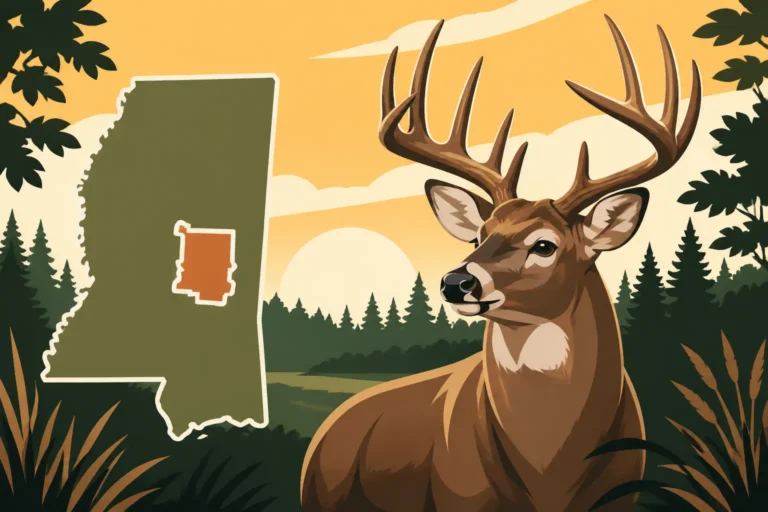
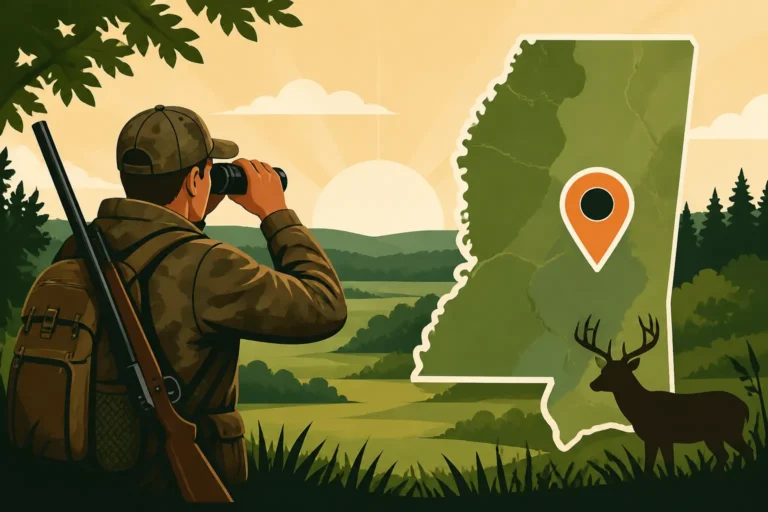
Nestled primarily in Winston, Oktibbeha, and Choctaw counties, Tombigbee National Forest encompasses over 67,000 acres, providing a substantial amount of public land for hunters. Unlike the Delta's vast, flat expanses, Tombigbee is characterized by its rolling topography, a mix of pine plantations, mixed pine-hardwood stands, and creek bottoms that crisscross the landscape. This varied terrain means you'll encounter different habitat types within relatively short distances, from mature hardwoods holding acorn crops to dense young pine thickets offering excellent bedding cover for deer. The soil here is often a bit sandier and less fertile than the rich Delta soils, influencing the type of vegetation and, consequently, the deer herd's characteristics. When you're driving through, you'll see patches of older timber interspersed with younger growth from clear-cutting and replanting efforts, all managed to promote healthy forest ecosystems, which directly benefits wildlife. This mosaic of habitats makes it a dynamic place to hunt, requiring hunters to adapt their strategies based on the specific area they are in.
Primary Game Species and Habitat
Tombigbee National Forest is renowned for its white-tailed deer, wild turkeys, and a healthy population of small game. Deer thrive in the mixed forest environment, utilizing the dense cover of pine regeneration for bedding and the mast crops from oak-hickory bottoms for food. You'll often find deer sign along the edges where these two habitat types meet. Turkeys, too, find ideal conditions in Tombigbee, with mature hardwoods for roosting and open pine stands for foraging. The varied terrain and timber management practices create excellent brood-rearing habitat, which is crucial for turkey recruitment. Don't overlook the potential for small game like squirrels and rabbits; the numerous hardwood bottoms are squirrel havens, especially during heavy mast years, and dense brushy areas and fencerows (where they exist near agricultural interfaces) hold rabbits. Mississippi Squirrel and Rabbit Season Rules can guide your expectations for these hunts. Additionally, while not a primary target for many, feral hogs are present in the forest and can be pursued year-round on public lands, adding another layer of opportunity for the persistent hunter. The varied topography and mixed timber types mean that understanding the habitat is key to locating game here.
Navigating Regulations and Access within Tombigbee
Hunting public land successfully in Mississippi isn't just about understanding the game; it's also about knowing the rules of the road. Tombigbee National Forest, while part of the larger national forest system, has specific regulations that hunters need to be aware of to ensure a legal and enjoyable experience. Ignoring these rules can quickly turn a promising hunt into a frustrating, or even costly, one.
Permits, Licenses, and Forest-Specific Rules
Before you even step foot in Tombigbee, make sure your paperwork is in order. You'll need a valid Mississippi hunting license. For residents, a Sportsman's License is usually the most comprehensive, covering most game species. Non-residents have several options, including a Nonresident All-Game License or shorter-term permits. Mississippi Hunting Licenses and What They Cost details these options. Beyond the statewide license, hunting in any national forest in Mississippi typically requires an annual WMA User Permit, even though it's not a state-managed WMA. This permit helps fund wildlife management efforts across public lands. Always double-check the current regulations directly with the U.S. Forest Service or the Mississippi Department of Wildlife, Fisheries, and Parks (MDWFP) as rules can change. Additionally, Tombigbee falls within the Hills Deer Management Unit, which means specific antler restrictions apply. Hills Unit Ten-Inch Spread Rule Explained means any antlered buck must have at least one antler with a main beam length of 10 inches or more to be legal, unless it has an outside spread of 13 inches or greater, or is at least 3.5 years old. Knowing these specific rules is critical for every hunter.
Vehicle, Camping, and Treestand Policies
Accessing Tombigbee is generally straightforward, with numerous forest roads crisscrossing the area. However, vehicle use is often restricted to designated roads. Off-road vehicle use, including ATVs, is typically prohibited except on marked trails or for game retrieval under specific conditions. Always look for signage or consult a forest map to avoid inadvertently driving into restricted areas. Camping is usually permitted in designated campgrounds, but dispersed camping (camping outside of established sites) is often allowed with certain restrictions, such as distance from water sources or roads. Be sure to practice leave-no-trace principles. When it comes to setting up for your hunt, Treestand Rules on Mississippi Public Land are fairly consistent across national forests. Permanent stands are generally not allowed, and any portable stand must be removed within a specified timeframe, usually after the hunting season or within a short period of removal from your hunt. Likewise, Trail Camera Rules on Mississippi Public Land dictate that cameras must be clearly marked with your name and contact info and cannot be left for extended periods, or sometimes not at all depending on specific unit rules. Always verify these rules annually, as they can sometimes vary by district or even by year.
Hunting Strategies for Tombigbee's Diverse Terrain
Tombigbee National Forest's varied landscape—a mix of pine uplands, mature hardwood bottoms, and regenerated clear-cuts—requires a flexible approach to hunting. What works in one section might not in another, making scouting and adapting your strategy crucial for success.
Deer Hunting Tactics in Pine Plantations and Hardwood Bottoms
Deer in Tombigbee are masters of utilizing the available cover and food sources. In the younger pine plantations, especially those 5-15 years old, you'll find extremely thick bedding cover. These areas can be frustrating to hunt, but they are where deer often feel safest. Still-hunting slowly through these dense sections or setting up on their downwind edges can be effective. Look for subtle deer trails leading into and out of these thickets, often crossing into more open areas to feed. For stand placement, focus on transition zones where dense pine cover meets more open hardwood drains or older timber. These edges are natural travel corridors. In the mature hardwood bottoms and along creek drainages, acorns are king during the fall. Locate stands of white oaks and red oaks, particularly those that are actively dropping acorns. Deer will concentrate heavily in these areas. Pay attention to rub lines and scrape lines; these indicate active travel routes, especially during the rut. Hunting the Rut in the Hills Unit generally peaks around mid-November, making this a prime time to be in these travel corridors. Consider hanging a stand overlooking a funnel point where a creek bend or natural pinch point restricts deer movement, as bucks will often use these routes while cruising for does.
Turkey and Small Game Opportunities
Tombigbee also offers fantastic opportunities for spring turkey hunting. The rolling terrain and mixed timber provide ideal habitat for Eastern wild turkeys. Early morning, focus your efforts around hardwood ridges and creek bottoms where turkeys are likely to roost. Listen for gobbling at first light and try to get as close as possible without being detected. Calling a Mississippi Gobbler Off the Roost requires patience and strategic positioning. As the morning progresses, turkeys often move into more open pine stands or along logging roads to feed and strut. Run-and-gun tactics, covering ground and calling frequently, can be very effective, especially if you're not hearing birds from a stationary position. Always be mindful of other hunters on public land. For small game, the hardwood bottoms are prime squirrel territory. During the early season, focus on hickory and oak groves as squirrels actively feed on nuts. As the season progresses, they'll often be found in more secluded, mast-rich areas. Squirrel Hunting Delta Hickory Groves principles can often be applied here, though the topography differs. Rabbit hunting thrives in the brushy edges, clear-cuts with dense regrowth, and natural fencerows that might border private agricultural fields adjacent to the forest. Running beagles is a popular and effective method for rabbits, but still-hunting or carefully pushing thickets can also yield success.
Scouting and Planning Your Tombigbee Hunt
Successful hunting in a vast public land like Tombigbee National Forest hinges heavily on thorough scouting and meticulous planning. You can't just show up and expect to stumble upon prime hunting ground. It takes research, time on the ground, and smart use of modern tools.
Utilizing Mapping Tools and Public Land Resources
Gone are the days when a paper map and compass were your only allies (though they're still great backups!). Today, digital mapping applications like onX Hunt and GoHunt are indispensable. These tools allow you to study satellite imagery, topo maps, and land ownership boundaries from your phone or computer. Before you even leave your house, you can identify potential bedding areas (dense, dark timber on satellite maps), travel corridors (creek bottoms, saddles, points of ridges), and food sources (hardwood concentrations). Use the public land overlay to confirm you are within Tombigbee National Forest boundaries. You can drop pins for potential stand locations, mark trails, and measure distances. This pre-scouting saves immense time and effort. Beyond commercial apps, the MDWFP website offers maps and regulations for all public lands, including national forests. Reviewing these regularly for any changes in rules, season dates, or specific area closures is a must. Remember, Scouting Mississippi Public Land Before Season is not just about finding game, but understanding the lay of the land and how game might move through it.
| Tool Category | Benefit for Tombigbee Hunting | Example Feature |
|---|---|---|
| Digital Mapping | Pre-scouting, navigation, boundary confirmation | Satellite imagery, topographic lines, public/private land overlay |
| MDWFP Website | Regulatory updates, season dates, WMA permit info | Official rules, harvest reports, contact information |
| US Forest Service | Forest-specific access, camping rules, area closures | Motor vehicle use maps, camping guidelines, fire restrictions |
| Physical Maps | Reliable backup, battery-free navigation | Topographic maps, forest service maps |
Best Times to Hunt and Pressure Considerations
Timing your hunt in Tombigbee can significantly impact your success. For deer, the early archery season (check Mississippi Archery Season Dates by Unit for exact times) offers a chance to catch deer in predictable summer patterns, often around preferred food sources. The peak of the rut, typically mid-November in the Hills Unit, is arguably the best time for trophy bucks, as they are actively seeking does and less cautious. Late season can be productive, especially if you can locate prime, late-season food sources. For turkeys, the spring season opener is often hot, but pressure can be high. Consider hunting mid-week or exploring deeper into the forest to find less-pressured birds. Public land pressure is a real factor. Major hunting holidays and opening weekends for gun season (see Mississippi Gun Season Opening Day) will naturally draw larger crowds. To mitigate this, consider hunting on weekdays, or venture further from easily accessible roads and parking areas. Most hunters won't walk more than a mile or two from their vehicle. If you're willing to put in the extra legwork, using your onX Hunt app to find remote pockets, you'll often find less-pressured game. Understanding Hunting Pressure on Mississippi Public Land is key to formulating a successful strategy.
Essential Gear and Safety for Tombigbee Hunters
Heading into a national forest like Tombigbee requires more than just your weapon and license. Being prepared with the right gear and having a solid safety plan can make the difference between a memorable hunt and a miserable, or even dangerous, one.
Recommended Equipment for Forest Conditions
The terrain and conditions in Tombigbee can be varied, so your gear needs to be versatile. Good quality waterproof boots are non-negotiable; creek crossings, damp bottoms, and morning dew are common. Layered clothing is essential for adapting to Mississippi's notoriously unpredictable weather, from cool mornings to warm afternoons. Blaze orange is a must during gun season for deer and certain other seasons, ensuring you meet Mississippi Blaze Orange Requirements and stay visible to other hunters. Beyond that, a comfortable pack to carry essentials, a good headlamp, and a reliable compass (in addition to your GPS or phone app) are critical. Don't forget your calls for deer or turkey, binoculars for spotting game through dense cover, and scent control products. For those venturing deep, a water filter or purification tablets can be invaluable. Even small items like zip ties, flagging tape (for marking trails temporarily and removing it), and a small first-aid kit can be lifesavers. Remember that cell service can be spotty in remote parts of Tombigbee, so don't rely solely on your phone for navigation or communication.
Safety Considerations and Emergency Preparedness
Safety should always be your top priority. In addition to firearm safety rules, be acutely aware of your surroundings, especially during busy seasons. Know where other hunters might be and always identify your target and what's beyond it. Hunting alone carries inherent risks, so if you do, ensure someone knows your exact hunting location and your expected return time. Carrying a fully charged cell phone (even if service is limited, you might find a signal in certain high spots) and a whistle can aid in emergencies. A small fire-starting kit can be crucial if you find yourself lost and forced to spend a night in the woods. Know the signs of hypothermia and heat exhaustion, and plan for both. Be mindful of wildlife beyond your target species; while black bears are rare in this specific area, they are recovering in other parts of the state, and venomous snakes are present. What to Do If You See a Mississippi Black Bear is good knowledge to have, even if only for awareness. A basic understanding of first aid for cuts, sprains, and snake bites is also highly recommended. Familiarize yourself with how to report a wildlife violation or an emergency to MDWFP or the Forest Service. Carrying a basic print map or having offline maps downloaded on your device is a smart backup for when technology fails.
Disclaimer
This article is for general informational purposes only and does not constitute professional advice. Laws, prices and regulations vary by location and change over time. Consult a qualified professional for guidance on your specific situation.