Mississippi Seven-Day Nonresident License
For many out-of-state hunters, the idea of a quick trip to Mississippi for a weekend or even a full week of chasing deer, ducks, or turkeys can be incredibly appealing. However, navigating the various licensing requirements can often feel like a puzzle, leaving you wondering if a full annual license is truly necessary for a shorter visit. This guide is designed to clarify all your questions about the Mississippi Seven-Day Nonresident License, showing you how it offers a flexible, cost-effective solution for your hunting adventures in the Magnolia State.
Understanding the Seven-Day Nonresident License
Mississippi offers a diverse hunting landscape, from the rich bottomlands of the Delta to the rolling hills of the central and eastern parts of the state, all teeming with game. For nonresidents, accessing these opportunities often comes with the hurdle of license fees, which can add up, especially if you're only planning a brief stay. That's where the seven-day nonresident license truly shines, providing a tailored option for those who aren't looking to commit to a full season.
Why It's a Popular Choice for Short Trips
Imagine you've got a precious week of vacation time, and you're itching to experience Hunting the Rut in the Delta Unit or perhaps Spring Turkey Hunting in Mississippi on some of its famed public lands. Committing to a full-year nonresident license, which can be significantly more expensive, might feel like overkill for such a focused, shorter trip. This seven-day option is incredibly popular precisely because it acknowledges that not every out-of-state hunter can spend months here. It's built for efficiency, allowing you to pay for the exact duration you'll be in the field, making your hunting budget stretch further. It's perfect for those planned long weekends, a quick escape during the holidays, or a dedicated, shorter hunting excursion without the pressure of needing to utilize an annual pass.
Who Qualifies for It
Anyone who is not a legal resident of Mississippi qualifies for the nonresident license options. This includes individuals who maintain their primary residence, hold a driver's license, or register their vehicles in another state. The definition is pretty straightforward to ensure that those who primarily live elsewhere contribute appropriately to Mississippi's wildlife conservation efforts when they come to hunt. There are no special age restrictions beyond the standard hunting age requirements; if you're an adult nonresident hunter, this license is available to you. For youth hunters who are nonresidents, they typically fall under different rules, often aligning with youth hunting regulations regardless of residency, but for anyone 16 and older, the seven-day pass is a prime consideration.
General Privileges It Grants
The Mississippi Seven-Day Nonresident License acts as your fundamental entry ticket into the state's hunting opportunities for a consecutive seven-day period. Primarily, it covers you for all legal game, including deer, small game like squirrels and rabbits, and specific furbearers, provided those seasons are open during your chosen seven-day window. This means you could potentially hunt deer for a few days, then switch gears to small game, all under the umbrella of this single license. However, it's crucial to understand that "all legal game" doesn't mean all hunting. Critically, species like turkey and waterfowl have their own specific stamp requirements, which we'll dive into shortly. It’s also important to remember that this license covers you, the hunter, but doesn't override other regulations, such as bag limits or Mississippi Deer Season Structure Explained specific to the management unit you're hunting in.
Cost and Purchase Options
Let's be honest, one of the first questions any nonresident hunter asks is, "How much is this going to set me back?" The cost of a hunting license is an investment in wildlife management and habitat restoration, and Mississippi aims to make it as accessible as possible while ensuring these crucial funds are generated.
Current Pricing Breakdown
As of the current hunting season, the Mississippi Seven-Day Nonresident License typically costs around $150. This fee provides comprehensive coverage for the designated seven consecutive days. While prices can change from year to year, this has been a fairly consistent rate for the convenience it offers. It's vital to check the latest Mississippi Department of Wildlife, Fisheries, and Parks (MDWFP) regulations or their website before planning your trip, as fees can be adjusted. This $150 covers your basic hunting privileges for deer and small game, but keep in mind, it's a base fee. If your hunting plans include migratory birds or spring turkeys, you’ll need to factor in additional stamps on top of this. For a dedicated week-long deer hunt, this $150 is often quite a bit more palatable than the annual nonresident all-game license, which is significantly higher.
Online Purchasing via MDWFP
The easiest and most common way to purchase your Mississippi Seven-Day Nonresident License is directly through the MDWFP's official website. Their online portal is user-friendly and designed to guide you through the process step-by-step. You'll typically need to provide some basic personal information, including your full name, date of birth, address, and an identification number (often your driver's license number from your home state). Once purchased, you can often print a temporary license right from your computer, and a more durable copy will usually be mailed to you. Many hunters also opt to save a digital copy on their phone, which is generally accepted as proof of license in the field, provided your phone battery holds out! This instant access is a huge plus, allowing you to buy your license even on the drive down to Mississippi.
Purchasing at Local Vendors or Over the Phone
While online is convenient, sometimes you might find yourself needing a license last minute, or you simply prefer a more traditional route. Local license vendors, such as sporting goods stores, bait shops, and even some convenience stores across Mississippi, are authorized to sell MDWFP licenses. You can walk in, fill out a short form, and walk out with your license in hand. This can be particularly useful if you're already in the state and realize you need an additional permit or your plans have changed.
Alternatively, the MDWFP typically offers a phone purchasing option. You can call their licensing division during business hours, provide your information, and pay with a credit card. They can then often email you a temporary license. This is a good fallback if you're having trouble with the online system or don't have access to a printer. Always verify operating hours and specific instructions before calling. Remember to have all your personal identification details ready to ensure a smooth transaction, whether in person or over the phone.
What This License Covers and Doesn't Cover
It’s easy to assume a "seven-day license" means you can hunt anything that's in season for seven days, but Mississippi, like most states, has specific rules. Understanding these nuances before your trip is key to avoiding an unexpected run-in with a game warden.
Covered Species
The primary benefit of the Mississippi Seven-Day Nonresident License is its coverage for white-tailed deer and small game. This is a huge draw for hunters looking to capitalize on Mississippi’s excellent deer hunting, whether during the peak of the rut or Opening Weekend Tactics for Gun Season. Small game like squirrels and rabbits are also included, which can make for a fantastic multi-species trip if you plan around the open seasons. Squirrel and Small Game Hunting in Mississippi is a beloved tradition, and this license allows non-residents to partake. Additionally, several furbearers are often covered, depending on the specific regulations and open seasons, so if you're interested in calling coyotes or trapping during your visit, this license typically gives you that foundation. It's the go-to for someone planning a focused deer or small game excursion without venturing into the specialized realms of turkey or waterfowl.
Required Additional Stamps
Here's where it gets specific: the seven-day license is your base, but it's not always all-encompassing. If your plans include Spring Turkey Hunting in Mississippi, you'll absolutely need to purchase a Nonresident Turkey Permit in addition to your 7-day hunting license. This permit ensures you're legally able to pursue gobblers and contributes specifically to turkey management efforts. Similarly, if you're eyeing the flooded timber or agricultural fields for ducks and geese, a Mississippi Migratory Bird Stamp (often bundled with HIP certification) is mandatory, along with a Federal Duck Stamp. These are crucial for Waterfowl Hunting the Mississippi Delta or any other waterfowl pursuit. Even if you only plan to hunt doves, the state migratory bird stamp and HIP certification are required. Furthermore, if you plan to use archery equipment (bows, crossbows) or primitive weapons (muzzleloaders) during times when those are the only legal implements, you might need a specific Archery/Primitive Weapons permit depending on how the rule is structured for nonresidents that year, though often the general hunting license covers the right to use these within the open deer season. Always cross-reference your chosen hunting method with the current regulations.
Exclusions and Limitations
While comprehensive for deer and small game, the seven-day license doesn't grant you carte blanche for every species found in Mississippi. For instance, black bear and alligator hunting are highly regulated and typically require specialized draw permits or are entirely off-limits, with no general nonresident hunting season. You also cannot hunt specific endangered or protected species. The license also does not negate the need for a WMA permit if you plan on hunting Mississippi Wildlife Management Areas. Many WMAs require a separate, often inexpensive, permit to access and hunt on their lands, which funds their maintenance and management. Moreover, the seven-day license is for hunting only; it does not cover fishing or trapping (beyond furbearers covered by the hunting license itself), which would require separate licenses. Always be mindful of specific Mississippi Feral Hog Regulations; while hogs are typically legal to hunt year-round on private land, public land rules might differ and still require your base hunting license. Tools like GoHunt can be incredibly helpful for quickly referencing specific WMA regulations and species seasons, ensuring you don't miss any critical requirements.
Comparing the 7-Day to Other Nonresident Options
Deciding which nonresident license is right for you can feel like choosing from a buffet when you’re not sure how hungry you are. The seven-day option is fantastic for short trips, but it's important to see how it stacks up against Mississippi's other offerings, especially if your plans might be more extensive or involve specific game.
Annual All-Game Nonresident License
For the nonresident who plans to spend significant time hunting in Mississippi, or for someone who wants the flexibility to make multiple trips throughout the year, the Annual All-Game Nonresident License is the big brother to the seven-day pass. This license typically costs considerably more, often in the range of $300-$400, but it covers all legal game species (deer, small game, furbearers) for a full license year (July 1 to June 30). This is the choice for someone who anticipates coming down for Bowhunting Mississippi's Long Archery Season, returning for Mississippi's Gun Deer Season by Unit, and maybe even a spring turkey hunt, all within the same license year. If you find yourself planning two or more distinct week-long trips, or a single extended trip that pushes beyond seven days, this annual pass might actually be the more economical choice in the long run. It also provides peace of mind, eliminating the need to re-purchase or time your shorter licenses.
Nonresident Deer Permit
Separate from the general hunting licenses, Mississippi also offers a specific Nonresident Deer Permit. This permit is an additional requirement for nonresidents hunting deer, on top of their base hunting license (either the 7-day or annual all-game). It's designed to ensure that hunters primarily focused on deer contribute directly to the management of this popular species. The cost of this permit is typically around $50-$100 and is necessary regardless of which base hunting license you choose. It's a critical detail often overlooked by first-time nonresident deer hunters. So, if your goal is to harvest a Mississippi whitetail, you'll need both your seven-day hunting license and the nonresident deer permit. This ensures a dedicated revenue stream for deer research, habitat improvement, and population management specific to Mississippi's robust deer herd.
Nonresident Turkey Permit
Just like the deer permit, if wild turkeys are on your agenda, you'll need the Nonresident Turkey Permit. This is another add-on, required in addition to your base hunting license, whether it's the seven-day or annual all-game. The turkey permit typically costs around $50-$100 and is crucial for legally participating in Spring Turkey Hunting in Mississippi. With the recent changes requiring a Wild Turkey Stamp for all turkey hunters, this permit also helps fund vital turkey conservation efforts. So, a nonresident planning a specific spring gobbler hunt would need the 7-day license (or annual), plus the Nonresident Turkey Permit, and the state Wild Turkey Stamp. Without this specific permit, even with a general hunting license, harvesting a turkey is illegal. This layered approach allows the state to manage specific game species with dedicated funding.
License Comparison Table: Nonresident Options
To help visualize these options, here's a quick comparison:
| License Type | Cost (Approx.) | Duration | Primary Coverage | Additional Permits Often Required | Best For |
|---|---|---|---|---|---|
| 7-Day Nonresident | $150 | 7 Consecutive | Deer, Small Game, Furbearers | Deer, Turkey, Waterfowl, WMA | Short, focused trips (1-2 per year) |
| Annual All-Game Nonresident | $300-$400 | 1 Year | All Legal Game (Deer, Small Game, Furbearers) | Deer, Turkey, Waterfowl, WMA | Multiple trips, extended stays, season-long flexibility |
| Nonresident Deer Permit | $50-$100 | 1 Year | Deer (add-on to base license) | Base hunting license required | Any nonresident hunting deer |
| Nonresident Turkey Permit | $50-$100 | 1 Year | Turkey (add-on to base license) | Base hunting license required | Any nonresident hunting turkey |
| MS Migratory Bird Stamp | $10-$20 | 1 Year | Waterfowl, Doves, Woodcock | Base hunting license, Federal Duck | Any nonresident hunting migratory birds |
Note: Prices are estimates and subject to change by MDWFP. Always confirm current fees before purchasing.
Planning Your Trip Around the License
Once you've decided on the seven-day nonresident license, the next crucial step is meticulously planning your trip to maximize that week. Unlike an annual license, where timing is less critical, every day counts with a seven-day pass.
Timing Your 7-Day Window
The absolute most important aspect of the seven-day license is selecting your start date. That seven-day clock begins ticking the moment you specify its activation. You can’t pause it, or spread those days out over a month. This means you need to align your license purchase perfectly with your actual hunting days. For instance, if you're driving down on a Friday and plan to hunt Saturday through the following Friday, you'd set your license to activate on Saturday. Or perhaps you're targeting a specific window, like when Mississippi Turkey Gobbling Activity Timing is at its peak, and you want to ensure your license covers those prime days. Many hunters planning a trip will check the long-range weather forecast, game activity reports, and even lunar phases to pinpoint the absolute best seven consecutive days to be in the woods. Missing a day of hunting due to poor timing of your license purchase is a common, and avoidable, frustration. Tools like GoHunt can help you overlay season dates with potential travel times to optimize your window.
Acquiring Other Necessary Permits
Remember, the seven-day license is often just your foundational pass. Depending on where you plan to hunt and what you intend to pursue, you’ll likely need additional permits. If you're heading to one of Mississippi's fantastic Mississippi Wildlife Management Areas for deer, turkeys, or ducks, you'll need an All-Game WMA Permit. This is usually an annual permit, regardless of how long you stay, and it's essential for legal access. Many of these WMAs are intensively managed and provide some of the best public hunting opportunities, but they come with their own set of rules and often require this additional fee to support their operations.
Furthermore, as discussed, don't forget the Nonresident Deer Permit if you're hunting deer, or the Nonresident Turkey Permit and Mississippi Migratory Bird Stamp if you're chasing gobblers or waterfowl. These are not optional; they are required additions to your base seven-day hunting license. It's often easiest to purchase all these permits simultaneously online when you buy your seven-day license, saving you the hassle of separate transactions later.
Understanding Harvest Reporting
Mississippi has mandatory harvest reporting requirements for certain game species, most notably deer and turkey. As a nonresident, it's just as important for you to understand and adhere to these rules. All harvested deer and turkeys must be reported to the MDWFP within 72 hours of harvest, or prior to processing the animal beyond quartering, or prior to leaving the state, whichever comes first. This reporting is typically done online through the MDWFP website or their mobile app. You'll need to provide details such as the date of harvest, county, sex of the animal, and if it was a buck, its antler points and inside spread. This data is incredibly important for wildlife biologists to monitor game populations and make informed management decisions. Failing to report a harvest can lead to penalties, so make this a priority after a successful hunt. The process is straightforward, but it's often an unfamiliar step for out-of-state hunters. Check out Mississippi Deer Reporting Requirements for more in-depth information.
Key Considerations for Nonresident Hunters
Hunting in a new state always comes with a learning curve. Beyond licenses, there are other crucial regulations and practices that nonresident hunters need to be aware of to ensure a safe, legal, and successful trip to Mississippi.
Chronic Wasting Disease CWD Zones and Regulations
Chronic Wasting Disease (CWD) is a serious concern across North America, and Mississippi is no exception. The state has designated specific Mississippi's Chronic Wasting Disease Zones in areas where CWD has been detected. As a nonresident hunter, it is absolutely vital that you understand if your chosen hunting area falls within one of these zones, as there are strict regulations regarding carcass movement.
For instance, if you harvest a deer in a CWD-positive county, you cannot transport the entire carcass out of that county or out of the state. Only specific parts are allowed to be moved: deboned meat, antlers with no brain tissue attached, capes with no brain or spinal cord material, and clean skull plates. This is to prevent the further spread of the disease. It's also often mandatory to have your harvested deer tested for CWD if you are hunting within a CWD management zone. Always check the MDWFP website for the most current map of CWD zones and the latest regulations before your hunt. Ignorance of these rules is not an excuse, and violating them carries serious penalties. This is one area where planning ahead is non-negotiable for the health of Mississippi's deer herd and potentially your home state's as well.
Blaze Orange Requirements
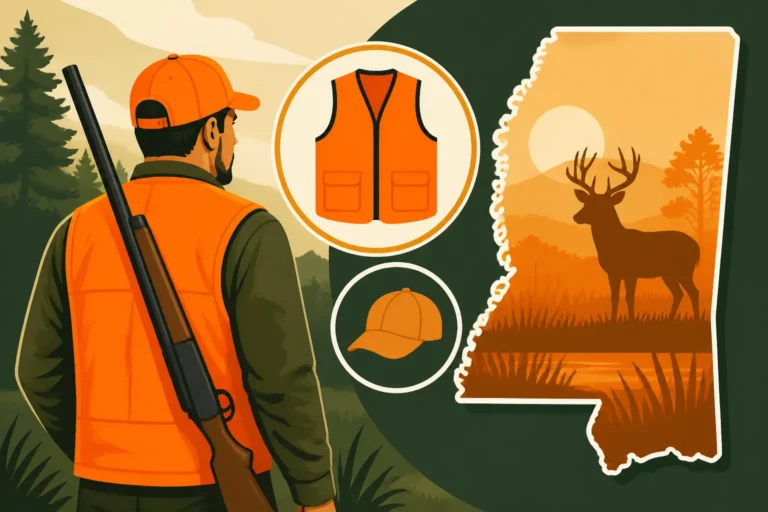
Safety is paramount in hunting, and Mississippi has clear regulations regarding the use of blaze orange, especially during firearms seasons. Hunters must wear a minimum of 500 square inches of solid unbroken fluorescent orange or blaze orange on their outermost garment above the waist, visible from all sides. This typically includes a vest or hat.
These requirements apply to hunters on public land and also to hunters on private land when firearms deer season is open in that particular unit, regardless of whether you are actually carrying a firearm or bow. For example, during Mississippi Gun Season Opening Day, if you're archery hunting, you still need to wear blaze orange to be visible to other hunters who might be using firearms. There are exceptions, such as during archery-only season (when firearms are not allowed for deer) or while hunting migratory birds, but generally, when deer firearms season is open, put on your orange. Always err on the side of caution and wear more orange rather than less. It could save a life, including your own.
Hunter Education Requirements
Like many states, Mississippi has hunter education requirements to ensure all hunters have a foundational understanding of firearm safety, wildlife management, and hunting ethics. Generally, anyone born on or after January 1, 1972, must complete a hunter education course to purchase a hunting license in Mississippi. If you're older than that, you're usually exempt.
However, nonresidents who have a valid hunter education certification from another state or province generally have their certification recognized in Mississippi, as long as it's an approved course by a state or provincial government. You'll need to be able to show proof of this certification when purchasing your license or if requested by a game warden. If you don't have one and were born after the cutoff, you'll need to complete an approved course. Mississippi also offers an Apprentice Hunter License option, which allows individuals to hunt for one year without completing hunter education, provided they are accompanied by a licensed, hunter-education-certified mentor. This can be a great option for new hunters or nonresidents who haven't yet completed a course. You can find more details on these rules at Mississippi Hunter Education Requirements.
Disclaimer
Please note that hunting regulations, license fees, and season dates are subject to change. While this guide provides comprehensive information, it is always the hunter's responsibility to verify the most current regulations directly with the Mississippi Department of Wildlife, Fisheries, and Parks (MDWFP) before engaging in any hunting activities. This article is for informational purposes only and should not be considered legal advice.