Mississippi CWD Testing for Hunters
Hunting in Mississippi has always been about tradition, good times, and bringing home venison, but lately, there's a serious concern casting a shadow over our deer camps: Chronic Wasting Disease (CWD). It's a scary topic, and the rules around testing can feel confusing and overwhelming, adding another layer of stress to an activity we all love. This guide is here to break down everything you need to know about CWD testing for hunters in Mississippi, making sense of the requirements, voluntary options, and why your participation truly matters.
Understanding Chronic Wasting Disease in Mississippi
CWD is one of those topics that no one wants to talk about, but we absolutely have to. It’s a real threat to our deer herds and, by extension, to our hunting heritage here in Mississippi. Ignoring it isn't an option, and understanding it is the first step toward managing it effectively.
What CWD Is and Its Impact
Chronic Wasting Disease is a progressive, fatal neurological disease that affects cervids, which include deer, elk, and moose. It's caused by abnormal proteins called prions, which can accumulate in the brain and other tissues. Think of it like a slow-moving, irreversible degenerative disease that essentially wastes away the animal's brain. The impact? It's devastating. Once an animal contracts CWD, there is no cure, and it will eventually die. The scariest part for us hunters is that it can spread through saliva, urine, feces, and even decaying carcasses in the soil, meaning it's highly contagious within a deer population.
For Mississippi, the discovery of CWD in 2018 in the North Zone was a wake-up call. Suddenly, this distant threat became very real, right in our own backyard. Since then, the Mississippi Department of Wildlife, Fisheries, and Parks (MDWFP) has been working tirelessly to monitor and manage the disease, and that's where we, as hunters, come in. Our participation in testing is crucial to understanding the spread and limiting its impact. The long-term impact could mean a decline in deer populations, changes in hunting regulations, and a shift in how we approach deer management for generations to come.
How CWD Spreads Among Deer
The prions responsible for CWD are incredibly resilient. They're not like bacteria or viruses that can be killed with disinfectants; they can persist in the environment for years, making containment incredibly challenging. Deer can pick up CWD from direct contact with an infected animal, like nose-to-nose interactions, or indirectly from contaminated soil, plants, or water. Imagine a deer urinating in a popular feeding area, and another deer coming along and ingesting those prions. It’s a silent, insidious spread.
This environmental persistence is why carcass management is so critical. If an infected deer dies and its carcass is left in an area, those prions can leach into the soil, creating a long-term contamination risk for other deer. This is also why moving deer carcasses from CWD zones is a major concern – you could inadvertently be transporting prions to new, uninfected areas. It's a complex problem, and every decision we make as hunters, from where we process our deer to how we dispose of remains, plays a role in either mitigating or exacerbating the spread. Understanding these pathways helps us all be more responsible stewards of the resource.
Recognizing Signs of CWD in Deer
One of the frustrating aspects of CWD is that it can take a long time for symptoms to show up, often years after infection. This means a deer can be infected and spreading the disease without any visible signs. However, as the disease progresses, infected deer will start to exhibit a range of neurological symptoms. These can include drastic weight loss and emaciation, which is why it’s called "wasting disease." You might also notice behavioral changes, such as a lack of fear of humans, excessive drooling, difficulty walking, or standing with a wide stance. Infected deer often appear listless, lethargic, and might walk in repetitive patterns.
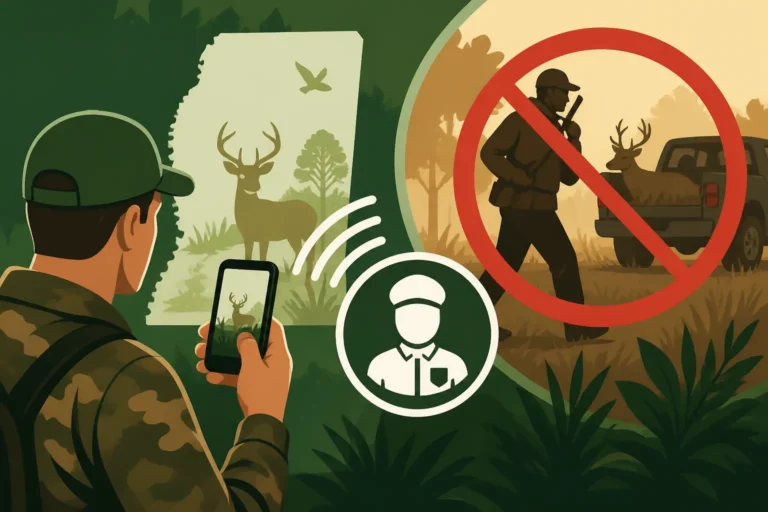
It’s important to remember that many of these symptoms can also be indicative of other diseases or injuries. For instance, a deer that’s thin might simply be old or struggling due to poor habitat. However, if you see a deer exhibiting a combination of these signs, especially during hunting season, it’s imperative to report it to the MDWFP. Don’t try to approach or harvest a visibly sick animal unless specifically instructed by wildlife officials. Your observation and reporting are vital in helping wildlife agencies identify potential CWD cases and track its presence.
Mandatory CWD Testing Zones and Requirements
When CWD was first detected, it introduced a new layer of mandatory compliance for hunters in specific areas. It’s not about making hunting harder; it’s about collecting the data needed to understand and fight this disease. Knowing your zone and your responsibilities is key to staying legal and doing your part.
North Zone and Other CWD Counties
Mississippi has established specific CWD Management Zones where mandatory testing is required for all harvested deer. The primary concern started with the North CWD Zone, encompassing a cluster of counties where the disease was initially found and is most prevalent. Currently, this zone includes counties like Benton, Marshall, Lafayette, and others in the northern part of the state. These are the front lines of CWD management, and hunters here face the strictest requirements. When you hunt in these counties, all harvested deer must be submitted for CWD testing. This isn't optional; it's a critical part of the MDWFP's surveillance effort to determine prevalence and monitor spread.
The MDWFP provides clear guidance on their website and through their mobile app, which is a fantastic resource for checking specific county regulations. Before you even head out, especially if you’re hunting in the northern part of the state, pull up the MDWFP app or their website to confirm if your hunting location falls within a CWD management zone. Failure to submit a harvested deer from a mandatory testing zone can result in fines and penalties, but more importantly, it means a lost piece of critical data in the fight against CWD.
The Warren-Claiborne CWD Zone and Updates
Beyond the initial North Zone, CWD has unfortunately been detected in other areas, leading to the designation of new CWD Management Zones. A prime example is the Warren-Claiborne CWD Zone. While geographically separate from the North Zone, the detection of CWD here triggered similar mandatory testing requirements for hunters in those counties. This expansion highlights the unpredictable nature of CWD spread and the constant vigilance required from both wildlife managers and hunters.
The MDWFP continuously monitors CWD prevalence and may expand or adjust these zones as new cases are confirmed. This means the rules can change, sometimes even within a season, which can be frustrating if you’re trying to keep up. My advice? Treat the MDWFP website and app as your absolute authority. Before every hunt, especially if you're venturing into a new county or area, double-check the latest CWD zone map. This due diligence ensures you comply with current regulations and contribute accurately to the data collection process. It's a moving target, but staying informed is our best defense. You can find comprehensive details about these zones and their specific rules under headings like Mississippi's Chronic Wasting Disease Zones.
Checking for Updates and New Zones
The CWD situation isn't static; it's an evolving challenge. The MDWFP is constantly monitoring and researching, which means CWD zones and testing requirements can and do change. What was a voluntary testing county last season might be mandatory this season if a new positive case is found nearby. This is why you cannot rely on outdated information or word-of-mouth from last year’s deer camp. The frustration of trying to keep up with shifting regulations is real, but it’s absolutely essential.
The best way to stay current is to regularly consult the official MDWFP website and their mobile app. They update these platforms with the latest CWD zone maps, mandatory testing locations, and any changes to carcass movement restrictions. Many hunters find using a mapping application like GoHunt, which often integrates MDWFP data, can also be helpful for quick reference in the field. Before any hunt, take five minutes to verify if your hunting location is within a CWD zone. It’s a small effort that can save you a headache and ensure you’re doing your part to protect Mississippi’s deer herd.
Voluntary CWD Testing and Sample Submission
Even if you're not hunting in a mandatory CWD zone, participating in voluntary testing is incredibly valuable. Every sample provides crucial data points that help the MDWFP track the disease, understand its spread, and make informed management decisions for the entire state.
Finding Sampling Locations
The MDWFP has worked hard to make CWD testing accessible for all hunters, not just those in mandatory zones. They’ve established a network of voluntary CWD sampling locations across the state. These are typically drop-off points where you can submit a deer head for testing. These sites might include specific MDWFP offices, designated coolers at local businesses, or even self-serve kiosks at certain Wildlife Management Areas. These locations are updated annually, so it’s always best to check the MDWFP website for the most current list and operating hours.
When you're planning your hunt, especially if you’re hoping to contribute a sample, it’s a good idea to identify the nearest sampling location beforehand. This way, if you’re successful, you know exactly where to go and can plan your trip accordingly. Remember that these locations are usually looking for the deer's head, specifically the brainstem and lymph nodes, so plan to remove the head carefully from the carcass. The MDWFP aims to make this process as convenient as possible, understanding that hunters are already busy with field dressing and transportation.
Submitting a Sample Yourself
Submitting a sample is a straightforward process, but it requires a bit of care. What the MDWFP needs for CWD testing is the head of the deer, with at least 4-6 inches of the neck attached. This ensures they can access the necessary lymph nodes and brainstem where the prions accumulate. It’s critical to keep the sample cool and clean until you can drop it off. Many hunters will place the head in a cooler with ice (ensuring it doesn't get soaked directly in water) or in a heavy-duty garbage bag to prevent contamination.
At the drop-off site, you’ll typically find instructions and forms to fill out. You’ll need to provide information about where and when the deer was harvested, your contact details, and sometimes the deer's sex and estimated age. You'll attach a unique identification number to the head, usually with a durable tag, and then place it in the designated collection freezer or cooler. This system ensures proper tracking from the field to the lab. Don’t worry, it’s not complicated, and usually there are clear signs or staff to guide you through it. Every submitted sample contributes to a larger dataset, helping to determine Mississippi's CWD Case Count by Zone and understand its spread.
Getting Your Results
After you submit a sample, the waiting game begins. The MDWFP aims for a reasonable turnaround time, but processing hundreds, sometimes thousands, of samples can take a while, especially during peak hunting season. Typically, results are available online, where you can check the status of your submitted sample using the unique identification number you received at drop-off. You might also receive an email or text notification once your results are in.
Most hunters will be relieved to get a "Not Detected" result. If, however, a sample tests "Positive" for CWD, the MDWFP will contact you directly to discuss the implications and provide guidance on what to do with the carcass. This is why accurate contact information on your submission form is so important. Receiving a positive result can be upsetting, but it’s crucial information for public health and wildlife management. It helps the state refine its understanding of CWD Prevalence in the North Zone and other areas, allowing them to implement targeted management strategies. Your participation, whether the result is positive or negative, is invaluable in tracking the disease.
Carcass Movement Restrictions and Best Practices
One of the most significant ways hunters can help prevent the spread of CWD is by adhering to strict carcass movement regulations. It's a challenging rule for many, especially those who hunt far from home, but it's vital for protecting uninfected areas.
Restrictions Explained
To curb the geographical spread of CWD prions, Mississippi has implemented stringent carcass movement restrictions for deer harvested within CWD Management Zones. The rule is simple in principle: do not move whole carcasses or certain high-risk parts out of a CWD zone. The reason is straightforward: the prions are concentrated in specific tissues, particularly the brain, spinal cord, lymph nodes, and spleen. Moving these parts risks contaminating new areas.
What can you move out of a CWD zone? Typically, you can transport:
- Deboned meat (muscle tissue)
- Clean skull plates (antlers still attached, with all brain matter and tissue removed)
- Antlers, capes (for taxidermy, with no brain or spinal tissue)
- Teeth
- Hides (without the head)
This means if you harvest a deer in a mandatory CWD zone, you'll need to process it within that zone or at a licensed processor who understands and complies with CWD regulations. This can be a major inconvenience, especially if you usually process your own deer at home, which might be hours away. This is one of the frustrations that hunters frequently express, but it's a necessary measure to protect our broader deer population. Understanding these restrictions is critical for avoiding penalties and, more importantly, for being a responsible hunter.
Best Practices for Transporting Deer
Navigating carcass movement restrictions requires planning, especially if you’re hunting in or near a CWD zone. The best practice is always to minimize the movement of high-risk parts. If you’re hunting in a CWD zone, plan to completely debone your deer or take it to a local processor within the zone. Many communities within CWD zones now have established processors who are familiar with the rules and can handle your deer accordingly.
When transporting approved parts (deboned meat, clean skull plates, etc.), ensure they are properly cleaned and packaged to prevent any cross-contamination. For instance, a clean skull plate should have absolutely no brain tissue remaining, which often requires careful scraping and rinsing. Some hunters opt to quarter their deer in the field and transport only the meat, leaving the bones and other high-risk parts at the harvest site, but this must be done according to local regulations for carcass disposal. Organizations like GoHunt provide excellent resources for hunters, including mapping tools that can help identify CWD zones and potential processing facilities nearby. Always err on the side of caution when it comes to carcass movement.
Dealing with Processors and Taxidermists
Working with licensed processors and taxidermists is a smart move when hunting in or near CWD zones. These professionals are usually well-versed in the latest CWD regulations and can ensure your harvested deer is handled in compliance with state law. Before you take your deer to any facility, however, it’s always a good idea to call ahead and confirm their CWD protocols. Ask if they accept deer from CWD zones, how they handle testing requirements, and what their procedures are for disposing of high-risk waste.
Many processors in CWD zones have adapted their operations to accommodate the new rules, offering services specifically designed to meet the boning and cleaning requirements. Similarly, taxidermists who deal with hunters from CWD zones know the importance of thoroughly cleaning skull plates and capes to remove all problematic tissues. They are an invaluable resource, but the responsibility ultimately falls on you, the hunter, to ensure you understand and communicate your needs to them. This ensures that when you get your venison or trophy back, it's not only ready for enjoyment but also handled in a way that respects wildlife health. For more on this, check out Which Taxidermists Take CWD Samples.
Why CWD Testing Matters for Mississippi Hunters
It's easy to see CWD testing as another bureaucratic hurdle, but for those of us who cherish hunting in Mississippi, it's far more than that. It's about protecting a legacy and ensuring future generations can experience the same rich outdoor traditions.
Protecting the Herd
The primary reason CWD testing matters is simple: it's our best defense for protecting the health of Mississippi's deer herd. CWD is a long-term, fatal disease that can decimate deer populations if left unchecked. By actively testing harvested deer, the MDWFP gains crucial data on where the disease is present, how prevalent it is, and whether it’s spreading. This information is the backbone of their management strategy. Without it, wildlife managers are flying blind, unable to make informed decisions about herd management, harvest quotas, or disease containment.
Every sample submitted, whether mandatory or voluntary, contributes to a clearer picture of CWD in our state. Think of it as a community health check-up for our deer. When we know where the hotspots are, targeted management strategies can be implemented, such as increased harvest quotas in affected areas to reduce deer density and slow transmission. This proactive approach helps to safeguard the overall health and vitality of the herd, ensuring that Mississippi remains a prime destination for White-Tailed Deer Across Mississippi. It’s a collective effort, and each hunter’s contribution builds a stronger, more resilient future for our deer.
Hunter Responsibility and Ethics
As hunters, we share a deep connection to the land and the wildlife we pursue. With that privilege comes a significant responsibility to be ethical and conscientious stewards of the resource. Participating in CWD testing, even if it’s inconvenient, is a fundamental part of that responsibility today. It demonstrates our commitment to conservation beyond just filling a tag. When we comply with testing requirements and follow carcass movement restrictions, we are actively participating in protecting the future of hunting in our state.
It’s easy to grumble about new rules, but the truth is, these measures are designed to preserve the very traditions we hold dear. Imagine a future where CWD is so widespread that deer populations plummet, and hunting opportunities become severely limited. That’s a future none of us want. By taking CWD seriously and actively participating in testing, we uphold our ethical obligation to the wildlife and the hunting community. It's about preserving the long-term health of the herd and ensuring that our children and grandchildren can enjoy the same opportunities we do. Organizations like GoHunt also emphasize responsible hunting practices, reinforcing that CWD testing is part of a hunter’s ethical toolkit.
Future of Hunting in Mississippi
The future of hunting in Mississippi is directly tied to our ability to manage CWD effectively. If the disease spreads unchecked, it could profoundly alter the landscape of deer hunting as we know it. We might see further reductions in bag limits, more widespread mandatory testing zones, and potentially even localized closures if prevalence becomes too high. No one wants to contemplate such scenarios, but they are real possibilities if we don't act collectively and decisively now.
On the other hand, a robust CWD surveillance program, fueled by hunter participation, offers hope. By understanding the disease's distribution and prevalence, wildlife agencies can develop more effective strategies to contain and potentially mitigate its impact. This allows for more precise management, ensuring that hunting seasons can continue, and populations can remain healthy where CWD is not present or is effectively controlled. Our vigilance today, through actions like CWD testing and smart carcass management, directly influences the sustainability of our hunting traditions tomorrow. It’s an investment in the future of Mississippi hunting. For insights on managing deer, consider reading Mississippi Deer Population Estimate.
Preparing Your Deer for CWD Testing
Proper preparation of your deer is crucial for effective CWD testing. A clean, correctly prepared sample ensures the MDWFP can get accurate results, and it makes the entire process smoother for everyone involved.
Head Removal for Testing
When you've successfully harvested a deer in a CWD zone or plan to submit it voluntarily, the most critical step for testing is correctly removing the head. The MDWFP requires the head with at least 4-6 inches of neck attached. This specific length ensures that the crucial lymph nodes and the obex (a specific part of the brainstem) are included in the sample, as these are the primary tissues tested for CWD prions. If the neck is cut too short, the sample might be insufficient, and you might be asked to resubmit.
To do this correctly, after field dressing your deer, lay it on its back. Locate the point where the head meets the spine, and then measure down approximately 4-6 inches along the neck. Using a sharp knife or saw, make a clean cut through the neck, ensuring you sever the spine. It’s important to minimize contamination of the brain matter during this process. If you’re not comfortable with this step, a local deer processor in a CWD zone can typically handle this for you. Once the head is removed, keep it cool, ideally in a cooler with ice (but sealed in a bag to prevent waterlogging), until you can get it to a sampling station. This attention to detail ensures the integrity of the sample for laboratory analysis.
Keeping Samples Clean and Cool
The integrity of a CWD sample depends heavily on how it's handled from the moment of harvest until it reaches the testing lab. Maintaining cleanliness and coolness is paramount. Once the head is removed, place it immediately into a sturdy, leak-proof plastic bag. This prevents any blood or fluid from contaminating your cooler or vehicle and helps keep the sample isolated. After bagging, place the sample into a cooler with ice. The goal is to keep the sample as close to refrigeration temperature as possible, ideally between 32-40°F (0-4°C). This slows down decomposition and prevents bacterial growth, which can interfere with testing.
Avoid submerging the head directly in ice water unless it’s in a completely sealed, waterproof bag. Waterlogging can degrade the sample, making it difficult to process. If you’re going to be in the field for an extended period, or if the weather is warm, consider using block ice or multiple bags of cubed ice to maintain temperature. The sooner you can get the sample to an official drop-off location or a processing facility that handles CWD testing, the better. A well-preserved sample means more accurate and timely results, which benefits everyone involved in CWD surveillance.
What Not to Do When Preparing a Sample
While proper preparation is key, knowing what not to do is equally important to avoid wasting a valuable sample. First and foremost, never remove the brain from the skull before submitting the sample. The entire brain, specifically the obex, and the lymph nodes in the neck are crucial for testing. Removing these or damaging them severely can render the sample unusable. Similarly, do not discard or dispose of the high-risk parts (brain, spinal cord, lymph nodes) from a deer harvested in a CWD zone except at an approved facility or in accordance with MDWFP regulations for carcass disposal. Leaving these parts in a non-CWD zone could inadvertently spread the disease.
Avoid excessive handling or contamination of the sample. While field dressing, use clean tools and try to keep brain matter separate from edible meat if possible, though the risk of transmission to humans is considered extremely low. Lastly, do not delay submission. While proper cooling can buy you some time, prolonged storage, especially in warm conditions, can lead to decomposition, making the sample unsuitable for testing. Always aim to submit your sample within 24-48 hours of harvest. By avoiding these common pitfalls, you ensure your efforts in CWD testing are effective and contribute meaningfully to disease management.
A Summary of CWD Zones and Testing Requirements
To help keep everything clear, here's a quick reference for the current CWD zones and their general testing requirements in Mississippi. Remember, always check the MDWFP's official resources for the most up-to-date information.
| CWD Zone | Affected Counties | Testing Requirement | Carcass Movement |
|---|---|---|---|
| North CWD Zone | Benton, Marshall, Lafayette, Tippah, Alcorn, Prentiss, Tishomingo, Union, Lee, Pontotoc, Itawamba, Monroe, Chickasaw, Calhoun, Yalobusha, Panola, Tallahatchie, Coahoma, Tunica, Quitman, Tate, DeSoto, Grenada, Webster, Clay, Lowndes, Oktibbeha, Noxubee, Kemper, Neshoba, Winston, Choctaw, Attala, Leake, Montgomery, Carroll, Leflore, Sunflower, Bolivar, Washington, Issaquena, Sharkey, Yazoo, Humphreys, Warren, Claiborne | Mandatory for ALL harvested deer | Deboned meat, clean skull plates, antlers, capes, hides only. No whole carcasses. |
| Warren-Claiborne CWD Zone | Warren, Claiborne (specific portions) | Mandatory for ALL harvested deer | Deboned meat, clean skull plates, antlers, capes, hides only. No whole carcasses. |
| Hancock County CWD Zone | Hancock | Mandatory for ALL harvested deer | Deboned meat, clean skull plates, antlers, capes, hides only. No whole carcasses. |
| All Other Counties | Remainder of Mississippi | Voluntary testing encouraged at drop-off locations | Full carcass movement generally allowed (always confirm local laws). |
Note: This table provides a general overview. Specific county boundaries within zones and requirements can change. Always consult the official MDWFP website or app for the latest details.
Disclaimer
The information provided in this guide is for general informational purposes only and does not constitute legal advice or official MDWFP regulations. Hunters are solely responsible for understanding and complying with all current Mississippi hunting laws, regulations, and CWD management protocols. Always consult the official Mississippi Department of Wildlife, Fisheries, and Parks website or contact them directly for the most up-to-date and accurate information before hunting.