Mississippi North Zone Duck Dates
Trying to keep up with Mississippi's duck season dates can feel like trying to hit a fast-flying teal on a windy day – challenging, frustrating, and often leaving you scratching your head. Between federal frameworks, state adaptations, and the different management zones, it’s easy to get lost in the details. This guide is here to clear the foggy marshes of confusion, focusing specifically on the Mississippi North Zone duck dates, helping you plan your hunts with confidence and get those ducks in a row.
Navigating Mississippi's Waterfowl Zones
Mississippi, with its rich migratory bird tradition, isn't just one big hunting ground when it comes to ducks. The state is divided into specific waterfowl zones, each with its own set of dates to manage hunting pressure and align with migratory patterns. Understanding which zone you're in, and why it matters, is the critical first step before you even think about pulling out your calls. It’s not just about knowing the dates; it’s about understanding the logic behind them.
Understanding Mississippi's Duck Zones
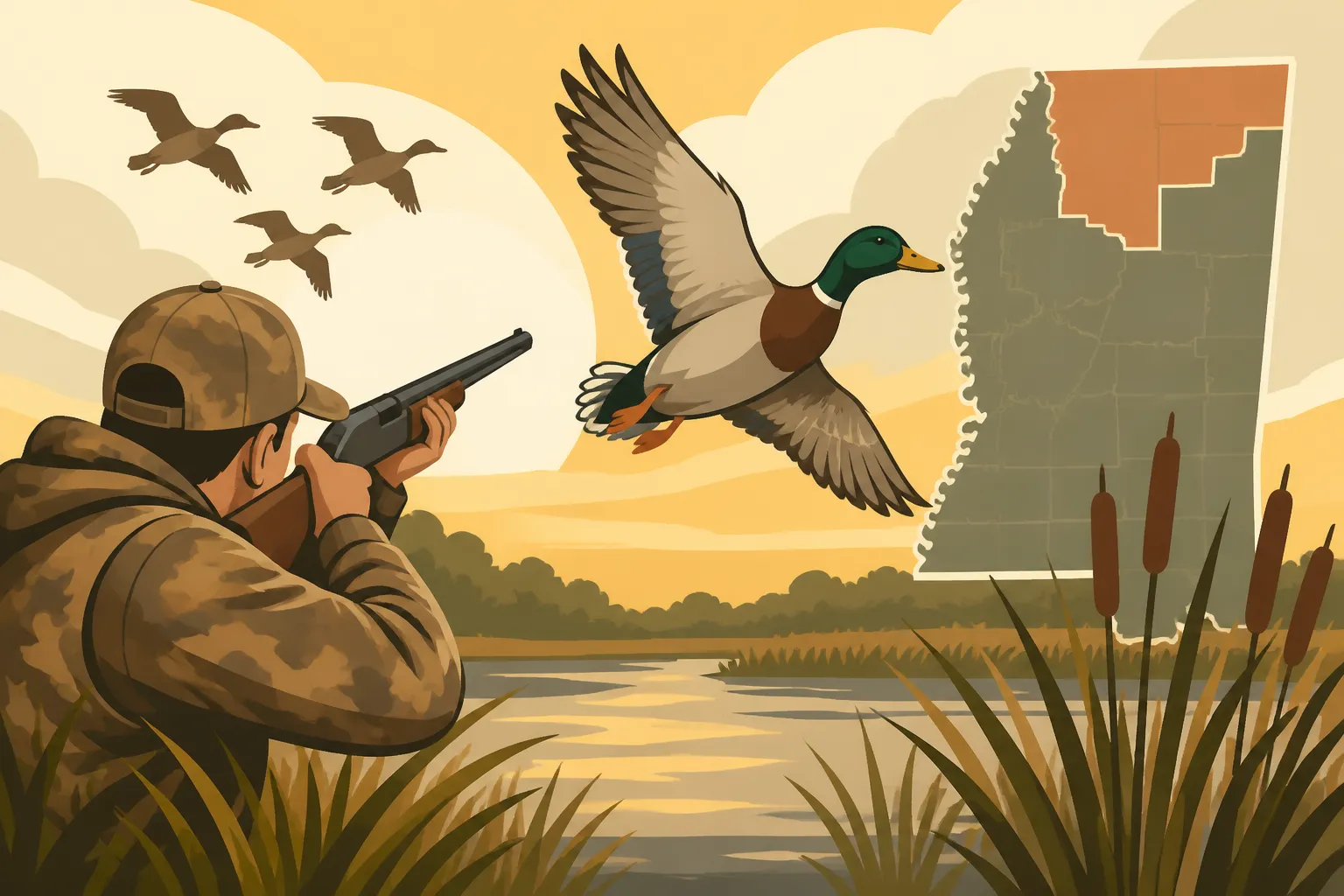
The Mississippi Department of Wildlife, Fisheries, and Parks (MDWFP) divides the state into zones specifically for waterfowl hunting. These aren't arbitrary lines on a map; they're strategically drawn to account for the varied habitat, migration routes, and wintering grounds across the state. The primary zones you’ll hear about are the North Zone, the South Zone, and the Youth Waterfowl Hunting Zone. Each has unique characteristics that influence the ducks' behavior and, consequently, the hunting seasons. The North Zone, generally encompassing the vast Delta region and the northern stretches of the state, is often the first to experience significant migratory bird arrivals as winter pushes south. This region's landscape—a mix of flooded timber, agricultural fields, and sloughs—is a magnet for ducks. If you're hunting north of a line that roughly follows Highway 82, chances are you're in the North Zone. For more detail on these divisions, you can look up information on Mississippi Waterfowl Zones and Seasons.
These zones are established after extensive biological surveys and consultations with federal wildlife agencies. The data collected on duck populations, habitat conditions, and hunter harvest all play a role in defining these boundaries. It’s a complex dance between conservation efforts and providing ample opportunity for hunters. So, when you see a line drawn on a map, remember there’s a lot of science and effort behind it to ensure sustainable hunting for everyone. Failing to know which zone you’re in can lead to not only a wasted trip but also potential legal issues if you hunt outside the designated season.
Why Zone-Specific Dates Matter
The reason for these distinct zones and their individual dates boils down to migratory timing and local duck populations. Ducks don't all arrive in Mississippi on the same day, nor do they stay in one place. The North Zone, being further north, typically sees the earliest migrations of species like mallards, pintails, and gadwall as they flee colder temperatures further up the Mississippi Flyway. Having an earlier season opener here allows hunters to capitalize on these first waves of birds before they push further south. Conversely, the South Zone might have later openers or different splits to target ducks that arrive later in the season or winter exclusively in the warmer coastal regions and southern swamps.
Think of it like this: if you're targeting early-season wood ducks in a flooded timber hole, knowing the specific North Zone dates is crucial. If you try to hunt those birds under South Zone dates, you might completely miss the prime migration or worse, be hunting illegally. The splits within the zones, which we’ll dive into, are equally important. They often provide a mid-season break for birds to settle in without constant pressure, allowing hunters a refreshed opportunity when the season reopens. It's all about maximizing opportunity while minimizing undue stress on the waterfowl population. Understanding these nuances is key to successful hunting, and resources like GoHunt can help you stay on top of these ever-important dates.
The North Zone's Duck Season Splits Explained
Now that we’ve established why zones exist, let’s get into the nitty-gritty of the North Zone. Mississippi's duck season isn't a continuous block of time; it's broken up into distinct "splits." This design is intentional, aiming to balance hunting pressure, account for different migration patterns, and generally enhance the hunting experience. For anyone planning a trip, especially if you're traveling a significant distance, knowing these exact dates and the logic behind them is paramount.
Current North Zone Duck Season Splits
For the North Zone, the duck season typically unfolds in two distinct segments, or "splits," with a temporary closure in between. While the exact dates can shift slightly year to year based on federal frameworks and MDWFP decisions, the general pattern remains consistent. The first split usually occurs in late November, often aligning with Thanksgiving week, and runs for about a week to ten days. This early window is fantastic for catching those first major pushes of migratory birds, often including a good mix of mallards, gadwall, and sometimes pintails before they get too "educated." After this initial burst, there's a closed period, usually lasting a few weeks, which allows ducks to rest and redistribute without constant pressure.
The second split is where the bulk of the season takes place, generally opening in mid-December and extending through the end of January. This longer, later split targets the major wintering populations of ducks that have settled into the Delta and northern Mississippi's diverse habitats. This is often when you'll see large concentrations of mallards in flooded timber, as well as plenty of divers and other puddle ducks across the landscape. The Mississippi Duck Zone Split Rules are put in place to give hunters two distinct opportunities, often targeting different waves of migration, and to offer relief for the birds in between. Always double-check the current year's regulations on the MDWFP website or a trusted hunting app like GoHunt, as these dates are finalized annually.
Key Dates to Mark on Your Calendar
When planning your North Zone duck hunts, it's absolutely essential to have the exact, current dates firmly in mind. These are published by the MDWFP well in advance of the season, usually by late summer or early fall. I cannot stress enough the importance of not relying on last year's calendar. The specific days of the week, holidays, and federal waterfowl council decisions all play a role in slight annual adjustments. For instance, if the first split typically opens the Saturday before Thanksgiving, knowing the exact date of that Saturday for the current year is critical.
A useful table often helps organize this information. Here’s a generalized example of how the North Zone dates might look in a typical season, though remember, always consult the official MDWFP regulations for the precise current year's dates.
| North Zone Duck Season Component | Typical Opening Date | Typical Closing Date | Duration | Notes |
|---|---|---|---|---|
| First Split | Late November (e.g., Nov 24) | Early December (e.g., Dec 2) | ~8-10 Days | Targets early migration, good for fresh birds. |
| Closed Period | Early December (e.g., Dec 3) | Mid-December (e.g., Dec 15) | ~12-14 Days | Allows ducks to settle, reduces pressure. |
| Second Split | Mid-December (e.g., Dec 16) | Late January (e.g., Jan 31) | ~45 Days | Main wintering period, larger concentrations of birds. |
Beyond the general season, don't forget about specific youth hunting days! Mississippi often offers special youth waterfowl weekends, which might fall outside the regular adult season splits. These are invaluable opportunities to introduce younger hunters to the sport in a less pressured environment. Ensure you also check for requirements like the Mississippi Federal Duck Stamp Requirement and Mississippi HIP Certification for Bird Hunters, which are mandatory for all migratory bird hunters regardless of age or zone.
Factors Influencing Duck Season Dates and Hunter Adaptation
The duck season dates aren't just pulled out of a hat; they're the result of a highly organized process involving both federal and state wildlife agencies. Understanding this process, and the environmental factors that shape it, can help you better anticipate and adapt to the annual regulations.
Federal Framework and State Adaptations
At the highest level, waterfowl season dates are dictated by the U.S. Fish and Wildlife Service (USFWS) through frameworks established annually. These frameworks are based on extensive population surveys, breeding success rates, and habitat conditions across the continent, particularly in the prairie pothole regions where many of our ducks breed. The USFWS sets broad "harvest strategies" for the four major flyways (Atlantic, Mississippi, Central, and Pacific), providing a window of possible season lengths and opening/closing dates. For the Mississippi Flyway, this generally means a total number of hunting days that states like Mississippi can utilize.
Once the federal frameworks are in place, the MDWFP then steps in to tailor those guidelines to the specific conditions and hunter preferences within Mississippi. This involves public input meetings, consultations with biologists, and considering past harvest data. For example, they decide how to allocate the total allowable hunting days into the two splits for the North and South Zones. They also set the specific shooting hours, methods of take, and daily bag limits, which for Mississippi, you'll want to check out under Mississippi Duck Daily Bag Limit and Mississippi Duck and Goose Bag Limits. This collaborative, multi-level process ensures that regulations are scientifically sound for conservation yet also practical for local hunters. That’s why platforms like GoHunt that integrate up-to-date regulations are such a valuable tool for modern hunters.
Impact of Weather and Migratory Patterns
While the official dates are set in stone for the season, the actual quality of hunting within those dates is heavily influenced by Mother Nature. Weather, especially cold fronts and strong winds to the north, is the primary driver of duck migration. A mild fall in states like Missouri or Arkansas might mean ducks are slow to push into Mississippi's North Zone, even if the season is open. Conversely, an early, severe cold snap can bring a massive influx of birds almost overnight. This is why paying attention to the long-range weather forecasts for the entire Mississippi Flyway is as crucial as knowing the season dates.
Water levels are another colossal factor. Many prime hunting spots in the North Zone rely on abundant water—whether it's naturally flooded timber, sheet water over fields, or managed impoundments. If rainfall is scarce, or if specific greentree reservoirs aren't flooded, birds will simply move to where the water is. This makes scouting before and even during the season absolutely vital. Hunters need to be flexible and willing to adjust their plans based on where the ducks are actually sitting. Understanding Mississippi Waterfowl Migration Timing can give you a leg up, but nothing beats real-time reconnaissance. Even within the established season, a sudden freeze can push birds further south or concentrate them in the few remaining open water areas.
Maximizing Your North Zone Duck Hunting Experience
Hunting in the North Zone offers some incredible opportunities, but it also comes with its own set of challenges. Knowing the dates is just the beginning; being prepared for the realities on the ground will truly make or break your hunt.
Common Pitfalls for North Zone Hunters
One of the biggest mistakes North Zone hunters make is assuming that because the season is open, the ducks will automatically be there in droves. As we discussed, migration is weather-dependent. Showing up on opening day of the first split when a warm spell has ducks lingering up north can be a disheartening experience. Another common pitfall is neglecting to scout. Many public lands and even private leases change dramatically year to year in terms of water levels, available food sources, and timber conditions. Relying on last year's hotspot without verifying current conditions is a recipe for an empty strap.
Overlooking the importance of camouflage and concealment is another frequent error, especially with increasingly pressured birds. Ducks see everything. Poorly brushed blinds, silhouetted hunters, or even reflective gear can ruin a hunt. Lastly, many hunters don't adapt their calling or decoy spreads to the conditions. Early-season ducks might respond well to aggressive calling and large spreads, but late-season, heavily pressured birds often require a more subtle approach. Knowing when to lay off the call or how to make your spread look natural can be the difference between a successful hunt and watching birds cup over a mile away.
Planning Your Hunt Around the Calendar
Effective planning goes beyond just marking the opening and closing dates. It means strategizing your hunts within the season splits. If you’re targeting the early migrations, focus on that first split. These birds are often less wary and can offer fast action. For the second, longer split, consider breaking it down further. The first week or two after the season reopens can be excellent, as birds have had a break from pressure. Mid-season, you might find birds settling into established patterns, offering opportunities in specific feeding or roosting areas. If you're looking into specific types of hunting, like Hunting Greentree Reservoirs for Mallards or even Layout Blind Hunting Delta Farm Fields, the timing within these splits can dramatically affect success.
Late January can also be productive, especially during harsh weather, as ducks become desperate for food and open water. However, these birds are typically the wariest. This is where patience, good concealment, and perhaps smaller, more realistic decoy spreads come into play. Many seasoned hunters use tools like GoHunt or other detailed mapping apps to track waterfowl movements, scouting reports, and even historical migration data to pinpoint the most promising windows. Understanding the patterns of the ducks and how they use specific habitats—like those found when Hunting Flooded Timber for Wood Ducks—throughout the season will make you a much more effective hunter, turning knowledge of the calendar into a strategic advantage.
Disclaimer
Please be aware that hunting regulations, season dates, and license requirements are subject to change. Always consult the official Mississippi Department of Wildlife, Fisheries, and Parks (MDWFP) website or their most current printed regulations guide before planning or engaging in any hunting activities. This article is intended for informational purposes only and does not supersede official state regulations.