Reading a Mississippi Harvest Report
It's tough, isn't it? You spend countless hours in the woods, scouting, sitting in your stand, running cameras, and you get a feel for what the deer or turkey populations are doing in your little corner of Mississippi. But sometimes, what you see on your lease or public land doesn't quite line up with what you hear from buddies across the state, or what feels "right" for the overall picture. This guide is all about helping you cut through the anecdotes and dive into the actual numbers: the Mississippi harvest report. We'll break down how to read and understand this crucial data, turning state statistics into actionable insights for your hunting strategy.
What is a Mississippi Harvest Report and Why Does it Matter?
For most of us, our hunting world is pretty small. It’s the two hundred acres we lease in Copiah County, or the stretch of Delta National Forest we hike into every fall. We rely on trail camera pictures, track sightings, and the occasional conversations at the deer camp to tell us what’s going on with the wildlife. But the Mississippi Department of Wildlife, Fisheries, and Parks (MDWFP) collects a massive amount of data that paints a much, much bigger picture – and it’s a picture every hunter should learn to read.
Beyond Your Deer Camp: The Big Picture
A harvest report, sometimes called an annual game report or similar, is essentially a statewide (or sometimes regional) summary of hunting success. Think of it as the official scorecard for Mississippi’s game populations. It compiles data from mandatory reporting (like deer and turkey harvest confirmations) to give wildlife managers and, by extension, us, a clear snapshot of how many animals were taken, where, and often by what method. Your personal observations are invaluable for your immediate hunting area, but they can be skewed. Maybe your neighbor got a new pack of dogs, or a new clear-cut opened up, changing local deer patterns. The statewide report helps you see past those micro-level changes to understand the macro trends impacting hunting across Mississippi. It lets you contextualize your experiences within the broader ecological and hunting landscape. It's a way to feel connected to the larger conservation effort and see how your efforts, and those of thousands of other hunters, contribute to the overall picture.
Why the MDWFP Collects This Data
The MDWFP isn't just collecting numbers for fun. This data is the backbone of sound wildlife management. Without accurate harvest figures, it would be impossible to make informed decisions about season lengths, bag limits, and specific regulations like antler restrictions in certain units. For example, if harvest reports show a consistent decline in antlerless deer in a particular unit, it might signal that the doe population is being over-harvested, or perhaps fawn recruitment is suffering. Conversely, if buck harvest numbers are consistently low in a unit where managers expect to see older age class bucks, it might prompt a review of the antler restrictions or season dates. This information is critical for maintaining healthy, sustainable game populations for future generations of Mississippi hunters. It’s about ensuring that the passion we share for the outdoors can continue to thrive. Many modern hunting apps and platforms, like those offered by GoHunt, often integrate or allow you to upload this kind of data, providing tools that can help visualize these trends alongside your personal scouting information, making the big picture even more accessible.
Key Sections and What They Tell You
When you first open a Mississippi harvest report, it can feel like a lot of numbers. Don't get overwhelmed! We're going to break down the most common sections you'll encounter and what each one means for you as a hunter.
Harvest Totals: Looking at the Big Numbers
This is usually the first thing people look at: the total number of deer or turkeys harvested statewide for a given season. While a large number might seem impressive, it's crucial to understand what this really tells you and what it doesn't. A high total harvest doesn't automatically mean the population is booming. It could also mean more hunters were out, or conditions were particularly favorable (think of a good acorn year drawing deer out). Conversely, a lower total might mean fewer hunters, bad weather, or perhaps a population dip. It’s a starting point, a snapshot, but it needs further context. For example, if the Mississippi Deer Population Estimate changes significantly from one year to the next, a fluctuating harvest total starts to make more sense.
Regional and Unit-Specific Data
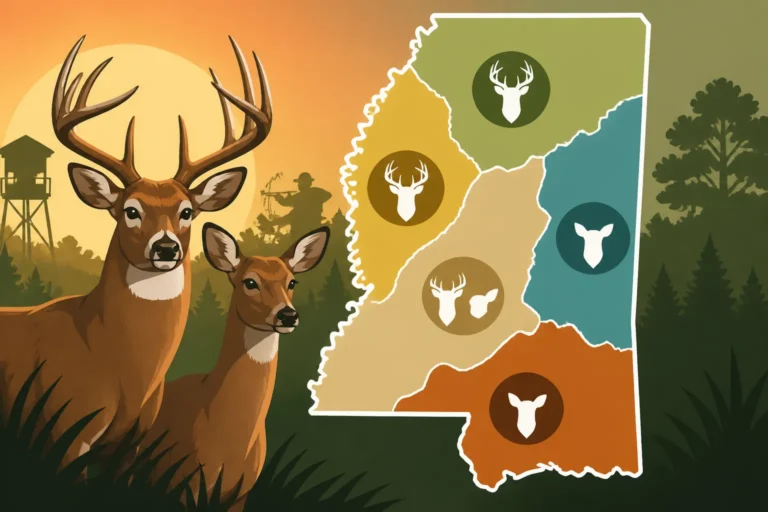
This is where the harvest report truly becomes valuable. Mississippi is a large and diverse state, and deer or turkey populations can vary dramatically from the Delta bottomlands to the Piney Woods or the Loess Bluffs. A statewide total can be misleading because a high harvest in one region might mask a decline in another. Look for breakdowns by deer management unit – the Delta Unit, Hills Unit, Southeast Unit, and North Central Unit. Or, for turkey, look for regional or even county-level data. This localized information is far more relevant to your specific hunting grounds. If you hunt in the Delta, you're less concerned with turkey numbers in the Hills. Understanding these localized trends can help you manage your expectations and even adjust your tactics. For more on these areas, you might want to read Mississippi's Four Deer Management Units.
Antlered vs. Antlerless Harvest
This is one of the most important sections for understanding herd health and management strategies. The ratio of antlered (buck) to antlerless (doe) harvest is a direct reflection of how management efforts are impacting the herd's sex ratio and overall health.
- High Antlered Harvest, Low Antlerless: This can indicate a population that isn't being managed for balance. Too many does can lead to overbrowsing, poor fawn recruitment due to nutritional stress, and lower quality bucks. It suggests hunters might be focusing too heavily on bucks and not doing enough to manage the doe population.
- Balanced Harvest: Ideally, wildlife managers want to see a healthy antlerless harvest to keep the population in check and ensure the habitat can support the deer. This helps reduce competition for food, allows bucks to reach older age classes, and promotes overall herd health.
- What it means for you: If you see a low antlerless harvest in your unit, it might mean there are plenty of does, and you have opportunities to contribute to herd management by taking antlerless deer, especially during Mississippi's Gun Deer Season by Unit when antlerless tags are typically available. If antlerless harvest is increasing, it suggests hunters are doing their part to manage the herd, which in the long run, can lead to better buck quality.
Harvest Method Breakdown (Archery, Muzzleloader, Gun)
Most reports will categorize harvests by weapon type. This offers insight into hunter pressure and success across different seasons:
- Archery Harvest: A significant archery harvest suggests a strong population that is active early in the season, or a dedicated base of bowhunters. It can also indicate less overall pressure compared to gun season, allowing for more mature bucks to be taken with archery equipment. For deeper dives, check out Bowhunting Mississippi's Long Archery Season.
- Muzzleloader Harvest: This middle season often acts as a bridge. Its harvest numbers can show how deer respond to early season pressure and how many deer are still active before the main gun season. High muzzleloader numbers might mean deer are still in predictable patterns before widespread gun pressure, or that more hunters are embracing this traditional method. For tips, see Muzzleloader Deer Hunting in Mississippi.
- Gun Harvest: Unsurprisingly, this typically represents the largest portion of the total harvest due to greater participation and effective range. Analyzing gun harvest numbers against previous years can show the overall health of the herd and the impact of the most popular hunting method. If gun harvest declines significantly, it can be a red flag for the overall population or changes in hunter success.
Hunter Participation and Effort
Sometimes, reports will include data on the number of hunting licenses sold or the estimated number of hunters afield. This is invaluable context. If the total harvest goes down, but the number of hunters also went down, it might not mean the deer population is declining – it could just mean fewer people were out hunting. Conversely, if harvest remains steady but hunter numbers skyrocket, it suggests a more challenging hunt for each individual, hinting at increased pressure on public land or smaller private tracts. Tools like GoHunt can help visualize hunter density in certain areas, but the state reports give you the foundational numbers.
Interpreting the Trends: What the Numbers Really Mean
A single year's harvest report is interesting, but its true power lies in comparison. Looking at data over several years, and understanding the factors that influence those numbers, is how you unlock meaningful insights.
Year-Over-Year Comparisons: Spotting Changes
Don't just look at this year's numbers in a vacuum. Compare them to the last three, five, or even ten years if possible. Are the buck harvest numbers consistently trending up or down in your unit? Is the antlerless harvest holding steady?
- Consistent Decline: A steady decrease in harvest over multiple years, even with stable hunter numbers, could signal a long-term population decline that might warrant a change in your hunting strategy or even management adjustments by the MDWFP.
- Fluctuating Numbers: Wild swings year to year often point to external factors like weather, disease, or mast crop failures rather than a fundamental change in the population itself. For instance, a poor acorn crop one year might lead to deer moving less predictably, affecting harvest.
- Steady Increase: A healthy, growing harvest over time is usually a good sign, suggesting effective management and a robust population. This could mean more opportunities for you in the coming seasons.
Environmental Factors and Harvest Fluctuations
Mississippi's wildlife is deeply affected by its environment. When you see big shifts in harvest numbers, always consider these external influences:
- Weather: Droughts can reduce forage, forcing deer to travel further for food and water. Severe winters (though less common in Mississippi) can impact fawn survival. Conversely, mild winters might mean more deer survive, potentially leading to higher numbers. Even heavy rains during hunting season can reduce hunter effort and success.
- Mast Crops: Acorns are a critical food source for deer and turkeys. A boom-and-bust cycle in the acorn crop can dramatically shift deer movement patterns. A poor mast year might mean deer rely more heavily on food plots or agricultural fields, making them more concentrated and potentially easier to locate, or conversely, harder to find if they are widely dispersed searching for scarce natural food.
- Disease: Outbreaks of diseases like EHD Die-Offs in Mississippi Deer or the presence of Chronic Wasting Disease (CWD) can significantly impact local populations and, consequently, harvest numbers. If you see a sharp, localized drop in harvest, it's worth checking if there have been any disease reports in that area. Understanding Mississippi's Chronic Wasting Disease Zones is becoming increasingly important for hunters.
Hunter Behavior and Management Impacts
Changes in regulations or hunter behavior directly influence harvest data:
- Antler Restrictions: When new antler restrictions are implemented (like the Delta Unit Twelve-Inch Spread Rule Explained or Hills Unit Ten-Inch Spread Rule Explained), you might see an initial drop in buck harvest as younger bucks are protected. Over time, if successful, this should lead to an increase in older, larger-racked bucks being harvested.
- Season Lengths/Dates: An extended season, like the Hunting the Southeast Unit's Longer Archery Run, can lead to a higher overall harvest for that method. Conversely, a shorter season might reduce opportunities.
- Access and Pressure: Increased public land access or new hunting leases can concentrate hunters, potentially leading to higher harvest numbers in specific localized areas, even if the overall population isn't necessarily larger. Knowing Hunting Pressure on Mississippi Public Land can help you interpret trends.
Practical Applications for Your Hunting Strategy
All these numbers and trends aren't just for wildlife biologists; they're powerful tools for you to become a more effective and informed hunter.
Informing Your Season Planning
Understanding harvest reports can help you decide not just if you should hunt a particular area, but when.
- Identifying Hot Spots: Consistently high harvest numbers in a specific county or WMA, especially for mature bucks, can indicate a strong population or good management practices. This might be a place worth scouting.
- Timing Your Hunt: If archery harvest is consistently strong and gun harvest is declining in a specific unit, it might suggest that the deer become warier during gun season, making early archery a prime window. Conversely, if a unit shows a strong late-season gun harvest, it might point to consistent food sources that hold deer longer.
- Managing Expectations: If you see consistently low harvest numbers in an area you plan to hunt, it's wise to temper your expectations. It might require more effort, different tactics, or perhaps a re-evaluation of your hunting spot.
Public vs. Private Land Insights
While harvest reports don't typically break down data by public vs. private land, you can still glean insights. If a WMA consistently reports lower buck harvest numbers than surrounding private land, it's a strong indicator of heavier pressure on the public ground. This might prompt you to hike further in, explore harder-to-reach areas, or focus your efforts on less pressured species like small game. On the other hand, a WMA with decent numbers might suggest good habitat and less pressure than you might assume, encouraging you to invest more scouting time there.
Adjusting Expectations and Tactics
Ultimately, the harvest report is a feedback loop. It tells you what's working (or not working) on a larger scale.
- If your unit shows declining buck harvest despite good antlerless numbers: It might be time to focus on aging deer on the hoof, passing younger bucks, and concentrating on areas known for holding mature animals. This supports the management goals often reflected in the data.
- If turkey harvest is down for several years statewide: This indicates a tougher hunt, and you might need to employ more aggressive run-and-gun tactics or spend more time scouting roosts. You might also prioritize your limited tags, such as Making the Most of a Three-Bird Season Limit a primary goal.
- If a specific game animal's harvest looks good: This could be an opportunity to try hunting a species you haven't pursued much before. Maybe squirrel numbers are through the roof, and it's time to hit those Delta bottomland hardwoods.
It's about being informed, not just hopeful. The more you understand these reports, the better prepared you'll be to make the most of your time in Mississippi's incredible outdoors. Many platforms, like GoHunt, offer subscriptions that can help you dive even deeper into this kind of data, often with mapping overlays and historical trends that can really give you an edge in your planning.
Here's a quick reference for common elements you might find in a Mississippi harvest report and what they signal:
| Report Section | What It Tells You | Actionable Insight for Hunters |
|---|---|---|
| Total Deer Harvest | Overall number of deer taken statewide or by unit. A general measure of success. | Helps set general expectations for the season; compare with previous years for trends. |
| Antlered Deer Harvest | Number of bucks harvested. Focus on this for buck population health and antler growth. | Look for trends in buck harvest; if declining, it might mean more pressure or younger bucks. If increasing, potential for older age class bucks. |
| Antlerless Deer Harvest | Number of does harvested. Crucial for herd density management and balancing sex ratios. | High numbers suggest a healthy doe population where taking antlerless deer supports management. Low numbers might mean fewer does or less hunter effort. |
| Harvest by Method | Breakdown of deer taken by archery, muzzleloader, or gun. | Helps identify prime season windows; if archery is strong, deer may be less pressured early. If gun is dominant, consider alternative methods or tactics. |
| Harvest by County/Unit | Localized data showing success rates in specific geographic areas (e.g., Delta, Hills, etc.). | Most important section for local planning. Directs scouting efforts to productive areas or highlights declining spots. |
| Hunter Participation | Number of hunters who reported harvesting an animal (or number of licenses sold). | If harvest is down but hunter numbers are up, it indicates tougher hunting. If both are down, it suggests a population decline. |
| Average Weight/Age | (Less common for public reports, but sometimes included). Average weight and age of harvested animals. | Higher averages suggest good nutrition and older age classes. Lower averages might point to overpopulation or poor habitat quality. |
| Turkey Harvest Totals | Number of gobblers taken statewide or by region. Indicates overall turkey population health and hunter success. | Similar to deer, use for trend analysis. If consistently low, tougher hunting may be ahead; if high, opportunities abound in that area for spring turkey. |
Disclaimer
This article is for general informational purposes only and does not constitute professional advice. Laws, prices and regulations vary by location and change over time. Consult a qualified professional for guidance on your specific situation.