Mississippi Fawn Survival Rates
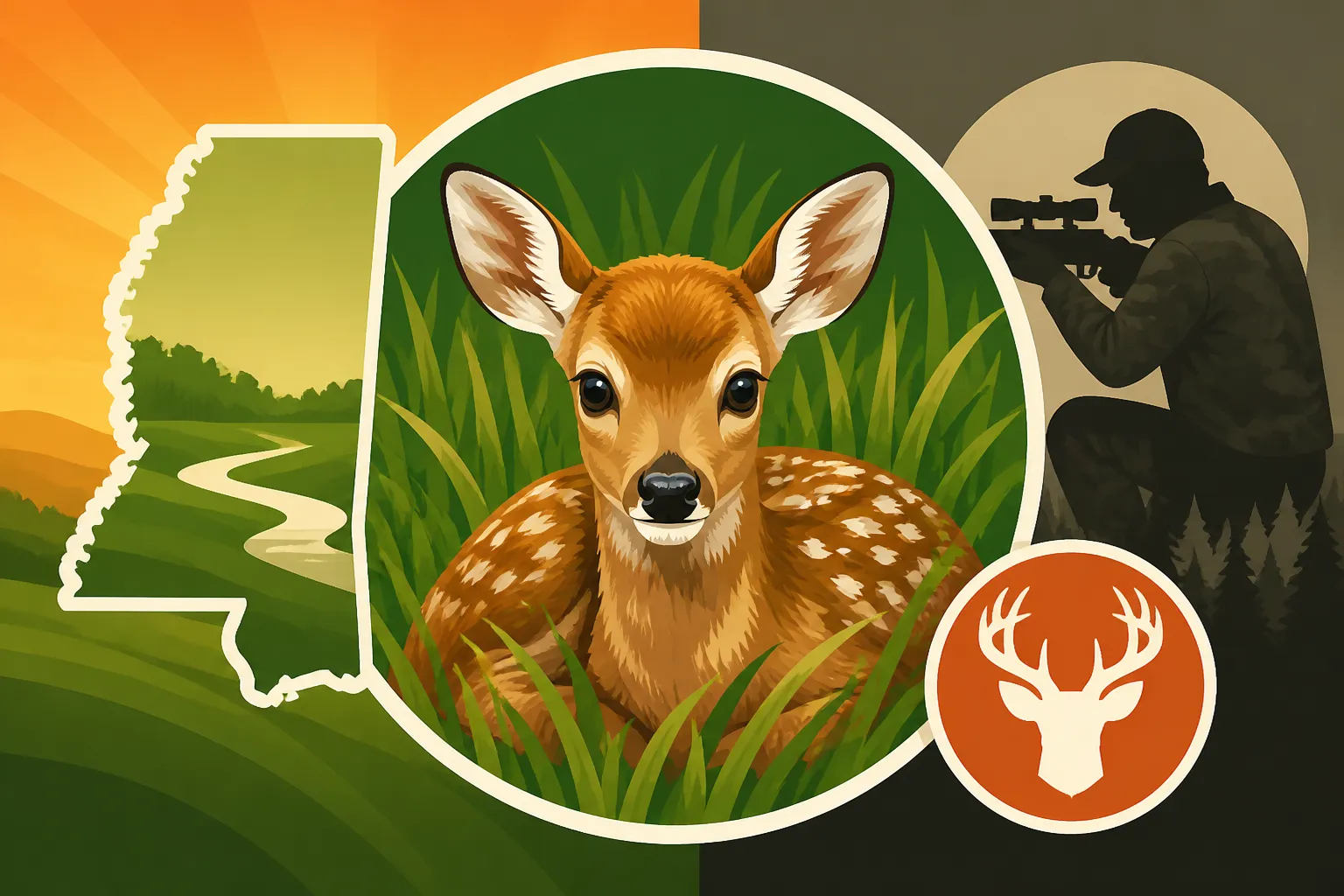
When you're out in the Mississippi woods, hoping to catch a glimpse of that next generation of deer, it's easy to wonder how many of those tiny, spotted fawns actually make it to adulthood. Fawn survival rates are a huge factor in the overall health and future of our deer herds, impacting everything from population density to the quality of future hunting seasons. It’s a complex dance between predators, habitat, weather, and the does themselves. This guide is going to peel back the layers and explore the many elements that influence how many of those precious fawns endure their first critical year, shaping the deer hunting landscape we all cherish here in Mississippi.
The Critical First Months: Factors Influencing Fawn Survival
The journey from a vulnerable newborn to a robust yearling is fraught with challenges for a Mississippi fawn. The first few months are undeniably the most critical, often dictating the overall recruitment rate for the year. It's a period of intense vulnerability, where every factor, from the smallest insect to the largest predator, plays a role in their fate. Understanding these influences is key to appreciating the resilience of our deer population and the hurdles they overcome.
Predation Pressure: Coyotes, Bobcats, and Beyond
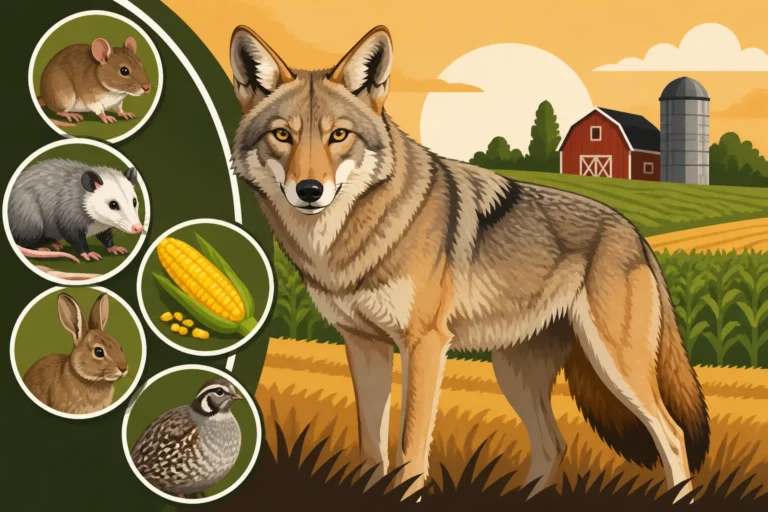
Let's be real, out there in the woods, fawns are essentially tiny, spotted meals for a host of predators. Coyotes are, without a doubt, one of the primary concerns for fawn survival in many parts of Mississippi. They are incredibly adaptable and their populations have really expanded across the state. A coyote’s natural hunting instinct often leads them straight to the most vulnerable prey, and a newborn fawn, with its limited mobility and reliance on camouflage, fits that bill perfectly. It's not uncommon for a single coyote to account for multiple fawn mortalities in a given fawning season. Mississippi Coyote Range and Density has certainly changed over the years, impacting these rates.
Beyond coyotes, bobcats also play a significant role. While perhaps not as widespread in their predation as coyotes, a bobcat is an opportunistic hunter and will absolutely take a fawn when the opportunity arises. We also can't overlook the impact of other opportunistic predators like feral hogs, which, while not primarily deer predators, will certainly prey on fawns if encountered. It’s a tough world for a newborn, and the constant threat from these animals is a major driver of fawn mortality, making Mississippi Predator Impact on Fawn Recruitment a constant concern for wildlife managers and hunters alike.
Habitat Quality and Cover Availability
Think about a newborn fawn: it can't outrun danger, so its best defense is to disappear. This is where good habitat and ample cover become absolutely vital. Dense thickets, tall native grasses, briar patches, and even downed timber provide the perfect hiding spots for a doe to stash her fawn while she's away feeding. Without adequate cover, fawns are simply too exposed to aerial predators like eagles and ground predators like coyotes.
Areas with fragmented habitat, where agricultural fields meet sparse woods, often leave fawns more vulnerable. They need that continuous, thick cover to move and hide effectively. Land management practices, whether it’s clear-cutting that removes cover or controlled burns that reduce undergrowth, can directly impact a fawn's chances. When we talk about Habitat Work on Mississippi WMAs, a huge part of that is creating and maintaining diverse cover for deer, which directly benefits fawns. Hunters using tools like GoHunt can analyze aerial imagery to identify these critical cover areas, helping them understand where fawns might be most vulnerable or most secure.
Maternal Health and Nutrition
A healthy fawn starts with a healthy doe. It's a simple truth that often gets overlooked. A doe that's been well-nourished through the winter and into spring is more likely to give birth to robust, healthy fawns with a higher birth weight and greater vigor. These stronger fawns are more capable of escaping predators, better at thermoregulation, and simply have a better head start in life. Conversely, a doe struggling with poor nutrition might give birth to smaller, weaker fawns, or even lose them shortly after birth.
Factors like overpopulation, where too many deer are competing for limited resources, can lead to a decline in maternal health. A severe winter, a widespread disease like EHD Die-Offs in Mississippi Deer, or even a poor acorn crop can all stress the doe herd, making it harder for them to support a pregnancy and lactate effectively. That's why managing Mississippi Deer Herd Size and ensuring a balanced Mississippi Buck-to-Doe Ratio by Region is so crucial; it helps keep the entire population, especially the breeding does, in prime condition to produce and raise healthy fawns.
Understanding Fawn Vulnerability and Survival Challenges
The first few weeks of a fawn's life are a constant battle for survival. Their small size, dependence on the mother, and developing senses make them incredibly vulnerable. It's not just predators or lack of cover, but also environmental shifts and unforeseen human impacts that can tip the scales against them.
Birth Timing and Environmental Stressors
In Mississippi, fawning typically peaks in late spring and early summer. This timing is generally synchronized with the flush of new growth, providing both food for the lactating does and cover for the fawns. However, nature isn't always predictable. An unseasonably cold snap in May, or prolonged heavy rains during the peak fawning period, can be devastating for newborns. Their delicate systems are still developing, and they struggle to regulate their body temperature. Hypothermia or even respiratory issues can quickly claim a young fawn.
Conversely, intense heat and drought during early summer can also stress both fawns and does. Does need water and forage to produce milk, and if these resources are scarce, fawn survival rates can drop. It's a delicate balance, and any extreme weather event outside the norm can significantly impact the cohort of fawns for that year. The unpredictable nature of Mississippi weather adds another layer of complexity to their already challenging start.
Disease and Parasites
While not always immediately fatal, various diseases and parasites can weaken fawns, making them more susceptible to predation or environmental stressors. A heavy parasite load, for instance, can compromise a fawn's immune system and stunt its growth. While major outbreaks like CWD are more often associated with adult deer, a herd that is generally unhealthy due to disease or parasites will produce less resilient fawns.
It's a cascading effect: a stressed doe might pass on less immunity to her fawn, or the fawn itself might pick up parasites that reduce its vigor. While MDWFP monitors for major diseases, it’s often the cumulative effect of minor health issues that collectively reduce fawn survival. It highlights the importance of overall herd health and habitat quality to build a robust population resistant to these subtle but impactful threats.
Human-Caused Impacts: Collisions and Disturbance
We often think of direct predation, but human activities also play a significant, albeit often indirect, role in fawn survival. Mississippi Deer Vehicle Collisions are a constant concern on our roadways, and unfortunately, a significant number of these collisions involve does, especially during times of increased activity. When a doe is killed, any fawns she might be nursing or tending are left orphaned, with little chance of survival on their own.
Beyond direct fatalities, human disturbance can also impact fawns. While most hunters are respectful, activities like shed hunting in sensitive areas during the spring, or excessive foot traffic in prime fawning cover, can inadvertently separate a fawn from its mother. While does often leave their fawns hidden for hours, repeated disturbance can cause stress or force a doe to move her fawn to a less secure location. Agricultural practices, such as hay cutting, can also unknowingly result in fawn mortalities if fawns are bedded in tall fields. Being aware of these impacts and taking precautions, particularly during the late spring and early summer, can make a difference.
How Mississippi Monitors and Manages Fawn Populations
Understanding fawn survival isn't just a matter of observation; it's a critical component of sound wildlife management. The Mississippi Department of Wildlife, Fisheries, and Parks (MDWFP) employs various methods to track and understand these vital statistics, ensuring that management strategies are informed by real data. It's a continuous process of monitoring, assessing, and adapting to the dynamic challenges faced by our deer.
MDWFP Surveys and Data Collection
The MDWFP relies on a combination of direct surveys and hunter-supplied data to estimate fawn recruitment. One of the primary metrics is the "fawn-to-doe ratio," which gives wildlife biologists an indication of how many fawns are surviving per doe in specific regions. This data is often gathered through spotlight surveys conducted after the fawning season, where trained personnel drive designated routes at night, counting deer and categorizing them as bucks, does, or fawns. This provides a snapshot of the population's age structure and reproductive success.
Hunter harvest data also plays a crucial role. When hunters report their deer harvests, providing details on age and sex, it contributes to a larger picture of herd demographics. While it doesn't directly count fawns, it helps establish the overall health and productivity of the herd year after year. The MDWFP also uses specialized studies, sometimes involving collared does or fawns, to get more precise survival rates in specific areas, especially in Mississippi's Chronic Wasting Disease Zones or areas of particular management interest. Tools like GoHunt can help hunters visualize public land boundaries and habitat types, which assists MDWFP in planning their survey routes more effectively.
Habitat Management Initiatives
A significant portion of the MDWFP's management efforts, often conducted on Mississippi Wildlife Management Areas, directly benefits fawn survival through habitat improvement. This isn't just about planting food plots, though those certainly help; it's about creating diverse and abundant cover. Prescribed burning, for example, is a widely used tool to manage undergrowth, prevent wildfire, and stimulate new growth of native grasses and forbs, which provide both forage and concealment.
Timber management, including selective thinning or creating early successional habitats, also plays a crucial role. These practices ensure a mosaic of cover types that fawns can utilize to hide from predators. Furthermore, efforts to control invasive species that might outcompete native forage plants indirectly support does and fawns by improving the nutritional landscape. These initiatives, whether on public lands or through private landowner assistance programs, are fundamental to ensuring that fawns have the best possible chance to grow and thrive.
The Hunter's Role in Supporting Healthy Fawn Recruitment
As hunters, we're more than just participants in the annual harvest; we're also critical stewards of the resource. Our actions, from the choices we make in the field to our support for sound management, directly influence the health and future of Mississippi’s deer herd, including those delicate fawn populations. Understanding our role is key to ensuring that future generations can enjoy the rich hunting heritage we have.
Ethical Hunting Practices and Herd Management
One of the most impactful ways hunters contribute to healthy fawn recruitment is through ethical and informed herd management. This often involves understanding and adhering to Mississippi Deer Bag Limit Rules, particularly as they pertain to doe harvest. In many areas, carefully regulated doe harvest is essential to maintain a healthy Mississippi Buck-to-Doe Ratio by Region and prevent overpopulation. When deer populations exceed the carrying capacity of the land, does become stressed, leading to lower birth weights and reduced fawn survival.
By taking appropriate numbers of does, especially those that appear healthy and robust, hunters can help ensure that the remaining does have ample resources to raise strong fawns. It's a balancing act: too few does harvested can lead to overpopulation and stressed animals, while excessive doe harvest can obviously depress future fawn crops. The goal is a balanced, healthy herd that consistently produces high fawn survival rates. Knowing the specifics of Mississippi Deer Season Structure Explained is critical to making responsible choices.
Respecting Wildlife During Critical Periods
Finally, a truly responsible hunter understands the importance of minimizing disturbance during critical periods, especially the fawning season. While it's tempting to scout or shed hunt year-round, exercising caution in prime fawning habitat during late spring and early summer is paramount. If you happen upon a "lost" fawn, the best thing you can almost always do is leave it undisturbed. Does will often leave their fawns alone for hours, sometimes a full day, only returning to nurse. Your presence, no matter how well-intentioned, can prevent the mother from returning or draw predators to the location.
Furthermore, being diligent about reporting your harvest, as required by Mississippi Deer Reporting Requirements, provides invaluable data to the MDWFP, helping them assess herd health and adjust management strategies to protect future fawn crops. Each piece of information helps build a more accurate picture of how our deer are doing, allowing wildlife biologists to make informed decisions that benefit both the deer and the hunting community. Ultimately, by being informed, ethical, and respectful, hunters become key allies in ensuring robust Mississippi Fawn Survival Rates for years to come.
Disclaimer
This article is for general informational purposes only and does not constitute professional advice. Laws, prices and regulations vary by location and change over time. Consult a qualified professional for guidance on your specific situation.