Mississippi Predator Impact on Fawn Recruitment
It’s a sight every Mississippi deer hunter dreads: a healthy doe passing through your shooting lane, but without a fawn or two trailing behind her. We’ve all been there, wondering where the future of our deer herd went. That sinking feeling in your gut when the woods feel a little too quiet, or you just aren't seeing the young deer you used to, it’s a real concern for the long-term health of our whitetails. This guide is all about diving deep into a major piece of that puzzle: the very real and significant impact predators have on fawn recruitment in Mississippi, and what we can do about it.
Understanding Fawn Recruitment: The Future of Our Deer Herd
Fawn recruitment is a fancy term for something pretty simple: it's the number of fawns that survive long enough to join the adult population, usually measured as fawns per doe. Think of it as the deer herd's birth rate and early childhood survival all rolled into one. If recruitment is low, it means fewer young deer are making it to their first birthday, which directly impacts the number of bucks and does available for hunting in the coming years. It’s the engine that drives population growth, and when that engine sputters, we feel it in the stand.
The Vulnerable Lives of Newborn Fawns
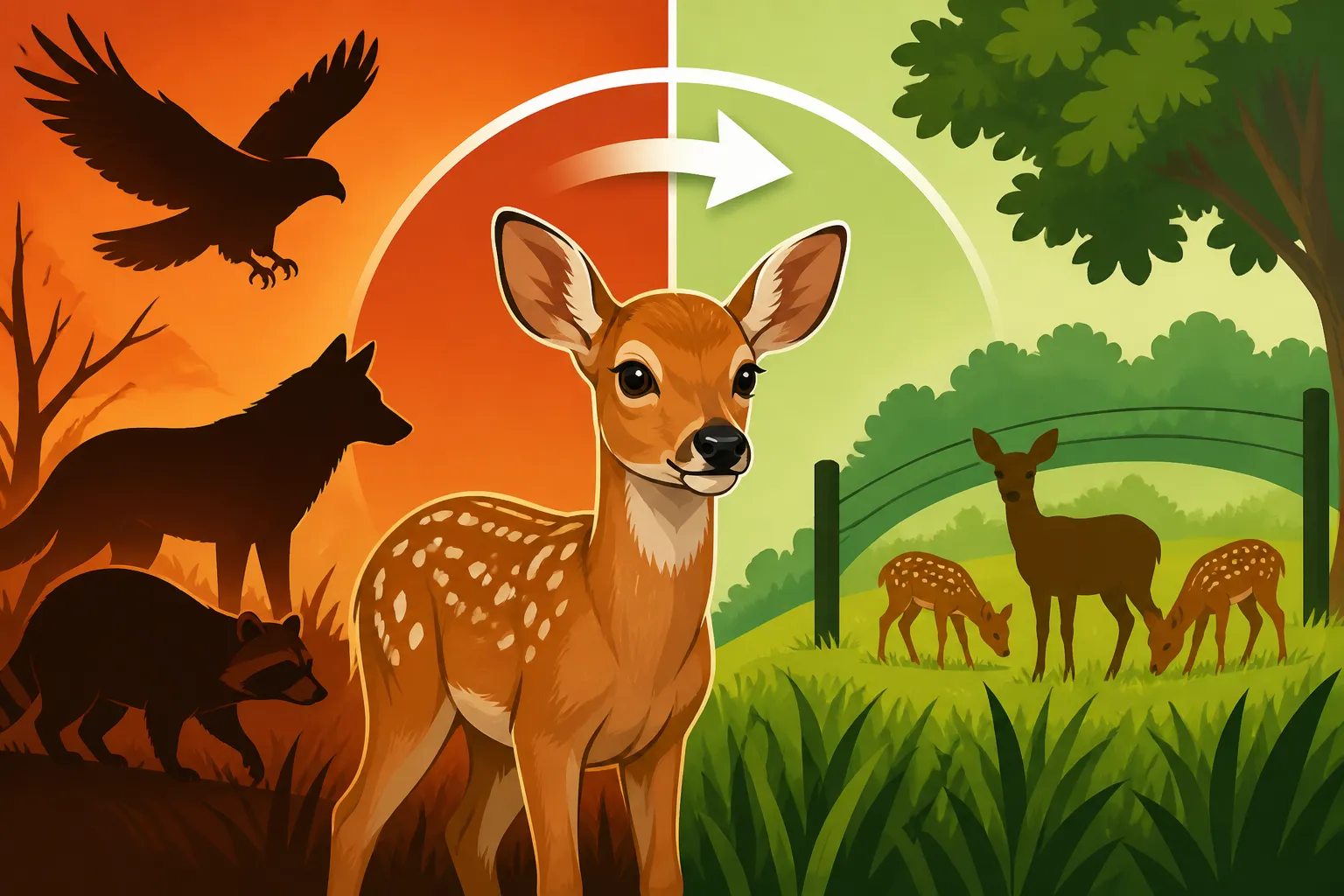
Those adorable, spotted little bundles of joy are incredibly vulnerable in their first few weeks of life. For roughly the first month, a fawn's primary defense mechanism is concealment. They lay perfectly still, relying on their camouflage and lack of scent to avoid detection. Does will often leave their fawns hidden for hours, returning only to nurse. This crucial period, from birth through about 4-6 weeks, is when they are most susceptible to predation. A missed step, a sudden noise, or a shifting wind can betray their position, turning them into an easy meal for a hungry predator. It's a tough world out there, and our Mississippi fawns face a gauntlet from day one.
Why Recruitment Matters for Future Hunting Success
A robust fawn recruitment rate is absolutely critical for healthy deer populations and, let's be honest, for us hunters. If only a small percentage of fawns survive, then two or three years down the road, you're looking at fewer yearlings, fewer two-and-a-half-year-old bucks, and ultimately, fewer mature deer across the board. Low recruitment doesn't just mean fewer deer to hunt; it can also impact the age structure and genetic potential of your local herd. When you're constantly seeing mostly older deer and very few young ones, it's a clear sign that the future pipeline isn't as full as it should be. It’s a challenge many of us are grappling with, especially in areas with increasing predator populations. For a broader picture, you might want to read about Mississippi Deer Population Estimate.
The Main Culprits: Predators Targeting Mississippi Fawns
While nature is full of checks and balances, some predator populations in Mississippi have found a sweet spot, thriving and exerting significant pressure on our fawn crop. It’s not about demonizing any animal; it’s about understanding the ecological realities and the impact on our primary game species. The reality is, coyotes and feral hogs are at the top of the list when it comes to fawn mortality.
Coyotes: Mississippi's Relentless Fawn Predator
Coyotes are arguably the single most impactful predator on fawn recruitment across much of Mississippi. These highly adaptable canines are intelligent, opportunistic, and their numbers have exploded in our state over the past few decades. A single coyote can cover a remarkable amount of ground, and a pair or small pack can systematically search an area. They're particularly effective during the fawning season, often keying in on areas where does concentrate to drop their fawns. We've all heard the stories, or even seen the evidence, of coyotes working a field edge or a thicket, and it's frustrating to think about the impact they have on those vulnerable youngsters. This is a topic many hunters discuss with passion, and for good reason. For more on these animals, check out Coyotes and Predators in Mississippi.
Their hunting strategy during fawning season often involves methodical searching. They learn where does tend to drop their young, returning to those areas year after year. While they will certainly take adult deer if the opportunity arises, a motionless, scent-reduced fawn is a far easier meal. Their presence alone can stress does, potentially leading to fawns being born in less than ideal cover if the doe is constantly on edge. The sheer density of coyotes in some parts of Mississippi means that even if a doe manages to drop a fawn successfully, the odds of that fawn making it to six months without encountering a coyote are significantly reduced.
Feral Hogs: A Growing Threat to Fawns and Habitat
Feral hogs are another major player in the fawn predation game, and their impact is often underestimated. Unlike coyotes, who are primarily seeking meat, hogs are omnivores and incredibly destructive to habitat. However, they are absolutely opportunistic predators, and a helpless newborn fawn is an easy target. Sows with piglets can be particularly aggressive and will readily prey on fawns they stumble upon. The fact that their population continues to expand rapidly across Mississippi, coupled with their destructive rooting habits that degrade fawn bedding cover, makes them a dual threat.
Imagine a large sounder of hogs moving through a thicket where fawns are bedded. They might not be actively "hunting" fawns, but if they come across one, it's not going to be ignored. Their constant rooting also destroys the very undergrowth and tall grasses that fawns rely on for concealment. This forces does to bed fawns in less secure areas, further increasing their vulnerability. The struggle against feral hogs is a year-round battle for many landowners and hunters in Mississippi. We often talk about hog hunting for sport or to protect crops, but their impact on our deer herd's youngest members is a serious and often overlooked consequence. If you're dealing with them, you might find Mississippi Hog Trapping Rules helpful.
Other Predators and Their Role
While coyotes and feral hogs are the big two, other predators also play a role, albeit a lesser one in overall fawn recruitment numbers. Bobcats, for instance, are skilled hunters and will certainly take a fawn if the opportunity arises. However, bobcat populations are generally lower and their individual impact is less widespread than coyotes. In the handful of areas where Mississippi's recovering black bear population exists, particularly in the Delta and southern swamp regions, bears can also be opportunistic predators of fawns. Their impact is highly localized and not a statewide concern for fawn recruitment. Ultimately, it’s a mosaic of predators, each contributing in their own way, but the overwhelming consensus among wildlife biologists and hunters alike points to coyotes and hogs as the primary drivers of fawn mortality.
Spotting the Signs of Poor Fawn Recruitment
It’s easy to feel disheartened when you suspect low fawn recruitment, but how can you really tell what’s happening in your specific hunting area? It’s not always about seeing a predator make a kill; often, it’s about what you don’t see. Learning to read these subtle cues can help you understand the health of your local deer population and inform your management strategies.
Low Fawn-to-Doe Ratios
One of the clearest indicators of poor fawn recruitment is a consistently low fawn-to-doe ratio. This is something you can begin to observe yourself during the late summer and early fall. Pay close attention to every doe you see. Is she accompanied by one fawn? Two? Or none at all? While it's common for yearlings to have one fawn and older, healthier does to have two (or even triplets occasionally), if you're regularly seeing mature does alone or only with a single fawn, that's a red flag.
Keep a mental tally, or even a literal one in a notebook, of how many fawns you observe with each doe over several outings. If you’re consistently seeing ratios below 0.8-1.0 fawns per doe (meaning less than one fawn for every mature doe), it’s a strong indication that fawn survival is struggling. This observation might be frustrating, making you feel like the population just can't catch a break, but it's vital data for understanding the problem. Monitoring your herd, especially when you can, provides critical insights into what needs to be addressed. You can even use resources like Mississippi Deer Harvest Records to compare your observations with broader trends.
The Absence of Young Deer in Subsequent Seasons
Another tell-tale sign of poor recruitment isn't something you see this year, but rather what you don’t see in the next few years. If fawn recruitment was low, you'll notice a distinct lack of yearlings (one-and-a-half-year-old deer) and two-and-a-half-year-olds in the following seasons. These are the future of your herd, and their absence creates a "hole" in the age structure. You might see a lot of older, mature deer and a few current-year fawns, but that middle age class will be visibly sparse.
This can manifest as fewer spikes, fewer small four-points, and generally less deer traffic from those younger age classes. It's a disheartening realization for hunters who are trying to manage for a healthy, balanced herd. You might wonder why your diligent food plot work or habitat improvements aren't translating into more deer. Often, it's because the fawns needed to fill those age classes simply aren't making it past their first few weeks. It highlights the importance of managing not just for adult deer, but for the survival of the youngest generation.
Strategies for Mitigating Predator Impact
So, what can we actually do about this? Feeling powerless against predators is a common frustration, but there are proactive steps hunters and landowners can take to help increase fawn survival. It requires a multi-faceted approach, often combining direct predator control with habitat improvements.
Predator Control Efforts: A Necessary Component
Effective predator control, particularly for coyotes and feral hogs, is a vital component of improving fawn recruitment. This isn't about eradication, which is often impossible and rarely the goal. Instead, it's about reducing predator densities during critical fawning periods to give fawns a better chance at survival. For coyotes, this can involve trapping, snaring (where legal and appropriate), and hunting, especially through calling efforts. Consistency is key; single, sporadic efforts often don't have a lasting impact.
For feral hogs, the battle is even more intense due to their rapid reproductive rates. Trapping is widely considered the most effective method for reducing hog numbers, often catching multiple animals at once. Night hunting with thermal or night vision equipment is also highly effective where legal. Remember, in Mississippi, feral hogs can be hunted year-round on private land without limits, which underscores the state's recognition of their destructive nature. Sustained, aggressive hog control efforts are crucial. Mississippi Feral Hog Regulations provide more detail on this.
When implementing predator control, it's important to understand the regulations. For example, Night Hunting Hogs With Lights on Private Land outlines what's permissible.
Habitat Management for Fawn Cover
Beyond direct predator removal, improving habitat for fawns can dramatically increase their chances of survival. Fawns need dense, thick cover where they can hide effectively from predators. This means areas with tall grasses, thick briar patches, regenerating clear-cuts, and dense shrubbery. Does will naturally seek out these areas to drop their fawns, knowing they offer the best chance for concealment.
Landowners can actively manage for this by:
- Selective Timber Thinning: Creating areas where sunlight can reach the forest floor, promoting dense understory growth.
- Prescribed Burning: Carefully managed burns can stimulate new, thick growth of grasses and forbs that fawns use for cover.
- Creating "Thermal Thickets": Dense stands of pines or other evergreens can provide critical year-round cover.
- Leaving Undisturbed Areas: Designating specific areas of your property as fawn-rearing sanctuaries, minimizing human disturbance during the fawning season.
By providing ample, high-quality cover, you're giving fawns a natural defense, making it harder for predators to find them. This proactive approach can be incredibly rewarding, as you'll see the direct result in healthier fawn survival rates. For more on the deer population itself, check out Mississippi Deer Herd Size and Mississippi Fawn Survival Rates.
Monitoring Your Deer Herd's Health
Knowledge is power, and consistent monitoring of your deer herd can provide invaluable insights into fawn recruitment and overall herd health. This isn't just about spotting fawns; it's about collecting data over time.
Tools and Techniques for Monitoring:
- Trail Cameras: Strategically placed cameras can help you track fawn-to-doe ratios over several weeks post-fawning season. Set them up on food plots or natural travel corridors and count the number of fawns seen with does.
- Observation Stands: Spending dedicated time observing does during late summer and early fall can give you a visual census of fawn survival.
- Harvest Data: Analyze your harvest data year over year. Are you seeing fewer young deer in the one- to two-year-old age classes? This can confirm suspicions of low recruitment from previous seasons.
- Mapping and Analysis Tools: Utilizing mapping software like GoHunt can help you identify areas of dense cover ideal for fawns and plan your habitat management efforts more effectively. You can mark predator sightings, fawn observations, and areas of concern. This kind of detailed planning helps you focus your efforts where they'll do the most good.
Collecting and analyzing this data helps you understand the specific challenges in your area and tailor your strategies accordingly. It moves beyond anecdotal observations to a more scientific approach, giving you the tools to truly make a difference for your Mississippi deer herd.
Predator Control and Habitat Management Comparison
Here's a quick look at how these two primary strategies stack up:
| Strategy | Primary Goal | Immediate Impact | Long-Term Impact | Best For | Considerations |
|---|---|---|---|---|---|
| Direct Predator Control | Reduce predator numbers | Quick reduction of threat | Needs sustained effort | High-density predator areas; specific threats | Time, effort, cost, legality, public perception |
| Habitat Management | Enhance fawn survival cover | Gradual improvement | Sustainable, long-lasting | Areas needing improved cover for fawns | Requires planning, time for growth, landowner commitment |
The best approach often combines both strategies. Reducing predator numbers gives fawns an immediate reprieve, while improving habitat provides them with better defenses in the long run. By understanding the Mississippi Deer Season Structure Explained and integrating these strategies, you can become a more effective steward of your local deer population.
Disclaimer
This article is for general informational purposes only and does not constitute professional advice. Laws, prices and regulations vary by location and change over time. Consult a qualified professional for guidance on your specific situation.