Pascagoula River Wildlife Management Area
Hunting public land in Mississippi, especially somewhere as expansive and unique as the Pascagoula River Wildlife Management Area, can feel like stepping into a wild, untamed world. It's a place that demands respect, preparation, and a willingness to work for your opportunities, often testing your resolve against thick cover, water, and mosquitoes. This guide is here to help you navigate the rich, challenging, and incredibly rewarding experience of hunting this remarkable bottomland treasure, giving you insights into what to expect and how to maximize your time in this truly special part of our state.
Pascagoula River WMA: An Overview of Mississippi's River Basin Gem
The Pascagoula River Wildlife Management Area stands as a testament to Mississippi's natural grandeur, encompassing a vast and largely untouched floodplain ecosystem. For hunters and outdoor enthusiasts, it's not just a piece of public land; it’s a living, breathing wilderness that offers a raw, authentic experience you'd be hard-pressed to find elsewhere. This isn't your manicured pine plantation hunt; this is deep woods, winding sloughs, and dense bottomland that challenges and rewards in equal measure. Understanding the sheer scale and unique ecology of this WMA is your first step to unlocking its potential.
Where the Pascagoula's Waters Flow
Imagine a network of cypress-tupelo swamps, meandering sloughs, oxbow lakes, and sprawling bottomland hardwoods, all fed by the Pascagoula River—one of the last free-flowing rivers in the continental United States. This isn't a small tract; it's a massive area covering tens of thousands of acres across multiple counties in southeast Mississippi, including Jackson, George, and Greene. The sheer size and interconnected waterways mean that access can be challenging, and what looks like dry ground on a map might be ankle-deep water in reality. Hunters here often rely on small boats, canoes, or even just their waders to reach prime spots. The dynamic nature of the river system means that the landscape can change year to year, or even month to month, with fluctuating water levels dictating travel routes and game movement.
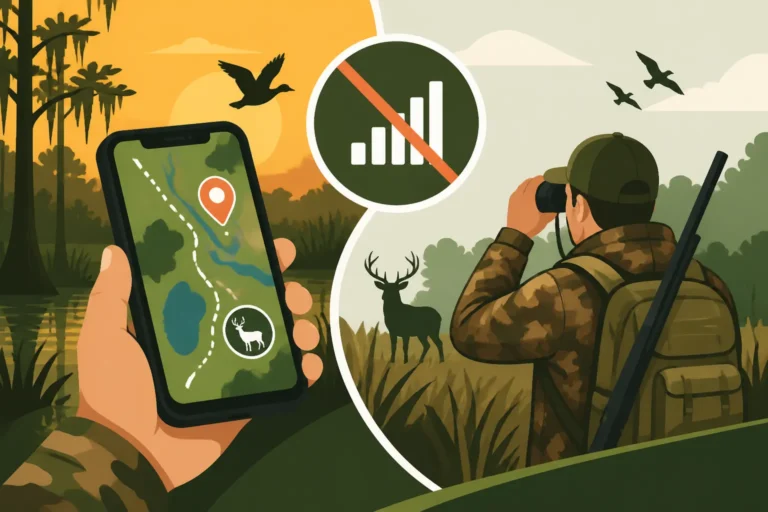
When planning your trip, don't just look at a static map. Tools like onX Hunt can be invaluable here, allowing you to see recent satellite imagery and topo maps to identify sloughs, high ground, and potential access points. It's essential to understand the lay of the land, as getting turned around in the dense bottomland is a real possibility, especially when the leaves are down and visibility is low. The Pascagoula is known for its incredible natural beauty, but that beauty comes with a dose of wildness that requires diligent preparation.
The Ecological Significance of the Floodplain
The Pascagoula River floodplain is a jewel of biodiversity, a critical ecosystem that supports an astounding array of wildlife, including many species not commonly found elsewhere in the state. This expansive bottomland is a haven for migratory birds, amphibians, reptiles, and, of course, the game animals we pursue. Its unique hydrology, with seasonal flooding and drying cycles, creates a dynamic environment that constantly shapes the available habitat and influences animal behavior. You'll find ancient cypress trees draped in Spanish moss, towering oaks and gums, and an understory that can range from open and navigable to impossibly thick palmetto and briar patches.
This rich habitat provides exceptional food sources for deer, turkeys, and small game. The annual mast crop from the various oak species is a primary draw for deer and squirrels, while the diverse insect life and lush vegetation support healthy turkey populations. What makes the Pascagoula truly special is its relative isolation and wildness. It's not heavily fragmented by roads or development, allowing for large, undisturbed areas where wildlife can thrive. This ecological integrity contributes to a healthier, more robust game population, but it also means hunters must be prepared for a truly immersive wilderness experience. It's part of the reason why many hunters are drawn to the challenge and quiet solitude that this particular WMA offers, seeking a connection to a more primeval hunting ground. If you're looking for Public Hunting Land in Mississippi that truly feels wild, the Pascagoula is a prime candidate.
Deer Hunting in the Pascagoula River Bottoms
Deer hunting in the Pascagoula River WMA isn't for the faint of heart; it's a test of endurance, woodsmanship, and adaptability. The bottomland habitat presents unique challenges compared to the rolling hills or pine plantations found elsewhere in Mississippi. However, for those willing to put in the effort, the rewards can be significant, with opportunities for mature bucks that have grown up largely undisturbed in this wild environment.
Navigating the Challenges of Bottomland Deer
Unlike other areas, the Pascagoula's deer are intimately tied to the river's ebb and flow. Water levels dictate their movement, bedding areas, and feeding patterns. During periods of high water, deer will often concentrate on higher ground, sometimes small islands or narrow ridges that become isolated. Conversely, during low water, they might spread out across the expansive floodplain, making them harder to pattern. The thick cover, comprised of dense underbrush, can make visibility extremely limited, often requiring close-quarters encounters. This means shot opportunities can be fleeting, and tracking a deer through the maze of sloughs and briars can be an arduous task.
Furthermore, the very nature of bottomland means wet feet are almost a guarantee. Hunters need proper waders or waterproof boots, and an appreciation for the physical demands of slogging through mud and water. Scent control is also paramount here, as the dense cover often means deer are closer than you realize before you see them. Understanding the wind and thermal currents in this humid, often stagnant air is crucial. It’s a different game than hunting fields or open timber, requiring a more subtle, stealthy approach and an intimate knowledge of the terrain. For those familiar with Hunting Delta Unit Bottomland Deer, many of the same principles of reading water and cover will apply here.
Scouting and Stand Placement in Riverine Habitat
Effective scouting is the bedrock of success in the Pascagoula. This isn't a place where you can show up opening morning and expect to stumble into a prime spot. Pre-season trips, preferably during lower water levels, are critical for identifying travel corridors, rub lines, scrapes, and feeding areas. Look for pinch points created by sloughs or high-water islands, funneling deer movement. Examine creek crossings and slight elevations that deer will use to avoid water. Using an app like onX Hunt can help you mark these features digitally, making it easier to return to them in season. Pay attention to mast crops—oaks, sweetgums, and persimmons are key food sources.
When it comes to stand placement, flexibility is key. Permanent stands are often impractical due to fluctuating water levels and the wild nature of the WMA. Mobile setups, like climbing stands or lightweight hang-on stands, allow you to adapt to changing conditions and follow deer sign. Consider setting up along natural funnels, transition zones between different cover types, or overlooking heavy trails leading to known feeding or bedding areas. Ground blinds can also be effective in thick cover, providing concealment and a break from the elements, but remember that many WMAs have specific rules regarding their use on public land. Always check the current Mississippi WMA Permit Requirement and regulations for stand and blind placement.
Turkey Hunting Among the Pascagoula Swamps
Spring turkey hunting on the Pascagoula River WMA offers one of the most challenging yet rewarding experiences in Mississippi. The gobblers here are truly wild birds, often residing in vast, unbroken timber, and their calls echo through the ancient cypress and oak stands. Success demands patience, expert calling, and a deep understanding of river-bottom turkey behavior.
Spring Gobblers in the Cypress and Hardwoods
Hunting turkeys in the Pascagoula means immersing yourself in prime river-bottom habitat. Here, gobblers often choose towering cypress or mature hardwoods as their roost trees, especially those overlooking sloughs or slightly higher ground. Their morning routine will be dictated by the lay of the land and recent water levels. If the ground under their roost is flooded, they might fly directly to the nearest dry ridge or oak flat. If it’s dry, they might pitch down and strut in more open timber. The dense canopy can sometimes muffle calls, making it harder to pinpoint a bird's exact location, and the thick undergrowth can make closing the distance on a hung-up gobbler a real challenge.
Unlike some areas where birds might frequent open fields, Pascagoula gobblers are generally deep-woods birds. They'll feed on insects, acorns, and various vegetation found within the swamp and bottomland. Knowing where to expect them to fly down, and understanding how they use subtle elevation changes and natural barriers like sloughs, is crucial. It's a game of listening intently, moving slowly, and being prepared to set up quickly when a bird sounds off close by. Remember that during Mississippi Spring Turkey Season Rules, the state sets specific bag limits and other regulations, which hunters must adhere to.
Adapting Tactics to the River Environment
Successful turkey hunting in the Pascagoula requires a flexible approach. Run-and-gun tactics, while useful in some areas, can be difficult in the dense, often wet, terrain. Instead, many hunters find success by identifying likely roosting areas and setting up well before dawn, listening for birds on the roost. Once a gobbler sounds off, patience is key. Rather than aggressively pursuing him, try to call him into a comfortable setup, mimicking hens that might be feeding nearby. Soft yelps, clucks, and purrs can often be more effective than loud, aggressive calling, especially on pressured birds.
Access often means wading or boating, so minimizing gear is important. A lightweight vest, calls, and a reliable shotgun are usually sufficient. Pay close attention to the forecast; a calm, clear morning can be magical for hearing distant gobblers, while a windy or rainy day can make locating birds extremely difficult. Be prepared to sit for extended periods, as these birds can be hesitant to commit, especially if they've seen hunting pressure. Knowing how to adapt your setup to accommodate water, thick brush, or limited visibility is a skill honed over many frustrating (and rewarding!) hunts. Many of the strategies used for Roost Hunting Mississippi Gobblers in other parts of the state are amplified by the Pascagoula's unique challenges.
Waterfowl and Small Game Opportunities
While deer and turkey might grab most of the headlines, the Pascagoula River WMA is also a fantastic destination for waterfowl and small game hunters. Its extensive network of sloughs, backwaters, and dense timber creates ideal habitat for ducks, squirrels, and rabbits, offering diverse hunting experiences throughout the fall and winter.
Duck Hunting the Pascagoula's Backwaters and Sloughs
The Pascagoula River system, being a major artery in the Mississippi Flyway, draws a significant number of migratory waterfowl. For duck hunters, this WMA offers a different flavor of hunting than the large flooded fields of the Delta. Here, you'll be targeting ducks in flooded timber, cypress breaks, and the winding sloughs and oxbow lakes that permeate the floodplain. Wood ducks are plentiful, often found darting through the trees, but you'll also encounter mallards, gadwalls, teal, and other species, particularly during cold fronts that push birds south.
Hunting here often involves scouting by boat or kayak to find secluded pockets of water where ducks are feeding and loafing. Setting up a spread of decoys in a flooded timber hole, calling with finesse, and being prepared for close-range shots are all part of the experience. Unlike a field hunt, concealment is often provided naturally by the dense trees and brush, but a good layout or boat blind can make all the difference. Knowing the current Mississippi Duck and Goose Bag Limits is crucial, and remember that specific WMA rules may apply. This type of hunting requires a bit more effort in terms of access and setup, but the reward of a truly wild duck hunt in a pristine environment is something special. The challenge of navigating the maze of waterways and finding the "X" is a big part of the allure.
Small Game in the River Corridor
For those who enjoy a more relaxed pace or want to introduce new hunters to the sport, the Pascagoula also shines for small game. Squirrel hunting, in particular, can be excellent throughout the WMA's hardwood forests. The abundance of oak species provides a consistent food source, and the undisturbed nature of the habitat allows squirrel populations to thrive. Whether you prefer still-hunting with a .22 or working with a squirrel dog, the Pascagoula offers ample opportunities. Mornings are often best, as squirrels are most active, scampering through the branches and chattering as they gather acorns. The experience of Squirrel Hunting Delta Bottomland Hardwoods shares many similarities with the Pascagoula, emphasizing the dense timber and river proximity.
Rabbit hunting is another popular pursuit, especially in areas with dense brush, palmetto thickets, and fencerows (where they exist, often on the WMA boundaries or higher ground). Running beagles through these areas can be incredibly productive and provides an exciting, fast-paced hunt. The Pascagoula's diverse understory, which can be challenging for deer hunters, creates perfect cover for rabbits. Beyond squirrels and rabbits, other small game like various migratory birds (woodcock, snipe) can also be found, offering additional opportunities for keen-eyed hunters. Remember to always check the specific season dates for each species before heading out.
Understanding the Regulations and Access
Hunting a WMA like the Pascagoula isn't just about knowing the woods; it's also about understanding the rules. The Mississippi Department of Wildlife, Fisheries, and Parks (MDWFP) manages these areas, and specific regulations often apply on top of statewide laws. Being prepared means knowing what permits you need, how to report your harvest, and how to access the WMA responsibly.
Essential Permits and Reporting Requirements
Before you even set foot in the Pascagoula River WMA, you'll need the proper licenses and permits. In addition to your regular Mississippi hunting license (resident or non-resident, depending on your status), you will also need a WMA permit. This permit is required for anyone ages 16-64 to hunt or fish on any state-managed WMA. It's a small investment that goes directly back into managing and maintaining these vital public lands. For precise details, make sure you look up the current Mississippi WMA Permit Requirement. Don't assume your general hunting license covers everything; WMA-specific rules are often more stringent to help manage resources effectively.
Beyond permits, harvest reporting is a critical part of hunting in Mississippi. All deer and turkey harvested on WMAs, as well as statewide, must be reported to the MDWFP. This can typically be done through their mobile app or online portal. This data is invaluable to wildlife biologists who monitor populations, track harvest trends, and make informed management decisions. It’s not just a formality; it’s a crucial contribution to the conservation efforts that keep our hunting heritage strong. Be sure you understand the Mississippi Deer Reporting Requirements and Mississippi Turkey Checking Requirements for this specific WMA, as sometimes there are additional steps or specific check stations.
Navigating the WMA: Access Points and Restrictions
Accessing the Pascagoula River WMA can be as much of a hunt as the hunting itself. Due to its size and the intricate river system, traditional road access is often limited. Many hunters utilize numerous boat ramps along the Pascagoula River and its tributaries to access interior sections of the WMA. Popular boat launches can be found in communities like Gautier, Moss Point, and Merrill, among others, providing entry into the vast network of waterways. Small boats, kayaks, and canoes are often the preferred mode of transport, allowing silent access into remote sloughs and flooded timber. Always check current river levels, as low water can make some areas impassable, and high water can obscure trails and create strong currents.
Beyond boat access, there are some designated public access points and parking areas, particularly on the periphery of the WMA. However, these often require a good hike or wade to get into prime hunting ground. Vehicle restrictions are common on WMA roads, with many trails being walk-in only or restricted to ATVs/UTVs during specific periods (always check current regulations). Camping may be allowed in designated areas, but primitive camping rules and "leave no trace" ethics are always a must. Always refer to the most up-to-date MDWFP WMA regulations booklet or website for detailed maps and specific rules regarding vehicle use, camping, and any other restrictions. Knowing these details ahead of time, perhaps by marking access points on your onX Hunt app, can save you a lot of frustration and ensure a legal hunt. You can also utilize scouting tools like GoHunt to assess terrain features and plan your entry routes from satellite imagery before you even leave home. Also, be aware of Mississippi Carcass Movement Restrictions if hunting in or near a CWD zone, as these are critical for disease management.
Challenges and Rewards of Hunting the Pascagoula
Hunting the Pascagoula River WMA is not for the casual adventurer; it's for those who embrace the wild, who find peace in the solitude, and who aren't afraid of a little mud and sweat. It’s a place that strips away the modern conveniences and demands a return to fundamental woodsmanship. The challenges are real, but the rewards—a deeper connection to nature and a profound sense of accomplishment—are even more so.
The Allure of Wild, Untamed Land
What truly sets the Pascagoula apart is its raw, untamed character. In an age where much of our landscape is fragmented and developed, this WMA offers an expansive refuge where nature largely reigns supreme. For many hunters, this is the ultimate appeal: the chance to escape the crowds, disconnect from the bustle of everyday life, and pit their skills against truly wild game in a wild setting. There’s a special silence that descends in the depths of the Pascagoula bottomland, broken only by the calls of birds, the rustle of leaves, or the distant splash of a deer. It's a place where you can truly feel like you're alone with nature, searching for that elusive buck or gobbler. This sense of solitude and immersion is a powerful draw, often leading to a more reflective and meaningful hunting experience.
The ecosystem itself is a reward—the towering cypress, the ancient oaks, the intricate dance of water and land. Every visit is an opportunity to witness Mississippi's natural heritage in its purest form. And when you do finally connect with game here, the satisfaction is amplified by the sheer effort and skill required to succeed in such a demanding environment. It’s a place that fosters patience, resilience, and a deep appreciation for the natural world. If you're looking for Finding Ground Others Walk Past, the Pascagoula often has plenty of it, but you'll have to work to get there.
Overcoming Environmental Hurdles
While the wildness is appealing, it certainly comes with its share of hurdles. The primary challenge, of course, is the water. Fluctuating river levels can dramatically alter access, game movement, and even your hunting strategy from one week to the next. High water can limit dry ground, concentrating deer but making travel arduous. Low water can spread game out but expose vast muddy flats that are difficult to navigate quietly. Mosquitos, gnats, and other biting insects can be relentless, especially during warmer periods of the season, making insect repellent an absolute necessity.
The dense vegetation, while great for wildlife, makes still-hunting difficult and visibility poor. It can be a struggle to move quietly through palmetto thickets and briar patches, making stand hunting or ambushing game along natural funnels more productive. Retrieving game can also be a significant challenge, often requiring extended effort through mud, water, and thick cover. A detailed map on your device, showing topo and satellite imagery, is essential for Scouting Mississippi Public Land Before Season and during your hunt. Being physically prepared for long treks, deep wading, and potential mud is paramount. But for those who embrace these challenges, who see them as part of the adventure, the Pascagoula River WMA offers an unparalleled hunting experience in the heart of Mississippi’s untamed beauty.
| Game Species | Primary Habitat | Typical Season Duration | Unique WMA Considerations |
|---|---|---|---|
| White-tailed Deer | Bottomland Hardwoods, Cypress Swamps | Specific dates apply by unit | Water levels greatly influence movement; thick cover |
| Wild Turkey | Hardwood Ridges, Cypress Flats | Specific dates apply (Spring) | Deep woods gobblers; roost often near water |
| Waterfowl (Ducks) | Sloughs, Oxbow Lakes, Flooded Timber | Specific dates apply by zone | Primarily flooded timber/backwater hunting; Wood Ducks common |
| Squirrel | Oak Flats, Bottomland Hardwoods | Specific dates apply | Abundant populations in mast-producing timber |
| Rabbit | Dense Thickets, Palmetto Patches | Specific dates apply | Often found in areas of dense undergrowth; good for dogs |
Disclaimer
This article is for general informational purposes only and does not constitute professional advice. Laws, prices and regulations vary by location and change over time. Consult a qualified professional for guidance on your specific situation.