George County Public Hunting Ground
Finding quality public land to hunt can feel like trying to locate a needle in a haystack, especially in counties that aren't always top of mind for hunters. George County, nestled in the Piney Woods region of Mississippi, offers some fantastic opportunities if you know where to look and how to approach its diverse landscape. This guide will walk you through the public hunting grounds available, key regulations, and practical strategies to help you fill your tag.
Uncovering Public Hunting Gems in George County
George County, located in the southeastern part of the state, might not always grab the headlines like the Delta for big bucks or specific WMAs known for waterfowl, but it holds its own for general deer, turkey, small game, and even feral hogs. The key here is understanding the distinct character of its public lands, which are largely dominated by pine forests, mixed hardwoods, and extensive bottomlands along river systems. You’re not just looking for "public land;" you're looking for specific management areas that offer a structured hunting experience.
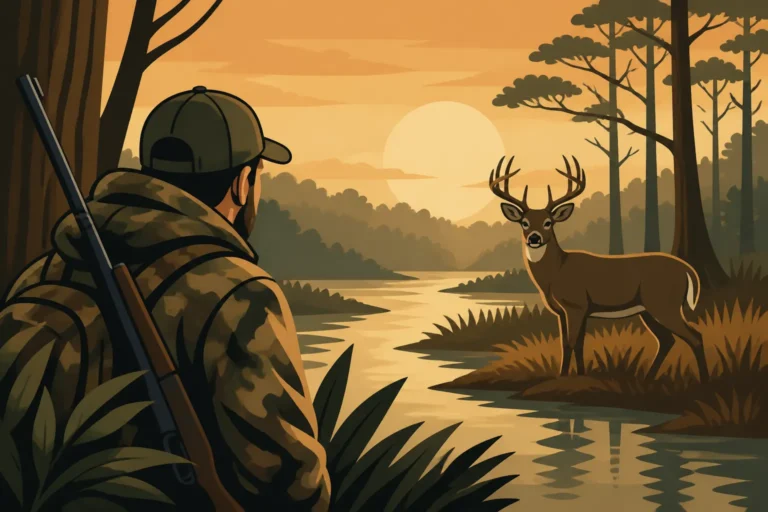
The primary player in George County for public hunting is the Pascagoula River Wildlife Management Area (WMA). This massive WMA stretches across several counties, and a significant portion runs right through George County. The Pascagoula River WMA is a truly special place, preserving one of the largest free-flowing blackwater rivers in the lower 48 states. This means hunters here encounter vast tracts of bottomland hardwoods, cypress swamps, and winding sloughs, offering a totally different experience than the rolling hills or wide-open fields found elsewhere in Mississippi. It's a challenging but incredibly rewarding environment for those willing to put in the effort.
Beyond the Pascagoula, hunters should also be aware of portions of the Red Creek WMA that can touch George County lines or provide nearby alternatives. These areas tend to be more upland pine and mixed pine-hardwood, offering a different set of challenges and opportunities. For deer hunters, this means adapting tactics from swampy bottlenecks to open pine stands. Turkey hunters will find different roosting habits and travel patterns. Both WMAs are managed by the Mississippi Department of Wildlife, Fisheries, and Parks (MDWFP) and follow specific regulations designed to promote healthy game populations and provide recreational access. Before you head out, always make sure you've obtained all necessary permits and checked the specific WMA regulations, as they can sometimes differ from general statewide rules. For a broader look at available hunting grounds, check out Public Hunting Land in Mississippi.
Navigating Regulations and Access on George County Public Lands
Hunting on public land, especially in a diverse landscape like George County, means playing by the rules. The MDWFP does an excellent job of managing these areas, but it's on us, the hunters, to be informed. First and foremost, you'll need the appropriate Mississippi Hunting Licenses and What They Cost, along with any specific WMA permits required for the Pascagoula River WMA or other managed areas. These permits are crucial and often dictate specific season dates, bag limits, and even the types of weapons allowed in certain zones. Ignoring these can quickly turn a great day afield into a legal headache.
When it comes to actually finding your way around, a reliable mapping tool is non-negotiable. Traditional paper maps are good, but a modern GPS mapping app like onX Hunt becomes invaluable. It can show you WMA boundaries, property lines, access roads, and even topographic features like elevation changes and water sources. This is particularly important on the Pascagoula River WMA, where vast tracts of similar-looking timber and swamp can disorient even experienced woodsmen. Being able to confirm you're on public land and not accidentally crossing onto private property is a huge stress reliever. You can learn more about how to use these tools by reading Using the MDWFP Map Tool.
Access points for these WMAs are often well-marked, but sometimes you have to earn your way in. This might mean driving down unimproved roads, walking long distances from parking areas, or even using a boat to reach remote sections of the Pascagoula River system. Always be prepared for varying terrain and remember that the deepest parts of the WMA, often the hardest to reach, are usually where you’ll find the least hunting pressure. Understanding rules around vehicles, ATVs, and even camping on these lands is also vital. WMAs often have specific guidelines on where you can park, where you can drive, and whether primitive camping is allowed. This level of detail is critical for planning any multi-day hunt.
Another aspect of public land hunting that often frustrates newcomers is pressure. Everyone has the right to hunt these lands, which means you'll likely encounter other hunters, especially on opening days or during peak rut. This is where strategic scouting and smart entry/exit routes really pay off. Finding those overlooked pockets, the areas others walk past, or those spots that require a little extra effort can significantly increase your chances of success. It's also vital to understand Mississippi Blaze Orange Requirements if you're planning on gun hunting, to ensure your safety and that of others.
Strategic Hunting Approaches for George County's Public Lands
Hunting successfully on public land in George County, whether you're after a mature buck or a wary gobbler, requires a nuanced approach tailored to the unique habitat. This isn't one-size-fits-all hunting; it's about observing the landscape, understanding game behavior within it, and adapting your tactics.
Deer Hunting in the Bottomlands and Pine Flats
For deer, the Pascagoula River WMA’s bottomland hardwoods offer incredible potential, but also significant challenges. During wet periods, water levels can rise dramatically, pushing deer to higher ground or concentrating them on small ridges and islands within the swamp. Look for subtle elevation changes, natural funnels created by sloughs or creeks, and areas with diverse mast crops like oaks. Deer will travel these drier corridors, especially during the rut. Hunting Delta Unit Bottomland Deer offers some transferable insights into this type of terrain, even though George County is not in the Delta Unit. Scouting here means looking for rub lines and scrape lines along these travel corridors. Setting up a Treestand Setups in Delta National Forest might be different from a typical pine stand, requiring careful consideration of water levels and tree selection.
In the more upland pine and mixed timber sections, often found on slightly higher ground within the WMAs, deer behavior shifts. They might not be as concentrated by water but will still use thick cover, natural draws, and edges between different timber types. Clear-cuts and pine plantations, even those in their early stages of growth, can be deer magnets if they offer good browse and thick bedding cover. Focus on finding edges where these young pines meet mature hardwoods or creek bottoms. These transition zones are often high-traffic areas. Consider using a ground blind in these areas, especially if you plan to Using a Ground Blind on Mississippi Public Land on a food source or travel route.
Turkey Hunting the George County Timber
Spring turkey hunting in George County can be fantastic, but it requires patience and adaptability. The diverse timber of the Pascagoula River WMA means gobblers might roost in tall cypress trees near water, or in the mature hardwoods. In the more upland areas, they'll favor taller pines or mature oaks. Listening at dawn for gobbling activity is your first step. Once you locate a bird, the real challenge begins: getting close enough for a setup without spooking him in the relatively open understory of pine plantations or the dense canopy of hardwoods.
Run-and-gun tactics can work here, especially on public land where birds might be pressured. Don't be afraid to move, listen, and set up quickly. Call sparingly but realistically. Remember that turkeys on public land have heard it all. For the specific rules, consult Mississippi Spring Turkey Season Rules. If you find yourself in an area of longleaf pine savanna or managed pine forests, turkeys tend to travel more openly and use the scattered pines for cover. Try to anticipate their movement patterns between roosting areas, feeding grounds (often areas with insects and soft mast), and strutting zones. Learn to Roost Hunting Mississippi Gobblers for a significant advantage.
Managing Feral Hogs and Small Game
Feral hogs are a year-round presence in George County, particularly in the bottomlands of the Pascagoula River WMA, where they thrive in the dense cover and abundant food sources. They can be hunted year-round on private land, but public land rules vary. Hogs are destructive and provide an excellent opportunity to extend your time afield. Still-hunting along creek bottoms or known hog trails can be effective, especially early in the morning or late in the evening. Look for fresh rooting, wallows, and rubs on trees. Setting up on areas with consistent hog activity can yield results. Check Mississippi Feral Hog Regulations for specifics on public land hunting.
For small game like squirrels and rabbits, George County offers traditional southern hunting. Squirrels will be found wherever there are mature hardwoods producing acorns or hickory nuts. The Pascagoula River WMA is prime squirrel habitat, with its vast stretches of bottomland timber. Early mornings are best, listening for cutting activity as they feed. Rabbit hunting often involves working thick brush, fencerows (if on bordering private land with permission), and dense cover around old fields. Running a good beagle pack can be incredibly effective for rabbits here. You'll find more details on seasons in Mississippi Small Game Season Rules.
Essential Gear and Safety for George County Hunts
Heading into George County's diverse public lands requires more than just your firearm or bow; it demands thoughtful preparation and the right gear to ensure both success and safety. The environment can be challenging, from swampy bottomlands to dense pine thickets, and being prepared makes all the difference.
Smart Packing: What to Bring
First, let’s talk about mapping. While I mentioned onX Hunt earlier, it bears repeating: a robust mapping app is your best friend. Download offline maps before you leave home, as cell service can be spotty in remote parts of the WMA. Beyond navigation, think about the elements. Waterproof boots are an absolute must, especially if you're venturing into the Pascagoula River WMA, where you might encounter standing water even during dry spells. Long sleeves and pants are critical for protection against briars, ticks, and mosquitoes. A ThermaCELL is practically essential during warmer weather or for evening hunts.
For deer and turkey hunting, a comfortable, lightweight treestand or a ground blind that can be easily set up and brushed in might be beneficial. Remember to check Treestand Rules on Mississippi Public Land and Ground Blind Rules on Mississippi WMAs for specific WMA regulations on placement and removal. A good headlamp with a red light option is invaluable for early morning entries and late-night exits. Always pack enough water, high-energy snacks, a first-aid kit, and a way to communicate in an emergency, even if it's just a fully charged phone (and a portable charger!).
| Gear Category | Recommended Items | Why It's Essential in George County |
|---|---|---|
| Navigation | GPS mapping app (e.g., onX Hunt) with offline maps, compass, paper map (backup) | Crucial for WMA boundaries, property lines, and finding your way in dense, often featureless terrain with poor cell service. |
| Footwear | Waterproof, knee-high boots (rubber or Gore-Tex) | Protects against standing water, mud, snakes, and briars, common in bottomlands and thickets. |
| Insect Protection | ThermaCELL, insect repellent (DEET-based), head net | Mosquitoes, gnats, and ticks are prolific, especially in humid and swampy areas. |
| Clothing | Layered, moisture-wicking clothes; durable outer layer for briars; blaze orange (for gun season) | Adapts to changing weather, protects from brush, and meets safety requirements. |
| Hydration/Food | Water bottles/hydration pack, high-energy snacks, electrolyte supplements | Crucial for long days afield in potentially hot, humid conditions. |
| Safety & First Aid | Comprehensive first-aid kit, whistle, personal locator beacon (PLB) or satellite messenger, fully charged phone, portable charger | Emergency preparedness for injuries, getting lost, or unexpected situations far from help. |
| Tools | Multitool, small saw or pruners, flashlight/headlamp with red light, game processing knife | Useful for minor repairs, clearing shooting lanes, navigating in the dark, and field dressing game. |
Safety in the Mississippi Woods
Safety is paramount, especially when hunting alone or in unfamiliar territory. The bottomlands of George County are home to venomous snakes like cottonmouths (water moccasins) and rattlesnakes. Always watch your step, especially when crossing logs, stepping over roots, or walking near water. Proper footwear provides a layer of protection. Stay hydrated, as Mississippi’s humidity can lead to heat exhaustion even on mild days. If you’re not feeling well, call it a day and head back to the truck.
Let someone know exactly where you’re going and when you expect to return. This "float plan" is a simple but life-saving measure. If you hunt by yourself, consider carrying a satellite messenger for emergencies in areas without cell service. Finally, always adhere to all hunting regulations, especially regarding firearms discharge setbacks from roads and dwellings. Public land means you're sharing the space, so courtesy and safety are always in season. Understand that hunting on public land can sometimes mean encountering other people. Be respectful, yield to established hunters, and always prioritize ethical and safe hunting practices. Knowledge of Mississippi Trespass and Permission Law is also useful to avoid accidental incursions onto private land.
This article is for general informational purposes only and does not constitute professional advice. Laws, prices and regulations vary by location and change over time. Consult a qualified professional for guidance on your specific situation.