What a Mississippi Deer Hunt Package Includes
Many hunters dream of chasing Mississippi whitetails, but the thought of planning a hunt in an unfamiliar state, especially for a nonresident, can feel like a monumental task. From figuring out licenses to scouting unknown land, it’s easy to get overwhelmed. That's where a dedicated deer hunt package can really shine, taking a lot of the logistical burden off your shoulders. This guide will walk you through what you can typically expect when booking a Mississippi deer hunt package, helping you understand the inclusions, variables, and what to look for to ensure a smooth, successful trip.
The Convenience of a Mississippi Deer Hunt Package
When you start looking into hunting opportunities in Mississippi, especially if you're coming from out of state, the sheer amount of planning can be daunting. You've got to consider licenses, where to hunt, how to get there, where to stay, what to eat, and how to deal with a harvested animal. It's enough to make some folks just stick to their local stomping grounds. But for those ready to experience the unique challenges and rewards of White-Tailed Deer Across Mississippi, a deer hunt package offers a streamlined solution.
The Appeal of an All-Inclusive Experience
Imagine showing up to camp, dropping your bags, and having a warm meal waiting. Your guide has already been scouting, knows the recent deer movement, and has a plan for the next morning's hunt. This isn't just a fantasy; it's the reality a good deer hunt package aims to provide. The biggest appeal is undoubtedly the peace of mind. Instead of worrying about every tiny detail, you can focus on the hunt itself, the camaraderie, and soaking in the rich outdoor experience that Mississippi offers. For many, especially those with limited vacation time or who are new to hunting a particular region, this convenience is invaluable. It means more time in the stand or blind and less time stressing about logistics. You can truly disconnect and immerse yourself in the pursuit of a Mississippi whitetail.
Moreover, an all-inclusive package often gives you access to prime hunting grounds that would be difficult or impossible to secure on your own. Outfitters invest heavily in leasing large tracts of private land or have extensive knowledge of Public Hunting Land in Mississippi, ensuring that you're hunting in areas with good deer populations and management practices. This means less time trying to interpret aerial maps or scouting unfamiliar territory, and more time actually hunting.
Distinguishing Packages from Daily Guided Hunts
It’s easy to confuse a full hunt package with just hiring a guide for a day. While both involve professional assistance, they're quite different. A daily guided hunt typically means you meet your guide in the morning, hunt for a set period, and then go your separate ways. You're usually responsible for your own lodging, meals, and any post-harvest game care beyond what the guide might assist with in the field. This can be a good option for local hunters who know the area but want specific expertise, or for those who prefer to arrange their own accommodations.
A "package," on the other hand, bundles multiple services together, often spanning several days. It’s designed to be a complete experience, encompassing everything from your sleeping arrangements to field transportation. Think of it like booking a vacation resort versus just hiring a local fishing charter for an afternoon. Both are great, but one offers a more comprehensive, hands-off approach to the entire trip. Packages are particularly beneficial for nonresidents or hunters traveling from afar, as they consolidate many logistical headaches into one convenient booking. They allow you to show up, hunt, and enjoy the experience without the constant grind of planning.
Typical Inclusions: What to Expect in Your Package
When you invest in a Mississippi deer hunt package, you're not just paying for a guide; you're often getting a bundle of services designed to make your trip comfortable and productive. While specifics vary between outfitters and locations, there are several core elements you can generally count on. Understanding these common inclusions helps you compare options and ensure you're getting value for your money.
Lodging and Meals: More Than Just a Bed
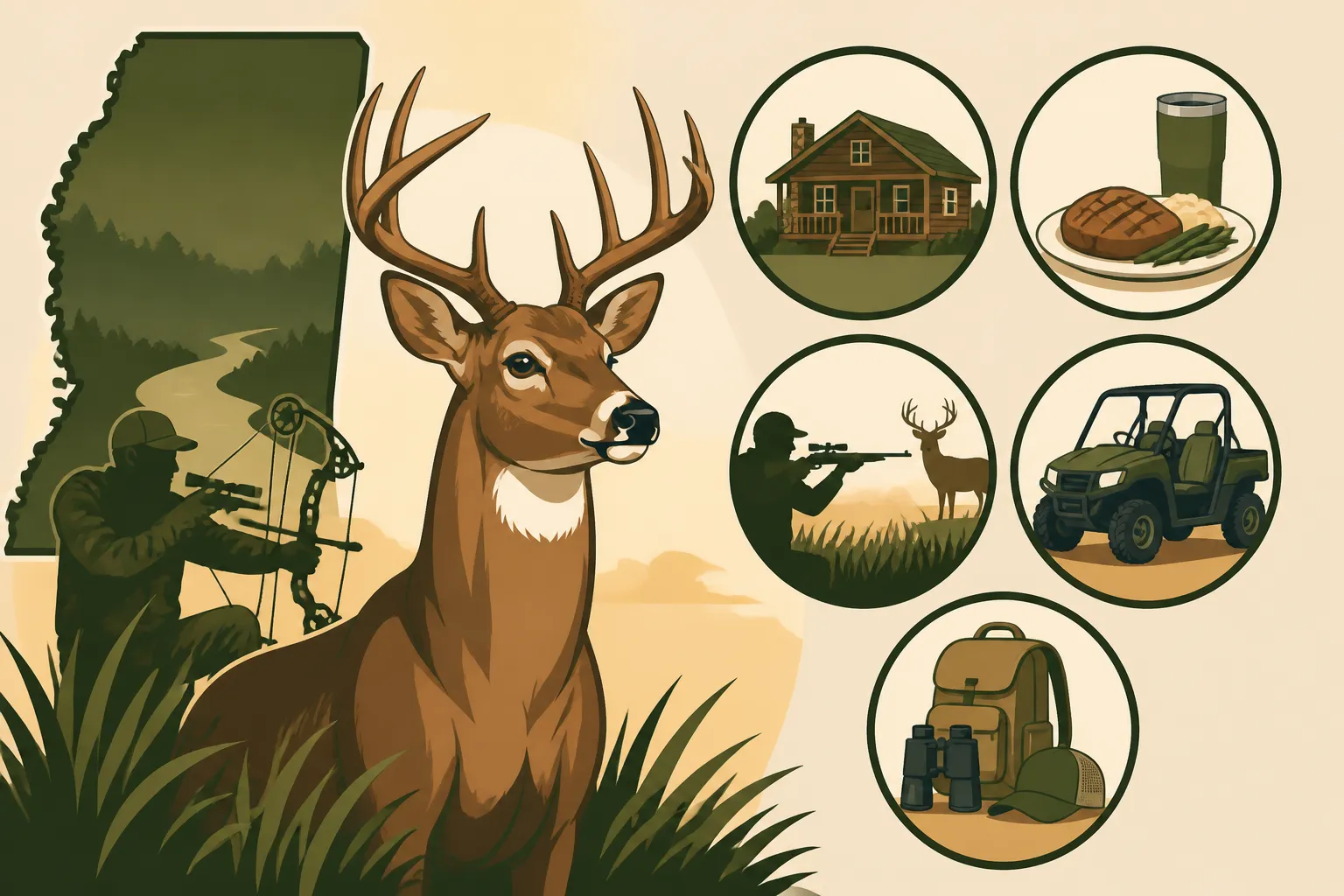
One of the most appreciated aspects of a hunt package is the provision of lodging and meals. This isn't always five-star luxury, mind you, but it’s almost always comfortable and convenient. You might find yourself in a rustic, yet cozy, deer camp lodge nestled deep in the Delta National Forest Hunting, complete with shared bunk rooms and a communal kitchen where hunters gather to share stories. Or perhaps it's a private cabin on the outfitter's property in the Piney Woods Region, offering a bit more solitude and privacy. The goal is a comfortable, clean place to rest after a long day in the woods, free from the distractions of everyday life.
As for food, expect hearty, home-cooked meals that fuel you for early mornings and late nights. Think big breakfasts with biscuits and gravy, packed lunches for the stand that you can grab on your way out the door, and delicious dinners that might include Mississippi specialties or even some wild game. The sheer convenience of not having to worry about cooking, cleaning, or where your next meal is coming from allows you to truly relax and focus on the hunt. It's part of the experience, fostering camaraderie among hunters and guides around the dinner table, discussing the day's events and planning for tomorrow. This culinary experience often becomes a cherished memory of the trip.
Guide Services and Scouting
This is, arguably, the cornerstone of any quality hunt package. Your guide isn't just someone to point you to a stand; they're your expert on the ground. A good guide lives and breathes the local hunting scene. They've spent countless hours before your arrival Scouting Mississippi Public Land Before Season or monitoring private lands, identifying deer patterns, food sources like acorn flats or planted green fields, and critical travel corridors. They know When the Mississippi Rut Peaks by Unit and what tactics work best in different conditions, adapting to changes in weather or deer behavior.
Their services typically include transporting you to and from your hunting location, whether that's a strategically placed treestand overlooking a food plot, a comfortable ground blind near a Scrape Lines Along a Logging Road, or positioning you for a deer drive. They’ll offer advice on stand etiquette, shot placement, and what to expect during your sit, including the best times of day for movement. For many, especially those unfamiliar with Mississippi's unique terrain – from the dense bottomlands of the Delta to the rolling hills and pine plantations of the central part of the state – having a guide is essential. Their intimate knowledge of the area and current deer activity is your biggest asset, significantly increasing your chances of success.
Transportation and Logistics in the Field
Getting around on a multi-day hunt, especially in rural Mississippi, can be tricky. Roads can be rough, and finding your way in the pre-dawn dark through unfamiliar timber is a challenge. A good package will include all necessary in-field transportation. This means your guide picks you up from the lodge or designated meeting spot and drives you to your hunting area, often navigating muddy trails or challenging terrain in a four-wheel-drive vehicle or ATV. This is particularly crucial on large private leases or vast public lands like those found in Homochitto National Forest Hunting or other expansive WMAs.
Beyond simply getting to your stand, this also includes retrieving harvested game. Imagine dropping a big buck deep in a Delta slough, a dense palmetto thicket, or a remote cutover. Without the right equipment or local knowledge, recovering that animal can be a nightmare, potentially leading to lost game. Outfitters usually have ATVs, UTVs, or even small tractors designed to extract game from challenging spots, ensuring that your hard-earned harvest doesn't go to waste due to difficult terrain or lack of muscle power. This logistical support is a huge relief, allowing you to focus on the thrill of the hunt rather than the strenuous recovery.
Game Recovery and Initial Processing
The work isn't over when the shot rings out. Recovering your deer is a critical step, and a good package will include assistance with this. Guides are experienced in Blood Trailing After Dark in Mississippi and know the local landscape, understanding how deer react to shots and where they are likely to travel. They are equipped with lights, tracking dogs (where legal and necessary), and the patience required to find a well-hit animal. Once the animal is recovered, they'll typically help with the initial field dressing. This might mean quartering the animal if it's a particularly long haul out of thick cover, or at least gutting it to cool the meat quickly, especially crucial during warmer early season hunts or if the weather turns unseasonably warm.
From there, the package usually covers transport of the animal back to camp or to a local cooler. Some outfitters have their own walk-in coolers, which is a significant advantage for proper game care, while others will take it to a trusted local processor. While the actual butchering and packaging for transport home might be an additional cost, the initial handling and cooling of the game are almost always part of the package deal, ensuring your venison is properly cared for from the moment it's harvested. This can be a huge convenience, especially for non-residents who might not know where the closest reputable meat processor is located.
Understanding the Variables: What Makes Packages Different
Not all Mississippi deer hunt packages are created equal. Just like no two deer are exactly alike, no two hunting experiences will be identical. Several key factors can significantly influence what's included, the style of hunting, and, ultimately, the price of a package. Being aware of these variables will help you choose an experience that aligns with your expectations and budget, ensuring you get the most out of your trip.
Delta vs. Hills: Geographical Impact
Mississippi is divided into distinct deer management units, and the two most iconic, the Delta and the Hills, offer vastly different hunting experiences. A package in the Delta, with its vast tracts of fertile Hunting Delta Unit Bottomland Deer and expansive agricultural fields, might focus on hunting from comfortable box blinds overlooking massive soybean or corn fields, or targeting bucks in dense river bottoms that crisscross the landscape. Outfitter leases in this region can span thousands of acres, offering incredible opportunities for larger-bodied deer that thrive on the rich soil and abundant food sources. These hunts often emphasize stand sitting for longer periods, waiting patiently for a mature buck to emerge from thick cover at dawn or dusk.
Contrast that with a Hills Unit package, which might involve more active hunting in mixed pine and hardwood forests, navigating rolling terrain and ridges. Still-Hunting Hills Unit Ridgelines or setting up in hardwood draws could be the primary tactic. Deer here might be slightly smaller-bodied than their Delta cousins, but the hunting itself can be more dynamic and physically demanding, requiring more walking and stalking. Knowing which type of terrain and hunting style you prefer is crucial when comparing packages. For instance, a Delta hunt might cater more to those seeking a classic big-timber, big-bodied deer experience, while the Hills offer a different kind of challenge in a more varied landscape.
Trophy vs. Management Hunts
Another significant differentiator is the objective of the hunt: is it a trophy hunt or a management hunt? Trophy deer hunt packages are typically designed for hunters specifically targeting mature bucks that meet or exceed specific antler criteria, often in areas renowned for producing Mississippi Boone and Crockett Whitetails. These packages usually come with a higher price tag due to the quality of the genetics, the intensity of habitat management, and the extended time and effort required to consistently produce such animals. The outfitter might have strict harvest rules, like a Delta Unit Twelve-Inch Spread Rule Explained or a specific age class, to maintain their trophy potential and ensure the long-term health of the herd. These hunts often involve longer stays and greater patience, waiting for that one special animal.
Management hunts, on the other hand, focus on maintaining a healthy deer herd by harvesting does and younger, smaller-racked bucks. While you might still encounter a respectable buck, the primary goal isn't necessarily a wall-hanger. These packages are often more affordable and can be an excellent option for newer hunters, those looking for venison for the freezer, or hunters who simply enjoy the experience without the intense pressure of a trophy. Some outfitters offer combo packages where you might pursue a trophy buck for a few days and then switch to a management doe hunt or harvest a smaller buck, providing flexibility and maximizing the hunting experience.
Group Size and Private Land Access
The dynamics of your hunting party and the type of land you'll be on also shape a package. Some outfitters specialize in small, intimate group hunts, perhaps accommodating only 2-4 hunters at a time to ensure a more personalized experience and reduce pressure on specific hunting areas. Others might cater to larger groups, hunting clubs, or corporate retreats, with more hunters in camp and potentially more guides. The guide-to-hunter ratio can impact how much individual attention you receive and the flexibility of hunting plans.
Furthermore, most reputable outfitters operate on expansive private lands, either owned or extensively leased, giving them direct control over deer management, food plots, and hunting pressure. This usually means exclusive access to prime hunting ground that is carefully managed for quality deer. However, some guides might offer hunts on specific Mississippi Wildlife Management Areas or other public lands where access is open to all licensed hunters. While still guided, the dynamic is different as public land typically sees more pressure and requires a different approach. Packages that boast extensive private land access often command a higher price due to the exclusivity and managed quality of the hunting, and can offer a more controlled and consistent experience.
Beyond the Basics: Optional Add-Ons and Considerations
While core inclusions like lodging, guiding, and basic game handling are standard, many Mississippi deer hunt packages offer opportunities to enhance your trip with additional services or activities. These can add significant value and convenience, so it's worth understanding what's typically available and budgeting for them if they appeal to you.
Taxidermy and Meat Processing Coordination
After a successful hunt, your next big decision is what to do with the animal. Most outfitters have established relationships with local taxidermists and meat processors. While the cost of these services themselves is almost always extra and paid directly to the vendor, the package might include coordination. This means your guide can transport your trophy to a trusted taxidermist and your venison to a reputable processor, saving you the time and hassle of finding these services yourself in an unfamiliar area, which can be a real headache, especially for non-residents.
For a trophy buck, having the outfitter arrange the initial cape and antler drop-off can be a huge stress reliever, ensuring your prized animal is handled correctly from the start. Similarly, for meat, they can ensure it gets to a facility quickly and that you have options for how it's cut, wrapped, and prepared for your journey home, whether that involves shipping, packing it into coolers, or even arranging for vacuum-sealing. Always clarify these coordination services upfront. You might even find an outfitter who can assist with Shipping Game Meat Home After a Mississippi Hunt.
Additional Hunting Opportunities
Mississippi is rich with diverse hunting opportunities, and some deer packages offer the chance to pursue other game, either concurrently or as an add-on. Feral Hogs Across Mississippi, for example, are present statewide and can often be hunted year-round with liberal regulations. Many deer outfitters will allow you to take hogs opportunistically during your deer hunt at no extra charge, or they might offer dedicated Booking a Guided Mississippi Hog Hunt as a separate activity, sometimes involving night hunting with thermal optics. Imagine getting your deer in the morning and then spending an afternoon tracking hogs – talk about maximizing your time in the field!
Other possibilities include small game like squirrels or rabbits, or even early season mourning doves. While less common to bundle directly with a deer package, some outfitters might offer these as separate, shorter hunts if your schedule allows, especially if you fill your deer tag early. Always ask what other game is available, and if there are additional fees or specific seasons to consider. This can transform a deer-only trip into a multi-species adventure, providing even more memories and opportunities. Hunting Mississippi's Year-Round Feral Hogs can be a great way to add excitement and meat to the freezer without impacting your deer hunt.
Gear Rentals and Equipment Support
For hunters traveling long distances, or those who are new to hunting and haven't amassed a full arsenal of gear, some outfitters provide equipment support or even rentals. This could range from providing high-quality treestands already set up and brushed in, ensuring you have a safe and effective perch, to offering ground blinds for use, especially useful in open fields. While bringing your own firearm is generally expected and encouraged for familiarity and comfort, some operations might have loaner rifles or shotguns available for a fee, which can be useful if airline travel with firearms is a concern or if you encounter an unexpected issue with your own.
Additionally, guides are often well-versed in local weather patterns and terrain challenges. They can advise on appropriate clothing, footwear, and other essential items to pack, helping you stay comfortable and prepared. Some might even provide things like binoculars, rangefinders, or scent control products if you forget something or want to try their preferred brands. Always ask about what gear is provided and what you are expected to bring. This can be especially helpful for understanding What to Pack for a Guided Mississippi Hunt and making sure you're adequately equipped for the unique conditions you might encounter.
Choosing the Right Package and Outfitter
Deciding on a Mississippi deer hunt package is a big investment, both of your time and money. It’s crucial to do your homework to ensure you pick an outfitter and package that aligns with your expectations, hunting style, and ethical standards. Rushing this decision can lead to disappointment, so take your time and ask plenty of questions. Remember, a good hunt is as much about the experience as it is about the harvest.
Vetting Your Outfitter: Questions to Ask
Before you commit to anything, open communication with potential outfitters is key. Don't be shy about asking detailed questions. A reputable outfitter will be transparent and happy to answer all your questions, recognizing that you're making a significant investment. If they seem hesitant, vague, or pushy, consider that a significant red flag. Pay attention to how they communicate; professionalism and responsiveness are good indicators of how your trip will be handled. You should also check for proper Mississippi Outfitter Insurance and Licensing to ensure they operate legally and responsibly.
| Category | Key Questions to Ask |
|---|---|
| Hunt Details | What are the specific dates and duration of the hunt? What is the hunter-to-guide ratio? What are the typical shot distances? What's the outfitter's historical success rate, and how is it calculated (opportunity vs. harvest)? Are there any hidden fees or unexpected costs? |
| Inclusions | What exactly is included (meals, lodging, guides, field transport, initial game care)? What isn't included (licenses, taxidermy, meat processing, tips, personal gear)? |
| Lodging/Meals | What are the sleeping arrangements (private room, bunkhouse)? What kind of meals are served? Can they accommodate dietary restrictions or allergies? |
| Rules & Ethics | What are the outfitter's specific harvest rules (e.g., antler restrictions, doe limits, penalty for shooting small bucks)? What are their policies on wounded game (search efforts, what constitutes a "kill")? What's their firearm safety protocol? |
| References | Can you provide recent references (past 1-2 years) from successful hunters, and those who may not have harvested? (Getting both perspectives is valuable). |
| Emergencies | What is their plan for medical emergencies, vehicle breakdowns, or unforeseen events in the field? What is the nearest medical facility? |
Online Resources for Finding Packages
In today's digital age, finding and researching hunt packages is easier than ever. Websites dedicated to hunting outfitters provide a wealth of information, from detailed descriptions of packages to reviews from past clients. Platforms like BookYourHunt allow you to browse various outfitters in Mississippi, compare their offerings side-by-side, and read testimonials. This can give you a broad overview of what's available and help you narrow down your choices based on location, species, and budget. It's a great starting point for discovering potential operations.
Another excellent resource is GoHunt, which often features detailed articles and insights into different hunting regions, including Mississippi. While not primarily a direct booking platform for all outfitters, it can provide valuable context, research tools, and discussions that help inform your decision-making process. Don't just rely on the outfitter's own website; cross-reference information and seek out independent reviews and testimonials. Forums and social media groups dedicated to Mississippi hunting can also be great places to ask for recommendations or hear firsthand experiences. Using these tools to get Getting References From Past Mississippi Clients can be incredibly helpful and provide unbiased insights into an outfitter's reputation and actual client experiences.
Preparing for Your Guided Mississippi Deer Hunt
Once you've booked your package, the excitement truly begins! But don't let that overshadow the importance of thorough preparation. A guided hunt is still your hunt, and being well-prepared physically, mentally, and logistically will significantly enhance your experience and increase your chances of success. Taking the time to get ready means you can arrive confident and ready to focus on the pursuit of your deer.
Licenses and Permits: Your Responsibility
Even with an all-inclusive package, securing the proper hunting licenses and permits is almost always your responsibility as the hunter. Before you even think about stepping foot in a treestand, you'll need to understand Mississippi Hunting Licenses and What They Cost, especially if you're a nonresident. This usually involves purchasing a base hunting license, a deer permit, and potentially other stamps depending on the species or specific regulations, such as a state waterfowl stamp if you're also planning a duck hunt.
The Mississippi Department of Wildlife, Fisheries, and Parks (MDWFP) website is the definitive source for current regulations and where to purchase licenses, which can often be done conveniently online. Make sure you understand the Mississippi Deer Season Structure Explained for the specific unit you'll be hunting, as dates, legal hunting methods, and bag limits can vary significantly. Don't wait until the last minute to buy your license; sometimes there are online processing delays, or you might have questions that need answering by the MDWFP. Having all your paperwork in order long before your arrival prevents unnecessary stress and ensures you're legally ready to hunt from day one.
Physical and Mental Readiness
While a guided hunt reduces some of the physical demands of DIY hunting, it's not a stroll in the park. Depending on your chosen terrain – whether it's navigating muddy Delta bottomlands, wading through swampy areas, or traversing hilly pine forests – a certain level of physical fitness is beneficial. You might be walking to stands for a quarter-mile or more, helping retrieve game from challenging spots, or simply enduring long hours in a blind in varying weather conditions, from cold mornings to warm afternoons. Being in decent shape means you'll enjoy the experience more, stay more alert, and be better prepared for any challenges that arise.
Mentally, a guided hunt requires patience and an open mind. Trust your guide's expertise; they know the land and the deer better than anyone. Be prepared for early mornings, potentially long and quiet sits in the stand, and the sometimes unpredictable nature of hunting. Hunting, even with a guide, still has no guarantees, so embrace the entire experience – the scouting, the waiting, the wildlife observations, and the camaraderie – not just the kill. Stay positive, listen intently to your guide's advice, and be ready for whatever the Mississippi wilderness throws your way. This also includes practicing extensively with your chosen Mississippi Legal Firearms for Deer Hunting so you're confident and proficient when the moment of truth arrives.
Disclaimer
This article is for general informational purposes only and does not constitute professional advice. Laws, prices and regulations vary by location and change over time. Consult a qualified professional for guidance on your specific situation.