Liability Waivers on a Guided Mississippi Hunt
It's an exciting time when you're gearing up for a guided hunt in Mississippi, whether it's for a trophy buck in the Delta or a thrilling turkey hunt in the Hills. But amidst all the anticipation of scouting reports and gear prep, there's one document that often gets a quick glance and a signature, leaving many hunters feeling a little uneasy: the liability waiver. This guide is here to unravel the mystery of these crucial papers, helping you understand what they mean for your hunt and your peace of mind.
What Exactly Is a Hunting Liability Waiver?
When you book a guided hunt, you're not just signing up for a trip into the woods; you're often entering into a formal agreement with an outfitter or guide service. The liability waiver is a key part of that agreement, designed to protect the outfitter from potential lawsuits. It's a document that many people skim, but understanding its implications is crucial for both parties involved.
The Core Purpose of a Waiver
At its heart, a liability waiver is a legal instrument where you, the participant, acknowledge that certain risks are inherent to the activity you're undertaking—in this case, hunting. By signing, you're essentially agreeing to "assume the risk" of those commonly known dangers and, in doing so, you release the outfitter from legal responsibility should an accident or injury occur due to those acknowledged risks. It's not about absolving them of all responsibility under any circumstance, but rather clarifying the accepted dangers of an outdoor pursuit.
Think of it this way: hunting involves firearms, sharp objects, climbing into tree stands, navigating rough terrain, and encountering wild animals. These aren't activities you do without some level of inherent risk. A waiver simply puts that understanding down on paper, ensuring everyone is on the same page about the potential hazards of chasing whitetails in the White-Tailed Deer Across Mississippi or calling gobblers.
Distinguishing Waivers from Insurance
It's a common misconception that a liability waiver somehow acts as insurance for the hunter, or that it means the outfitter has insurance that covers your injuries. This couldn't be further from the truth. A waiver is specifically a tool for the outfitter to protect themselves and their business. It aims to prevent you from suing them for certain types of incidents.
Your personal medical insurance, accident insurance, or a specific travel insurance policy (often recommended if you're traveling a long distance or have a significant investment in your hunt) would be what covers your actual medical expenses or other personal losses if something goes wrong. An outfitter's insurance, while vital for their business protection, isn't typically designed to cover your personal injuries if you've signed a waiver assuming the risks. Always ensure you have your own coverage in place before heading out.
Why Mississippi Outfitters Require Waivers
Operating a hunting guide service in a state like Mississippi, with its diverse terrain and variety of game, comes with a host of responsibilities and potential challenges. From the dense bottomlands of the Delta to the rolling hills of the central part of the state, outfitters face unique conditions, and waivers are an integral part of managing their operations responsibly.
Protecting Against Inherent Hunting Risks
Mississippi hunting, whether it's deer, turkey, or hogs, presents its own set of dangers. You might be in a tree stand before dawn, Hanging a Stand on a Delta Bottomland Funnel, or navigating a swampy area during a duck hunt. Common risks include falls from elevated stands, accidental discharge of a firearm, slips and trips on uneven ground, encounters with venomous snakes or other wildlife, adverse weather conditions, or even issues with vehicles used for transport.
Outfitters use waivers to ensure hunters acknowledge these inherent risks. If a hunter falls from a tree stand that was properly installed and maintained, and they had been given proper safety instructions, the waiver helps protect the outfitter from a lawsuit. It doesn't mean they can be careless, but it establishes that the hunter understood the baseline dangers of the activity they were participating in. This upfront communication about risk is a cornerstone of responsible guiding.
Legal Landscape and Business Protection
In today's litigious society, any business that involves inherent risks needs robust legal protection, and hunting outfitters are no exception. A serious accident on a guided hunt, even if it's purely accidental and not due to negligence, could result in substantial legal fees and damages for an outfitter, potentially destroying their business. Waivers serve as a critical line of defense.
They demonstrate that the outfitter has taken steps to inform participants of the dangers and secure an acknowledgment of risk. This legal framework is standard practice across many outdoor adventure industries. For outfitters, it’s not about being untrustworthy; it's about being pragmatic and protecting their livelihood and the viability of their service for future hunters. When searching for a reputable outfitter on platforms like BookYourHunt or GoHunt, always expect a waiver to be part of the booking process.
Setting Expectations for the Hunter
Beyond legal protection, waivers also serve an important communicative purpose. They lay out the ground rules and remind hunters of the serious nature of the activity. By outlining potential dangers, outfitters encourage hunters to act responsibly, follow safety instructions, and be aware of their surroundings.
This is especially true in a state with diverse hunting environments like Mississippi. From Hunting a Funnel Between Two Sloughs where footing can be tricky, to tracking game in thick cover, hunters need to be alert. The waiver, in its way, reinforces the importance of hunter safety and adherence to the guide’s instructions, which are often based on years of experience and knowledge of the local terrain.
Key Elements to Look for in a Mississippi Hunting Waiver
When an outfitter hands you that waiver, resist the urge to just sign on the dotted line. Take a few minutes to actually read it. It might seem like legal jargon, but there are specific points that you, as a hunter, should pay close attention to.
Clearly Stated Risks
A well-drafted waiver will list the specific risks associated with the hunting activities you'll be participating in. This isn't just a generic statement; it should detail the kinds of dangers common to Mississippi hunting. Are you hunting from a tree stand? Expect mention of falls. Are you in a boat for Hunting the Mississippi River Backwaters? Expect aquatic risks. Are you handling firearms? Expect statements about accidental discharge.
For instance, a waiver for a Delta deer hunt might specifically mention risks associated with Treestand Setups in Delta National Forest, navigating flooded timber, or encountering other hunters. If the waiver is overly vague or doesn't seem to cover the actual activities you'll be doing, it might be worth asking for clarification. The clearer the risks are outlined, the better informed you are about what you're agreeing to.
Release of Liability and Indemnification
This is often the core of the waiver. The "release of liability" clause is where you agree to give up your right to sue the outfitter for injuries or damages arising from the acknowledged risks. You're effectively saying, "I understand these risks, and if something happens as a result of them, I won't hold you responsible."
"Indemnification" is a slightly different, but equally important, concept. This clause means you agree to protect the outfitter from claims made by third parties that might arise from your actions. For example, if you accidentally cause damage or injury to another person or property, and that person sues the outfitter, an indemnification clause might obligate you to cover the outfitter's legal costs. It's a significant commitment and highlights the importance of always acting safely and responsibly in the field.
Your Responsibilities as a Signatory
Many waivers go beyond just outlining the outfitter's protection; they also spell out your responsibilities as a hunter. This could include agreeing to follow all safety rules and instructions given by the guide, abiding by state hunting laws and regulations (like Mississippi Legal Firearms for Deer Hunting), being honest about your physical condition, or disclosing any relevant medical issues.
These clauses are crucial because they establish that a two-way street of responsibility exists. If you fail to uphold your end of these responsibilities—for instance, by ignoring a guide's explicit safety instruction—it could impact the waiver's enforceability and your potential liability. It also ties into basic hunter education principles, emphasizing that safety is paramount, whether you're guided or Self-Guided Versus Outfitted Mississippi Hunts.
Acknowledgment of Understanding
Almost every waiver will contain a statement where you affirm that you have read, understood, and voluntarily signed the document. This might seem like boilerplate, but it's legally significant. It's designed to prevent a hunter from later claiming they didn't know what they were signing.
This clause reinforces the need to actually read the document and ask any questions you have before signing. Once you've acknowledged understanding, it's very difficult to argue otherwise in court. Take your time, especially if you're feeling rushed or overwhelmed by the excitement of the hunt.
What a Waiver Might NOT Cover (and Why It Matters)
While waivers are powerful legal tools for outfitters, they aren't an impenetrable shield against all possible claims. There are definite limitations to what a liability waiver can legally protect an outfitter from, and knowing these boundaries is as important as understanding what they do cover.
Gross Negligence or Intentional Misconduct
Perhaps the most important limitation is that waivers typically do not protect an outfitter from claims of gross negligence, recklessness, or intentional misconduct. Simple negligence, where an honest mistake or oversight leads to an accident, might be covered by a waiver. But if an outfitter or their guide acts with a blatant disregard for safety, or intentionally causes harm, a waiver is unlikely to hold up in court.
For example, if a guide knowingly puts a hunter in a tree stand that is clearly rotten and unsafe, despite warnings, and the stand collapses, that could be considered gross negligence. Similarly, if a guide intentionally places a hunter in an unsafe situation, such as having them stand in the line of fire during a deer drive, a waiver would not shield them. The law generally doesn't allow someone to contract away responsibility for such egregious behavior.
Unforeseen or Unrelated Circumstances
Waivers are designed to cover the inherent risks of the activity. If an injury or incident occurs due to something completely outside the scope of hunting or the specific risks outlined in the waiver, its enforceability might be challenged. For instance, if a faulty piece of equipment unrelated to hunting (like a broken step on the lodge porch) causes injury, the hunting waiver might not apply.
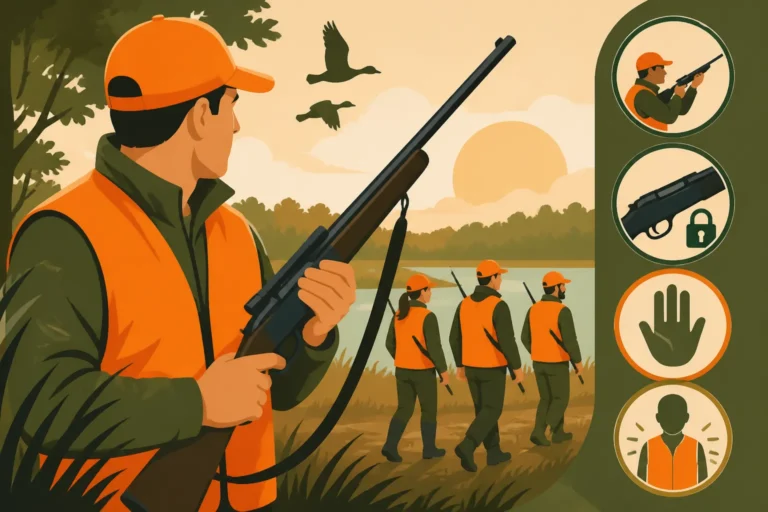
It's also important to remember that a waiver doesn't give anyone permission to break the law. If an outfitter encourages or allows activities that violate Mississippi Wildlife Violation Penalties or general safety laws (like failing to adhere to Mississippi Blaze Orange Requirements), a waiver wouldn't protect them from the legal consequences of those violations. Hunters should always abide by state laws, regardless of what a waiver might imply.
Local Regulations and Hunter Rights
While a waiver outlines an agreement between you and the outfitter, it doesn't supersede state or federal laws. For example, if Mississippi law mandates certain safety equipment or protocols, an outfitter cannot waive their responsibility to provide or enforce those through a simple agreement. Your rights as a hunter under Mississippi law are not negotiable via a liability waiver.
It's always a good idea to be familiar with the basic hunting regulations in Mississippi before your trip, even when using an experienced outfitter. This ensures you're informed and can spot any potential issues. While a waiver is a private contract, it operates within the larger legal framework of the state.
Your Rights and Responsibilities When Signing
You're paying good money for a guided experience, perhaps even booking a multi-day package like a What a Guided Mississippi Deer Hunt Costs or a Booking a Delta Duck Lodge experience. You have rights, even when signing a document designed to protect the other party. Approaching the waiver thoughtfully is part of being a responsible hunter and consumer.
Read it Thoroughly – Don't Rush
This is the most critical piece of advice. Do not sign a waiver without reading it. I know, I know, it's boring, full of legal jargon, and you're eager to get out in the field. But this document has significant implications. Ask for a copy in advance if possible, so you can review it in a relaxed environment, perhaps even consulting with legal counsel if you have significant concerns or are planning a high-stakes trip.
If you're at the lodge and presented with it, politely ask for a few minutes to read through it. Take your time. Understand what you're agreeing to. Just like you wouldn't blindly trust someone with your firearms, don't blindly trust a legal document without understanding its contents.
Ask Questions if You Have Them
If anything in the waiver is unclear, ask the outfitter or guide for clarification. A reputable outfitter will be happy to explain the document's purpose and contents. If they rush you, get defensive, or refuse to answer your questions, that's a significant red flag. This transparency is key to Vetting a Mississippi Outfitter Before You Book.
Don't be afraid to speak up. It's your safety and your potential legal rights at stake. A simple question now could save a lot of headaches later. For example, if you have a specific medical condition, you might ask how the waiver addresses it, or what protocols are in place for emergencies.
Consider Your Own Insurance
Given that a waiver shifts some risk onto you, it’s always wise to consider your personal insurance coverage. Check if your health insurance covers outdoor recreational accidents, especially if you're traveling out of state. Some hunters even opt for short-term accident insurance policies that specifically cover hunting-related incidents.
This personal insurance acts as your safety net, ensuring that if an accident does occur (even if the outfitter is protected by the waiver), you're not left with massive medical bills or other financial burdens. It’s an extra layer of protection, especially when participating in activities with inherent risks like those detailed in Mississippi Deer Camp Traditions.
Here's a simple comparison of what waivers typically cover versus what remains your personal responsibility:
| Aspect | What Waivers Typically Cover | What Remains Your Responsibility / Consideration |
|---|---|---|
| Outfitter Liability | Protects outfitter from claims due to inherent risks of hunting (e.g., falls from properly maintained stands, general terrain hazards). | Does not protect outfitter from gross negligence, recklessness, or intentional harm. |
| Hunter Injury/Loss | Hunter assumes risks for injuries/losses resulting from inherent activities. | Hunter's personal medical insurance, accident insurance, or travel insurance covers actual medical costs. |
| Safety Protocol | Acknowledgment of outfitter's safety rules and instructions. | Hunter must adhere to all safety rules, laws (e.g., Mississippi Blaze Orange Requirements), and guide instructions. |
| Legal Costs | May require hunter to indemnify outfitter for third-party claims arising from hunter's actions. | Hunter is responsible for their own legal costs if they pursue a claim that fails or if they are found liable. |
| Understanding | Hunter affirms they have read and understood the document. | Hunter must actually read, understand, and ask questions before signing. |
Disclaimer
This article is for general informational purposes only and does not constitute professional advice. Laws, prices and regulations vary by location and change over time. Consult a qualified professional for guidance on your specific situation.