Mississippi Snipe Season Dates
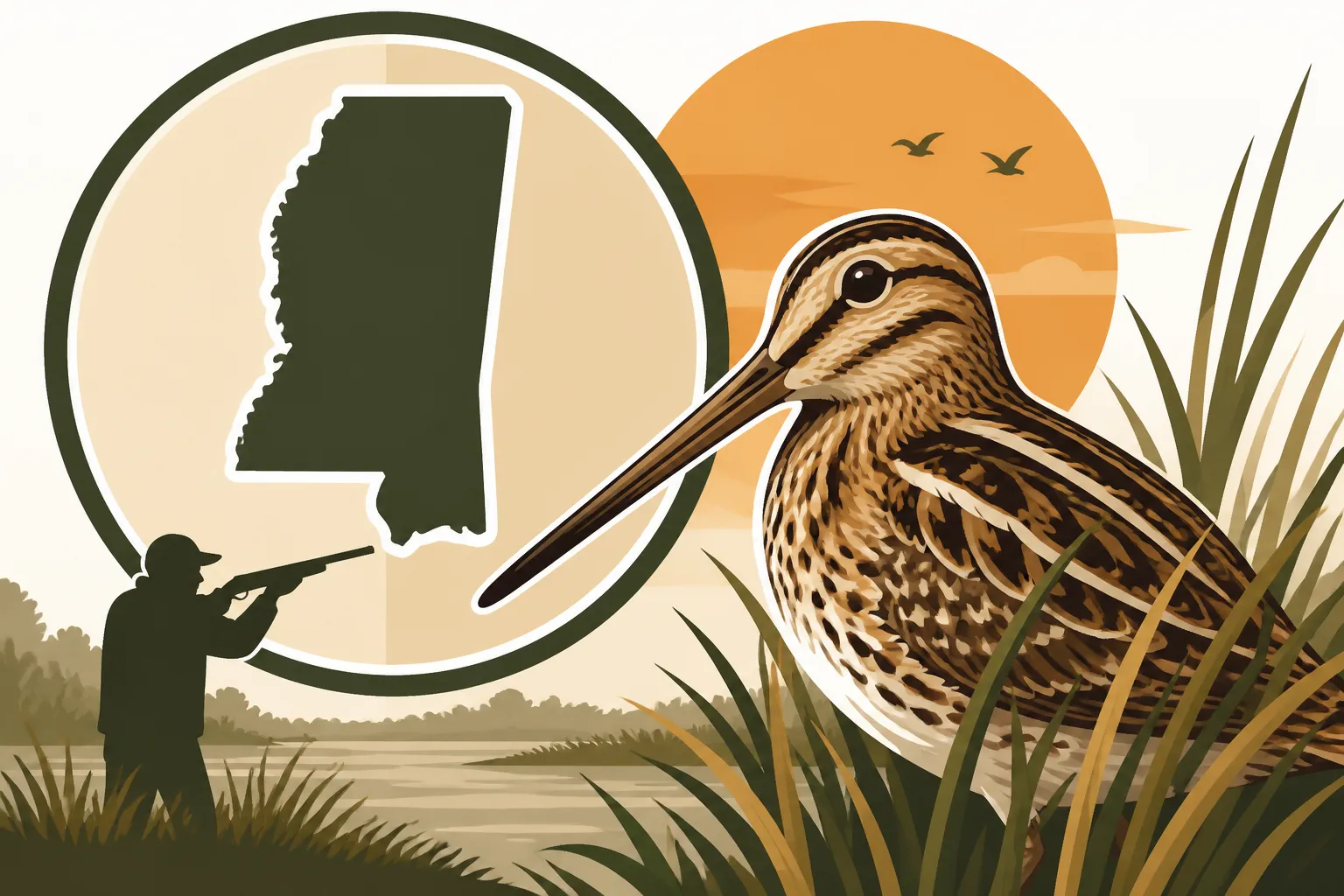
There's a unique thrill to hunting small, fast-flying migratory birds, but figuring out the exact season dates and regulations for a specific species like snipe can feel like trying to hit one of those erratic flyers yourself. It's not always as straightforward as deer or turkey season, and nobody wants to head out only to find they're a week early or missing a crucial stamp. This comprehensive guide is here to clear up all that confusion, giving you the definitive scoop on Mississippi's snipe season dates and all the other vital information you need to successfully pursue these challenging little birds.
Understanding Mississippi's Snipe Season
If you've never hunted snipe, you're missing out on some incredibly fun, fast-paced shooting action. These little shorebirds are part of Mississippi's rich migratory bird heritage, offering a fantastic opportunity for wingshooting when other seasons might be closed or less active. But unlike some of our more common game, snipe aren't on everyone's radar, which means their season details can sometimes get overlooked.
The Official Dates and Zones
The good news for snipe hunters in Mississippi is that the season is typically quite generous and generally statewide. You don't usually have to worry about different zones or complex opening and closing dates varying by region, which simplifies your planning considerably. However, like all migratory bird seasons, these dates are set annually in coordination with federal guidelines, so it's always smart to double-check the most current Mississippi Department of Wildlife, Fisheries, and Parks (MDWFP) regulations before you head afield.
For the most recent hunting seasons, Mississippi's snipe season generally opens around November 1st and runs through to February 15th of the following year. This long window gives hunters plenty of opportunities to get out there, often overlapping with deer season and well into the winter months when the weather can be crisp and inviting. This consistent schedule makes it easier to plan your outings year after year, though a quick visit to the MDWFP website or a glance at their annual hunting guide will confirm any minor adjustments. You'll also want to be mindful of the specific Mississippi Waterfowl Zones and Seasons for other migratory birds, as snipe fall under this broader category, even if they aren't ducks or geese.
Why Snipe Present a Unique Challenge
Hunting snipe isn't about sitting in a blind waiting for them to come to you; it's an active, engaging pursuit that demands quick reflexes and a keen eye. These birds are legendary for their extremely erratic and rapid flight patterns. One minute they're flush from the damp ground, the next they're zigzagging through the air like a tiny, feathered fighter jet. This unpredictable aerial acrobatics is precisely what makes them such a captivating and challenging target for wingshooters.
Many hunters, myself included, have emptied their shotguns at a single snipe, only to watch it fly off unscathed, seemingly taunting you with its agility. It's a frustrating, yet incredibly rewarding, experience when you finally connect. Their small size means you're shooting at a target roughly the size of a dove, but with far less predictable flight. This isn't a game of volume shooting; it's a test of skill, patience, and the ability to react in a split second. The mental game is almost as important as the physical shot, as you learn to anticipate their bursts and twists, trying to get ahead of their next move.
Finding Your Feathered Quarry: Ideal Snipe Habitat
Knowing the season dates is just the first step. The real trick to snipe hunting lies in understanding where these elusive birds prefer to hang out. Unlike deer that might favor a specific stand of timber or ducks that are drawn to flooded fields, snipe have very particular habitat requirements that, once understood, can lead you to some incredible opportunities.
Prime Snipe Locales Across Mississippi
Snipe are true lovers of the damp and mucky. You're not going to find them in dry pine forests or on high ridges. Instead, think wet, think shallow, think muddy. Their ideal habitat consists of open, muddy fields, shallow freshwater marshes, wet pastures, saturated agricultural lands, and the edges of ponds or slow-moving streams. Anywhere there's soft ground where they can probe for worms and invertebrates with their long beaks is fair game.
In Mississippi, this means paying close attention to areas within the Delta region, where vast expanses of agricultural fields can hold standing water after rains or during crop rotation. The Piney Woods region, while generally drier, still offers low-lying pastures and creek bottoms that can become prime snipe habitat. Even closer to the Gulf Coast, shallow freshwater marshes and flooded ditches can attract good numbers of these birds. Look for areas where the water is just barely covering the ground or where the soil is heavily saturated. I've often found them in the same sloughs and wet spots you might find yourself Hunting the Mississippi River Backwaters for ducks, though snipe prefer shallower edges. These birds are migratory, so they're passing through or wintering here, always seeking out the best feeding grounds.
Scouting for Success Beyond the Dates
You can have the season dates memorized backward and forward, but without knowing where to go, you're just wandering around with a shotgun. Effective scouting for snipe doesn't require high-tech cameras or elaborate setups. It's about putting boots on the ground (or at least eyes on aerial maps) and looking for those tell-tale wet spots. Pay attention to recent rainfall; a good soaking can transform a dry field into a snipe magnet overnight.
When I'm scouting, I look for fields that have been recently harvested, particularly rice or soybean fields, or even cut hayfields, that are holding water. Drainage ditches and the margins of shallow ponds are also prime areas. Many hunters utilize modern mapping tools, like those offered by GoHunt, to identify promising areas with marshy ground or flood-prone fields. A quick check on GoHunt's public land layers can save you a lot of guesswork, pointing you towards potential hotspots on Wildlife Management Areas (WMAs) or other public access lands. Remember, a good starting point is always to examine satellite imagery for low-lying, wet areas. Once you're on the ground, look for their distinctive "borings"—small holes in the mud where they've probed for food. This fresh sign tells you they're actively feeding there.
Gear Up and Get Ready: Essential Snipe Hunting Tactics
Unlike some hunts that demand heavy camouflage and elaborate blinds, snipe hunting is a much more minimalist affair. Your gear list will be shorter, but the physical exertion and mental focus required will be high. This is true wingshooting at its finest, where your skill with a shotgun is truly put to the test.
Shotgun and Ammunition Selection
When it comes to shotguns for snipe, speed and lightness are your friends. These birds are small and incredibly fast, so a gun that swings quickly and comes to the shoulder instinctively is paramount. Many hunters prefer lighter gauges like a 20-gauge or even a 28-gauge, which offer less recoil for prolonged shooting and are easier to carry over muddy terrain. However, a 12-gauge can certainly do the job, especially if it's a lighter model or you're accustomed to it. The key is comfort and quick maneuverability.
For ammunition, smaller shot sizes are the way to go. Given the snipe's delicate nature and small size, 7.5 or 8 shot is typically perfect. You're looking for a dense pattern, not heavy pellets. A lighter load also helps reduce recoil, allowing you to stay on target for follow-up shots if needed. For chokes, an Improved Cylinder or Modified choke usually provides the best balance of pattern spread and density for the close-to-medium ranges you'll encounter. You don't need the heavy loads you'd use for geese or the larger shot sizes for ducks; think more along the lines of what you might use for Dove Hunting Mississippi Opening Weekend.
Walking the Fields: Effective Flushing Strategies
Snipe hunting is often called a "walk-up" hunt, and for good reason. Your primary tactic will be to slowly and methodically walk through promising habitat to flush birds. There are no decoys, and calling isn't a common or particularly effective strategy for snipe. It's all about covering ground and being ready when a bird bursts into the air.
Walk slowly, often in a zigzag pattern, to maximize your coverage of the area. If you're hunting with a partner, walking abreast about 20-30 yards apart can help cover more ground and potentially push birds towards each other. It's often beneficial to work into the wind if possible, as flushed birds tend to fly into the wind, giving you a slightly more predictable flight path and potentially slowing them down a fraction. Be prepared for birds to flush from directly underfoot, as they hold incredibly tight cover. The sudden, explosive flush is part of the challenge and excitement! If you are hunting on public lands, make sure to check the specific rules for Mississippi Wildlife Management Areas, as some areas may have unique regulations regarding access or methods.
The Thrill of the Shot and Retrieval
When a snipe flushes, it's a rush. The characteristic "scape" sound as it springs into the air, followed by its dizzying, corkscrew flight, demands immediate attention. Mount your shotgun quickly, lead the bird, and follow through. It's a testament to good wingshooting fundamentals. Don't be discouraged if you miss; even seasoned snipe hunters often have low success rates per shot. The sheer volume of shooting opportunities, however, makes up for it.
Retrieving a downed snipe can sometimes be as challenging as shooting it. Given their preferred muddy habitats, finding a small, camouflaged bird in thick grass or soupy mud can be a task. Wearing waterproof boots or waders is essential, not just for comfort while walking, but for retrieving. A good hunting dog can be an invaluable asset for snipe, as their noses can pinpoint birds that would be impossible for a human eye to spot in the muck. Without a dog, mark the fall carefully, walk directly to the spot, and conduct a thorough, systematic search.
Navigating the Regulations: Licenses, Limits, and Safety
Just like any other hunting pursuit in Mississippi, snipe hunting comes with a set of rules and regulations designed to ensure safety and sustainable populations. Knowing these before you ever step foot in the field is crucial. Ignorance of the law is never an excuse, and a simple oversight could lead to fines or loss of hunting privileges.
Essential Licensing and Permits
Before you can legally pursue snipe in Mississippi, you'll need the proper licenses and permits. This typically includes a valid Mississippi Hunting License. For residents, this might be a Mississippi Resident Sportsman's License Cost or an All-Game License. Non-residents will need a Non-Resident All-Game or a specific 7-day non-resident migratory bird license.
Beyond the general hunting license, migratory bird hunters, including those pursuing snipe, have additional requirements:
- Mississippi Migratory Bird Stamp: This is a state-specific stamp, typically purchased annually, which contributes to migratory bird conservation efforts within Mississippi. Knowing the Mississippi Migratory Bird Stamp Cost is important for your budget.
- Federal Duck Stamp: While colloquially known as a "duck stamp," this federal stamp is required for hunting any migratory waterfowl, and often, by extension, other migratory game birds like snipe, depending on the specific wording of the federal regulations and what else you might be pursuing. It's best practice to have one if you're migratory bird hunting.
- Harvest Information Program (HIP) Certification: You must register with the federal Harvest Information Program (HIP) annually. This is a quick, free registration that helps wildlife agencies gather data on migratory bird harvests. It's a non-negotiable requirement for hunting any migratory game birds, so be sure to get your Mississippi HIP Certification for Bird Hunters.
Always carry proof of these licenses and stamps with you while hunting, whether physically or digitally on an approved MDWFP app.
Daily Bag and Possession Limits
The MDWFP sets strict limits on how many snipe you can harvest per day and how many you can have in your possession. These limits are in place to ensure that snipe populations remain healthy and that there are plenty of birds for future generations of hunters.
For Mississippi, the daily bag limit for snipe is typically 8 birds. This means you cannot harvest more than eight snipe in a single calendar day. The possession limit is usually three times the daily bag limit, or 24 birds. The possession limit applies to any snipe you have at home, in your vehicle, or otherwise under your control, regardless of when they were harvested. These limits are not to be taken lightly. It's your responsibility as a hunter to count your birds and ensure you don't exceed these numbers. While snipe can be challenging to hit, consistent success over multiple hunts can quickly lead you to the possession limit if you're not careful. This is similar to Mississippi Duck Daily Bag Limit structures, emphasizing responsible harvest.
Hunter Education and Safety Considerations
While snipe hunting is generally a low-pressure, walk-up style of hunting, safety should always be your top priority. Basic hunter education principles apply universally. Ensure your firearm is always pointed in a safe direction, keep your finger off the trigger until you're ready to shoot, and always be sure of your target and what's beyond it.
Mississippi has specific hunter education requirements, generally for those born on or after January 1, 1972. If you fall into this category, you must complete an approved hunter education course before purchasing a hunting license (unless you're hunting under an apprentice license). Even if you're exempt, a refresher on safety rules is always a good idea. Remember, for small game like snipe, blaze orange is not legally required as it is for deer hunting during gun seasons, but it is always an option to wear some for visibility, especially if hunting with others or on crowded public land. Make sure you can clearly identify a snipe before you shoot, avoiding non-game birds.
Snipe Season at a Glance
For a quick reference, here's a summary of the key details for Mississippi snipe season:
| Category | Detail |
|---|---|
| Season Dates | Approximately November 1 – February 15 (verify current MDWFP regs) |
| Hunting Zones | Statewide |
| Daily Bag Limit | 8 birds |
| Possession Limit | 24 birds |
| Shooting Hours | One-half hour before sunrise to sunset |
| Required Licenses | MS Hunting License, MS Migratory Bird Stamp, Federal Duck Stamp, HIP Certification |
| Typical Habitat | Wet fields, shallow marshes, damp pastures, saturated agricultural lands |
| Recommended Shot | 7.5 or 8 shot |
| Recommended Choke | Improved Cylinder or Modified |
Disclaimer
The information provided in this guide is for general informational purposes only and is based on typical Mississippi hunting regulations. Hunting seasons, bag limits, and licensing requirements can change annually. It is the hunter's sole responsibility to consult the most current Mississippi Department of Wildlife, Fisheries, and Parks (MDWFP) official regulations and federal migratory bird hunting guidelines before engaging in any hunting activities. Always ensure you are in full compliance with all applicable laws and regulations.