Mississippi Waterfowl Banding Programs
Ever wondered how wildlife managers track those incredible ducks and geese that make their way through our state each year? It's a massive undertaking, and it often comes down to tiny metal bands on a bird's leg. Understanding Mississippi's waterfowl banding programs gives us a peek behind the curtain at the science that informs our hunting seasons and helps protect these amazing migratory birds, and it’s a critical piece of the puzzle for every duck and goose hunter.
The Purpose and Importance of Waterfowl Banding
Waterfowl banding might seem like a simple act – just putting a little ring on a bird’s leg – but it’s actually a cornerstone of migratory bird management across North America, including right here in Mississippi. Without these programs, wildlife biologists would be largely guessing about the health, movements, and survival of our duck and goose populations. It's truly foundational work that influences everything from daily bag limits to season length, giving us the best possible data to work with.
Understanding Migration Patterns
One of the most fascinating aspects of waterfowl banding is how it helps us map those incredible journeys birds undertake each year. When a duck or goose is banded in, say, Saskatchewan, and then harvested by a hunter in the Mississippi Delta, it tells an immediate story. Biologists can then compile thousands of these stories to understand specific flyways, pinpoint critical stopover points, and track the exact routes various populations use. For us hunters in Mississippi, this information confirms that the birds we see are often originating from distant breeding grounds in the northern United States and Canada, tying us directly into a continental conservation effort. It's not just about knowing that they migrate, but where they go, when they go, and which populations are using specific corridors.
Think about it: before banding became widespread, much of this was pure speculation. Now, we have decades of data showing how specific species, and even populations within those species, utilize the Mississippi Waterfowl on the Mississippi Flyway. This data is invaluable for understanding how changes in habitat or weather patterns in one region might affect bird numbers in another, ultimately helping us manage our local hunting opportunities. Without this detailed understanding, setting appropriate Mississippi Waterfowl Zones and Seasons would be far more challenging, relying on anecdotal evidence rather than scientific fact.
Estimating Population Dynamics
Beyond migration, banding data is absolutely crucial for figuring out how many ducks and geese are actually out there. It helps biologists estimate population sizes, reproductive success, and how many birds survive from one year to the next. Imagine you band 1,000 mallards in a specific area. If hunters report 100 of those bands back the following season, and you know how many hunters were out there, you can start to build a picture of that population's size and health. This isn't just about counting individual birds; it's about understanding trends. Are certain populations increasing or decreasing? Are there specific age groups or sexes that are more vulnerable?
This is complex work, involving sophisticated statistical models, but it all starts with those little bands and the diligent folks who report them. This information, combined with aerial surveys and other data, forms the backbone of waterfowl management. Without reliable population estimates, we wouldn't be able to confidently set Mississippi Duck and Goose Bag Limits or determine season lengths that ensure sustainable hunting for future generations. It's all about balancing harvest with the ability of the population to replenish itself, and banding provides critical insights into that balance.
Assessing Hunter Harvest and Survival Rates
Perhaps most directly relevant to hunters, banding data gives us critical insights into harvest rates and annual survival rates. When you report a band, you're not just confirming a bird's journey; you're providing a data point that helps calculate how many birds are harvested each year relative to the total population. This is different from general harvest surveys, as it provides a direct measure of what percentage of banded birds are taken by hunters. If a high percentage of banded birds from a certain population are reported as harvested, it might signal that harvest rates are becoming too high.
Conversely, if very few banded birds from a certain year are reported over several seasons, it can indicate high natural survival. This helps wildlife agencies like the MDWFP understand the impact of hunting pressure and make informed decisions about future regulations. Knowing these rates is essential for ensuring that hunting remains a sustainable activity. It helps answer critical questions: Are hunters harvesting too many young birds? Is a particular species experiencing declining survival for reasons unrelated to hunting? The answers derived from banding data help ensure that when you head out, like with a GoHunt app open to scout, the season structure you're hunting under is built on the best available science.
How Mississippi's Banding Programs Operate
Banding waterfowl in Mississippi isn't a random affair; it's a highly coordinated scientific effort, often involving collaboration between state and federal agencies. It requires specialized knowledge, equipment, and a strategic approach to ensure that the data collected is accurate and representative of the bird populations moving through the state. It's a year-round commitment from dedicated professionals, not just a seasonal task.
The Role of MDWFP and Federal Partners
Here in Mississippi, the Mississippi Department of Wildlife, Fisheries, and Parks (MDWFP) plays a crucial role in these banding efforts, often working hand-in-hand with federal partners like the U.S. Fish and Wildlife Service (USFWS). The USFWS manages the national bird banding laboratory, which provides the actual leg bands and maintains the comprehensive database of banding and recovery records. State agencies like MDWFP conduct much of the on-the-ground banding, applying bands supplied by the federal lab to birds captured within their state. This partnership is vital because migratory birds don't respect state or national borders.
This collaborative approach ensures consistency in banding protocols and data collection across the entire flyway. MDWFP biologists are intimately familiar with local waterfowl habitats and bird behavior, allowing them to target specific species and locations effectively. They might focus on Mallards in Delta Flooded Timber or wood ducks in particular river swamps, depending on specific research needs. This teamwork is what makes the overall banding program so robust and effective, providing a unified continental dataset for Mississippi Waterfowl Migration Timing and population health.
Common Banding Methods and Species Targeted
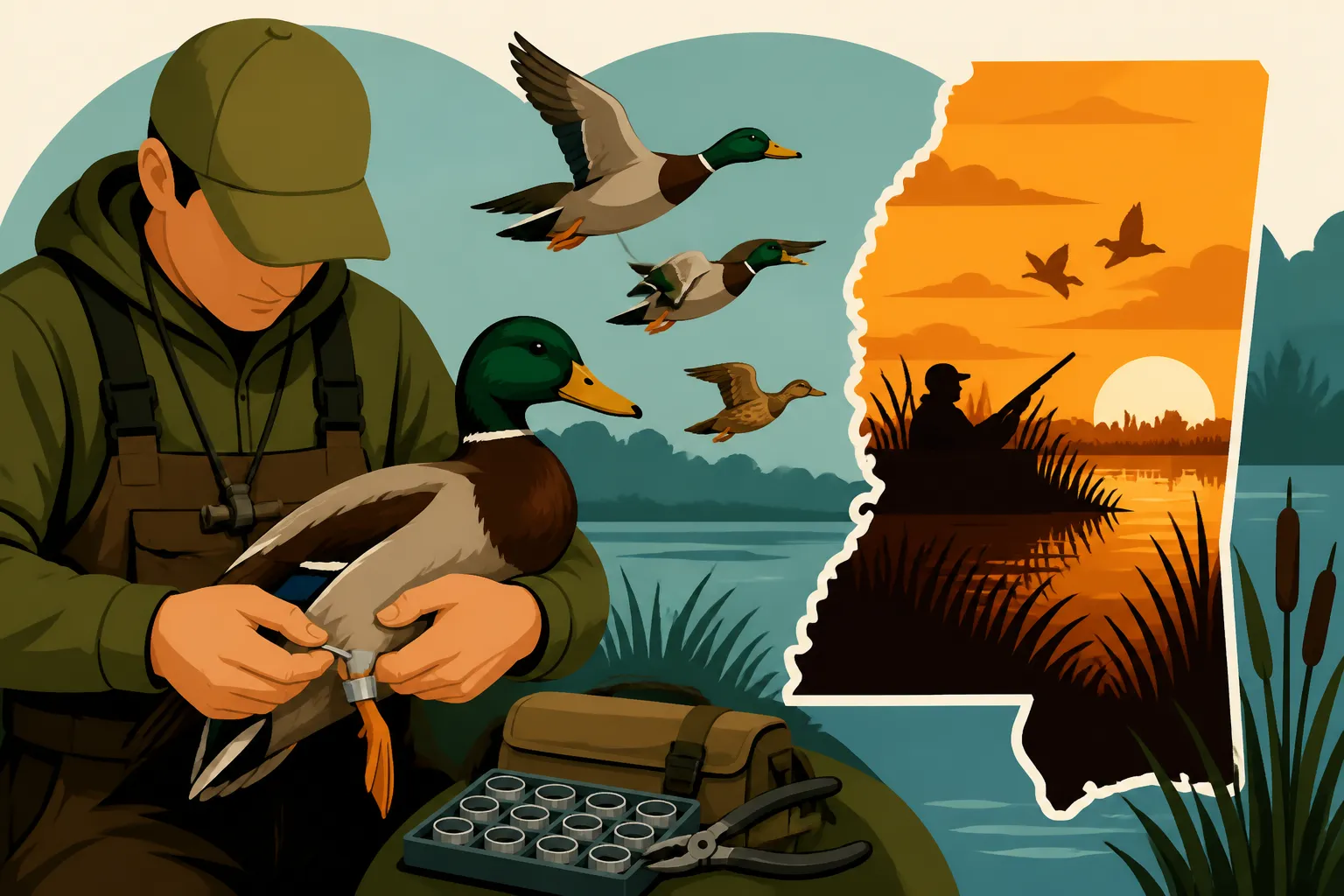
Waterfowl banding typically involves capturing birds safely and humanely, applying a uniquely numbered leg band, and then releasing them. Various methods are used for capture, with cannon nets and trap cages being common for ducks. Baited sites are often used to attract birds into the capture area. Once captured, skilled personnel quickly process each bird, which includes identifying the species, determining its age and sex, and fitting it with the appropriate band. The whole process is designed to minimize stress to the bird.
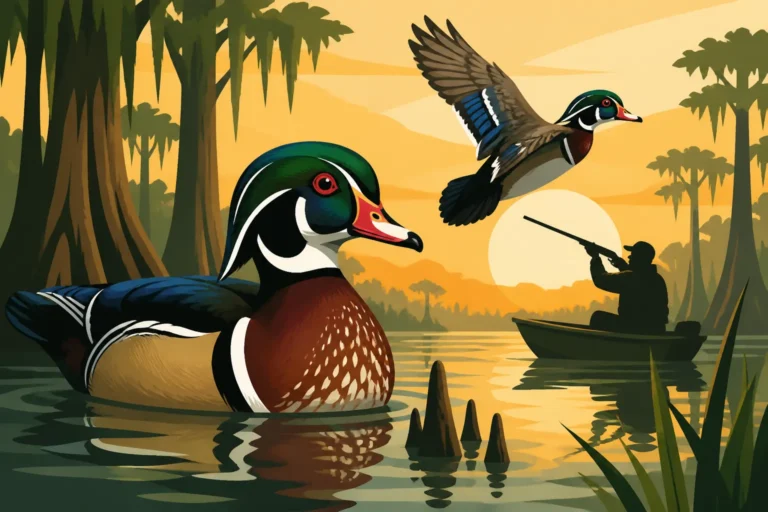
In Mississippi, banding efforts often target dabbling ducks like mallards, wood ducks, and green-winged teal, as well as diving ducks and various goose species. The selection of species and locations depends on specific research objectives, such as monitoring a particular population or investigating the impact of habitat changes in certain Mississippi Wildlife Management Areas. These banding efforts are carefully planned to gather data that will contribute to a broader understanding of waterfowl populations across the continent, directly influencing future hunting opportunities.
Seasonal Timing for Banding Efforts
The timing of banding efforts is critical and varies depending on the species and the information biologists aim to collect. For many duck species, pre-season banding in late summer and early fall is common. This allows biologists to band adult birds and newly fledged young before they disperse widely or are exposed to hunting pressure. Banding young birds before they migrate provides valuable data on juvenile survival and recruitment into the breeding population.
For geese, summer banding on breeding grounds is also common. In some areas, winter banding may occur to capture birds that have settled into their wintering grounds, like the significant numbers of How Many Ducks Winter in the Delta. Each timing strategy provides different pieces of the puzzle. Pre-season banding helps estimate initial population sizes and inform the upcoming season, while post-season or winter banding can offer insights into overwintering survival. The precise timing and location of these efforts are strategic, ensuring that the collected data maximizes its scientific value for long-term waterfowl management.
What Hunters Need to Know About Leg Bands
If you're a waterfowl hunter in Mississippi, finding a leg band is a special moment. It connects you directly to the scientific effort behind conservation, and your actions after finding that band are incredibly important. It's more than just a trophy; it's a piece of critical data.
Reporting a Banded Bird: Why It Matters
Finding a band is exciting, but the real value comes from reporting it. Every single band recovery provides a crucial data point for wildlife biologists. Without hunter reports, the millions of dollars and countless hours invested in banding programs would be largely wasted. Your report helps confirm migration routes, survival rates, and harvest levels, which in turn influences future hunting seasons and bag limits. It truly closes the loop on the scientific process.
The reporting process is simple, usually done online or by phone through the national bird banding laboratory. You'll need the band number, the date you recovered the bird, and the exact location (county and nearest town are usually sufficient). It takes just a few minutes, but those minutes contribute directly to the sustainable future of waterfowl hunting. Consider it your essential contribution to conservation, just like purchasing your Mississippi Federal Duck Stamp Requirement or ensuring you've got your Mississippi HIP Certification for Bird Hunters up to date. The more bands that are reported, the more robust and accurate the data becomes, leading to better management decisions for everyone.
The Information You Get Back
When you report a band, you don't just send information into a black hole. In return for your effort, you'll receive a Certificate of Appreciation. This certificate typically tells you when and where your bird was originally banded, its species, and sometimes even its age and sex at the time of banding. It's a fascinating look into the life story of the specific bird you harvested.
For example, you might find that the mallard you shot in a flooded field near Yazoo City was originally banded as a juvenile in Manitoba, Canada, two years prior. Or perhaps the wood duck you took from a slough was banded just a few counties away last summer. This personalized feedback is a rewarding aspect of reporting a band, creating a tangible connection to the broader waterfowl conservation effort and offering a unique insight into the incredible journeys these birds make. Many hunters keep these certificates as cherished mementos, alongside their banded bird's feet or mounts.
The Significance of Band Returns
Each band return is a small but vital piece of a much larger puzzle. It allows biologists to calculate harvest rates with greater precision, understand which populations are being impacted most by hunting, and refine their population models. If, for instance, there's a sudden increase in reported bands from a specific nesting area, it might indicate higher hunter success or, conversely, a concentration of birds due to habitat changes elsewhere. Conversely, a decrease might suggest declining populations or changes in migration patterns.
The continuous stream of band returns over decades provides invaluable long-term trend data. This historical context is critical for understanding the natural cycles of waterfowl populations, the effects of climate change, and the success of various conservation initiatives. It helps explain fluctuations in Mississippi Duck Harvest Numbers and informs crucial decisions about how to maintain healthy populations, ensuring that future generations can enjoy the same rich hunting heritage we do today.
The Broader Impact of Banding on Mississippi Waterfowl Management
The insights gained from waterfowl banding extend far beyond simply tracking individual birds. They form the scientific bedrock for comprehensive management strategies that benefit waterfowl populations and hunters alike across Mississippi and the entire continent. It's about a holistic approach to conservation.
Informing Regulations and Season Setting
The data gathered from banding programs is directly used by wildlife agencies, including the MDWFP, to develop hunting regulations and set season dates and bag limits. When biologists evaluate population data, survival rates, and harvest impacts gleaned from band returns, they can make informed recommendations that ensure sustainable hunting opportunities. For example, if data suggests that a particular species' population is declining or that harvest rates are becoming too high, regulations might be adjusted to reduce pressure on that species, perhaps by lowering the Mississippi Mallard Sub-Limit Rules or shortening the season.
Conversely, if populations are robust and stable, and harvest rates are sustainable, regulations can remain consistent or even be liberalized. This science-based approach is essential for maintaining healthy waterfowl populations while still providing ample recreational opportunities for hunters. It takes the guesswork out of regulation setting, replacing it with hard data and scientific analysis, ensuring that our decisions today protect our hunting heritage tomorrow.
International Collaboration for Migratory Birds
Because waterfowl migrate across state and national borders, their management requires incredible international cooperation. Banding programs are a prime example of this collaboration. Birds banded in Canada can be recovered in Mexico, passing through numerous U.S. states like Mississippi along the way. The data collected is shared and analyzed by biologists across all these regions, fostering a united front in migratory bird conservation.
This international exchange of data allows for a much more complete understanding of waterfowl populations and the challenges they face throughout their entire life cycle. It prevents isolated management decisions that might inadvertently harm populations elsewhere and instead promotes a coordinated, flyway-wide strategy. This collaborative spirit ensures that the birds we cherish in Mississippi are also being monitored and protected in their breeding grounds to the north and their other wintering grounds to the south.
Conservation Efforts Beyond the Hunt
While banding data is crucial for hunting regulations, its impact extends to broader conservation efforts, regardless of hunting. Insights into habitat use, survival rates, and migration patterns directly inform habitat restoration projects, wetland preservation efforts, and land management decisions. If banding reveals that a certain stopover point along the Mississippi Waterfowl on the Mississippi Flyway is critical for a specific species but is experiencing habitat degradation, conservation efforts can be targeted to that specific area.
This might involve working with landowners to create new wetlands, managing existing public lands like certain Mississippi Wildlife Management Areas for optimal waterfowl habitat, or advocating for policies that protect critical migratory corridors. By understanding where birds are going and what they need to survive, banding provides the intelligence necessary to make effective conservation investments. It's a testament to how scientific data, collected through dedicated efforts and hunter participation, forms the foundation for protecting these magnificent birds and their habitats for generations to come.
Here's a quick look at the types of information a band can reveal:
| Data Point | What it Tells Us | Why it's Important |
|---|---|---|
| Banding Location | Where the bird was originally tagged (state, province) | Pinpoints breeding or staging areas, clarifies migration routes |
| Banding Date | When the bird was tagged (year, month, day) | Determines age of the bird, tracks yearly population shifts |
| Species | Exact type of duck or goose | Species-specific management, tracks individual species' health |
| Age at Banding | Whether it was a juvenile or adult when banded | Helps calculate juvenile recruitment rates, age structure of populations |
| Sex at Banding | Male or female | Sex-specific survival rates, population sex ratios |
| Recovery Location | Where the bird was harvested or found | Confirms migratory paths, identifies key wintering/stopover areas |
| Recovery Date | When the bird was harvested or found | Determines bird's lifespan post-banding, confirms migration timing |
Disclaimer
This article is for general informational purposes only and does not constitute professional advice. Laws, prices and regulations vary by location and change over time. Consult a qualified professional for guidance on your specific situation.