Mississippi’s Chronic Wasting Disease Zones
It's no secret that the news of Chronic Wasting Disease (CWD) arriving in Mississippi sent a shiver down the spines of many hunters. We love our deer, and the thought of a fatal, neurological disease impacting our cherished whitetail herd and hunting traditions is genuinely concerning. This comprehensive guide is here to cut through the confusion, break down exactly what CWD means for you, and equip you with the knowledge to navigate Mississippi's CWD zones and regulations confidently.
Understanding Chronic Wasting Disease
Chronic Wasting Disease, or CWD, is a nasty topic, but it's one we absolutely have to face head-on as hunters and conservationists. It’s a fatal, transmissible neurological disease that affects cervids – that's deer, elk, moose, and reindeer – and it's caused by abnormal proteins called prions. These prions essentially turn a deer's brain into a spongy mess, leading to a slow, inevitable decline. It's not bacterial or viral, which makes it particularly tricky to combat.
How CWD Impacts Deer Health
When a deer contracts CWD, it might not show symptoms right away. There's a long incubation period, often lasting 18 to 24 months, sometimes even longer. During this time, the deer looks perfectly healthy, but the prions are silently multiplying in its brain and lymphatic system. As the disease progresses, you'll start to see classic signs: dramatic weight loss (hence "wasting"), drooling, listlessness, staggering, a noticeable loss of fear of humans, and an insatiable thirst. It's a truly heartbreaking sight to witness an animal suffering from CWD. These affected deer are much more vulnerable to predators, vehicle collisions, and other diseases, further impacting the overall health of the herd.
Why CWD is a Major Concern for Hunters
For us hunters, CWD presents multiple layers of concern. First and foremost, it's about the health of the deer herd itself. A widespread CWD infection could decimate local deer populations, leading to fewer deer in the woods and a direct impact on our hunting opportunities. Nobody wants to see their favorite hunting spot become a ghost town because of disease. Secondly, there's the question of meat safety. While there's no conclusive scientific evidence that CWD can spread to humans, the Centers for Disease Control and Prevention (CDC) and other health organizations strongly recommend against consuming meat from CWD-positive animals. This means if you harvest a deer in a CWD zone, getting it tested is crucial, and if it comes back positive, that venison is off the table, which is a tough pill to swallow after a successful hunt. This adds an extra step and sometimes a cost to the hunting experience, which can be frustrating for those simply trying to put food on the table.
The Arrival of CWD in Mississippi
Mississippi was one of the last states to detect CWD, and for a long time, we hoped we'd be spared. But in 2018, that hope was shattered. The disease made its unwelcome debut, changing the landscape of deer management and hunting regulations across the state. It was a wake-up call that required immediate and decisive action from wildlife officials and hunters alike.
First Detection and Initial Response
The first confirmed case of CWD in Mississippi was found in a deer harvested in Issaquena County in January 2018. This discovery, confirmed by the Mississippi Department of Wildlife, Fisheries, and Parks (MDWFP), was a pivotal moment. Immediately, the MDWFP sprang into action, establishing a CWD management zone around the detection site and ramping up surveillance efforts significantly. This involved increasing mandatory testing requirements for harvested deer in the affected counties, restricting carcass movement, and educating hunters about the disease. It was a rapid, comprehensive response aimed at containing the spread and understanding the true scope of the problem. Many of us remember the flurry of emails and social media posts from the MDWFP, outlining these new rules and urging cooperation. It was a lot to take in, and for many, it felt like an overnight shift in how we approached deer hunting in our state.
How CWD Has Spread in the State
Since that initial discovery, CWD has unfortunately continued to spread, primarily in North Mississippi. The MDWFP maintains a vigilant surveillance program, collecting thousands of samples each year. As of early 2024, the disease has been detected in multiple counties, leading to the expansion and establishment of various CWD management zones. It's not a rapid, wildfire-like spread in every instance, but a slow, persistent creep that requires ongoing monitoring. The primary vector for CWD spread is believed to be direct deer-to-deer contact, but environmental contamination from infected carcasses or deer excretions also plays a role. This is why strict carcass movement restrictions are so important, as they aim to prevent hunters from inadvertently moving infected material to new, unaffected areas. Understanding How CWD Spread Across North Mississippi is crucial for appreciating the current management strategies.
Mississippi's CWD Management Zones Explained
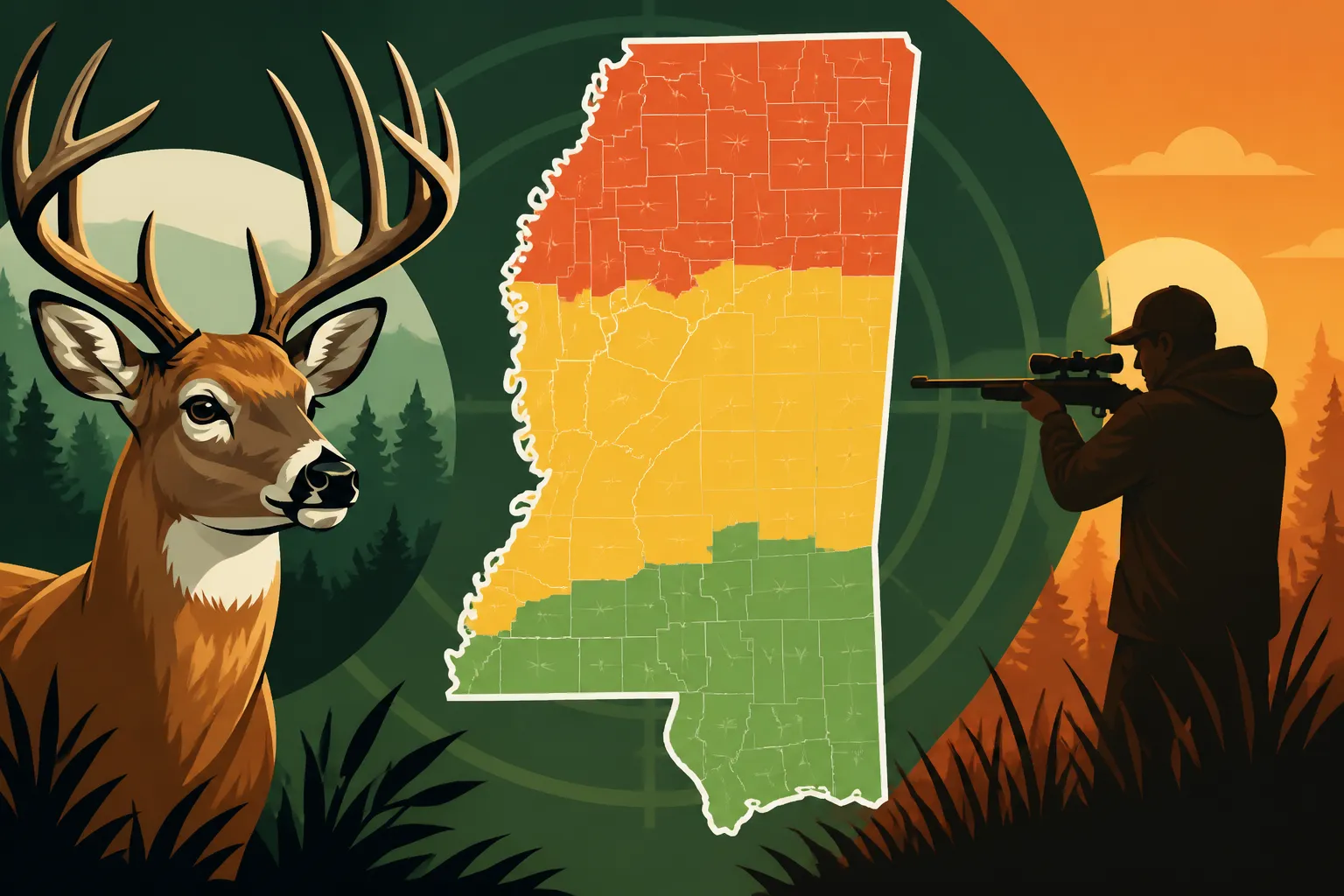
To combat CWD, the MDWFP has implemented specific management zones, each with its own set of rules and guidelines. It's absolutely critical for every hunter to know if their hunting area falls within one of these zones, because ignorance of the rules is no excuse, and the penalties can be stiff. These zones are dynamic, meaning they can change as new detections occur, so always double-check the latest MDWFP regulations before heading out.
The North Mississippi CWD Management Zone
This is the largest and most established CWD zone in Mississippi, encompassing a significant portion of the northern part of the state. It was created following the initial detections and has expanded over time as more cases were confirmed. This zone includes counties like Benton, Marshall, Lafayette, Panola, and others, extending to the Tennessee border in some areas. Within this zone, hunters face the most stringent regulations, including mandatory CWD testing for all harvested deer during specific periods, often the opening weekends of gun season, and strict carcass transport rules. The rationale behind this aggressive approach is to intensely monitor the disease's prevalence and distribution, and to prevent its further spread into uninfected areas of the state. You can find a detailed list of Which Eleven Counties Sit in the North CWD Zone on the MDWFP website. It’s important to understand these boundaries as some public lands, like Holly Springs National Forest, fall entirely within this zone, necessitating adherence to specific CWD protocols.
The Warren-Claiborne CWD Management Zone
Located in the central-western part of the state, the Warren-Claiborne CWD Management Zone was established after CWD was detected in these counties. While not as expansive as the North Zone, it carries similar serious implications for hunters. This zone was particularly concerning because it represented a jump in CWD presence, suggesting that the disease isn't just a northern Mississippi issue. The MDWFP designated this area as a CWD zone to intensely survey for additional cases and to implement management strategies similar to those in the North Zone, including carcass movement restrictions and mandatory sampling requirements. For those who hunt the Mississippi River batture lands or the rich timber of these counties, understanding Why Warren and Claiborne Joined the CWD Zone is key, as these areas are prime deer habitat and warrant careful monitoring.
The Hancock County CWD Management Zone
The Hancock County CWD Management Zone is another distinct area that has been established in response to CWD detection. This zone, located in far South Mississippi near the Gulf Coast, highlights the unpredictable nature of CWD spread. Its establishment underscores the fact that CWD is not confined to one geographical region of the state and can appear in seemingly isolated areas. The regulations here mirror those in other CWD zones: mandatory testing periods, carcass restrictions, and increased surveillance. Hunters in the coastal counties, who might typically focus on small game or waterfowl, now also need to be acutely aware of CWD protocols if they're pursuing deer. The MDWFP has worked diligently to communicate these boundaries and rules, ensuring that hunters are informed regardless of where they chase whitetails.
Mandatory Hunter Requirements and Regulations in CWD Zones
Hunting in a CWD management zone isn't just about bagging a deer; it's also about being a responsible steward of the resource and following specific regulations designed to combat the spread of this disease. These aren't suggestions; they are legally binding rules, and violating them can result in fines and loss of hunting privileges. We all have a part to play in protecting our state's deer herd.
Carcass Movement Restrictions Explained
One of the most critical regulations in any CWD zone is the restriction on carcass movement. The goal here is simple: prevent the physical transport of infected material (bones, brain, spinal cord, etc.) from a CWD-positive area to a CWD-negative area. If you harvest a deer within a CWD zone, you generally cannot transport the whole carcass out of that zone. Instead, you're usually allowed to take out specific, low-risk parts. These typically include deboned meat, antlers (with no brain tissue attached), hides (without the head), and clean skulls or skull plates (with no soft tissue).
Think of it this way: if you're hunting in, say, Panola County, which is in the North CWD Zone, and you drop a nice buck, you'll need to process that animal before you leave the zone if your destination is outside of it. This might mean field dressing it extensively, quartering it, or taking it to a local processor within the zone. It's a bit more work, I know, especially after a long day in the woods, but it's vital for containing the disease. Familiarizing yourself with the rules around Moving a Deer Carcass Out of a CWD Zone is non-negotiable for hunters in these areas.
Mandatory Testing Periods and Reporting
In CWD zones, the MDWFP often institutes mandatory testing periods, typically during peak hunting times like the opening weekends of gun season. During these periods, any deer harvested in a CWD zone must be brought to an MDWFP sampling station for CWD testing. These stations are usually set up at convenient locations like local weigh stations, WMAs, or designated check points. Staff will take a lymph node sample from your deer, which is then sent to a lab for analysis. It's a quick process, usually just a few minutes, but it's absolutely essential for collecting the data needed to understand the disease's prevalence.
Beyond mandatory testing, all deer harvested in Mississippi, regardless of CWD zone, must be reported to the MDWFP. This is typically done through the MDWFP mobile app or their website. The data collected from these reports, combined with CWD testing results, provides wildlife biologists with critical information. Knowing Mandatory Testing Inside a Mississippi CWD Zone and adhering to the process is part of being a responsible hunter in today's environment. Tools like the GoHunt app can be invaluable here, often showing the boundaries of CWD zones and helping you identify nearby sampling stations or reporting requirements.
Other Specific CWD Regulations
Beyond carcass movement and mandatory testing, other specific regulations can apply in CWD zones. These might include restrictions on supplemental feeding, which can unnaturally congregate deer and increase the risk of disease transmission. Some areas might also have specific baiting rules or even special harvest opportunities aimed at reducing deer densities to slow the spread of CWD. For example, there could be increased antlerless harvest limits or extended seasons in certain areas. It's always best practice to check the MDWFP's official CWD webpage and the current year's hunting regulations for the specific unit and county you plan to hunt. These rules can be nuanced, and what applies in the Delta CWD zone might differ slightly from the Hills CWD zone, for instance. Staying current is crucial, and the MDWFP app or a platform like GoHunt can provide real-time updates on these regulations.
| CWD Management Zone | Counties Involved (Examples) | Key Regulations | Carcass Movement Rules | Mandatory Testing Periods |
|---|---|---|---|---|
| North Mississippi Zone | Benton, Marshall, Lafayette, Panola, Tallahatchie, Quitman, etc. | Strict carcass movement; restrictions on feeding/baiting in some areas. | Only deboned meat, clean skull/antlers, hide (without head) can leave zone. | Opening weekends of gun seasons, often other specified dates. |
| Warren-Claiborne Zone | Warren, Claiborne | Strict carcass movement; increased surveillance efforts. | Only deboned meat, clean skull/antlers, hide (without head) can leave zone. | Specific opening weekends or until surveillance goals met. |
| Hancock County Zone | Hancock | Strict carcass movement; intense local surveillance. | Only deboned meat, clean skull/antlers, hide (without head) can leave zone. | As announced by MDWFP for specific periods. |
| All CWD Zones | All listed counties | Mandatory harvest reporting; no feeding/baiting unless specifically permitted. | N/A | Check current MDWFP regulations annually. |
Voluntary CWD Surveillance and Testing
Even if you're lucky enough to hunt outside of a designated CWD zone, you still have a crucial role to play in the fight against this disease. Voluntary testing is a cornerstone of the MDWFP's statewide surveillance efforts, providing valuable data that helps biologists track potential new detections and understand the broader health of our deer herd. Every sample counts, and your participation truly makes a difference.
Drop-Off Locations for Voluntary Samples
The MDWFP understands that not everyone hunts in an area with mandatory check stations, or you might harvest a deer on a day when stations aren't open. That's why they've established a network of voluntary CWD sampling locations across the state. These are often freezer drop-offs at local businesses, taxidermists, or even MDWFP offices and Wildlife Management Areas (WMAs). You simply place the deer's head, with a completed information tag, into the designated freezer. It's usually a pretty straightforward process, making it convenient for hunters to contribute without major disruption to their hunting trip. Finding a Mississippi CWD Sampling Location is easier than ever with the MDWFP's online resources and mapping tools, which I recommend checking regularly, especially before and during deer season.
The Importance of Hunter Participation
Your participation in voluntary CWD surveillance is absolutely paramount. Think of it like this: the more samples collected, the clearer the picture wildlife biologists get of CWD's presence or absence across the state. Without enough samples from specific areas, it's impossible to know if CWD is present but undetected, or truly absent. This data directly informs management decisions, potential changes to hunting seasons, and resource allocation for disease control.
Every deer you submit for testing, even if it looks perfectly healthy, helps contribute to a robust dataset. It helps ensure that new cases are detected quickly, allowing for a more immediate and effective response, potentially slowing the spread before it becomes entrenched in a new region. It’s also an opportunity to be proactive rather than reactive, guarding against the disease before it forces more stringent regulations on our hunting grounds.
Impact of CWD on Deer Hunting and Management
CWD isn't just a scientific curiosity; it's a game-changer for deer hunting and wildlife management in Mississippi. Its presence fundamentally alters how our state's wildlife agencies approach herd health, and it inevitably leads to discussions about long-term strategies for sustainable hunting. This disease demands an adaptive and informed approach from everyone involved.
Potential Changes to Hunting Regulations
The presence of CWD can, and often does, lead to direct changes in hunting regulations. In areas with high CWD prevalence, you might see adjusted bag limits, increased opportunities for antlerless deer harvest, or even extended seasons. The idea behind these adjustments is often to reduce deer densities in an attempt to slow the rate of disease transmission, as a higher deer population can lead to more frequent deer-to-deer contact. For example, if you hunt in a CWD-affected WMA, you might find that the MDWFP encourages a higher take of does to manage the herd.
These changes can sometimes be frustrating for hunters who are used to traditional season structures, but they are implemented with the long-term health of the herd in mind. It's a delicate balance between managing a disease and maintaining quality hunting opportunities. It’s important to frequently consult resources like the Mississippi Deer Season Structure Explained and specific WMA regulations, as these documents will detail any CWD-related adjustments.
Long-Term Outlook for Mississippi's Deer Herd
The long-term outlook for Mississippi's deer herd in the face of CWD is a complex and evolving picture. While CWD is a serious threat, it's not a death sentence for deer hunting. Many states have been living with CWD for decades, and while it presents challenges, deer hunting continues. The key lies in proactive management, aggressive surveillance, and sustained hunter cooperation. Biologists are constantly researching new ways to combat the disease, from genetic resistance in deer to environmental mitigation strategies.
For Mississippi, continued vigilance, robust testing, and adherence to carcass movement restrictions are crucial for limiting the spread. The hope is that by containing the disease to current zones and slowing its progress, we can protect the vast majority of the state's deer population. Our collective commitment to these efforts will ultimately determine the future health and abundance of Mississippi's whitetails. The annual Mississippi Deer Population Estimate and Mississippi Deer Harvest Records are vital metrics that biologists use to track these trends and guide their decisions.
Best Practices for Hunters in a CWD World
Hunting in Mississippi, especially with CWD in the picture, means adopting a few extra best practices to ensure you're doing your part for wildlife health and your own peace of mind. These aren't just rules; they're smart habits that every conscientious hunter should embrace.
Safe Field Dressing and Meat Handling
When you're field dressing a deer, especially in a CWD zone, it's important to take some precautions. Use gloves, and if possible, avoid excessive contact with brain or spinal cord tissue. While the risk of human contraction is considered low, why take unnecessary chances? Once the deer is field dressed, leave the high-risk parts (brain, spinal cord, spleen, lymph nodes) at the kill site if you're in a CWD zone and don't intend to transport the whole carcass.
When processing the meat, thoroughly clean your knives, saws, and cutting surfaces with a bleach solution (one part bleach to ten parts water) after you're done. This minimizes any potential contamination. For those who process their own deer, focus on deboning the meat, as muscle tissue is considered very low risk for prions. If you use a commercial processor, make sure they are aware you hunted in a CWD zone and follow all appropriate guidelines.
Disposing of Carcasses Responsibly
Proper carcass disposal is critical, particularly for deer harvested in CWD zones. Do not simply dump carcasses along roadsides or in unauthorized areas. This can potentially spread CWD prions into new environments or expose other deer to infected material. The best practice is to bury high-risk carcass parts (head, spinal column) at the kill site, or if that's not feasible, take them to an approved CWD disposal site or commercial landfill. The MDWFP provides guidance on carcass disposal options in CWD zones.
If you're out of a CWD zone and your deer tests negative, regular responsible disposal methods generally apply. But within a CWD zone, always err on the side of caution. Remember, you're not just disposing of remains; you're actively helping to prevent the spread of a devastating disease.
Minimizing Risk Through Informed Choices
Beyond the immediate regulations, making informed choices can significantly minimize your risk and impact as a hunter. This includes staying updated on the latest CWD news and regulations from the MDWFP, utilizing resources like the GoHunt app to check boundary lines and WMA-specific rules, and avoiding baiting or feeding practices that might concentrate deer in areas where CWD is known to be present. While baiting is legal in some parts of Mississippi outside of CWD zones, it's something to think carefully about.
Additionally, if you harvest a deer that appears sick or exhibits any CWD symptoms, report it immediately to the MDWFP, even if it's outside a CWD zone. The more eyes and ears we have on the ground, the better our chances of identifying and addressing new outbreaks quickly. Being a proactive, informed hunter is our strongest defense against CWD.
Staying Informed and Supporting CWD Efforts
Navigating the world of CWD can feel overwhelming, but staying informed and actively participating in the solution are the best tools we have. The MDWFP is dedicated to this fight, but they can't do it alone – they need every hunter's help.
Where to Find the Latest CWD Information
The absolute best source for the most up-to-date and accurate CWD information is the official Mississippi Department of Wildlife, Fisheries, and Parks (MDWFP) website. They have a dedicated CWD section that provides maps of current CWD zones, lists of affected counties, mandatory testing dates, carcass disposal guidelines, and the latest news and research. Make it a habit to check this site before each hunting season, and even during the season if you're hunting in or near a CWD zone.
Beyond the MDWFP website, follow their social media channels for real-time updates and announcements. Local MDWFP offices and game wardens are also excellent resources for specific questions. Apps like GoHunt can also provide helpful overlays for CWD zones on their mapping features, helping you quickly identify if you're hunting in a restricted area.
Reporting Sick Deer and Getting Involved
If you encounter a deer that appears to be sick or exhibiting CWD-like symptoms – extreme lethargy, emaciation, excessive drooling, lack of fear of humans, or neurological issues – it's crucial to report it to the MDWFP immediately. Do not attempt to approach or handle the animal. Timely reporting allows wildlife officials to investigate and potentially collect samples, which can be vital for early detection of new CWD cases. You can typically find a dedicated hotline or online form for reporting sick animals on the MDWFP website. This kind of grassroots effort is integral to Mississippi Wildlife Disease Monitoring.
Beyond reporting, consider getting more involved in local conservation efforts. Attend MDWFP public meetings, volunteer at CWD sampling stations if opportunities arise, or simply spread awareness among your fellow hunters. Supporting organizations dedicated to wildlife research and conservation also contributes to the broader effort to combat diseases like CWD. Our combined efforts truly make a difference in protecting our state's wild resources.
Disclaimer
Please remember that hunting regulations, including those pertaining to Chronic Wasting Disease, are subject to change. Always consult the official Mississippi Department of Wildlife, Fisheries, and Parks (MDWFP) website or current hunting regulations guide for the most up-to-date and legally binding information before you hunt. This article is intended for informational purposes only and does not supersede official state regulations.